Category: Business/Economy

  • Federal Government Issues Transition Guidelines for Tax Act 2025

    Federal Government Issues Transition Guidelines for Tax Act 2025

    The Federal Government has issued the General Guidelines for the implementation of the Tax Acts 2025, setting out the process for transition from the repealed tax laws to the new tax framework effective from January 1, 2026.

    Issued by the Federal Ministry of Finance, the Guidelines provide direction to taxpayers, tax practitioners, revenue authorities and other stakeholders on how to address various issues arising from the old regime to the new framework.

    Under the Guidelines, the Tax Acts 2025 comprising the Nigeria Revenue Service (Establishment) Act, the Nigeria Tax Act, the Nigeria Tax Administration Act, and the Joint Revenue Board (Establishment) Act apply from the respective commencement dates as enacted in each law. In particular, January 1, 2026 for the Nigeria Tax Act, 2025.

    Tax liabilities, assessments, audits, investigations, disputes and enforcement actions relating to periods before that date will be treated under the repealed tax laws.

    Tax returns relating to accounting periods ending before January 1, 2026, will be filed under the previous tax laws, while returns relating to accounting periods ending from January 1, 2026, onward will be administered under the new tax framework.

    The document also covers the treatment of income taxes, transaction taxes, development levies, tax incentives, exemptions, record-keeping obligations and transactions that span both the old and new tax regimes.

    Existing tax incentives and exemptions granted under the repealed laws will remain in place until their expiration dates. New applications and pending requests, however, will be considered under the provisions of the Tax Acts 2025.

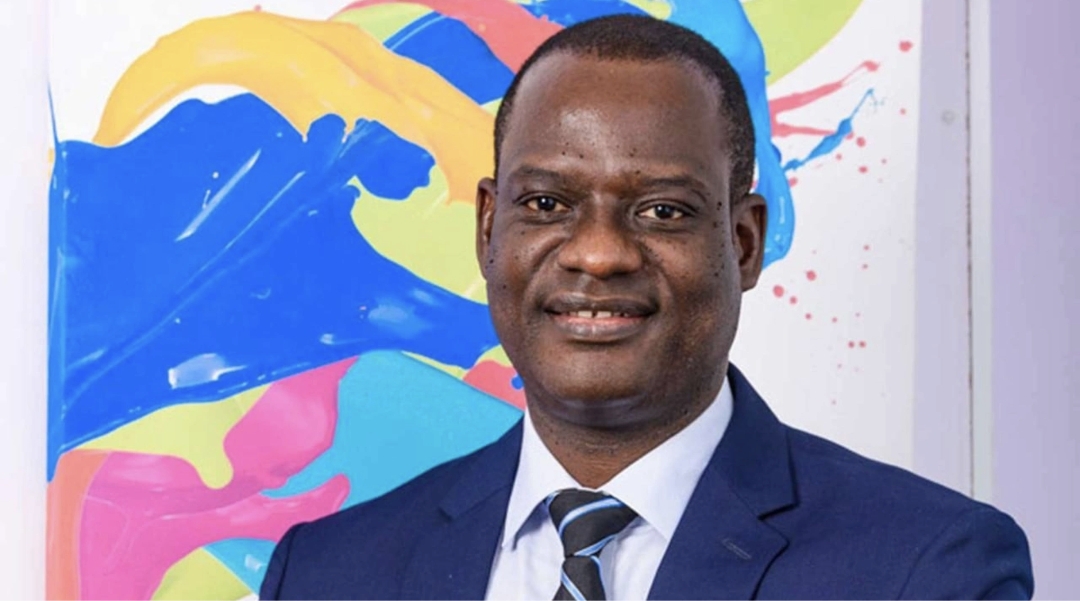
    Speaking on the release of the Guidelines, the Honourable Minister of Finance and Coordinating Minister of the Economy, Mr. Taiwo Oyedele, said the document provides a framework for managing transitional issues while ensuring that the new laws are not applied retrospectively.

    He described the Tax Acts 2025 as a significant milestone in Nigeria’s tax reform programme, noting that the Guidelines set out how existing obligations, ongoing matters and future transactions will be treated under the new regime.

    According to the Minister, the Guidelines are anchored on three key principles – clarity, fairness and administrative certainty.

    The Guidelines are intended to promote uniform implementation and support effective administration across the Nigeria Revenue Service, State Internal Revenue Services, the FCT Internal Revenue Service, Local Government Revenue Committees, tax practitioners and taxpayers nationwide.

    The Government reaffirmed its commitment to building a transparent, efficient and modern tax system that supports economic growth, strengthens revenue administration, encourages voluntary compliance and improves Nigeria’s investment  climate.
  • Dangote Refinery Cuts Petrol Gantry Price To N1,175/L

    Dangote Refinery Cuts Petrol Gantry Price To N1,175/L

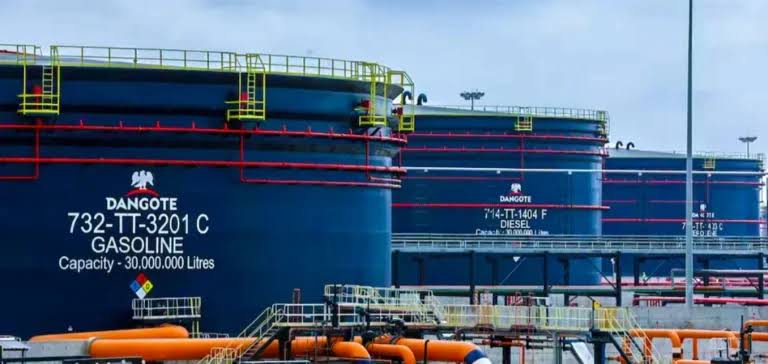
    Dangote Refinery has lowered its gantry price for petrol to N1,175 per litre, a move industry analysts say will put downward pressure on pump prices across Nigeria; marketers and fuel dealers are expected to revise their margins and retail prices in the coming days, potentially easing the cost burden on motorists who have faced months of rising transport and living costs.

    The refinery announced a significant reduction in its petrol ex-gantry price, cutting the rate by N75 per litre, from N1,250 to N1,175 per litre.

    The new pricing, which took effect from 12 am today, June 16, comes amid the recent de-escalation of geopolitical tensions in the Middle East and a sharp decline in international crude oil prices.

    In a notice issued to customers, the refinery said, “Following the de-escalation of tensions in the Middle East, which has impacted energy prices, we wish to inform you that we have reviewed our Premium Motor Spirit (PMS) gantry/coastal price.”

    The refinery also reduced its coastal loading price by N100,575 per metric tonne, lowering the rate from N1,595,790 per metric tonne to N1,495,215 per metric tonne.

    According to the communication, all outstanding unloaded gantry volumes will be repriced at the new rate from the effective date.

    The latest adjustment is expected to trigger fresh competition across Nigeria’s downstream market, with private depot operators likely to respond with further price reductions in the coming days.

    The development follows a sharp correction in global oil markets after the United States and Iran moved closer to a diplomatic agreement that could restore stability to the Strait of Hormuz, a critical global oil shipping route.

    Over the past week, heightened tensions between Iran, Israel and the United States had pushed crude oil prices higher on fears of supply disruptions.

    However, optimism surrounding a possible peace deal had reversed those gains, dragging international oil prices lower.

    Industry players said the reduction could translate into lower pump prices nationwide if marketers passed on the cost savings to consumers.

    The latest cut also reinforces Dangote Refinery’s growing influence over Nigeria’s fuel pricing landscape, as market participants increasingly adjust their pricing strategies in response to movements from the 650,000 barrels-per-day facility.

    With crude oil prices retreating and market sentiment improving, analysts expect further downward adjustments across petrol and diesel prices if global energy markets remain stable in the coming weeks.

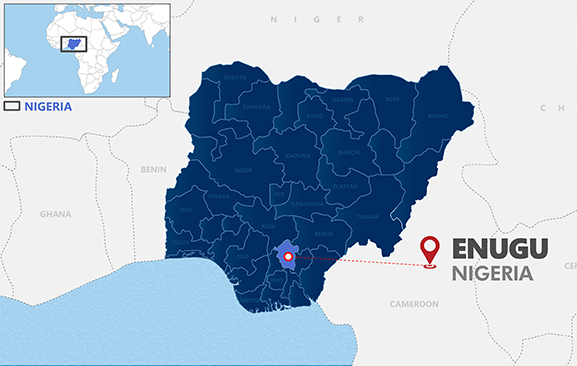
  • Enugu Hosts PEBEC Townhall, Seeks Private Sector Input on Business Reforms

    Enugu Hosts PEBEC Townhall, Seeks Private Sector Input on Business Reforms

    The Enugu State Government has hosted the Presidential Enabling Business Environment Council (PEBEC) Nationwide Townhall and Stakeholders Engagement as part of efforts to strengthen business reforms and improve the investment climate in the state.

    The event, organised by the Ministry of Trade, Investment and Industry in collaboration with the Enugu State Investment Development Authority (ESIDA), brought together representatives of the Organised Private Sector (OPS), investors, development partners, business associations, and government agencies at Hotel Presidential, Enugu.

    Speaking at the engagement, the Commissioner for Trade, Investment and Industry, Dr. Sam Ogbu-Nwobodo, said the state government would translate recommendations from stakeholders into actionable policies aimed at improving the ease of doing business and advancing Enugu’s $30 billion economy target.

    He commended PEBEC and participants for their contributions, noting that feedback from businesses remains essential to shaping effective reforms.

    Ogbu-Nwobodo reiterated that improving the ease of doing business is a priority of the administration of Governor Peter Mbah, adding that the government remains committed to creating an enabling environment that attracts investment, supports enterprise growth, and creates sustainable economic opportunities.

    Also speaking, the Managing Director of ESIDA, Dr. Kenechukwu Nnamani, said the state would continue to pursue reforms, digital innovation, and institutional efficiency to build a competitive investment destination.

    On behalf of PEBEC, Mr. Gabriel Ohiemi urged members of the Organised Private Sector to openly share their experiences and concerns, stressing that stakeholder feedback is critical to driving reforms that will enhance Nigeria’s business environment and global competitiveness.

    Representatives of major business groups, including ECCIMA, the Nsukka Chamber of Commerce, the 9th Mile Chamber of Commerce, and COPEN Group, commended the state government for its business-friendly initiatives and commitment to engaging the private sector in policy development.

    The townhall forms part of PEBEC’s nationwide stakeholder engagement programme designed to deepen public-private collaboration, identify business constraints, and accelerate reforms aimed at improving Nigeria’s economic competitiveness.

  • Enugu to Host PEBEC Town Hall on Ease of Doing Business Reforms June 3

    Enugu to Host PEBEC Town Hall on Ease of Doing Business Reforms June 3

    The Enugu State Government through Ministry of Trade, Investment and Industry in conjunction with the Enugu State Investment Development Authority (ESIDA), has announced plans to host the Presidential Enabling Business Environment Council (PEBEC) Nationwide Town Hall and Stakeholders’ Engagement.

    The event is scheduled for today, Wednesday, June 3, 2026, at Hotel Presidential, Enugu.

    According to the organisers, the engagement will bring together business owners, investors, development partners, professional groups, industry leaders and heads of government agencies for discussions on improving the business environment in the state and across the country.

    The town hall is part of PEBEC’s nationwide assessment of Ease of Doing Business (EoDB) and State Action on Business Enabling Reforms (SABER), with a focus on identifying obstacles facing businesses and obtaining stakeholder input for policy reforms.

    Speaking ahead of the programme, the Commissioner for Trade, Investment and Industry, Sam Ogbu-Nwobodo, said the administration of Governor Peter Mbah remains committed to creating a competitive investment destination.

    “Enugu State under His Excellency, Governor Peter Mbah, is committed to building the most competitive business climate in Nigeria,” Ogbu-Nwobodo said.

    “This engagement with PEBEC and the private sector is critical because reforms must be shaped by the lived experiences of those who drive the economy. The feedback we receive will feed directly into policy and regulatory improvements to make Enugu more attractive for investment and enterprise growth.”

    He noted that insights generated from the town hall would help strengthen ongoing reforms and support the state’s economic growth agenda.

    The organised private sector session is expected to begin at 12 noon, while stakeholders have been advised to register ahead of the event to aid logistics and coordination.

    The state government said it remains focused on achieving its $30 billion economy target, with business-friendly reforms identified as a major pillar of its strategy for private sector-led development.

  • CBN retains interest rate at 26.5 per cent

    CBN retains interest rate at 26.5 per cent

    The Monetary Policy Committee (MPC) of the Central Bank of Nigeria (CBN) on Wednesday retained the benchmark interest rate at 26.5 per cent.

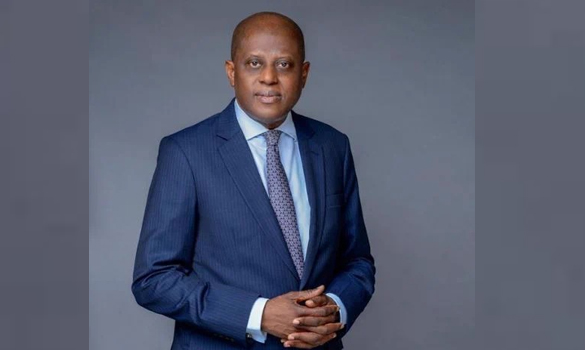
    CBN Governor Olayemi Cardoso announced the decision at the conclusion of the bank’s two-day MPC 305th meeting, held from 19 to 20 May in Abuja.

    The decision comes after the central bank earlier reduced the Monetary Policy Rate (MPR) by 50 basis points in February, bringing it down from 27 per cent, a level it had held steady since November 2025.

    Speaking after the meeting, the CBN boss said that the committee’s decision is based on the recent surge in inflation and external shocks.

    “The decisions of the MPC were anchored on a comprehensive assessment of risk to the outlook, although inflation has risen marginally for two consecutive months, largely induced by external shocks.

    “The MPC recognises its transitory nature and remains confident that the current macroeconomic environment is sufficiently robust to support a return to disinflation,” he said.

    At the meeting on Wednesday, the MPC adjusted the asymmetric facilities corridor around the MPR at +50/-450 basis points, a move aimed at discouraging banks from keeping idle funds with the CBN and encouraging more lending into the economy.

    It also retained the Cash Reserve Ratio (CRR) for commercial banks at 45 per cent and retained merchant banks at 16 per cent.

    The committee also left the CRR on non-TSA public sector deposits for liquidity management considerations at 75 per cent.

    The borrowing rate was retained amid a continual rise in Nigeria’s headline inflation rate, which increased to 15.69 per cent in April, from 15.38 per cent in March and 15.06 per cent in February, according to the National Bureau of Statistics (NBS).

    This followed rising prices of goods and services in Nigeria, largely driven by higher fuel costs, amid growing political tensions involving the US, Israel, and Iran since February.

    The war disrupted oil transit through the Strait of Hormuz, a major oil shipping route in the Middle East.


  • Nigeria’s inflation rises to 15.69% in April

    Nigeria’s inflation rises to 15.69% in April

    Nigeria’s headline inflation rate rose to 15.69 per cent in April 2026, up from 15.38 per cent recorded in March, reflecting a 0.31 percentage point increase, according to the National Bureau of Statistics (NBS).

    According to the data released on Friday, Consumer Price Index (CPI) stood at 138.3 in April, marking a 2.9-point increase from 135.4 in March. The NBS said the increase followed the agency’s recent rebasing to a 2024 base year with 2023 as the weight reference period.

    Despite the uptick in the annual rate, the bureau stated that the pace of price increases slowed, with month-on-month inflation easing to 2.13 per cent in April from 4.18 per cent in March.

    The NBS data also shows a sharp moderation when compared with April 2025, when headline inflation was significantly higher at 26.82 per cent.

    “The National Bureau of Statistics is pleased to announce the release of the latest Consumer Price Index (CPI) figures for April 2026. Following the completion of the recent rebasing exercise, this report is centred on a new CPI base year of 2024 and a weight reference period of 2023. Hence, the Consumer Price Index (CPI) increased to 138.3 in April 2026, and reflects a 2.9-point increase from the preceding month.

    “On a year-on-year basis, the headline inflation rate for April 2026 stood at 15.69%, when compared to 15.38% and 26.82% recorded in March 2026 and April 2025; respectively. The month-on-month headline inflation rate in April 2026 was 2.13%, which was 2.05% lower than the rate recorded in March 2026 (4.18%),” the NBS stated.

    At the divisional level, price pressures were driven mainly by Food and non-alcoholic beverages, restaurants and accommodation services, and transport, while recreation, alcohol and tobacco, and insurance recorded minimal impact.

    “The three major contributors to the headline inflation were Food and non-alcoholic Beverages: 6.40%, Restaurants & Accommodation Services: 3.56%, and Transport: 1.70%; while the least contributors were Recreation, Sport, and Culture: 0.01%, Alcoholic Beverages, Tobacco, and Narcotics: 0.01%, and Insurance and Financial Services: 0.03%,” the bureau added.

    It also said food inflation stood at 16.06 per cent year-on-year in April, lower than 24.68 per cent recorded in the same period last year, while the monthly rate slowed to 3.63 per cent from 4.17 per cent in March, reflecting softer increases across key staples.

    The statistics bureau further said core inflation, which excludes volatile agricultural produce and energy, came in at 15.86 per cent year-on-year, with the monthly rate dropping sharply to 1.03 per cent from 4.03 per cent in March.

    Across locations, it noted that urban inflation stood at 15.40 per cent year-on-year, while rural inflation was higher at 16.36 per cent, with both segments recording slower monthly increases compared to March.

  • CBN warns Nigerians against fraudulent messages

    CBN warns Nigerians against fraudulent messages

    Central Bank of Nigeria (CBN) on Tuesday warned members of the public against fraudulent messages, emails and online communications falsely claiming to originate from the apex bank.

    The bank said the fake messages were designed to mislead the public and, in some cases, gain unauthorised access to personal accounts through malicious links and deceptive online platforms.

    In a statement issued by Hakama Sidi-Ali, the CBN said the fraudulent messages contained false claims relating to the bank’s leadership, licensing matters and policy issues.

    She urged the public to avoid clicking suspicious links or sharing personal and financial information on unverified websites.

    The CBN stated that its official website remains the Central Bank of Nigeria and advised Nigerians to verify all communications concerning the bank through its website and recognised media platforms.

    It also urged the public to report any suspected fraudulent website, email or message to relevant law enforcement agencies for investigation and necessary action.

    The apex bank reaffirmed its commitment to protecting the Nigerian financial system, stating that it would continue to strengthen its cybersecurity frameworks in collaboration with relevant agencies to safeguard the public against digital fraud and cyber threats.

  • Nigerian airlines threaten shutdown from April 20 over cost of Jet A1 fuel

    Nigerian airlines threaten shutdown from April 20 over cost of Jet A1 fuel

    Nigerian airlines have threatened to suspend operations nationwide from April 20, 2026, following a sharp surge in Jet A1 prices that has pushed aviation fuel above N3,000 per litre.

    The development was reported by Channels TV on Wednesday, citing a letter from the Airline Operators of Nigeria (AON) to the Major Energies Marketers Association of Nigeria (MEMAN).

    The operators said the situation has made flight operations increasingly unsustainable, with airlines struggling to absorb the sharp increase in costs.

    They warned that without urgent intervention, the industry could face a coordinated shutdown that would disrupt air travel across the country.

    The Airline Operators of Nigeria (AON) said airlines will be forced to suspend operations from April 20, 2026, if the current jet fuel price trend continues. The group described the notice as a final appeal after weeks of absorbing rising operational costs.

    “Accordingly, we hereby give notice that if this trend persists, all airlines in Nigeria will be compelled to suspend operations effective Monday, April 20, 2026. This serves as our final appeal,” AON said in its letter.

    AON said Jet A1 prices surged from about N900 per litre as of February 28 to around N3,300 per litre within weeks, describing the increase as over 300%.

    The operators also said airline revenues are no longer sufficient to cover fuel costs alone, warning that operations have become commercially unviable.

    They added that the spike is “artificial” and far above global crude oil trends, which rose by about 30 per cent in the same period.

    AON further noted that airlines had continued operating for weeks out of patriotism, but said the burden had become unsustainable. It warned that the pricing situation is already “decimating the aviation industry” and could affect national security, the economy, and millions of livelihoods if not addressed.

    The warning comes weeks after industry stakeholders already raised concerns that rising Jet A1 prices were putting pressure on airline operations.

    At the time, aviation fuel had crossed N2,000 per litre, prompting expectations of fare increases and possible flight reductions.

    Since then, prices have climbed further, surpassing N3,000 per litre as of April 15, 2026, intensifying pressure on operators already dealing with high operating costs.

    Stakeholders, including aviation fuel experts and energy executives, had earlier warned that airlines would have little choice but to pass rising fuel costs to passengers. Jet A1 is estimated to account for more than 40% of airline operating expenses in Nigeria, making it the single most significant cost driver in the sector.

    Industry players also noted that fuel marketers have struggled to consistently restock aviation fuel in recent weeks. Nairametrics

  • DMO says Nigeria’s public debt rose by N14.61tn in 2025

    DMO says Nigeria’s public debt rose by N14.61tn in 2025

    Nigeria’s total public debt rose by N14.61 trillion year-on-year to N159.28 trillion as of December 31, 2025, according to the latest data released by the Debt Management Office (DMO).

    The figures show that the country’s debt stock increased from N144.67 trillion recorded in December 2024, representing a 10.1% rise over the one-year period.

    In dollar terms, Nigeria’s public debt climbed from $94.23 billion in December 2024 to $110.97 billion in December 2025, marking an increase of $16.75 billion.

    On a quarter-on-quarter basis, total public debt also rose from N153.29 trillion in September 2025 to N159.28 trillion in December 2025, indicating an increase of N5.98 trillion or 3.9%.

    A breakdown of the data shows that domestic debt remained the largest contributor to Nigeria’s total debt stock, accounting for 53.27% as of December 2025.

    Domestic debt rose from N74.38 trillion in December 2024 to N84.85 trillion in December 2025, representing a year-on-year increase of N10.47 trillion or 14.1%. On a quarterly basis, it grew by N3.03 trillion from N81.82 trillion recorded in September 2025.

    In dollar terms, domestic debt increased from $48.44 billion in December 2024 to $59.12 billion in December 2025, underscoring Nigeria’s continued reliance on local borrowing to finance fiscal deficits.

    The Federal Government accounted for the bulk of domestic debt at N80.49 trillion, representing 50.53% of total public debt, while states and the Federal Capital Territory accounted for N4.36 trillion.

    External Debt 

    Nigeria’s external debt stood at N74.43 trillion in December 2025, representing 46.73% of total public debt.

    This reflects a year-on-year increase of N4.14 trillion from N70.29 trillion recorded in December 2024, as well as a quarter-on-quarter rise of N2.95 trillion from N71.48 trillion in September 2025.

    In dollar terms, external debt rose from $45.78 billion in December 2024 to $51.86 billion in December 2025.

    The Federal Government accounted for N66.27 trillion of the external debt, while states and the FCT accounted for N8.16 trillion.

    Despite the overall increase, the structure of Nigeria’s debt portfolio remained relatively stable, with a slight tilt toward domestic borrowing.

    Domestic debt accounted for 53.27% of total debt in December 2025, compared to 51.41% in December 2024, while external debt declined slightly from 48.59% to 46.73% over the same period.

    The DMO noted that the December 2025 figures are provisional and were converted using the Central Bank of Nigeria (CBN) official exchange rate of N1,435.2571/$. Daily Trust

  • Enugu MSME & Startup Agency Rallies Residents For ’10Million Nigerian Youths, Women Upskilling Initiative’

    Enugu MSME & Startup Agency Rallies Residents For ’10Million Nigerian Youths, Women Upskilling Initiative’

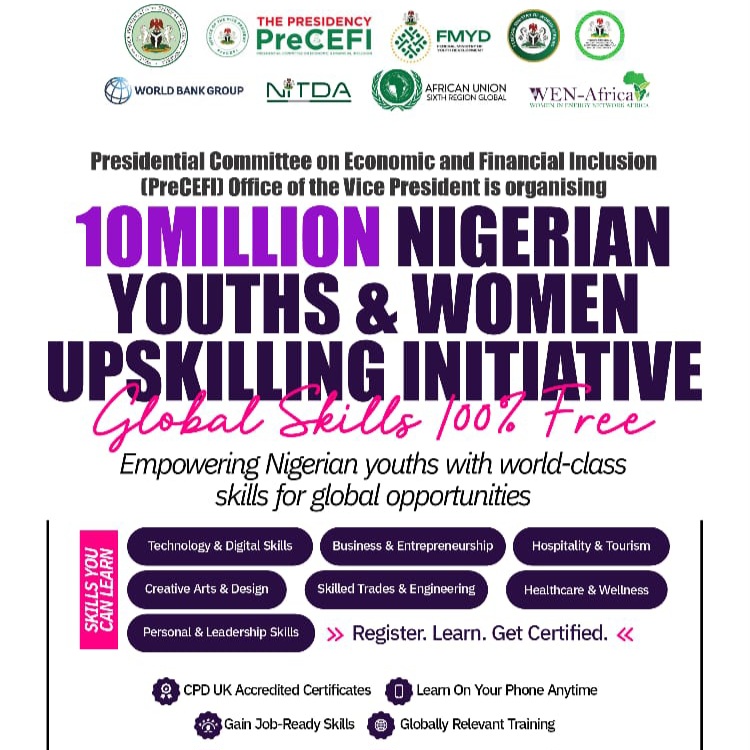
    The Enugu MSME & Startup Agency (Enugu SME Center) has called on youths, women, artisans, creatives, and entrepreneurs to participate in a nationwide upskilling programme aimed at improving employability and economic inclusion.

    The initiative, part of the Renewed Hope agenda of President Bola Ahmed Tinubu and aligned with the human capital development drive of Governor Peter Ndubuisi Mbah, is designed to equip participants with globally relevant skills and certifications.

    The programme, titled 10 Million Nigerian Youths & Women Upskilling Initiative, is being implemented by WAWUAfrica in collaboration with its partners.

    According to the Center, participants will receive free, CPD-accredited training across multiple sectors, including technology and digital skills, business and entrepreneurship, hospitality and tourism, creative arts and design, skilled trades and engineering, healthcare and wellness, and personal and leadership development.

    The Enugu MSME & Startup Agency (Enugu SME Center) said the initiative is intended to provide practical skills that can drive employment, entrepreneurship, productivity, and access to global opportunities.

    It described the programme as a strategic platform for certification, empowerment, and workforce development, aimed at building a job-ready and future-focused population in the state.

    Registration can be done through  https://wawuafrica.com/onboarding

    Residents across the 17 local government areas have been urged to register and take advantage of the opportunity.

  • In London, Mbah Ignites Investors’ Interest in Enugu

    In London, Mbah Ignites Investors’ Interest in Enugu

    …NGX, UBA affirm Enugu’s positioning as an emerging investors’ haven

    … Tinubu’s economic reforms most significant in decades – Mbah

    Governor of Enugu State, Dr. Peter Mbah, has ignited foreign investors’ interest in the state with prospective investors expressing the readiness to immediately key into opportunities across various sectors of the state’s economy.

    Mbah said investors should expect between 25 and 40 percent return on their investments, noting that global manufacturers and international partners were already establishing a presence in the state, recognising its strategic position as well as the opportunities and reform agenda that were underway.

    The governor, who was on the president’s entourage during the state visit to the United Kingdom, UK, spoke at the UK-Nigeria Project Agglomeration Compact 2026 delivered by Mutandis Africa, a pan-African investment and trade facilitation platform in collaboration with the Dr. Zacch Adedeji-led Nigeria Revenue Service (NRS) in the House of Lords on the sidelines of Tinubu’s visit.

    The investment forum brought Enugu State, senior federal government officials, and private sector leaders to engage directly with the UK’s senior investor community, including private equity funds, sovereign wealth investors, development finance institutions, infrastructure platforms, pension capital, and family offices.

    He said, “We have numerous projects that have been curated for international investors: the international airport currently being expanded in Enugu is designed to serve a regional population of approximately 30 million people, thus transforming Enugu into a gateway for the entire southeast economic corridor, linking surrounding states whose economies are themselves growing rapidly.

    “In tourism and hospitality, Enugu’s natural landscape, a hill-top city surrounded by waterfalls, caves and remarkable scenery, is being repositioned as a destination for both leisure and business travel. New hotels, a conference centre and revitalised resorts are being developed to support this vision.

    “In agriculture, we are modernising production through agritech and commercial farming initiatives that strengthen food security while building export-oriented value chains.

    “Power drives every modern economy. Today, more than 50% of the region still lacks reliable electricity, creating an opportunity to deliver dependable power to over 15 million people.

    “In healthcare and education, we are expanding services across communities to build the skilled workforce and stable environment that serious investment requires.

    “And at the heart of this transformation lies one of our most ambitious developments: a new smart city spanning approximately 10,000 hectares, currently breaking ground, designed to become a modern commercial and residential hub for the region.”

    Mbah further hailed President Tinubu’s reforms, especially the structural shift where he said states were being increasingly empowered to act as economic engines in their own right.

    “Importantly also, under President Tinubu’s leadership, bold reforms have been implemented to restore macroeconomic stability and improve investor confidence. The foreign exchange market has been unified, fiscal reforms are strengthening transparency, and the Nigeria Tax Act is helping to create a modern fiscal architecture designed to support long-term investment,” he added.

    He said Tinubu’s UK visit signaled a paradigm shift that now enables subnational governments to also drive economic growth.

    “For Nigeria, it signals a new era in which sub-national governments are not simply administrators, but active stewards of economic growth.

    “For investors, it marks an opportunity to engage not only with a country, but with dynamic regions within that country that are building credible, bankable opportunities,” he said.

    Speaking, Chairman of the Nigerian Exchange Group, NGX, Dr. Umaru Kwairanga, and the Group Managing Director/CEO of the United Bank for Africa, Oliver Alawuba, reinforced Governor Mbah’s message and Enugu State’s current strategic positioning as one of Nigeria’s leading sub-national economies.

    Kwairanga said the NGX was on track to deliver three times its performance in 2025 due to rising investor confidence and key policy drivers, particularly the ongoing banking sector recapitalisation.

    Speaking on the outcome, Founder/CEO of Mutandis Africa, Chinelo Anohu, said investors, who were drawn from various global economies, were very eager to key into the various opportunities, with special focus on aviation sector and real estate sector opportunities. They are also keen on bringing in smart solutions that would support Enugu’s Smart Schools and Smart City.

    “The governor’s astute delivery of opportunities in the state and mastery of relevant data were quite compelling. Post-event event transaction processes will commence immediately,” she added.

  • CBN’s Recapitalisation: 34 banks meet threshold days to deadline

    CBN’s Recapitalisation: 34 banks meet threshold days to deadline

    Thirty-four banks have met the new minimum capital threshold eight days to the deadline for banking recapitalisation, The Nation has confirmed.

    A provisional list reviewed yesterday showed that all the major banks with international banking licences, which control more than 70 per cent of the industry and most national banks have scaled the recapitalisation hurdle.

    The Central Bank of Nigeria (CBN) is expected to issue final status report next week.

    The apex bank had in March 2024, set March 31, 2026 as deadline for the recapitalization.

    Experts said the ongoing process while stricter on the basis of qualifying capital has been the most successful in the country’s history of recapitalisation.

    Most experts said they expected nearly all banks to be cleared by the apex bank given the current level of compliance and last-minute efforts by banks to verify private capital injections.

    Under the process, qualifying capital for the new minimum requirement is the addition of share capital and share premium, as against the previous use of shareholders’ funds.

    The provisional compliance list showed that Guaranty Trust Holding Company (GTCO), FCMB Group, Fidelity Bank, Zenith Bank, Access Holdings, First HoldCo and United Bank for Africa (UBA) have surpassed the N500 billion minimum capital requirements for their international banking licences.

    The list also showed that 10 national banks have met the N200 billion new minimum capital requirements for their operations.

    These are: Stanbic IBTC Holdings Plc, Wema Bank Plc, Ecobank Nigeria, Sterling Financial Holdings Company Plc, Premium Trust Bank, Standard Chartered Bank, Globus Bank, Optimus Bank, Citibank and Providus-Unity Bank consortium, which is concluding a CBN-sanctioned business combination.

    In a major boost to the non-interest finance sector, all the four banks which operate on the principles of Islamic finance, have met the N20 billion minimum capital requirements for the segment.

    They are Jaiz Bank Plc, Lotus Bank, Taj Bank and Sterling HoldCo’s The Alternative Bank.

    There were also indications that a new non-interest bank, currently seeking licence at the apex bank, has met the new regulatory capital.

    On the list are six banks with regional banking licences- Parallex Bank, Signature Bank, Suntrust Bank, Alpha Morgan Bank, NOVA Bank and Tatum Bank.

    Regional banks, which are limited to operating with specified region of the country are required to have new minimum capital of N50 billion.

    The apex bank is also expected to provide greater details next week on the treatment of three banks under its intervention-management. These are Polaris Bank, Keystone Bank and Union Bank of Nigeria (UBN).

    Governor of Central Bank of Nigeria, Mr. Olayemi Cardoso had earlier addressed concerns about the three banks-Polaris Bank, Union Bank and Keystone Bank, noting that they may not follow the same recapitalisation timeline because of legal and structural issues affecting them.

    He said: “We remain actively engaged with all relevant stakeholders to ensure that they have an orderly and credible outcome while maintaining financial stability.”

    Cardoso assured Nigerians that “depositor funds in these institutions (Polaris Bank, Union Bank, Keystone Bank) remain secure and operations continue under close supervisory and regulatory oversight of the CBN.”

    The nation’s wholesale banking space also remained almost unaffected by the recapitalisation programme as most merchant banks have met their new minimum capital base of N50 billion.

    On the list were Greenwich Bank, FSDH Merchant Bank, Rand Merchant Bank, Quest Merchant Bank and Coronation Merchant Bank.

    Chief Executive Officer, Centre for the Promotion of Private Enterprise (CPPE), Dr. Muda Yusuf, said the Cardoso-led recapitalisation has been the most successful in terms of impact and fallout.

    He expressed optimism that at the end of the recapitalisation exercise, there would be no visible disruption to customers’ businesses and displacement of employees, contrary to the previous exercise that led to closure of several banks.

    Unity Bank yesterday confirmed that its merger with Providus Bank has reached final stages.

    The bank stated that contrary to reports that it was yet to meet the recapitalisation requirement, its merger with Providus Bank, approved by the CBN, has given the emergent bank the new minimum capital requirement.

    The report states: “As you may recall, the Central Bank of Nigeria (CBN) supported the proposed merger between Unity Bank and Providus Bank as part of the institutions’ strategy to meet the recapitalisation threshold.

    “This approval included a pivotal financial accommodation designed to support the transaction. The financial accommodation has been converted to Tier-1 capital, bringing the combined capital base of Unity Bank and Providus Bank well above the N200 billion minimum required to retain a national banking licence under the CBN’s recapitalisation framework.

    “As previously communicated, the merger process is currently in its final stages, following approvals from the CBN and shareholders of both banks.

    “The transaction has also progressed with additional regulatory clearances from the Securities and Exchange Commission (SEC) and other relevant authorities. Integration activities between the two institutions are already underway, while the final court sanction is expected to conclude the process in the coming days, ahead of the March 31 deadline set by the CBN for the recapitalization process,” Unity Bank stated. Nation