Tag: #PacesetterFrontier

  • PDP Problems Require Legal and Not Political Solution

    PDP Problems Require Legal and Not Political Solution

    By Godswill Eketabubu

    The above caption appears strange given the well advertised succession of political problems that have afflicted the PDP since 2015; problems that became exacerbated during the 2023 presidential election cycle. Yet, as grave as these political maladies appear, they currently pale into relative insignificance in relation to the complex legal challenge the party is facing. My theory of the case is thus very simple: tackle and resolve this knotty legal challenge and the party’s political pathologies will begin to disappear rapidly but ignore it, throw it under the bus or attend to it half heartedly and the envisaged political solution canvassed for will only bring temporary relief.

    PDP’s 2023 Political ‘Wahala’

    The enormity of the crippling political crises that the PDP faced during the 2023 presidential election season are very well known. From the party’s ambiguous decision over the zoning of the presidential ticket, the refusal of Dr. Iyorcha Ayu, then National Chairman of the party to resign and the open rebellion mounted by the Nyesom Wike led G-5 Governors, the party’s fate and fortune was quickly sealed. Its perennial candidate, Atiku Abubakar, lost the presidential election, Wike landed the top job as President Bola Tinubu’s minister of the FCT, and a vicious political war was levied at the heart of the party’s functioning as a coherent political apparatus. Those angry about the party’s behaviour in 2023 were then resolved to get their pound of flesh and to achieve this, the party must be taught a lesson and made to suffer so much so that it would have broken into many pieces before 2027- thus paving the way for President Tinubu’s leisurely re-entry into office.

    At this stage the driving force in the party’s persistent crises was political contestation – who will control the party’s institutional machinery, determine its direction and to what use it will be put to. There are three forces engaged in this political rofo-rofo: those who insist that the party must remain an autonomous political entity, free from external control so that it can wage and possibly win the political war of 2027; those who want the party to be tied to the apron strings of President Tinubu and the ruling APC; and those who neither want the party to be strong, firm and united because “they have no portion in it again” nor want Tinubu to have anything to do with it. Without a shadow of a doubt, the Governor of Bauchi state and Chairman of the PDP Governors’ Forum, Sen. Bala Mohammed best exemplifies the first tendency. He has of late been joined in that space by the Ag. National Chairman of the party Amb. Illiya Damagun whose loyalty to the party was initially perceived to be questionable.

    PDP Lands Itself in a Legal Quagmire

    The noise over these political challenges was so loud and heavy that scant attention was paid to the legal challenge that sneaked into the party’s core: what has now become the epic battle over the National Secretary position. Why this struggle is existential to the party is not merely the perception of institutional disorder but that unless it is resolved the future of the party will be in grave danger. The matter is fairly straightforward. There are three claimants to that throne- the elected National Secretary, Sen. SamDaddy Anyanwu; Comrade Ude Okoye who the South East Caucus of the party nominated to takeover the position when Sen. Anyanwu contested for the Governorship of Imo state; and Setonji Kosheodo, the Deputy National Secretary who emerged as the Ag. National Secretary to resolve the fight between two brothers.

    Any member or leader of the party who fails to recognize the centrality of this legal tussle to the future survival of the party is either being mischievous or is downright clueless and politically idiotic. If this tussle is resolved speedily, the party will be able to hold a valid and legally sound NEC, ratify the appointment of valid and legally tenable convention and zoning of elective positions committees, hold a valid and legally sound National Convention where it will elect a new NWC, and thereafter in 2026 hold presidential primaries that will produce its Presidential Candidate for the 2027 general elections. If the party does the wrong thing with regard to the National Secretary position, retain the wrong person and proceed to unleash the processes I enumerated above thereof, the fate that befell APC in Zamfara state in 2019 will befall it. This will not only be with regard to all PDP candidates in off season elections but indeed all its governorship, senatorial, House of Representatives and State House of Assembly elections in 2027. Period.

    INEC Holds the Ace in Resolving PDP’s Legal Problem

    There is a loud noise out there that it is unbecoming of the party to call upon INEC to help resolve its problems, that INEC has no business interfering in its affairs or summoning its leaders to a meeting, that the June 30th NEC meeting is sacrosanct and must hold and that Sen. SamDaddy Anyanwu can never return as its National Secretary. While it may be necessary to let off steam and hold onto this kind of outlandish immature political reasoning approaching and tackling the reality on ground must be done devoid of this kind of emotion and sentiment. Only by such a deliberate, rational and logical mode of reasoning and acting will the party come out this mess and solve its problem.

    In Nigerian Constitutional democracy and with regard to multiparty political practices, INEC is the Alpha and Omega. As awful as this sounds, it is the truth. As a regulator INEC has powers that few people comprehend. INEC’s legal team is deep and formidable because of the nature of its work and the legal challenges it faces on a daily basis. I will rather go with INEC’s interpretation of the Supreme Court ruling on the question of who the National Secretary of the party is than that of 100 SANs combined! On this matter INEC has spoken and as regrettable and odious as it may sound to many people, this stance is FINAL. If the PDP does otherwise, trust me, it will be the end of the party, not today but after the 2027 elections – especially if it succeeds in dethroning President Bola Tinubu.

    What is this INEC position? Simply put and devoid of sentiment it is this: that the 30th June NEC meeting was illegally convened and thus cannot hold; that the National Secretary ought to have co-singed the notice with the Ag. National Chairman; that Sen. Anyanwu remains the party’s National Secretary till its next elective convention; and that anything to the contrary will spell legal doom for the party down the road. This picture is stark and clear whether INEC has said so directly or not. A visit to INEC secretariat and a perusal of its records will attest to this loud and clear.

    Gov. Bala Mohammed’s Rescue Mission

    The Governor of Bauchi state and the Chairman of the PDP Governors Forum appears to have recognized this fact given his tenacity, relentless drive and immense sacrifices in hosting countless meetings of the various organs of the party in the search for solution to this problem. He appears to have recognized that Sen. Anyanwu’s moral conduct in refusing to resign when he became the party’s flag bearer in the Imo governorship election or the kind of friends he keeps are irrelevant in the task of saving the party. His embrace of Sen. Anyanwu is thus a logic of common sense and wisdom that emotions and sentiments don’t win legal arguments. The Ag. National Chairman appears to have embraced this position given his stance on the postponement of the 30th June NEC and Sen. Anyanwu’s restoration as the party’s National Secretary. Sen. Bukola Saraki, the Chairman of the Reconciliation Committee appointed by the Gov. Bala Mohammed led PDPGF and other stakeholders appears to be working towards this sound outcome.

    My charge to all members of the party, sympathizers like myself and indeed all lovers of multiparty democracy which is under severe pressure by a frightened APC and its vauntingly ambitious Presidency is to rally round those working day and night to salvage it. If the likes of Gov. Bala Mohammed is to turn his back on the party as this point in time, one wonders what its fate will be. Rather than being vilified and called names, patriotic party faithful will gain more by chipping in their bit in the urgent task of rescuing the party from the jaws of APC sharks.

    Plea to South East Party Leaders

    My plea to the South East leaders of the party, particularly to the dynamic, high performing Gov. Peter Mbah of Enugu state and Sen. Adolphus Wabara who is the Chairman of the party’s BOT, as a neighbour from the South South and a long time PDP sympathizer, is to calm down, rise above your righteous anger over Sen. Anyanwu’s apparent betrayal of trust and unethical conduct and allow peace to reign. You cannot destroy that which you created. You cannot win this case in the eyes of INEC and the eyes of INEC is ultimately the eyes of the law in this regard. This may sound harsh and defeatist but it is the truth. Trust me. Unless you have some other reason why you want to leave the party which you formed that will be fine. It cannot be because of Sen. Anyanwu, whose tenure will lapse in November of this year.

    What will it profit you to ruin it all because you cannot stomach your anger for three or four months and demand that the party re-zones the position to the South East at the next convention so that you can finally get your person in for four years.

    The South East leaders of the PDP has everything to gain by working with the likes of Ag. Chairman Damagun and Gov. Bala Mohammed to put to rest, once and for all, the vexatious issue of the National Secretary, abandon the delusion of a NEC meeting on 30th June 2025 and see that gathering as an Expanded National Caucus during which the party can resolve the date of the next NEC and the upcoming National Convention. To do otherwise is to play into the hands of the enemies of the party and partake in its ultimate ruination.

    Dr. Eketabubu wrote from Port Harcourt Rivers state

  • Empowering Women, Honoring Elders: Precious Chinweani’s Bold Vision for an Inclusive Africa

    In a world where leadership is often defined by power, one young Nigerian changemaker is redefining it through purpose, compassion, and inclusion. Meet Precious Chinweani, a UPG Sustainability Leader, award-winning advocate, and founder of She Leads Global a transformative initiative empowering women and StoryCare Africa preserving intergenerational wisdom across Africa.

    Her work speaks boldly to the United Nations Sustainable Development Goals — particularly SDG 5: Gender Equality and SDG 10: Reduced Inequalities — proving that impactful leadership is not just about raising your voice, but lifting others along the way.

    “Real sustainability begins with dignity — when women have a voice and the elderly have a seat at the table,” says Precious.

    She Leads Global: Mobilizing Women, Transforming Communities
    Born out of a deep desire to see women empowered beyond cultural and systemic limitations, She Leads Global (SLG) is more than a platform — it’s a movement. Since its founding in 2016, SLG has reached over 20,000 women and young professionals, providing capacity-building programs, digital skill training, leadership development, and safe spaces for growth.

    At its heart, SLG embodies SDG 5, advancing gender equity by providing the tools and networks women need to thrive as leaders, entrepreneurs, and changemakers.

    With signature initiatives like the “She Leads Business & Leadership Conference”, The Leadership Room, and weekly community mentorship circles, Precious has created a ripple effect across Africa’s leadership ecosystem — where women are not only seen but heard, valued, and empowered.

    “Empower a woman, and you empower generations,” she says. “That’s not just a proverb — it’s a strategy for sustainable development.”

    StoryCare Africa: Giving a Voice to the Forgotten.

    While many development programs focus on the future, StoryCare Africa focuses on the wisdom of the past — specifically, the elderly. Founded after Precious witnessed the neglect of senior citizens in her native Ebonyi State, StoryCare collects and preserves the life stories of older individuals, using them as mentoring tools and educational archives for the next generation.

    The project promotes intergenerational connection, cultural preservation, and social inclusion — making it a critical solution aligned with SDG 10: Reduced Inequalities.

    Through home visits, storytelling sessions, gift donations, and digital curation, over 1,000 elders have been directly impacted, while thousands of young people have benefitted indirectly through the wisdom passed on.

    “There’s untapped gold in our elders — in their stories, experiences, and resilience. StoryCare is our way of saying they still matter.”

    UPG Sustainability: Global Learning, Local Action.

    Precious’s journey was amplified by her selection as a UPG Sustainability Leader, a role that gave her access to global sustainability training with over 1,000 leaders from 186+ countries. UPG Sustainability Leadership is the world’s largest and most comprehensive sustainability leadership training for young adults. It is a free programme that mobilises people and organisations to support positive citizen leadership on sustainability. This training is possible because of the support of UPG’s partners and collaborators, especially the author and philanthropist, Rosamund Zander.

    From community workshops and online campaigns to high-impact speaking engagements and advocacy training, Precious has continued to push the boundaries of what’s possible when purpose meets preparation.

    Today, she hopes to be selected for the fully-funded UPG Hurricane Island Training, where she plans to develop more scalable models for StoryCare homes and women-led cooperatives under She Leads Global.

    A Future Built on Dignity and Inclusion
    Precious Chinweani’s work goes far beyond programs — it’s a philosophy. A belief that societies grow stronger when no one is left behind, when women lead fearlessly, and when the elderly are honored, not hidden.

    “Sustainability is not just about the planet — it’s about people,” she says. “If we build a world where everyone matters, we won’t just meet the SDGs — we’ll exceed them.”

    From grassroots leadership to global recognition, Precious is sowing seeds of dignity, resilience, and equity — and Africa is beginning to bloom.

    1.  Learn about #UPGSustainability Leadership: https://www.youtube.com/watch?v=UdxYNm-OwaY&list=PLHh4FoZmRefmjiNlaw9JyRKGsRAlmg6Nc
    2. To partner or collaborate with UPG Sustainability Leadership, please visit: https://upglive.org/letsconnect
    3. More about United People Global https://unitedpeople.global/about-us
    4. Join UPG: https://unitedpeople.global/join
    5. Join UPG’s Media Community: https://unitedpeople.global/nominations/journalists-nomination
    6. Follow UPG on most social media: @unitedpeopleglobal or on Twitter: @unitedpeople36
    7. Social Media Hashtags: #UPGSustainability and #JourneyToHurricane
  • Tinubu and The Bad Roads Not Taken

    Tinubu and The Bad Roads Not Taken

    -By Abdul Mahmud

    “I couldn’t reach Yelawata in Benue State due to bad roads”, said President Bola Ahmed Tinubu. This sentence captures the spirit of Tinubu’s presidency. Aloof. Detached. Cold. Inconsiderate. Leadership without compassion. Governance without sacrifice. Authority without empathy. How did Mandela once describe compassion? He said, “Our human compassion binds us the one to the other, not in pity or patronisingly, but as human beings who have learnt how to turn our common suffering into hope for the future.” In those words lie the moral clarity of leadership: to feel with others, and to act in ways that dignify their pain. But in the hour when the people of Benue cried out beneath the weight of their grief, when blood soaked their soil and hope withered on parched lips, President Tinubu neither spoke with the tenderness the moment demanded nor did he offer comfort. Instead, he stood, quartered only to the state-organised gyre, where falcons heeded the call of the lying falconer while unburdened by the anguish of the listeners, unmoved by the cries circling beneath his silence.

    I return to the scene of the crime. Yelawata, in Benue State, is soaked in blood. Again. Victims of another attack. Not the first in the state. Sadly, not likely the last. Men butchered. Women slaughtered. Children silenced by bullets and machetes. Bodies burnt. Farmers buried in shallow graves. A people under siege, paying with their lives for living on ancestral land. And the President? He dilly-dallied like Nero until he was forced out of Aso Rock. When he eventually turned up in Benue State, he didn’t go to Yelawata.

    Why? The roads were bad.

    That excuse tells us everything. It tells us Tinubu doesn’t see governance as a sacrifice. It tells us he sees power as comfort, not service. That he is more concerned with personal convenience than national grief. That to him, bad roads are a reason not to visit, not a call to action. The road to Yelwata was too rough for his usual long motorcade. But is the road to governance not paved with sacrifice? A president should go where pain is deepest. He should stand with the broken. Weep with the grieving. Reassure the fearful. But Tinubu stayed away.  He dispatched men like Sunday Dare and Bayo Onanuga; envoys who, upon arrival, shielded their nostrils with cupped palms, as though the stench of death and despair in Yelawata were too profane for their privileged lungs. They came not to mourn, but to manage optics; not to grieve with the grieving, but to distance themselves from the human wreckage their master could not bear to face. He sent words instead of presence. He chose distance over duty.

    What is the worth of a ruler who cannot be troubled by the suffering of his people? Presidents do not have the luxury of comfort. They are servants, not absolute monarchs. They must lead from the front, even through valleys of blood. When George W. Bush visited Ground Zero after 9/11, he climbed the rubble. When Barack Obama went to Newtown after the school shooting, he wept with the parents. When Nelson Mandela walked into the ruins of apartheid violence, he held grieving mothers and swore it would never happen again.

    Tinubu avoided Yelawata. Then insulted the people. He claimed the killings were reprisal attacks. Without evidence. Without tact. Without truth. He invariably blamed the victims. He called them the culprits. He rewrote a genocide into justification. And when he finally arrived Makurdi, it was under pressure. Nigerians had cried. Protested. Shamed him into action. So, he adjusted his diary.

    That adjustment came too late. In Makurdi, school children were drenched by rain, lined up to wave flags at a president who couldn’t be bothered to dry their tears. In front of the Tor Tiv, the King of the Tiv, Tinubu’s lies crumbled. The monarch told him to his face: “These are not reprisals. They are genocidal. They aim to wipe out our people.” It was a moment of truth. The kind only kings and corpses can speak. Tinubu had no answer. After the Royal smack-down, he chose not to make it to Yelawata. He contrived an excuse: the roads were not motorable. A helicopter couldn’t be arranged. A convoy couldn’t roll. A man who uses presidential jets to vacation in France; and who is billed for luxurious holidays in the sunshine of Saint Lucia couldn’t find a way to reach grieving Nigerians at home.

    Now, the question many are eager to ask: What does it cost to show empathy? What does it take to be present in pain? In Tinubu’s case, apparently too much. This presidency has reduced governance to showmanship. It is all optics, no substance. Press releases instead of policies. Travel photographs instead of action. Ceremonies instead of compassion. Tinubu has become a distant figure. A president of Abuja, not of Nigeria. He rules from marble offices, not the muddy fields of the countryside. From Lagos business tables, not farming communities in Benue. He governs through statements, not presence. Through silence, not sympathy. The tragedy of this moment isn’t just the deaths in Yelawata. It is the erosion of leadership. It is about a man who sees the office of president as the crowning of a personal ambition, not a platform for national healing. A man who imagines governance is a reward, not a responsibility. This needs to be put out more plainly: this is not leadership. This is negligence. Tinubu’s refusal to visit the scene of the carnage, his false statements about the cause and his delay in responding to the tragedy that befell our country all points to a leader who doesn’t feel the country’s pain. One who doesn’t carry the emotional weight of his office.

    What happened in Benue is part of a pattern.

    Tinubu’s second year in office has been marked by detachment. Nigerians groan under inflation. Food is unaffordable. Electricity is a myth. Fuel prices break the backs of ordinary citizens. Unlike the back David Diop so powerfully evoked in his acclaimed poem, Africa, unbent, “that never breaks under the weight of humiliation”. The backs of ordinary citizens stoop beneath the burden of betrayal. Yet the president travels. Dines. Celebrates. Appoints cronies. Signs inflated budgets. Adds more burden to weary citizens. There is no compassion in his policies. No empathy in his speeches. No connection in his actions. A caring ruler would reduce his convoys. Tinubu expanded them. A president with empathy would cut down waste. Tinubu has increased waste. A ruler in tune with citizens would share in their sufferings. Tinubu asks them to “tighten belts” while he loosens his.

    To govern a country requires moral courage. Tinubu’s response to national pain is indifference. His answer to cries is silence. His reaction to mass murder is a shrug. Then, where lies the heart of his rulership? Not in Benue. Not in Zamfara. Not in Plateau. Not in the IDP camps. Not in the shanties. Not in the markets. The heart of this government beats only for the rich, the powerful, and his coterie of handlers. For friends in Lagos. For loyalists in government houses. For image-makers. Not for the rest of us.

    The presidency should be the conscience of the nation. Under Tinubu, it has become a billboard. A brand. A throne without soul. It is not just his failure to visit Yelawata that is tragic. It is the symbolism of it. It tells the story of a man who doesn’t understand the weight of grief. Who doesn’t see the power of presence. Who thinks governance is about roads, not relationships. Even if the roads were bad, there were other options. Helicopters. Courage. Love. Anything but absence. But he chose to stay away, which speaks volumes. It says, “You are on your own”, O-YO! “You are not worth the trouble.” It says, “Your pain is inconvenient.” It says, “I’ll mourn you from a distance.” A president who cannot brave bad roads for his people cannot lead them through harder paths. But, here is the deeper tragedy: the road to Yelawata isn’t the only one Tinubu refused to travel. He has refused the road of humility. Of compassion. Of moral leadership. He has chosen another path; the road of entitlement, indulgence, and imperial comfort.

    Our country is ruled by a man who cannot be disturbed. But, our country is disturbing. It cries out from every state. It begs for presence. For proximity. For a ruler who shows up. In person. Not by proxy. Until that happens, we will continue to drift.

    Governance is not about the ease of travel. It is about the urgency of compassion. It is not about what is motorable. It is about what is moral. Tinubu failed this test. In the hour of grief, he was absent. In the moment of truth, he deflected. In the face of pain, he excused. He cannot build our country from behind the presidential walls. He must descend his Olympian height. Step into our blood-soaked earth. Walk with the wounded. Cry with the survivors. Stand with the forgotten.

    Or step aside. Our country deserves more. Being the president shouldn’t be taken as a title, with all the pomp to boot. It is a task. It is not the celebration of personal ambition. It is the surrender of comfort for the sake of others. It is not about dodging bad roads. It is about building better ones and still traveling the worst ones when duty calls. Until Tinubu understands this, he will remain a stranger to his office. A visitor in his own country. A ruler, not a leader.

    While he pretends that the tragedy in Benue is “an internecine clash of neighbours”, to quote my friend, Josephine Akioyamen, the people of Benue must dig in to defend themselves against the rampaging Fulani conquistadors, Yelawata will remember his indifference. Just as our country remembers. The world will not forget.

  • JUST-IN: Gov. Mbah Grants Clemency to 11 Prisons Inmates

    JUST-IN: Gov. Mbah Grants Clemency to 11 Prisons Inmates

    …Inaugurates Social Homes Board 

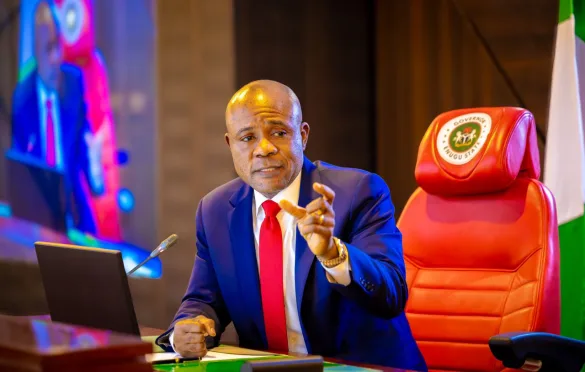
    Governor of Enugu State, Dr. Peter Mbah, has inaugurated the Management Board for the Protection of State-owned Social Homes, reaffirming his government’s commitment to caring for the vulnerable in the state.

    The Board, which has the First Lady of the state, Mrs. Nkechinyere Mbah, as the Chairman, and Prof. Christian Anieke, a Reverend Father, as the co-Chairman, equally has Rev. Canon Chibuike Okolo as the Vice Chairman, while the Commissioner for Children, Gender Affairs, and Social Development, Mrs. Ngozi Enih represents the Ministry.

    Other members of the Board are Rev. Sr. Mary Gloria Iloka, Rev. Sr. Veritas Onyemelukwe, Pastor Elias Anyigbo, Mrs. Anna Igbokwe, and Barr. Chidinma Egeonu, while Barr. Uzoama Okeji is the Executive Secretary of the Board.

    Inaugurating the Board at the Government House, Enugu, Governor Mbah said, “Recall that even when we expressed a huge growth projection, we immediately added that we were going to also eradicate poverty, which means that we are always interested in our common humanity. We know that as a people, we are only as good as our weakest link.

    “So, we cannot leave the vulnerable in our society out or behind. What we have pledged is an inclusive prosperity, inclusive economic growth and that growth and prosperity should be measured on how we treat those very vulnerable ones in our society. That is why I am so excited that we have the sort of resources, a pool of people with great reputation, experience, and work ethics to serve on this Board.”

    The governor assured that the government would make available to them all that is needed to turn the state’s social protection homes around.

    “We are committed to making sure that we provide you with all the tools and funds you require to ensure that our people in these social homes live in comfort and dignity,” emphasised.

    Also speaking, the wife of the governor, enjoined members of the new Board to hit the ground running, ensuring transparency in the discharge of the Board’s responsibilities.

    “I urge you all to be diligent, fair and transparent in discharging your duties. Discharge those duties in compliance with the law and take good care of our children,” she stated.

    Meanwhile, Governor Mbah has also granted clemency to eleven inmates of Correctional Centres in Enugu State, a step towards decongesting the correctional facilities and giving the beneficiaries another opportunity to live a better life as members of the society.

    The beneficiaries of the clemency as conveyed to the state’s Attorney-General and Commissioner for Justice, Dr. Kingsley Udeh, by the Chief of Staff to the Governor, Barr. Victor Udeh, are Ugochukwu Oma, Onah Nnamdi, Chiadikobi Onu, Emmanuel Sambo, Emeka Nyia, and Ngene Oluebube.

    Others are Francis Chinecherem, Eze Chigozie, Anthony Tombari, Francis Chibuzor, and Uzoma Nnaoche.

    The Governor’s decision was in exercise of his Prerogative of Mercy powers under Section 212 of the 1999 Constitution of the Federal Republic of Nigeria (as amended) and in consultation with the Advisory Council on Prerogative of Mercy.

    The decision was also in concordance with reports of proven reform in character, ability to reintegrate with the society having possessed or learnt some productive skills, and following recommendations by the Correctional Services and the Advisory Council on Prerogative of Mercy, chaired by the State Attorney-General and Commissioner for Justice.

    The Advisory Council on Prerogative of Mercy also draws membership from the Nigerian Correctional Service, Carmelite Prisoners Interest Organisation (CAPIO), and the Catholic Institute for Development, Justice and Peace (CIDJAP), among other reputable justice sector institutions.

  • Anambra Guber: Coalition stakeholders adopt ADC’s John Nwosu as candidate

    Anambra Guber: Coalition stakeholders adopt ADC’s John Nwosu as candidate

    The national leadership of the African Democratic Congress (ADC) and leaders of some other political parties under the aegis of Anambra Coalition Stakeholders Forum convened its first strategic meeting in Awka with key stakeholders across the state in attendance.

    The meeting officially adopted the governorship candidate of ADC for the November 8 election, Mr.John Nwosu, as the coalition candidate for the election.

    Nwosu, said the historic gathering marked a significant milestone in the party’s renewed commitment to reposition Nigeria for meaningful governance and the delivery of true dividends of democracy to the citizenry.

    He said: “The coalition meeting was more than just a convergence of political minds; it was a strategic and deliberate response to the growing outcry for accountable leadership, inclusive development, and a governance model that genuinely reflects the will and welfare of the people.

    “At the heart of this new direction is the party’s vision to foster a people-centered democratic culture; one rooted in transparency, equity, economic empowerment, and social justice.

    “With the Anambra State gubernatorial election fast approaching, the ADC coalition is set to take a bold stand, leveraging the political opportunity as a litmus test for its ideological and practical commitment to ending bad governance.

    “Anambra, a state rich in human capital, entrepreneurial spirit, and cultural heritage, has for years yearned for leadership that prioritizes its people over personal or political interests.

    “The ADC-led coalition sees Anambra as the ideal launchpad for a broader national reawakening; a testing ground to prove that governance in Nigeria can be done differently, done better, and done for the people.

    “The coalition aims to disrupt the status quo, dismantle anti-people policies, and demonstrate that good governance is not just possible, but achievable when visionary leadership is combined with grassroots mobilization and coalition strength.

    According to him, the essence of the coalition meeting went beyond electoral strategy, adding that it was rooted in a shared belief that democracy must begin to work for the ordinary citizen, which entails revamping economic policies that had left the masses impoverished, challenging state actors who perpetuate corruption and impunity, and promoting inclusive governance that listens, learns, and leads with the people in mind.

    He said further: “Through the strategic coalition, the ADC is building a platform of unity, resilience, and national purpose, bringing together civil society groups, youth organizations, professional bodies, community leaders, and political allies who are committed to charting a new democratic course.

    “The coalition is a clarion call to Nigerians who believe in a better future and are ready to contribute to a transformational political movement.

    “As the political momentum builds towards the Anambra election, the ADC is positioning itself not just as a contender for office, but as a catalyst for a democratic rebirth.

    “The coalition’s activities will focus on grassroots engagement, policy articulation, and strategic alliance-building that can challenge entrenched interests and inspire a new wave of political participation across the state and the nation.” Vanguard

  • AKWETE: The Thread of Heritage

    AKWETE: The Thread of Heritage

    AKWETE: The Thread of Heritage

    …A Story of Craft, Culture, and Contemporary Elegance from Abia State, Nigeria

    By Chidinma Prisca Elebe

    Akwete fabric is an iconic, beautifully, hand-woven textile named after the town of Akwete in Ukwa East Local Government Area of Abia State, Nigeria. Originally, it was made using raffia fibers only before evolving to incorporate the use of cotton, wool, rayon and silk threads which results in a textile that is durable, rich in texture, and vibrant.

    It is traditionally woven using vertical or horizontal looms on a shuttle. Compared to mass-produced printed fabrics like Ankara, Akwete is woven one thread at a time, resulting in a durable, richly textured, and deeply symbolic cloth that often tells a story.

    Akwete is not just a fabric. It is heritage in threads woven with meaning, adorned with identity, and passed through generations. Unlike many other traditional crafts, Akwete weaving has always historically been dominated by women. This textile is gaining ground online through Nigerian fashion designers, cultural entrepreneurs, and textile exporters but Akwete has been in existence since the 14th or 15th century and has since been passed down through generations of Ngwa women which is sustained through oral traditions and mother-to-daughter apprenticeship, making Akwete weaving not just a craft, but a rite of passage and a vital part of economic empowerment for women.

    Akwete was originally created for chiefs, warriors, and royalty. As a matrilineal skill, weaving empowers women economically and socially within their communities. At its peak, Akwete cloth was so valuable that neighboring traders and raiders sought it as a prized item for exchange and gifting, making it a valuable item for trade and cultural diplomacy.

    UNIQUE FEATURES OF AKWETE

    Geometric and symbolic motifs (each bearing cultural meaning)

    Bold, bright colors – deep reds, greens, blues, yellows, and ivory

    Reversible quality – both sides of the fabric can be worn

    Textured strength – similar to Yoruba Aso-Oke in feel, but distinctly Igbo in design

    Handmade uniqueness – no two pieces are exactly alike

    SYMBOLISM & CULTURAL SIGNIFICANCE

    Each Akwete fabric is a personal canvas of the weaver, with designs often improvised or passed down through lineage. Akwete is more than fashion—it’s a visual language.

    Patterns may represent:

    Leopard’s Paw – leadership, power

    Water Waves – peace, continuity, wealth

    Rope Motif – unity, community

    Nsibidi Script ✍ – symbolic writing of the pre-colonial Igbo elite

    Through these motifs, Akwete fabric becomes a woven archive of Igbo history and philosophy.

    USAGE

    • Traditional Usage

    Akwete plays a central role in Igbo cultural life; it can be used during:

    Chieftaincy title taking: Often draped over leaders and elders

    Traditional weddings: Worn by mothers of the bride or cultural dancers

    Funerals and ancestral rites: A sign of respect and status

    Festivals: Featured during New Yam festivals, Ofala, and other Igbo events

    Church and community gatherings: Especially by women’s groups

    It is also used to wrap sacred items, cover altars, and decorate shrines or thrones in traditional institutions.

    • Modern Usage & Global Fashion

    Today, Akwete fabric is making waves in:

    High fashion: Emmy Kasbit and other designers have featured Akwete in Paris and Lagos Fashion Weeks

    Ready-to-wear: Blazers, jumpsuits, kaftans, bags, and even sneakers

    Interior design: Used as upholstery, cushion covers, and decor

    Afro-diaspora styling: Popular among Black communities in the U.S., UK, and Caribbean.

    AVAILABILITY TO THE PUBLIC

    Akwete fabric is accessible and procurable today through local markets (in Akwete town, Aba, Enugu, Umuahia); women’s cooperatives and cultural centers in Abia; online vendors and fashion designers on Instagram, Etsy, or Nigerian e-commerce platforms; cultural fairs; trade shows; and fashion expos.

    Prices vary by size and length of the cloth, thread type used (cotton vs. silk or metallic thread), complexity and number of motifs.

    CHALLENGES & PRESERVATION NEEDS

    Despite its beauty and heritage, Akwete weaving faces serious barrage of challenges such as:

    Aging population of weavers – fewer young people are learning the craft

    Lack of modern weaving tools – looms are still basic and labor-intensive

    Cheap imported textiles – mass-produced prints overshadow handmade fabrics

    Minimal government support – no significant subsidy or promotion at national level

    OPPORTUNITIES FOR REVIVAL

    Akwete has the potential to be a national and international textile icon. Here’s how:

    Fashion schools should incorporate Akwete into their design curriculum

    Apprenticeship and mentorship programs to train the next generation

    Collaborations between local weavers and fashion houses

    Export programs targeting the African diaspora and global art lovers

    Digital promotion through storytelling, influencer marketing, and documentaries

    Akwete is not just a cloth, it is a cultural statement woven in color, strength, and memory that reflects the dignity of Igbo womanhood, the skill of indigenous craftsmanship, and the timelessness of African identity, which should be preserved, worn, promoted and passed down to generations unborn.

    “In every thread of Akwete, there’s a grandmother’s lesson, a community’s pride, and a legacy of craftsmanship.”

  • Why Nigeria Is Always Economically Behind

    Why Nigeria Is Always Economically Behind

    By Dr. Samson Abanni

    Let me tell you a story from the long ago—around 1400—when the world’s most advanced technology wasn’t smartphones or artificial intelligence, but something far simpler: turning raw wool into finished cloth. This was the quantum science of its day.

    England was the world’s largest producer of raw wool, but not a single person in all of England had mastered transforming that wool into the fine textiles that commanded premium prices across Europe. Just like modern African countries that export cocoa beans, coffee, and crude oil, England was trapped as a raw material supplier while other nations captured the lion’s share of value.

    The English king decided enough was enough. He crafted an irresistible immigration package: tax breaks, free land, guaranteed markets, and citizenship to any skilled textile worker willing to relocate and teach their craft to English apprentices.

    The strategy worked. Skilled artisans from Flanders, Italy, and other textile centers packed their tools and headed to England. Within a generation, English workshops were humming, local workers had mastered the technology, and the domestic market was flourishing.
    Phase two was even more audacious. Once local production could meet domestic demand, they banned raw wool exports and prohibited imports of finished woolen goods. European competitors, suddenly cut off from their primary raw material source, found themselves forced to import expensive finished products from England—the very country they had previously supplied. This single strategic shift helped launch England toward economic dominance.

    I shared this hoping you would ask, why can’t we copy this playbook ?

    The answer isn’t corruption—though that certainly a good part—but something far more structural and sinister.

    THE TAX COLLECTION TRAP

    Poor countries struggle desperately to collect taxes. Our tax collection system is rudimentary, our property and citizens registration system is poor. Just imagine tax collectors going door-to-door in your neighborhood—we’d have more murders than revenue! This forces African governments to rely on the easiest taxes to collect: tariffs and excise duties at ports and airports. Unless the goods you’re importing are spiritual, you can’t avoid these taxes. Last year, half of our government revenue came from excise duties—that’s too high by global standards. Even if our personal income tax is lower we will get much more revenue from there , if we can just find a way to collect it from the millions in the informal sector.

    A small increase in tariffs could substantially boost government income while encouraging local production. But here’s the catch: one of the key conditions attached to IMF and World Bank loans is that borrowing countries cannot raise tariffs.

    Let’s use the Cocoa industry as a poster child.

    Last year, Nigeria made about N2 trillion from selling raw cocoa beans. But countries that export raw cocoa capture only 10% of the final value. The remaining 90% goes to those who add value — processing, manufacturing, branding, and marketing. If we processed our own cocoa, that N2 trillion could become N20 trillion or more.
    When you export raw cocoa to Europe, it enters duty-free. But if you dare to add even the smallest bit of value—grinding those beans into powder—Europe slaps a 7% tariff on your product. Process it further into chocolate? Forget it. This isn’t accidental; it’s designed to force producer countries to only sell raw materials.

    Meanwhile, Mars chocolate alone earned $50 billion in 2024. That’s more than the GDP of many African nations, built largely on cocoa beans purchased at artificially suppressed prices from African farmers.

    THE INTELLECTUAL PROPERTY PRISON

    Try to make chocolate in Africa for export to Europe and you’ll discover a maze of “health and safety standards” designed more to exclude us, and the intellectual property needed for advanced manufacturing is locked away in Western patents.

    England mastered woolen goods by learning from Flemish artisans. They later “stole” printing technology from India and tea cultivation from China. The United States built its textile industry by stealing spinning tec from England. Taiwan’s semiconductor industry began with technology “acquired” from IBM.

    If we were free to tinker, a firm in Nigeria can try to modify OpeanAi models for example, and sell it here, so that the subscription I pay monthly to the US would stay here in our economy to create jobs. It’s through it that England mastered wollen goods, stole printing of colour tech from India and tea production from China.

    The US stole IP of cotton spinning tech from England. Taiwan stole ICs tech from IBM etc. In their days these were cutting edge tech. This was stopped when the World Trade Organization (WTO) was born. You cannot learn these very advanced stuffs without stealing some part, you just can’t. This is why China is still doing so today. Anybody who is anybody today stole this way, Japan inclusive.

    THE WTO PARADOX

    The WTO was supposedly created to encourage free trade and level the playing field between nations. In reality, its structure systematically favors already-developed economies. The rules only appear neutral on paper.

    Advanced goods that African countries import are priced astronomically high, allowing developed nations to exchange a few manufactured products for vast quantities of our raw materials, which are artificially priced low through market manipulation. Meanwhile, Western governments provide subsidies to their citizens, making these expensive goods affordable domestically while maintaining high export prices.

    When African governments want to borrow money to make the infrastructure investments necessary for development, IMF loans come with caps on the budget deficits countries can operate but the US can borrow as they like. This effectively prevents the kind of massive public investment that every developed nation used during their industrialization phase.

    THE GOLDEN WINDOW THAT CLOSED

    Our best chance was probably between 1960 and 1990 — a period in world history when any country with a well-intentioned government could realistically break free from underdevelopment, regardless of their starting point. Many economists argue this was because the economic competition between the United States and the Soviet Union made both superpowers generous with development aid and technical assistance as they competed for influence.

    Once the USSR collapsed and was dismantled, the world became fundamentally different. The incentive for the West to help other nations develop diminished. Countries that escaped poverty—Singapore, Taiwan, South Korea, Japan—all made their breakthroughs during this golden window.

    Meanwhile, we were exchanging military coups like playing cards, with leaders competing to see who could cart the most wealth abroad. And unfortunately, this mentality hasn’t fundamentally changed.

    THE PATH FORWARD

    The situation is more challenging now. But not impossible. It would require sacrifices and strategic thinking on a scale that we, as a people, have historically been reluctant to make.
    It would require governments willing to risk aid cuts and loan restrictions to protect domestic industries. It would require citizens willing to pay higher prices for locally-made goods during the transition period. It would require leaders who think in decades rather than election cycles.

    Most critically, it would require recognizing that the current global economic system isn’t a natural phenomenon—it’s carefully designed to perpetuate existing hierarchies.

    The question is whether we can find our own path in a much more constrained world, knowing that every step forward will be met with resistance from those who benefit from the current system.

    The technology that could transform Africa exists. The resources certainly exist. What’s missing is the collective will to pay the price of economic sovereignty—a price that, ironically, gets higher with each passing year of inaction.

    Abanni is a Medical Doctor and Member of the Board of Editors of Pacesetter Frontier Magazine.

  • JUST-IN: Igwesi Emerges Deputy Commandant General of Nigerian Legion

    JUST-IN: Igwesi Emerges Deputy Commandant General of Nigerian Legion

    Isa Umar, Abuja

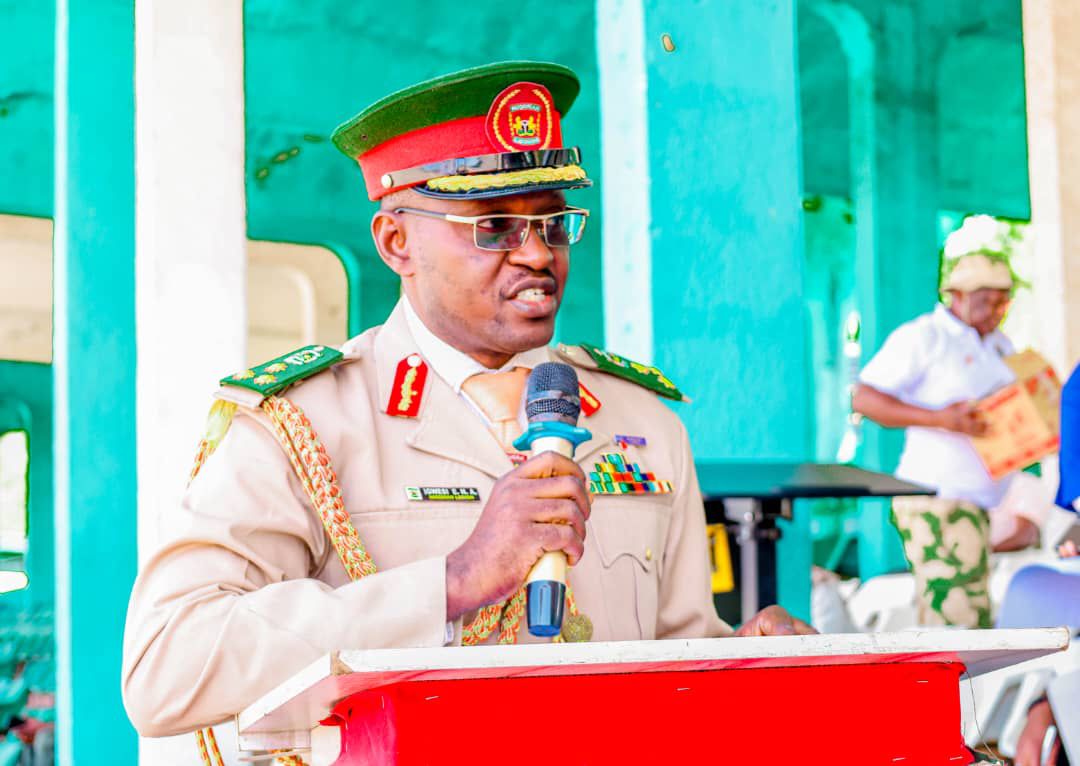
    The Enugu State Chairman/Commandant of the Nigerian Legion, Assistant Commandant General, Dr. Emeka Igwesi, has just been promoted to Deputy Commandant General (DCG) in the Nigerian Legion.

    Igwesi’s appointment as the only Deputy Commandant General of the Nigerian Legion was made during the 2025 National Council meeting of the veteran body held between 18th–20th June, 2025 in Abuja.

    PACESETTER gathered that Igwesi has also been assigned to head the Nigerian Legion Corps of Commissionaires in the country as the National Cordinating Commandant.

    The new Deputy Commandant General, Dr. Emeka Igwesi, is to take over from the outgoing Deputy Commandant General, Brig. Gen. Buba David Shaljaba (rtd).

    Until his appointment, Igwesi, who is a retired military personnel (Army) is the Enugu State Chairman/Commandant of the Nigerian Legion, and has been involved in radical reformation and strengthening of the body in the state, ensuring that the welfare of retired military officers was a priority for his administration and sanitizing its Corps of Commissionaires.

    In the same vein, the President of the Federal Republic, President Bola Ahmed Tinubu, has appointed MS Grace Morenike Henry as the new National Chairman/Commandant General of the Nigerian Legion.

    The appointment of MS Grace Morenike Henry was contained in a letter from the State House, Abuja, and signed by the Private Secretary to the President, Damilotun Aderemi, in a letter referenced PRES/81/SGF/209/1788/I/MOSD/7, dated June 19, 2025. It was simultaneously directed to the Secretary to the Government of the Federation and the Honourable Minister of State for Defence.

    Her appointment came in the wake of a fresh appointment of the substantive Commandant General/National Chairman of the Legion, Maj. Gen. Abdulmalik Jibrin (rtd) as the head of the Civil Defence, Correctional, Fire and Immigration Services Board (CDCFIB) by Mr. President.

  • Earthquake hits Iran as Israeli air strikes continue

    Earthquake hits Iran as Israeli air strikes continue

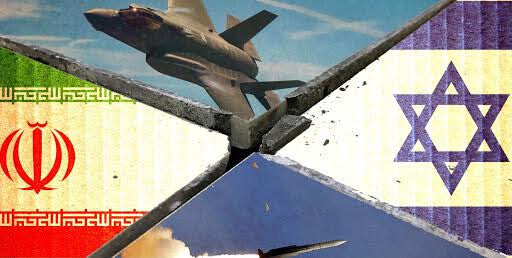
    A 5.1-magnitude earthquake struck northern Iran on Friday, while Israeli air strikes continued to hit the country. However, the local authorities said there were no casualties and only minor damage.

    The official news agency IRNA reported no casualties and only “minimal damage”.

    According to the USGS, the quake struck at a depth of 10 kilometres (six miles), some 37 kilometres (23 miles) southwest of the city of Semnan.

    State television reported the earthquake as measuring 5.5 and said it “shook the area around the city of Sorkheh in Semnan province”.

    The tremor was also felt in the capital, Tehran, about 150 kilometres (90 miles) from Sorkheh.

  • Enugu LG Chairman Receives WHO Award

    Enugu LG Chairman Receives WHO Award

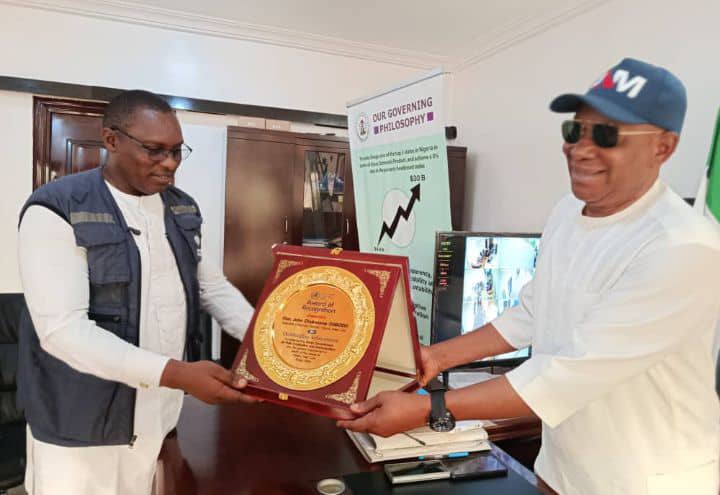
    The Chairman of Nkanu West Local Government Area of Enugu state, Hon. John Chukwuma Ogbodo, has received the prestigious World Health Organization (WHO) Award in recognition of his exceptional contributions to healthcare development in the state.

    The representative of WHO, Dr. Chukwumuanya Igboekwu and the Southeast zonal coordinator presented the award to the chairman at the Nkanu West council headquarters on Friday, June 20, 2025.

    Igboekwu remarked that the activities of the council chairman with regards to his health friendliness, financial support and participation in all state and WHO programmes had earned him the recognition.

    He stated that WHO had been following the activities of the Executive Chairman with regards to various health programmes both at the state level and WHO health programmes. He charged the Chairman to see the award as an encouragement that will spur him to doing more for the health sector and humanity.

    Responding, Hon. John Ogbodo appreciated WHO representatives for finding him worthy of such a meritorious award. He promised to do more as his administration prioritizes health.

    The council boss of Nkanu West also used the opportunity to commend Governor Peter Mbah for creating an enabling environment for health and for the construction of an international 300-bed hospital, 260 Type 2 Primary Healthcare Centers across the state, saying that the governor has carried out several health intervention programmes.

    Other members of WHO team present at the occasion were, Dr Adaeze Ugwu WHO Enugu State Coordinator; Dr Ikechukwu Chidolue WHO Enugu State IDSR Technical Assistant and some local government functionaries.

  • Glitz, Glamour, as Encomiums Flow at U.S.A Igwesi’s Birthday

    Glitz, Glamour, as Encomiums Flow at U.S.A Igwesi’s Birthday

    Doris Ewoh, Enugu

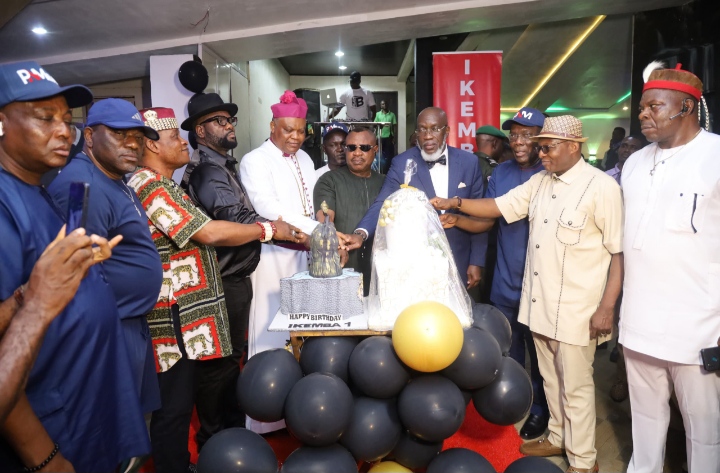
    Renowned politician and former House of Representatives member representing Nkanu West and East Federal Constituency, Rt. Honourable U.S.A. Igwesi, was drenched in praises, commendations, and tributes as he celebrated his birthday in a graceful manner.

    The birthday party, which was put up by the group, Ikemba Friends Association (Inc.) to celebrate her founder, held on June 18, 2025 in Enugu State. It was a beehive of activities, as dignitaries from different parts of the social spectrum gathered to honor the man regarded as a political game changer in Enugu, the one who saw tomorrow.

    The event kicked off with an exchange of pleasantries by the celebrant and some of his guests, revealing a lot about his personality.

    In his speech, the Peoples Democratic Party, (PDP) stalwart, Igwesi acknowledged God as the giver of life and all that he owns.

    “I’m grateful to God Almighty, who kept me alive and still provides for me even when I am not worth it as a being.

    “His grace, mercies, and blessings did the magic for me. I owe every aspect of my life to him, because he lives above men.”

    Speaking about his political career, he said, “As a young man. I realized my mission. As Nostradamus, I saw tomorrow with the help of God. I have always aligned with the right political group that provided succor to the people of Enugu State and beyond.

    “Even when the coast was not clear, I knew the right political step at all times. It is a divine gift, not by power.”

    He further revealed that he was committed to living and standing for people at all times.

    “Human development and capacity building are my topmost priority. When people are happy, I am happy. This is a transient world, and the earlier we realize that, the better for us as human beings”.

    Leading the tributes, a former Enugu State governorship candidate of the Labour Party, and now a Chieftain of the Peoples Democratic Party, PDP, Barr. Chijioke Edeoga, described the celebrant as a man of many good qualities.

    “He is a courageous man, he is eloquent, he’s charismatic, he’s focused, he’s hardworking, and he has a heart of gold.”

    He disclosed that they had known each other since 1990, growing up together in the political environment of Enugu State.

    Edeoga noted that he wishes him long life, good health, and peace that passeth all understanding.

    “Let him continue to do the kind of things he likes to do; he likes to be involved in politics, he likes to bring people together to achieve, so, I want him to continue to achieve, bring people together, and be himself,” he stated.

    Acknowledging his political journey, Chief Nwabueze Nnamani, a former council chairman of Nkanu West Local Government, stated, “He’s the man of the people, a man of the grassroots, a great mobilizer; you can also call him a one-man riot squad.

    “There’s what we call in Igbo ‘Okaa oburu uzo,’ and that’s what he is. A political juggernaut and the Ajadi Igbo of Enugu politics.”

    He recalled that when U.S.A Igwesi was in the National Assembly, his voice was being heard everywhere, and he wasn’t one to be put in the pocket. He also added that during the last election, he was part of those who saw to the success of Gov. Peter Mbah’s victory in becoming the governor of Enugu State.

    “We still need him. I wish him long life and also prosperity, because when someone is living long and he doesn’t have what he will use to sustain that life, life becomes meaningless,” Nnamani added.

    Guests at the event included the Secretary to Enugu State Government, Professor Chidiebere Onyia; the representative of the Enugu State Attorney General and Commissioner for Justice; Former Labour Party Governorship candidate of Enugu State, Barr. Chijioke Edeoga; State PDP Chairman, Dr. Martins Chukwunweike; Assistant Commissioner of Police, State CID Enugu, Mrs Hope Isiani; Commander Anti Kidnapping Enugu, Supol. Chuks Odum; Executive Chairman of Nkanu West, Hon. John Ogbodo and his Ezeagu and Enugu South counterparts, Hon. Dr. Vita Ndu and Hon. Caleb Ani.

    Others were a former PDP guber aspirant in Enugu, Hon. Nwabueze Ugwu; the Special Adviser to the Governor of Enugu State on Political matters, Chief Frank Anioma; Special Adviser to the Governor of Enugu State on Legislative matters, Hon. Paul Nnajiofor; The Bishop of Awgu/Aninri Arch Diocese Bishop Benson Chukwuwike; Chairman, Nkanu West Traditional Rulers, HRH Eze Barr. Igwesi Obi Igwesi; a patron of the Enugu State Traditional Rulers Council, HRH Igwe Greg Ugwu; the Rector, IMT, Prof. Gozie Ogbodo; and members of the clergy.

    Former Commissioner for Labour and Productivity, Hon. Obinna Oriaku; Former Commissioner for Special Duties, Mr Mbeke; Former State Chairman of PDP Anambra State and Former Njikoka LGA High Chief, Chief Cosmas Agagbo; Former Chairman of Nkanu West, Barr. Ray Nnaji; Former Executive Chairman of Uzo-Uwani Local Government, Hon. Cornell Chijioke Onwubuya; Former Executive Chairman of Nkanu West Local Government Area, Chief Sir Nwabueze Nnamani; Former Permanent Secretary, Dr. Chris Mba, Prof. Chinwuba Owoh, the Deputy Chairman of Nkanu West, Engr. Friday Nnam, Secretary of Nkanu West, Prince Onochie Jon-Igwesi, former members of the Enugu State House of Assembly, were also present, among others.

  • Elite War Renewed

    Elite War Renewed

    -By Abdul Mahmud

    The war among Nigeria’s political elite has been renewed. It is not a war for ideas, nor one fought over the soul of our country. Rather, it is a petty battle over ego, and personalised struggle for who becomes the capo di tutti capi- the boss of bosses – of the State. It is also about control of access, of appointments, and the primitive accumulation and the appropriation of state resources, as it is about enthroning political narratives. As old alliances crumble and new rivalries emerge, what becomes clear is that our most powerful politicians are less interested in governance and more interested in the politics of dominance.

    This war is not new. It has been fought before. Repeatedly. And among the same political class that switches parties with ease, trades insults with flair, and builds loyalty around personalities rather than principles. What is new, however, is the sheer frequency of the war and the utter contempt they now display for even the pretence of ideological disagreement.

    Take Nyesom Wike and Rotimi Amaechi. Former friends and allies. Both from the same Ikwerre ethnic stock. Their villages, only separated by the brackish ponds that dot the landscape. They have become each other’s fiercest adversaries. Their dispute is now the stuff of public spectacle. What started as a political disagreement has festered into a deeply personal war. They call each other names in the press. They challenge each other’s legacies. They deploy proxies in the media and in government. Yet, behind the noise lies a more sobering reality: this fight is not about the people of Rivers State. It is not about policy. It is about power. It is about who controls the political structure of the state, who gets to anoint successors, and who determines “who gets what, when and how”, to quote the eminent scholar, Harold Lasswell, who framed politics as some primitive accumulation many aeons ago. A few weeks ago, the Wike-Amaechi feud resurfaced in the media. Unlike 2017, when their convoys clashed on the streets of Port Harcourt, this time the battle was fought with words, not fists. No bullets. Just barbs. It began with Amaechi’s declaration: “We’re all hungry. All of us. If you’re not hungry, I am.” Wike fired back. He accused Amaechi of mocking the sufferings of Nigerians. “He never spoke of hunger while he was minister. Two years after leaving the office, he suddenly discovers it. That’s not a concern. That’s hunger for power”. Then came the sting: “You’re insulting Nigerians by trivialising poverty. The only hunger you feel is from being out of power.” Amaechi’s reply was curt: “I don’t want to join issues with children”. In a theatrical twist, Wike took to the streets of Abuja, flanked by schoolchildren who cheered his public works- mocking, perhaps, the maturity of his rival, Amaechi. The Wike-Amaechi war exemplifies how elite disagreements in our country are rarely about governance. They are about the erosion of trust among powerful individuals who once traded favours, shared secrets, and benefitted from a common network. When those relationships sour, they do not simply walk away, they destroy each other in the open, using the levers of government and the media as weapons. Nonetheless, this must be said: there are no victors in this warfare, only theatrical performers draped in borrowed comical robes, stumbling through farce like Clarus and Gringory of yesteryear. Their antics, though staged with the pomp of statesmen, draw laughter laced with pity. For while they clown, the public bears the quiet shame of being forced to watch, knowing the jest is at their own expense.

    A similar war broke out in Edo State a few years ago. Adams Oshiomhole and Godwin Obaseki were once political allies. Oshiomhole handpicked Obaseki as his successor, branding him a technocrat who could consolidate the achievements of his administration. But within one term, their relationship deteriorated. Obaseki began to assert independence. Oshiomhole, accustomed to loyalty, felt betrayed. The fallout culminated in a fierce political battle in 2020 that saw Obaseki defect from the All Progressives Congress (APC) to the Peoples Democratic Party (PDP), securing a second term against his former benefactor’s wishes.  Last year, their hostilities were renewed. The two men backed opposing candidates for the 2024 Edo governorship election. Their political machinery, once united, operated as different war theatres, with a verbal arsenal deployed without caution. As usual, there were little public discourses about what these candidates stood for. The election, like the war between Oshiomhole and Obaseki, became a proxy battle over egos and retribution, not vision or policy.

    Even in Lagos, the epicentre of elite political engineering, cracks have shown up themselves. At the recent commissioning of the Lagos-Calabar coastal highway, President Bola Tinubu, the dominant political godfather of Lagos, snubbed his longtime ally and protégé, Governor Babajide Sanwo-Olu. What might have appeared to the casual observer as a momentary oversight was, to insiders, a clear signal that the relationship between godfather and godson had gone south. Sanwo-Olu extended his hand; Tinubu ignored it. In our country’s politics, these gestures are never accidental. They are loaded with meaning. It was a cold public humiliation disguised as protocol. The reasons for the cold remain the subject of intense speculation. Some say it’s about Tinubu’s future political calculations. Others hint at unresolved tensions over the management and deployment of power. Whatever the reason, it underscores a pattern: political relationships in our country are rarely stable. They are transactional, conditional, and expendable. Only a few days ago, newspapers reported that Tinubu had forgiven Sanwo-olu for his sins. What were his sins in the first place? Nobody knows.

    They are not alone in this theatre of elite war. I invite the reader to turn their gaze to Benue State, where Senator George Akume and Governor Hyacinth Alia are entrenched in a slow-burning war of attrition. Each maneuvering for dominance over the soul of the state. To the south, in Akwa Ibom, the echoes of past battles between Udom Emmanuel and Godswill Akpabio still linger. The current governor, Umo Eno, finds himself delicately poised between these two warring combatants. In a bid to survive the infernal tides, he has publicly aligned with the ruling party at the centre, while seeking sanctuary from political crossfires and shielding himself from the sharp edge of internal vendettas. And in Delta State, a cold war simmers just beneath the surface. There, former Governor Ifeanyi Okowa, incumbent Sheriff Oborevwori, and political godfather James Ibori circle each other in a triangular standoff. The smiles are strained, the handshakes stiff. Hostilities remain veiled for now. But like the harmattan bushfires, all it takes is a single spark.

    These elite wars come at a steep cost. Governance is abandoned or hijacked. Institutions become politicised. Political parties become war camps. State resources are diverted to settle loyalists or fund propaganda. Worse, the people are dragged into disputes they barely understand. They are recruited as foot soldiers in wars that are never about them in the first place. But, at the heart of these elite war is the fundamental problem: the absence of ideological core to the politics of our country’s political elite. Unlike countries where political parties reflect social or economic philosophies, our country’s political parties are mere platforms for personal ambitions. They are vehicles for power, not values. Politicians decamp from one party to another not because of policy disagreements, but because their interests are no longer served where they are. This ideological emptiness is why elite war so often turns violent, personal, and protracted. There is no higher cause to appeal to. No shared philosophy to fall back on. Once trust breaks down, all that remains is the raw, naked struggle for power. The elite war is also sustained by the absence of consequences. In countries with strong institutions, political disagreements are managed through the formal mechanisms of debates and caucuses. In our country where state institutions are weak and compromised, the institutions are thrust into the heart of the war. The elite manipulate them at will, so when they fall out, there are no impartial referees but only loyal judges, partisan security agencies, and pliant lawmakers that play the roles of the palace jesters, group thinkers and echo chambers’ inhabitants.

    The media are not spared. Far from standing above the fray as impartial observers, many have been drawn into the swirl of the elite war. Rather than offering sober analysis and critical scrutiny, they are conscripted as foot soldiers in the war of powerful men. Journalists become partisans, trading objectivity for allegiance. Editorials, once sacred spaces of reasoned reflections, are auctioned to the highest bidder. The press, meant to be the fourth estate in a democracy, becomes the bugle in the battlefield of ambition, echoing the voices of its paymasters. In the process, public trust withers. Journalism, whose noble duty is to shine light on power, becomes not only compromised, co-opted, and complicit; but a shadow of itself.

    The political, governance and public arenas become chaotic and lawless.

    What, then, is the way forward?

    Our country needs a new elite consensus. A shift to issue-based politics. A commitment to governance that outlives personal loyalty. This cannot happen overnight, but it must begin. The country is in crisis on multiple fronts- economic collapse, insecurity, unemployment, mass migration. These problems require political maturity, not endless elite wars. More importantly, our citizens must also resist being drawn into elite wars. They must ask harder questions. Whose interest does the wars serve? What values are at stake? What does this mean for service delivery? They must stop romanticising political gladiators and combatants of needless wars. The tendency to see powerful men as saviours, even after repeated betrayal, emboldens the culture of impunity. Politicians must be judged by what they deliver, not whom they fight.

    Ultimately, elite wars are not harmless rivalries. They deepen polarisation. They stall progress. They distract from urgent reforms. They are the symptoms of a broken political culture that prioritises loyalty over legacy, revenge over reconciliation. The renewed war among our country’s elite is not just a political drama. It is a warning sign. A sign that our democracy remains fragile. That the politics of the strongman still prevails. That until values replace vengeance at the centre of our political life, our country will continue to be governed not by principles, but by grudges.

    Those who still have ears, hear. And let them not only hear, but understand. For in the rising din of political vanity and elite wars, truth speaks in whispers. Wisdom calls from the margins. The times are urgent, the stakes high. Silence is no longer innocence. In a country where power drowns out reason, and noises pass for leadership, discernment becomes a civic duty. Let the discerning rise above the clatter, and let our citizens remember: the future belongs not to those who shout the loudest, but to those who listen, truly listen to the heartbeats of our country in distress.

    Those who have ears, hear! Now.