Tag: #PacesetterFrontier

  • NUJ President Named as Co-chairman for Frontier Discourse Public Lecture 

    NUJ President Named as Co-chairman for Frontier Discourse Public Lecture 

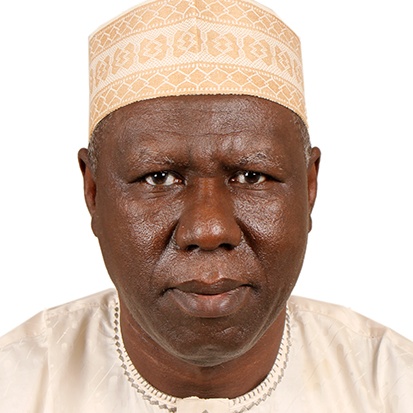
    The President of the Nigerian Union of Journalists, Comrade Alhassan Yahaya, will Co-chair the 5th Frontier Discourse Annual Public Lecture and Awards organized by Pacesetter Frontier Magazine.

    Themed “Politics of Convergence and Collisions: Navigating Power Struggles in Shaping Democracy”, this year’s edition will gather thought leaders, policymakers, development advocates, and industry captains for a stimulating national dialogue.

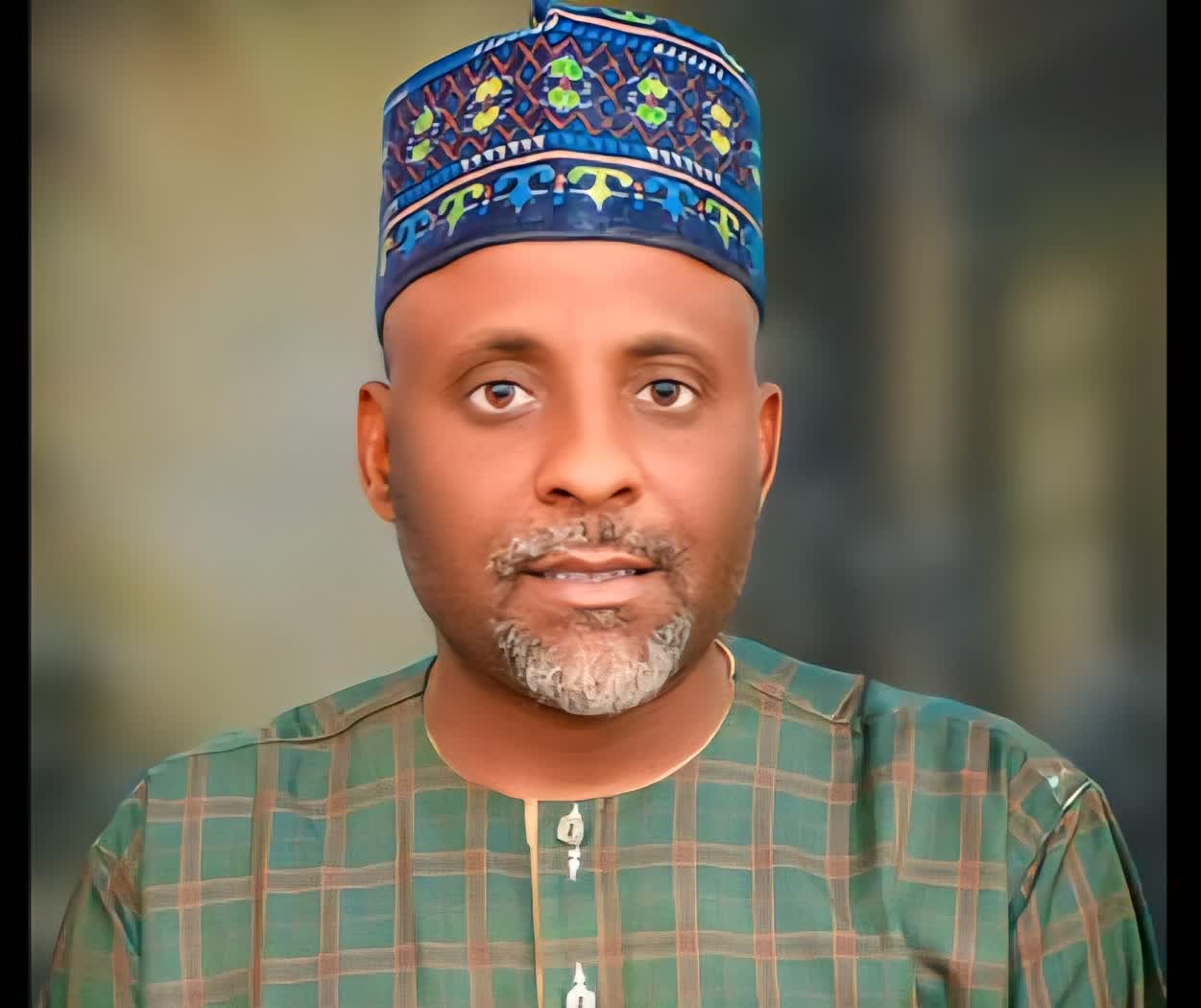
    Keynote speakers are Prof. Udenta O. Udenta, Founding National Secretary of the Alliance for Democracy (AD), and Dr. Ahmad Sajoh, former Adamawa State Commissioner for Information and Executive Director of the FutureNow Initiative.

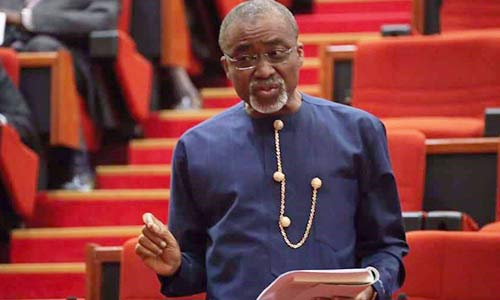
    While Sen. Eyinnaya Abaribe will serve as Chairman, panelists include former Vice Presidential Spokesman, Laolu Akande, OON; Activist, Aisha Yesufu; Senior Special Assistant to Nigeria’s President on Foreign Affairs and Protocol, Ademola Oshodi; and Fiery Catholic Priest, Rev. Fr. John Chinenye Oluoma (Fada Oluoma).

    The event is slated for Tuesday, November 11, 2025, at the Nigerian National Merit Award House (Merit House), Maitama, Abuja, with Red Carpet at 10:30 a.m. and Main Event from 11:30 a.m. to 3:00 p.m.

    Broadcast journalist Ruth Obozeghie will anchor the event, which will be streamed live across social media platforms. Partners include Human Development Center, Horizontal City Property Developers, LEAD Network Africa, One Stewart Ventures, AnchorNews Media, and Otu Oka Iwu.

    Seat reservations are available here.

  • Sen. Abaribe to Headline 5th Frontier Discourse Public Lecture and Awards as Chairman

    Sen. Abaribe to Headline 5th Frontier Discourse Public Lecture and Awards as Chairman

    Sen. Abaribe to Headline 5th Frontier Discourse Public Lecture and Awards as Chairman

    The Senator representing Abia South Senatorial District, Sen. Eyinnaya Abaribe, has been named the Chairman of the 5th Frontier Discourse Annual Public Lecture Series and Awards, an initiative of Pacesetter Frontier Magazine.

    The 5th Edition of the initiative, with the theme “Politics of Convergence and Collisions: Navigating Power Struggles in Shaping Democracy”, promises an engaging and star-studded gathering of thought leaders, policymakers, development advocates, captains of industry, among others, as delegates.

    Keynote speakers include Prof. Udenta O. Udenta, Founding National Secretary of the Alliance for Democracy (AD), and Dr. Ahmad Sajoh, former Adamawa State Commissioner for Information and Executive Director of the FutureNow Initiative.

    Former Vice presidential spokesman, Laolu Akande, OON; Activist, Aisha Yesufu; and Senior Special Assistant to Nigeria’s President on Foreign Affairs and Protocol, Ademola Oshodi; are part of the panelists.

    Event Details

    Date: Tuesday, November 11, 2025

    Venue: Nigerian National Merit Award House (Merit House), Maitama, Abuja

    Time: 10:30AM (Red Carpet); 11:30AM – 3PM (Main Event)

    The event will be anchored by Broadcaster, Ruth Obozeghie and live streamed across social media platforms. Partners include Human Development Center, Horizontal City Property Developers, LEAD Network Africa, One Stewart Ventures, AnchorNews Media, and Otu Oka Iwu.

    Seat reservations can be made here

  • The Pearl I Knew – A Tribute By M.O Ene

    The Pearl I Knew – A Tribute By M.O Ene

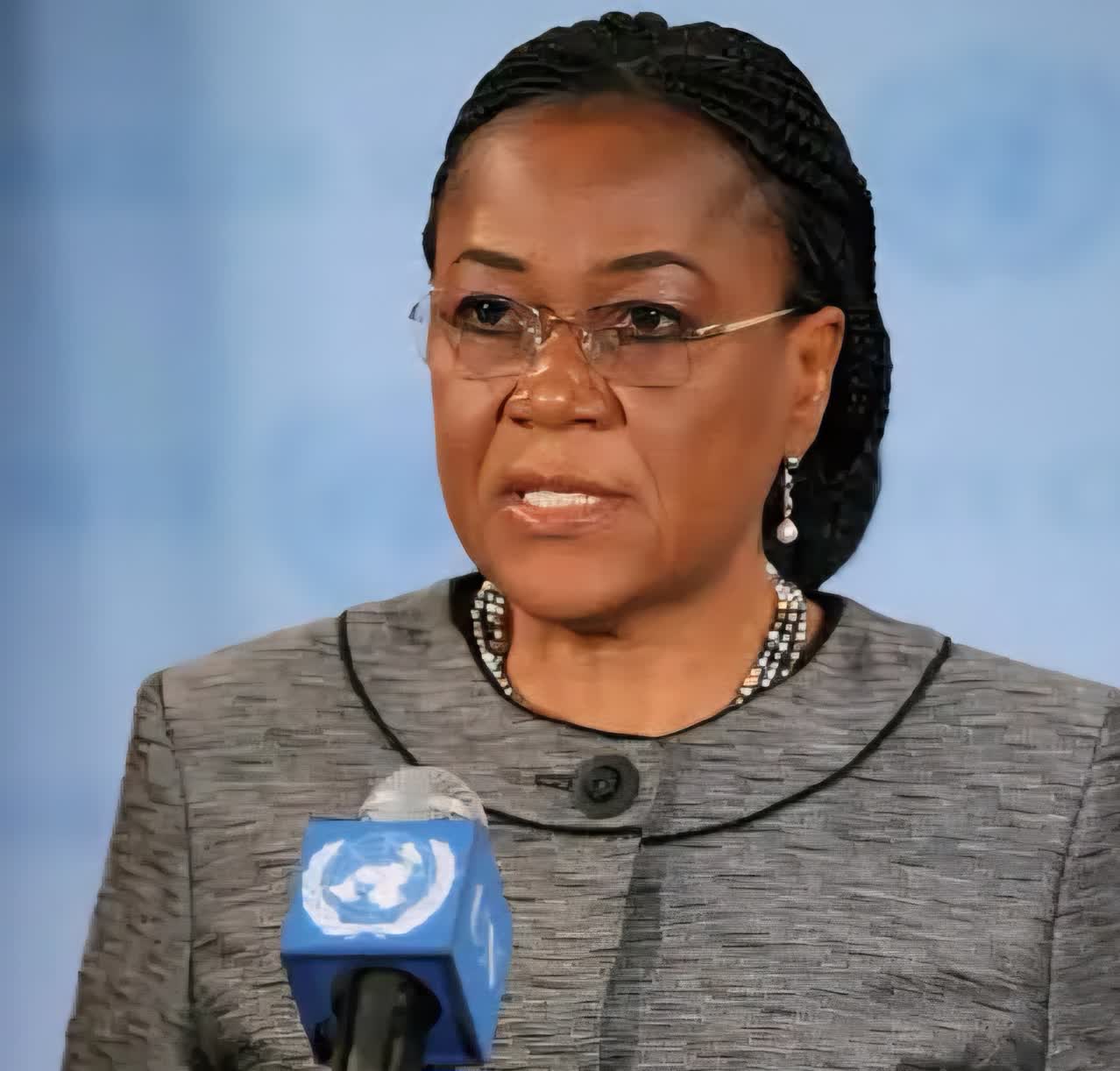
    Humanity lost a treasure. She was a distinguished diplomat, a prima inter pares, and an international intellectual. From being the first female DG of Nigerian Institute of International Affairs (NIIA), the first female minister of external affairs, and the first female Nigerian permanent representative to the UN, she rose to preside over the UN Security Council—another first for a classy lady. She capped it with the presidency of the UN Women.

    Professor Joy Ogwu was the pride of Nigeria at the UN. A beauty-full and brilliant dame, she rose to incomparable heights in international relations. It will take generations to see her kind again.

    Our paths crossed in Abuja. We attended the 2005 Commonwealth conference on women participation in politics. Organized by Elsie Onubogu of the Commonwealth Office in London, UK, it featured prominent politicians, government officials—home and abroad, academicians, and NGO executives.

    I recall her smiling through my post-presentation sidebar with Sarah Jibrin, first female presidential primary candidate. Her presence was moderating and motivating without her saying much to counter my criticisms of women politicians blaming their male counterparts more than mobilizing and sensitizing voters—mostly women.

    When she came over to the USA, our paths crossed again. She lived in Purchase, NY. We once visited the official residence in Tarrytown. With an amazing view of now Mario Cuomo Bridge (then Tappan Zee) over River Hudson, the property was in a bad state. I had been there a couple of times for official receptions when Professor Ibrahim Gambari lived there. We talked about turning the multimillion-dollar estate into a profitable Nigerian cultural center.

    She also visited me at the campus in New Jersey. She was no stranger: She attended Rutgers, the state university. She had lived down the road in The Oranges. We met at other special events in the UN and the Nigerian House, or at events of such mutual friends as Oseloka Obaze, a UN diplomat. She always exuded the elegance of an eminent envoy. When my wife and I had twins, Joy shared in our joy and surprised us with a visit from across the miles.

    A devout Catholic, she will be missed not only by her family and friends but also in the world of international relations, where her graceful presence, experience, and expertise brought new vistas to global diplomacy.

    Life is an accumulation of momentary memories. How long they last depends on how merry—or monstrous—the memories are and on how they impacted those with whom we interacted. Joy Ogwu left many merry memories.

    I don’t know how the federal government will honor her—an Abuja street, NIIA building, etc. Delta State government should consider naming, minimally, a school of diplomacy in an Anịọma-Delta university after this wonderful woman of style and substance. Future generations should know about the uncommon life of Her Excellency, Professor Uche Joy Angela Ogwu, PhD.

    May her spirit come our way again.

    M.O. Ene, PhD
    New Jersey, USA
    Friday, October 17, 2025

  • Mbah’s Defection to APC Strategic for Enugu, South East – USA Igwesi

    Mbah’s Defection to APC Strategic for Enugu, South East – USA Igwesi

    Former House of Representatives member, USA Igwesi, has described Governor Peter Mbah’s defection to the All Progressives Congress (APC) as a bold and strategic move for the people of Enugu State and the South East region.

    Speaking with journalists in Enugu, Igwesi said Mbah’s decision to move with the entire Peoples Democratic Party (PDP) structure was “timely and visionary,” reconnecting the Coal City State to the nation’s political mainstream after years in opposition.

    “Governor Mbah is smart and strategic. He knows what and when to act. Everyone who followed events in the PDP knows he had had enough of the shenanigans in that party. The PDP is irredeemable, and its crises are self-inflicted. Enugu people are happy with his decision,” he stated.

    Igwesi, a former Majority Leader of the Enugu State House of Assembly, said the governor’s alignment with the Federal Government would accelerate development across the state. “With Enugu and Abuja now under the same party, Mbah’s mission to reposition the state is fully assured,” he said.

    He noted that the massive turnout during Mbah’s defection reflected genuine grassroots support. “The holistic political shift from PDP to APC will reinforce the governor’s visionary infrastructural revolution,” he added.

    According to him, Governor Mbah will be remembered for reconnecting Enugu to the national political grid after years of isolation.

    Igwesi lamented that despite the South East’s decades-long loyalty to the PDP, the zone gained little in return. He argued that Mbah’s switch to the APC serves the region’s strategic interests.

    “The move is significant because it aligns Enugu and, by extension, the South East with the political mainstream. It makes no sense for Enugu, the capital of the region, to remain in opposition,” he said.

    Igwesi further praised Mbah’s leadership record, noting that his defection would give fresh impetus to the state’s infrastructural transformation.

    “Governor Mbah’s defection will strengthen Enugu’s ties with the Federal Government and help the entire South East benefit from President Bola Tinubu’s Renewed Hope Agenda,” he said.

  • Journalist and Ex Vice-Presidential Spokesman, Laolu Akande; Activist, Aisha Yesufu, Named as Panelists at 5th Frontier Discourse Public Lecture and Awards

    Journalist and Ex Vice-Presidential Spokesman, Laolu Akande; Activist, Aisha Yesufu, Named as Panelists at 5th Frontier Discourse Public Lecture and Awards

    Journalist and Former Senior Special Assistant on Media & Publicity to the President, Office of the Vice President, Laolu Akande, OON; and Activist and Fiery Advocate for Good Governance, Aisha Yesufu, have been named as panelists at the 5th edition of the Frontier Discourse Annual Public Lecture Series and Awards holding in Abuja.

    The lecture which has as its theme – “Politics of Convergence and Collisions; Navigating Power Struggles in Shaping Democracy” is promising to be a personality studded lecture and awards.

    Organised annually by Pacesetter Frontier Magazine, Frontier Discourse serves as a platform to bridge the communication gap between African leaders and citizens, promote dialogue between the public and private sectors, review key policy issues, and recognize individuals driving Africa’s progress.

    Recall that Prof. Udenta O. Udenta, Founding National Secretary of the Alliance for Democracy (AD) & Director General of the African Writers Institute, Abuja; and Dr. Ahmad Sajoh, Former Commissioner for Information, Adamawa State & Executive Director, FutureNow Initiative, will both speak at the lecture.

    The event will begin with a red carpet at 10:30AM, followed by the main session from 11:30AM to 4PM, and will be streamed live across social media platforms.

    Event partners include Human Development Center, Horizontal City Property Developers, LEAD Network Africa, One Stewart Ventures, AnchorNews Media and Otu Oka Iwu.

    Seat reservations can be made here

    About Laolu Akande

    Laolu Akande is a highly accomplished communication expert with over 30 years of experience in journalism, media, and public relations. As a tested official spokesperson with extensive experience managing high-profile communication projects, Akande has built a reputation for clarity, confidence, and successful outcomes.

    He has worked with and for international organisations, and government agencies, navigating complex communication environments and delivering key messages with precision and efficiency.

    His expertise in crisis communication has yielded successful resolutions to sensitive issues and mitigated reputational risks.

    Laolu Akande, a holder of the Nigerian national honours-Officer of the Order of the Niger, OON is currently the Editor in Chief of Empowered Newswire, an international news agency based in New York USA.

    He had recently between 2015 and 2023 served as Senior Special Assistant on Media & Publicity to the President, Office of the Vice President in Abuja, Nigeria.

    Previously, Akande was one of the longest serving African correspondents at the United Nations, and the only Nigerian journalist so far to have interviewed a sitting American President in the White House when he interviewed former President George W. Bush in 2003.

    As an international journalist, Akande has covered the White House and the United Nations for several years.

    He has also exclusively interviewed American Folk Hero, Colin L. Powell and former American President, Donald Trump, as well as several African leaders and Presidents.

    Akande started his journalism career as a Reporter in 1989 writing for The Guardian titles in Nigeria and later moved over to the founding team of The News Magazine in 1993, where he became that magazine’s Senior Writer.

    In 1995 he joined Nigerian Tribune first as Special Projects Editor and later became the Editor of Tribune on Saturday in 1997, before he relocated to the US in 1998.

    His wide working experience includes a stint as a part time lecturer at the State University of New York Stonybrook University.

    About Aisha Yesufu

    Aisha Yesufu is an Active Nigerian Citizen and entrepreneur who tirelessly advocates for good governance, accountability, and transparency. With unwavering dedication, she champions the cause of justice and equity, unapologetically speaking out against injustices and promoting civic engagement.

    She is a Co-convener of the #BringBackOurGirls  movement, which brought global attention to the 2014 abduction of 276 schoolgirls by Boko Haram in Chibok, Nigeria

    Aisha Yesufu played a key role in the 2020 #EndSars protests against police brutality, using her voice to push for police reforms and government accountability, earning her the nickname “Statue of Liberty” for her courageous stance

    She was named one of BBC 100 Women 2020 a list of 100 inspiring and influential women from around the world for 2020.

    Aisha Yesufu is a recipient of the prestigious Reagan Fascell Fellowship and Draper Hills Fellowship. Through her activism, entrepreneurship, and public speaking engagements, Aisha Yesufu continues to inspire and influence positive change in Nigeria and beyond.

  • Nigerians and the Affliction of Stardom

    Nigerians and the Affliction of Stardom

    -By Abdul Mahmud

    There is a strange affliction that festers in our land. It is the compulsive habit of adorning the ordinary with grandiose labels, of dressing the barely local in the borrowed robes of the global and international. Here, words are stardust sprinkled on names, banners, and signboards to confer false importance. The humblest of ventures is elevated, not by substance, but by description. This obsession is more than a quirk of language; it is a symptom of a deeper malaise: the insecurity of a country and its people uncertain of their own worth. Instead of nurturing what is authentically ours, we mask our limitations with inflated adjectives, as though the mere invocation of international and the global will transform our realities. In doing so, we cheapen language and deceive ourselves, while the world looks on, unconvinced.

    Drive through any Nigerian city and you will see it. A third-rate hotel perched on a dusty street in the backyard of a city declaring itself “international”. Never mind the broken tiles, the rattling ceiling fan, and the tasteless menu. What matters is the word “international” nailed to its signpost. It is the magic word that makes mediocrity pass for ambition. Even small village schools, with wooden benches and overworked teachers that struggle to provide basic teaching aids proudly carry the tag of “international”, “global”. Parents are seduced by both words. They assume their children will step into a universe of excellence, when in truth the schools struggle to afford chalks and exercise books. The word international becomes the uniform of deception. Hotels and schools aren’t alone in this. Churches, too, have turned to the trick. A small church ordinary parish with a leaking roof now brands itself “Global Fire Ministry”. The congregation believes the church has cross-border tentacles, even if the General Overseer has not stepped outside the neighbourhood. He believes the name confers spiritual weight. What is lacking in discipline and doctrine is compensated for with vocabulary.

    Governments have not been spared. In fact, they lead the parade. A state government announces a “global summit” in a backward European city with no strong connection to Europe’s commercial and investment market. The stage is set. The banners are printed. The governor flies out with aides. There is a retinue of photographers. And what do we find? A handful of young diaspora Nigerians in autumn jackets, attending for the thrill of proximity. They are not investors. They are not entrepreneurs of global repute. They are mostly immigrants struggling through day jobs, suddenly transformed into delegates. This is the tragedy of Edo State. The governor, who has for long disappeared from the serious business of governance in the Dennis Osadebay House, resurfaced in Dublin to stage what was called the “Global Edo State Investment Summit”. But, there was nothing global about it. It was a local show staged abroad. The audience was thin. The impact was thinner. The word “global’ was the disguise.

    Why does this happen? Why does every local activity crave the stamp of international? The answer is simple. We live in a country where names are more powerful than standards. Where labels count for more than substance. In such a place, the quickest way to escape scrutiny is to adopt foreign symbols. Words like “global, international, world-class” are deployed as camouflages. They mask the poverty of service and the absence of quality. It is also a symptom of inferiority. We are not content with our own names, our own standards, our own worth. We feel validated only when we attach the foreign. A hotel that calls itself “Afemai Hotel” feels local, and therefore cheap. But, call it “Afemai International Suites” and it sounds grand. We are trapped by our own insecurities. We measure worth by appearance, not performance. This culture of false ascription is dangerous. It dilutes standards. It creates a society of pretence. Investors are not fooled by banners. Parents are not forever deceived by names. Worshippers soon discover that miracles do not multiply with adjectives. And citizens, sooner or later, realise that their governors cannot deliver development by flying abroad to stage hollow events.

    Edo is not alone. Other states have staged “global summits” in London, Washington, New York, or Dubai. The results are always the same. They return home with glossy photographs, with Communiques drafted by consultants, with videos uploaded on government websites. But the schools remain broken. The hospitals remain empty of drugs. The roads remain cratered. What was gained in the trip? Nothing but another false ascription.

    So, we must ask ourselves, what is wrong with the local? Why must the local be dressed in borrowed robes before it is accepted? True development begins with an embrace of the local. Japan did not rise by calling its factories “international”. South Korea did not transform itself by organising “global summits”. They built from within. They named their products with pride. They competed on quality, not adjectives. Nigeria and Nigerians must learn this lesson. They must begin to value authenticity over ascription. Schools must be proud to be called Community Primary Schools if that is what they are. The true measure of their worth is not the “international” in their names, but the quality of teaching. Hotels must be content to be called City Lodges if that is what they offer. The true measure is whether their guests return satisfied. Churches must not proclaim themselves “global” before they become faithful to their missions. The true measure is the depths of the doctrines and the character of the flocks. Governors, above all, must resist the temptation of linguistic cosmetics. The people are not hungry for “global summits”. They are hungry for jobs, for safety, for hospitals that function, for schools that teach. The word “global” on a banner in Dublin does not fill an empty stomach in Benin City. It does not heal the sick in Auchi. It does not light the street in Uromi. It is vanity dressed as vision.

    There is dignity in the local. There is worth in what we build with our own hands, with honesty, with competence. When we pursue excellence, the world will notice. We will not need to shout international. We will not need to add global. The substance will advertise itself. Investors will come because they see opportunity, not because a governor staged a summit abroad. Parents will enrol children in schools because they see quality teaching, not because the school borrowed a foreign label. We deceive ourselves with these false ascriptions. Worse, we waste scarce resources. Every “global summit” costs millions of naira. Flights, hotels, allowances, banners, media coverage. All spent for a show that yields little. What if those funds were spent at home? What if the millions went into equipping schools, rebuilding hospitals, supporting small businesses? That would be development. That would be governance. That would be global in the true sense: creating value that speaks across borders.

    The time has come to strip our language of these pretensions. Let us call things what they are. Let us demand quality, not adjectives. A country that is serious cannot afford the delusion of ascription. We must be content to be local, but excellent. We must summon the courage to be Nigerian, authentically so, but with competence as our guiding star. True greatness will not come from borrowed titles or inflated claims; it will come from the quiet labour of building institutions that work, nurturing excellence where we stand, and trusting the worth of our own creations.

    It is in the depth of our local strength that we shall, one day, speak with a global voice. Not through the false banners we hang upon our failures, but through the substance of what we can offer the world. Until then, every “international’ hotel planted on a dusty street, every “global” academy tucked into a backyard, every “global summit” staged abroad will remain what it truly is: a masquerade of words, a costume draped over mediocrity.

    The mask of deception is as troubling as the hollow absence of standards that exposes our pretensions and ridicules our borrowed grandeur. The more we hide behind empty banners and labels, the louder the laughter of mediocrity rings against our claims. To rise above this, we must choose authenticity over adornment, competence over slogans. Only then will the Nigerian story shed the garb of mimicry and assume the dignity of originality by transforming words into substance and pretence into mastery.

  • JUST-IN: Dr. Ahmad Sajoh to Deliver Address at 5th Frontier Discourse Lecture and Awards in Abuja

    JUST-IN: Dr. Ahmad Sajoh to Deliver Address at 5th Frontier Discourse Lecture and Awards in Abuja

    Pacesetter Frontier Magazine has announced Dr. Ahmad Sajoh as the second speaker at the upcoming 5th Frontier Discourse Annual Public Lecture Series and Awards scheduled for Tuesday, November 11, 2025, at the Nigerian National Merit Award House (Merit House), Maitama, Abuja.

    According to a statement by the organizers, Dr. Sajoh will bring a unique and insightful perspective to this year’s theme.

    Launched in 2021, Frontier Discourse serves as a platform to bridge the communication gap between African leaders and citizens, promote dialogue between the public and private sectors, review key policy issues, and recognize individuals driving Africa’s progress.

    The event will begin with a red carpet at 10:30 AM, followed by the main session at 11:30 AM, and will be streamed live across social media platforms.

    Event partners include Human Development Center, Horizontal City Property Developers, LEAD Network Africa, One Stewart Ventures, and AnchorNews.

    Seat reservations can be made via https://forms.gle/C6Rtpjv5gQUBm31T9.

    Dr. Ahmad Ibrahim Sajoh is an activist, journalist, public relations professional, administrator, and respected public affairs analyst. Born on June 20, 1960, in Gella, Mubi South Local Government Area of Adamawa State, he holds a Ph.D. in Communications and has built a career spanning television, print media, academia, gender activism, and public service.

    He has served as Press Secretary at Government House, Yola, Commissioner for Information and Strategy, and a Board Member of the Nigerian Broadcasting Commission (NBC). Currently, he leads the FutureNow Initiative, an Abuja-based NGO focused on youth empowerment and civic responsibility.

    A Fellow of the Nigerian Institute of Public Relations (NIPR) and the Certified Institute of Educational Practitioners (UK), Dr. Sajoh is also a member of the Association of Communication Scholars and Practitioners of Nigeria (ACSPN).

    He holds a Certificate of Recognition from Kansas University and is an honorary citizen of Kansas City, USA.

    Over the years, he has coordinated major conferences and public events, including the Beijing Plus 5 Nigeria Cohort, the African First Ladies Peace Mission Conference, and the Lake Chad Basin Security Conference in Cameroon.

    A prolific writer and commentator, Dr. Sajoh is married to Fatima Ahmad Sajoh, and they are blessed with four children.

  • [WATCH] Business Leaders Gather At 4th Amadeo Business Summit To Tackle “Thriving In Times Like These”

    Doris Ewoh, Enugu

    Business leaders, entrepreneurs, stakeholders, and industry experts have gathered at the Amadeo Business Summit 4.0, convened by Dr. Ugochukwu Chime, to explore the theme “Thriving in Times Like These” with discussions centered on succeeding in uncertain times.

    The five-day summit, taking place at the Amadeo Event Centre, Enugu, kicked off on Monday, October 6, 2025, with a Business Class and Art Exhibition celebrating creativity, resilience, and innovation. The exhibition uses art to reflect the summit’s central theme.

    The event continued on Tuesday with the official opening ceremony and key sessions on leadership and governance, aimed at helping businesses navigate and thrive despite current global uncertainties.

    In his welcome address, Dr. Ugochukwu Chime emphasized the relevance of this year’s theme, noting that 2025 has been a particularly challenging year, economically and socially, both nationally and globally, posing difficulties for individuals, families, and organizations alike.

    “This year’s theme, ‘Thriving in Times Like These,’ aims to examine the forces shaping today’s tough operating environment. Our goal is to equip businesses, policymakers, executives, and young people with the mindset and tools needed to overcome challenges and seize emerging opportunities,” Dr. Chime stated.

    Delivering the speech of the Executive Governor of Enugu State, Professor Chidiebere Onyia, the Secretary to the State Government, highlighted how the summit’s theme aligns with the transformative journey of the state under the leadership of Governor Peter Mbah.

    Prof. Onyia noted that the Enugu State Government is intentionally creating an enabling ecosystem, one that is transparent, technology-driven, and globally competitive, to support business growth. He encouraged investors and entrepreneurs to see Enugu as open for business.

    Dr. Ike Chioke, of Afrinvest West Africa, in his keynote speech, described the theme as timely, especially as the global economy remains unsettled. He emphasized the importance of repositioning businesses for resilience, diversifying product offerings, and embracing digital transformation, saying:

    “There’s no business today that doesn’t require technology.”

    He also encouraged young people to seize opportunities in Enugu by identifying and solving real-world problems:

    “Enugu is changing. The governor is moving fast, and it’s up to the citizens to take advantage of times like this and start businesses that will thrive.”

    During the panel session, Dr. Sam Ogbu-Nwobodo, Enugu State Commissioner for Trade and Investment, discussed the state’s shift toward institution-based systems over personality-based ones. He highlighted the e-commerce system recently introduced, which reduces paperwork and secures data.

    On taxation, Dr. Ogbu-Nwobodo clarified:

    “There haven’t been any new taxes introduced by this government. What we’ve done is streamline the process and make the collection system more efficient and inclusive. No country can operate without revenue.

    The government is also working on making the tax system more efficient, predictable, and ensuring the revenue is used to serve the people.”

    Dr. Emerie Agunwa, MD of H.G & W Consulting, spoke on the importance of leveraging technology in building a thriving society. “Technology is an amplifier and a leveler,” he said.

    He also emphasized the need to elevate education beyond schooling and to initiate conversations that go beyond interest points, highlighting these as essential pillars for economic excellence in today’s world.

    Participants also shared their reflections on the event:

    “This is my first time here, and it was a well-organized program and a thrilling experience for me,” said Dinma Okafor.

    Mr. Chinedu Madu, CEO of Airbridge Travel and Tour, stated: “The message from the Amadeo Summit today is to think outside the box, look for ideas, just like what’s happening in Enugu with the governor, then explore and try.”

    “My takeaway is building resilience, not just in systems, but in yourself, so that you can lead others to excel in what they do,” said Justin Ekwueme.

    Other highlights of the event included the unveiling of the WATO Foundation by Professor Chinedu Nebo, former Minister of Power, and the induction of new Amadeo Fellows.

  • For Sommie and For Our Country

    For Sommie and For Our Country

    -By Abdul Mahmud

    I did not know Somnachukwu Maduagwu. I never met her in the studios of Arise Television in Abuja, where I have gone many times for interviews. But her death touched me deeply. She was young. She was bright. She was a lawyer. She was a news anchor. She was her parents’ pride. Now she is gone. She died in the hands of armed robbers. Another life wasted in a country that treats life as disposable. Another dream crushed before it could take flight. Another family left to grieve in public. Her parents did not deserve to hear of their daughter’s death as a breaking news item. No parent deserves that. I am a parent. I have a daughter of Somnachukwu’s generation, only a few years younger. Like her, she worked hard to be called to the Bar. I look at her and I imagine what Somnachukwu’s parents now feel. I imagine the grief, the confusion, the anger. To lose a daughter that way is to lose the future. To bury a child is to bury hope. Nothing can console her parents. Nothing can restore what was taken.

    Somnachukwu was my colleague at the Bar. Her career was just beginning. She had walked the long road of law school, survived the interviews and the newsroom, built a place for herself in a country where young people are made to struggle for everything. And then she was cut down. Just like that. No warning. No second chance. This is not just about her. It is about our country. A country where lives are lost daily to the carelessness of leaders and the boldness of criminals. A country where public safety has collapsed. A country where families are broken by grief too often and too easily. The Constitution is clear. Section 14 says the security and welfare of the people shall be the primary purpose of government. That is not decoration. It is duty. It is the first obligation of any state. Without safety, there is no life. Without life, there is no country. Nigeria has failed in that duty. We are not safe anymore. Not in our homes. Not in the streets. Not on the highways. Not in the markets. Not on the farms. Not in our schools. Not in our places of worship. Not even in the studios of television stations where journalists come and go. We live in fear. And fear is now the air we breathe. Armed robbers shoot at will. Bandits operate unchecked. Kidnappers turn highways into hunting grounds. Terrorists bomb villages. Ritual killers prey on the vulnerable. Every week brings new names, new faces, new tears. Somnachukwu is one of many. This country eats its young.

    What country eats its young? What country allows its brightest to die so cheaply? What country leaves its children unprotected while the old feast on privileges and power?

    The answer is Nigeria. The human cost is unbearable. Behind every headline is a family broken forever. Behind every statistic is a mother who will never hear her child’s voice again. Behind every killing is a father who has lost the reason to live. Behind every abduction is a household plunged into debt and despair. We must not forget that these are people. Sons. Daughters. Brothers. Sisters. Dreams. Futures. Somnachukwu’s parents will never forget. They will grow old with her picture on their walls. They will remember her voice on television. They will remember the day she wore her wig and gown at the call to Bar. They will think of the grandchildren who will never be born. They will live with the emptiness that Nigeria gave them. That is the price of insecurity.

    How did we get here?

    Our policing system is broken. We have too few police officers for a country this large. The ones we have are badly trained, poorly paid, and ill equipped. Half of them are guarding politicians, businessmen, and their families. The rest are left to improvise with worn-out vehicles and ancient rifles. Criminals know this. Citizens know this. That is why nobody trusts the police. That is why people feel abandoned. So, every killing is proof of neglect. Every robbery is proof of state failure. Every kidnapping is proof that our rulers have priorities other than us. Billions are allocated for security every year. Yet the killings continue. Where does the money go? Who accounts for it? Who takes responsibility? Nobody. The result is fear everywhere. We fear the night. We fear the fork of the road. We fear the knock at the gate. We fear the silence of government. We fear because we know the police will not come. We fear because we know even when criminals are caught, justice will not follow. We fear because we know it could be us tomorrow. This is not how a country should be. Citizens should not live this way. Parents should not bury children like this. Dreams should not be extinguished on the highway. Talent should not be wasted in gunfire.

    We must say this clearly. Enough. Nigeria must choose life. We must reform the police. We must insist that community policing is not a slogan but a system that protects. We must insist that governors take real responsibility for the safety of their states. We must insist that politicians cannot keep police officers as personal guards while citizens die in the streets. We must insist that every naira budgeted for security is used for security. We must insist that justice is not selective. This is what it means to honour Somnachukwu. Not just with words, but with action. If her death passes without consequence, then we have failed her. If her parents’ grief becomes another headline that fades, then we are guilty of indifference. If her name is forgotten, then we too are lost. Her story should not end with silence. Her story should make us angry. It should make us demand more. It should make us ask why young people must die for nothing. It should make us confront the truth: Nigeria has become a country that eats its young. But it does not have to stay that way. We can build a country that values life. We can build a country that protects children and gives parents peace of mind. We can build a country where the brightest are allowed to shine, not to bleed on the roadside.

    For Sommie. For her grieving parents. For my daughter. For yours. For every child of this land. May her memory live as an unanswered question to a country that devours its young. How many more must fall before Nigeria admits its guilt? How many more must die before the state understands that its silence is complicity, and its failure is blood on its hands? The truth is simple. A country that cannot protect its children has already written its own obituary. Nigeria is walking that path. Every unpunished killing deepens the grave. Every unresolved murder is a pointer to another death, if not more deaths. Every life wasted by neglect widens the gulf between government and governed. Every parent burying a child is a monument to national shame. We must face it squarely. There are no more excuses. There are no more evasions. The time to act is not tomorrow but today. Leaders who fail to secure lives must be held accountable. Budgets that vanish without protecting anyone must be traced. Security that serves the few at the expense of the many must be broken and rebuilt. We cannot continue to weep and move on. If we fail, then Somnachukwu’s death will be one more in an endless list, and our lament will be wasted breath. But if we rise to demand safety, justice, and reform, then her memory will not be in vain. Her voice will still speak. Her promise will still live. And her loss will mark the point where a broken country finally said: no more.


  • Steamed Greens – By Chef Enna

    Steamed Greens – By Chef Enna

    If someone had told me as a child that I’d grow up loving leafy vegetables, I wouldn’t have believed it. Back then, eating vegetables felt like a chore, something we were forced to do. My siblings and I dreaded mealtime whenever vegetables were involved. But our mum didn’t spare us; nearly every meal had leafy vegetables in it. (I plan to do the same to my kids, lol.)

    The only vegetable-rich meal I actually enjoyed was vegetable soup. I loved it and looked forward to it every time, though sadly, my mum didn’t make it often. Beyond eating them, I also disliked picking the vegetables, removing them from the stalk and cutting them. As I grew older, I was expected to help out with these tasks. Even now, as much as I love cooking, picking and cutting leafy vegetables is something I find tiring. What makes it even more frustrating is that you can have a big bowl of cut vegetables, but once cooked, it reduces drastically. Luckily, picking and cutting vegetables can be done in the market now.

    Nigeria is rich in a variety of leafy vegetables like oha, bitter leaves, scent leaves (nchanwu), utazi, uziza, ugu (pumpkin leaves), water leaves, and “greens,” just to name a few. Each has a unique flavor and is used in specific dishes. For instance, bitter leaf is essential in preparing the popular Eastern dish, onugbu soup, you simply can’t make it without it.

    Today’s spotlight is on a leafy vegetable popularly called “green.” For a long time, I thought it was spinach, but its biological name is Amaranthus hybridus, commonly referred to as green amaranth or African spinach. Though it looks similar to spinach, it’s not quite the same. When green isn’t available, spinach is often used as a substitute. It also differs from ugu (pumpkin leaves), which are darker and broader. Green, on the other hand, is slimmer and a lighter shade.

    Growing up, we were told green was rich in iron, and now I know it truly is. It’s high in fiber, aids digestion, and helps prevent constipation. It’s also packed with essential vitamins and minerals. With all that in mind, let’s talk about preparing steamed greens, a simple yet delicious dish I always enjoy.

    Ingredients:

    ● Green leaves (as much as desired)

    ● Smoked Titus fish

    ● Lots of onions

    ● Fresh pepper

    ● Garlic and ginger

    ● Seasoning cubes

    ● Curry powder

    ● Groundnut oil

    Preparation:

    1. Prep the ingredients:

    ● Pick the green leaves from the stalk, wash thoroughly, and chop finely.

    ● Peel, rinse, and slice some onions.

    ● Blend fresh pepper, onions, garlic, and ginger into a paste.

    ● Debone the smoked fish and break it into chunks.

    2. Cook the base:

    ● Heat groundnut oil in a pot.

    ● Add curry powder and sliced onions, and stir.

    ● Add the blended pepper mixture and stir-fry for a few minutes.

    ● Season with seasoning cubes (add a little extra, since the vegetables will balance it out).

    3. Add the greens and fish:

    ● Put in the finely cut greens and chunks of smoked fish.

    ● Cover and allow it to cook on low to medium heat. There’s no need to add water; the greens release moisture as they cook.

    ● Once the vegetables have shrunk by half in the pot, stir and taste. Adjust seasoning if needed.

    Food is ready and can be served as a side dish with porridges, stew, etc. It can also be served as a main dish with boiled rice, boiled/fried potatoes, yam, etc. I enjoy this meal so much and do not hesitate to cook it when I crave it. I hope you try it and enjoy it as much as I do.

    Feel free to send your feedback or questions via email at enaamobi98@gmail.com or on Instagram at @thecravefactory.ng.

    Warm regards,

    Chef Enna

  • How To Be A Calm Parent In A Loud World

    How To Be A Calm Parent In A Loud World

    By Doris Chisom Ewoh 

    The notifications never stop. The laundry piles up. The toddler is screaming again about the wrong color cup. The world feels loud, fast, and relentless. And in the middle of all that chaos, we’re expected to remain calm, present, and intentional as parents. But how?

    This piece isn’t just about being calm; it’s about finding steadiness when everything around you feels overwhelming. It’s unrealistic to believe that you’ll never lose your cool as a parent.

    However, what truly makes a difference is choosing to respond rather than react. That intentional response sets the emotional tone in your home and lays the foundation for emotional stability in your children.

    There are countless sources of pressure: the influence of peer pressure on your children, the weight of wanting to raise them perfectly, and the guilt that creeps in when you feel like you’re not doing enough.

    In the middle of all this, your children are looking to you. They’re learning how to navigate their emotions by watching how you navigate yours. When you’re burned out, pressured, or angry, they don’t just see it, they absorb it.

    We live in a world saturated with noise, not just in sound, but in demands, expectations, and information overload.

    From social media’s endless stream of “hot takes” and idealized parenting posts to constant comparisons about who’s raising the most well-behaved child, the pressure can be intense.

    Add to that the emotional chaos of child meltdowns and the daily unpredictability of home life, and it becomes clear that calm parenting is not something that happens by accident, it must be chosen, and often fought for.

    How you handle and filter the information you consume directly affects your ability to stay grounded. Your children are watching how you let others set the tone for your decisions.

    They notice when you give in to pressure, like choosing to lash out in anger because someone said, “If I were the parent, I’d have flogged him mercilessly” instead of sticking with your usual, more thoughtful approach to discipline.

    Why Calm Matters

    Calm parenting helps regulate your child’s nervous system through what psychologists call co-regulation. It teaches your child how to find steadiness, even in moments of stress.

    Your children observe how you behave when you’re happy, tense, angry, or overwhelmed. And the way you respond in those emotional moments becomes the blueprint for how they will respond to their own emotions.

    If you reflect on your own childhood, how your parents acted when they were angry, stressed, or joyful, you’ll likely notice those same patterns showing up in your adult life. Not because they’re biological traits, but because they were modeled behaviors.

    Emotional stability fosters trust, safety, and deeper communication. And to be a calm parent, you must first cultivate emotional stability in yourself. It allows you to pause when you’re tempted to speak harshly or take an action you might regret.

    “A calm parent becomes an emotional anchor in the stormy sea of childhood”.

    Barriers to Calm

    Of course, staying calm isn’t easy and struggling with it doesn’t make you a bad parent. It simply means you’re human.

    You might be overstressed, sleep-deprived, overwhelmed by unrealistic expectations, weighed down by guilt, or consumed by the pressure to be perfect. But it’s essential to care for yourself.

    Create space to unwind. Give yourself permission to rest. Take a breath before responding. Don’t rush to fix everything in the heat of the moment. Avoid reacting impulsively.

    Reduce the noise from social media, it might be shaping your responses without you even realizing it. Don’t overload yourself with work or household responsibilities. Break things down into manageable parts for yourself and your children. Simplify where you can to avoid burnout.

    “Discipline isn’t about reacting quickly; it’s about correcting thoughtfully. Respond with purpose rather than reacting from frustration”.

    Ask for Support

    Ask for help when you need it. Calm parenting doesn’t mean parenting alone. Make sure you’re building connection with your child before attempting correction. Take time to understand the reasons behind their behavior. Help them understand why something is wrong, and choose a disciplinary method that corrects the behavior without damaging the relationship.

    Being a calm parent doesn’t mean being emotionless or perfect. It means showing up with intention, even when the world is loud, messy, and demanding.

    “You may not be able to quiet the world, but you can create a sense of calm within your home and within yourself”.

    The noise of the world is slowly stealing our calm. If we’re not intentional, we risk raising children who are quick to react rather than slow to respond, children who seek to validate their anger rather than understand it. And in doing so, we might unintentionally raise versions of ourselves that we once struggled to become free from.

    But it doesn’t have to be that way. You have the power to break the cycle. Not by being perfect, but by being intentional, present, and emotionally grounded.


  • Fashion Is Politics In Disguise And Everyone Is Wearing It

    Fashion Is Politics In Disguise And Everyone Is Wearing It

    By Chidinma Prisca Elebe

    Fashion doesn’t need to hold a press conference or pass a law to make a statement. It shows up on the street, in the courtroom, at the protest and it speaks louder than words. Whether it’s a sharp suit or a slogan tee, clothing is never just clothing. It’s a statement, a strategy, or even a rebellion with a zipper.

    THE AISLES OF A POLITICAL CLOSET

    ⮚Costumes of Power and Authority

    What do judges, military generals, and religious leaders have in common? Uniforms! They wear authority. These regalia are not just pieces of clothing; they are symbolic armor, commanding respect and obedience. They are designed to silence you up before you even ask “am I in trouble?”

    Power loves and wears a well put together outfit. From royal robes to bureaucratic blazers, clothes have long been used to command respect, impose hierarchy, and say “I’m in charge” without vocalizing it. Even elected officials wear carefully curated outfits to look just enough to seem trustworthy. When power walks into a room, it’s usually wearing something heavy with history.

    ⮚Protest has a wardrobe

    Power wears uniforms. Protest wears style. It struts, poses, dares and demands to be seen. Moreso, movements like End SARS, End bad governance, and activisms have leveraged fashion through slogan T-shirts or an all-black attire to express dissent.

    In today’s world, a woman refusing to wear a hijab in certain places, or insisting on wearing one in another place makes a statement louder than any chant.

    Sometimes the most radical thing you can do is dress up.

    ⮚Your Body, Their Rules

    The politics of clothing is basically the politics of the body. Who is allowed to show skin? Who is punished for doing so? Who is invisible no matter what they wear?

    Debates around dress codes, particularly for women, are deeply political. Dress codes in schools, workplaces, and parliaments are rarely neutral. Terms like “professional,” “appropriate,” or “decent” often mask broader ideological biases such as sexist, racist, or classist. In these moments, the body is not a canvas but a battleground. The fight is not for fabric, but for autonomy.

    Fashion may express freedom, but dress codes decide who gets to speak.

    ⮚Culture not Costume 

    Culture isn’t just style, it is history, survival and identity that when stripped of context and sold for trend, becomes costume making what was once sacred simply aesthetic and what was once survival, a theme.

    Wearing something from another culture is not automatically wrong but when a designer profits from Indigenous designs without crediting or collaborating with the communities behind them, it becomes exploitation with a price tag not an inspiration or homage. The line between appreciation and appropriation is thin. When culture is shared with consent, credit, and care, it moves from costume to art which shows respectful exchange that empowers and elevates.

    Cultural pieces are not just fashion seen on runways; it transcends to trade policies, labor laws, and environmental practices shaping what we wear and who pays the price. At the same time, designers from the diasporic communities are reclaiming their narratives redefining what “high fashion” looks like on their own terms.

    ⮚Dressing Up, Waking Up

    Every outfit says something. Even “I don’t care” has a look. Apathy has a silhouette and neutrality has a color palette. You don’t need to be rich, famous, or a policy nerd to engage in politics. Just open your closet and you can see for yourself.

    If anyone ever says “fashion isn’t political,” simply ask, “then why has it started revolutions, enforced laws and been regulated by the government?”

    Fashion doesn’t need your vote. It casts its own.

    Epilogue: Wear What You Mean

    Fashion won’t save the world but it reflects and sometimes changes it. All it takes sometimes is a garment worn boldly, subversively, truthfully. One outfit can say: I resist, I reclaim, I belong. In essence, dress like it matters because it does.

    Clothing doesn’t just cover us, it communicates power, revolt, and possibility.