Category: News

This is an optional category description

  • [EXPLAINER] NBA President didn’t brand judges, lawyers ‘worst bribe takers’

    [EXPLAINER] NBA President didn’t brand judges, lawyers ‘worst bribe takers’

    Contrary to reports suggesting that the President of the Nigerian Bar Association (NBA), Mazi Afam Osigwe, SAN, described judges and lawyers as the “worst bribe takers and givers,” a review of the full text of his speech shows that no such assertion was made.

    Excerpts from the address reveal that Osigwe neither labelled judges as the “worst bribe takers” nor lawyers as the “worst bribe givers.” Rather, he delivered a measured, data-driven call for reforms aimed at strengthening the integrity and credibility of Nigeria’s justice system.

    Osigwe spoke on February 6, 2026, on the theme “Judicial Corruption in Nigeria: A Menace to Democracy and Social Justice,” where he addressed corruption as a systemic challenge affecting democratic governance, public confidence and social justice.

    At the outset, the NBA President acknowledged prevailing public perceptions of the justice system, stating that, “Many Nigerians have steadily lost confidence in the judicial system as it has been widely perceived as being riddled with corruption, inconsistency, and undue influence.”

    He noted that this perception has grave consequences, adding that, “The judiciary, which ought to be the last hope of the common person, is increasingly seen as an arena where justice can be delayed, manipulated, or outrightly purchased by the highest bidder.”

    However, Osigwe was careful to explain that corruption is neither peculiar to the judiciary nor the failing of a single professional group. He described corruption as a broader societal malaise, citing international authorities such as the United Nations Convention against Corruption (UNCAC) and the World Bank.

    Quoting UNCAC, he said corruption is an “insidious plague” that “undermines democracy and the rule of law, leads to violations of human rights, distorts markets and erodes the quality of life.”

    In addressing the justice sector, Osigwe relied on empirical data rather than personal accusations. He cited a 2018–2020 survey by the Independent Corrupt Practices and Other Related Offences Commission (ICPC), which estimated that about ₦9.4 billion was paid as bribes within the justice sector, with lawyers accounting for the highest proportion of bribe-givers.

    He also referenced a 2024 joint survey by the United Nations Office on Drugs and Crime (UNODC) and the National Bureau of Statistics (NBS), which estimated that Nigerian public officials received about ₦721 billion in cash bribes in 2023, with judges listed among several affected public officials.

    Osigwe, however, placed the statistics in context, warning against simplistic conclusions. Adopting the views of Tayo Oyetibo, SAN, he stated: “It takes two to tango. Where there is no ‘offeror’ there can be no ‘offeree’. In other words, corruption persists because there are corruptors and corruptees.”

    He explained that corruption thrives not only because of compromised public officials, but also because citizens, lawyers and litigants sometimes seek to influence outcomes through inducement.

    The NBA President also recalled earlier admissions within the profession to show that the issue is neither new nor concealed. He cited a 2012 statement by former NBA President, J.B. Daudu, SAN, who openly acknowledged corruption within the justice sector.

    Quoting Daudu, Osigwe recalled: “I make no distinction here between the Bar and the Bench. Corruption is now a live issue that is threatening to tear apart the foundations and fabric of society.”

    According to Osigwe, such past admissions demonstrate that the legal profession has long recognised the problem and must confront it with honesty and reform, rather than denial or sensationalism.

    He further noted that public perception, even when exaggerated, can be as damaging as proven misconduct. Referring to remarks by the Sultan of Sokoto, he said: “Today, justice is increasingly becoming a purchasable commodity, and the poor are becoming victims of this kind of justice, while the rich commit all manner of crime and walk the streets scot-free.”

    Osigwe said such perceptions reinforce distrust and inequality, stressing that restoring confidence requires deliberate institutional action.

    Far from attacking the judiciary, the NBA President commended the Chief Justice of Nigeria (CJN), Justice Kudirat Kekere-Ekun, for her reform-driven posture. He quoted her admonition to judges: “Let your judgments be reasoned, impartial and courageous. The Judiciary, as the final arbiter of justice, depends on the credibility of its officers.”

    He also acknowledged the role of the National Judicial Council (NJC) in disciplining erring judges, noting that suspensions, dismissals and compulsory retirements have followed proven misconduct.

    Osigwe warned that judicial corruption undermines democracy, stating that “when courts become instruments for shielding the corrupt or punishing political opponents, elections lose meaning, governance becomes arbitrary, and the social contract fractures.”

    He concluded by stressing that the fight against judicial corruption is a collective responsibility of judges, lawyers, institutions and citizens alike, declaring: “History will judge us not by our eloquence, but by our willingness to act.” Vanguard
  • Enugu Police Bust Vandalism Syndicate, Arrest Four Suspects

    Enugu Police Bust Vandalism Syndicate, Arrest Four Suspects

    The Enugu State Police Command, under the leadership of CP Mamman Bitrus Giwa, PSC, has recorded another significant operational success in its sustained efforts to curb vandalism and other criminal activities across the State.

    In two separate operations, four (4) male suspects were arrested, while vandalised iron bridge components loaded in a 40-foot trailer and pieces of suspected carbon steel oil and gas pipes were recovered.

    On 6th February 2026, at about 6:45 p.m., operatives of the Command serving in the Special Weapons and Tactics (SWAT) Squad, while on routine patrol along the Sagem/Amaechi–Idodo axis of the Enugu–Port Harcourt Expressway, intercepted a white MAN Diesel 40-foot trailer conveying vandalised iron bridge parts.

    Three male suspects, identified as Agbo Okwudili (aged 45), Emmanuel Onyemachi (aged 18), and Evans Ovie Monday (aged 29), were immediately arrested in connection with the incident. Preliminary investigations indicate that the suspects and their cohorts currently at large vandalised the bridge parts at Eziama Bridge, Amechi-Idodo, in Nkanu East Local Government Area.

    In a second operation on the same date at about 11:56 p.m., the same SWAT operatives, while on patrol along Owoh/Ubahu Road in Nkanu East Local Government Area, intercepted and arrested a male suspect, Orjiakor Hyacinth (aged 50), who was found assembling vandalised suspected carbon steel oil and gas pipes. Several pieces of the pipes and one (1) gas cylinder were recovered from him.

    Investigative efforts are ongoing to arrest other suspects currently at large, while the cases will be prosecuted in court once investigations are concluded.

    The Commissioner of Police commends the operatives for their vigilance, prompt arrest of the suspects, and the recoveries made, and reiterates the Command’s unwavering commitment to the protection of lives and property across Enugu State.

    He warns vandals, whose criminal activities cause serious social and economic setbacks, to desist forthwith, as the Command will not relent in its efforts to track down and bring all perpetrators to justice.

  • Billy Nwoye Passes On, To Be Buried February 26

    Billy Nwoye Passes On, To Be Buried February 26

    The family of Hon. Billy Chukwuemeka William Nwoye has announced his passing unto glory, which came as a shock and great tragedy to his family, friends, colleagues, supporters, and loved ones.

    Hon. Nwoye, who hailed from Isiogbo-Nara in Nkanu East Local Government Area of Enugu State, was reported to have been ill and receiving medical attention in the United States of America from some of the country’s best doctors. He was surrounded by the love and prayers of his family and loved ones until it pleased God to call him home.

    Nwoye will be remembered as an active sports enthusiast, a proponent of a healthy diet, a businessman, a politician, a devoted family man, and a committed Christian. He was soft-spoken, intelligent, and maintained strong friendships.

    He served in the United States government in various capacities. He also contested and was elected as a Member of the City Council in Altadena, Los Angeles. He was described as the first African or Nigerian to hold such executive positions in a Governor’s or Deputy Governor’s office in the United States. He was a strong supporter of the then PDP presidential candidate, Alhaji Atiku Abubakar.

    His burial has been scheduled for 26th February 2026, at the Victory Bible Church, Pasadena California, USA.

    Billy Nwoye is the son of the Founder of Christ Ascension Church, Worldwide, Apostle O.N Godwin.

  • Trump Says US Worked With Nigeria to Eliminate ISIS Cell in Sokoto

    Trump Says US Worked With Nigeria to Eliminate ISIS Cell in Sokoto

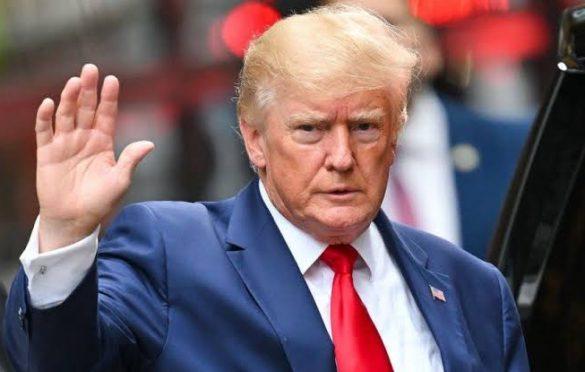
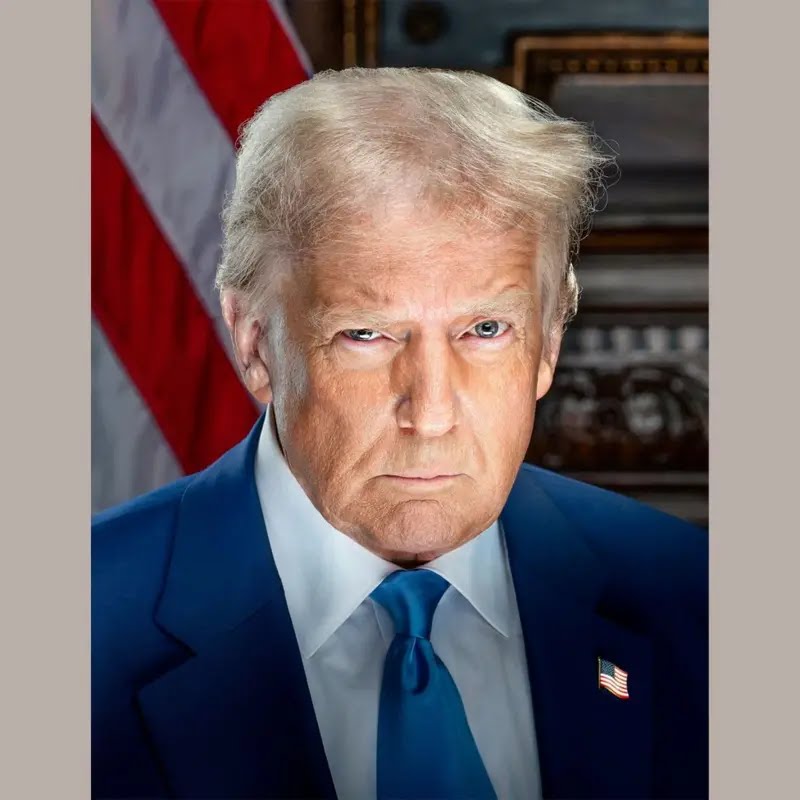
    United States (US) President, Donald Trump, has confirmed that the US collaborated with Nigeria to conduct air strikes on ISIS targets in Sokoto on Christmas Day.

    Speaking at the National Prayer Breakfast in Washington, D.C., on Thursday, Trump said, “On Christmas Day in close coordination with the government of Nigeria, we worked with them, but they’ve got to get tougher.”

    He explained that the strikes, carried out at Nigeria’s request, resulted in the deaths of “multiple ISIS terrorists” and were intended to “decimate the ISIS terrorists who have been slaughtering Christians in that country by the thousands.”

    Trump further emphasised the significance of the timing, stating, “We hit them so hard they still don’t know what the hell happened. And we were going to do it on a different day. I said no, do it on Christmas. So they understand it.”

    “I specifically told Pete, I said hit them on Christmas Day, not earlier and not later. And man, did he hit them. So then we hit them again recently. We hit them again pretty hard,” Trump said.

    According to the US Department of Defense, the strike was carried out at the request of Nigerian authorities, resulting in the deaths of “multiple ISIS terrorists.”

    However, Trump had previously announced on December 26, 2025,that “powerful and deadly” strikes had been launched against Islamic State militants in northwestern Nigeria after he warned the group to stop targeting Christians.

  • CAS Describes Gov Mbah as New Sheriff of Transformative Governance

    CAS Describes Gov Mbah as New Sheriff of Transformative Governance

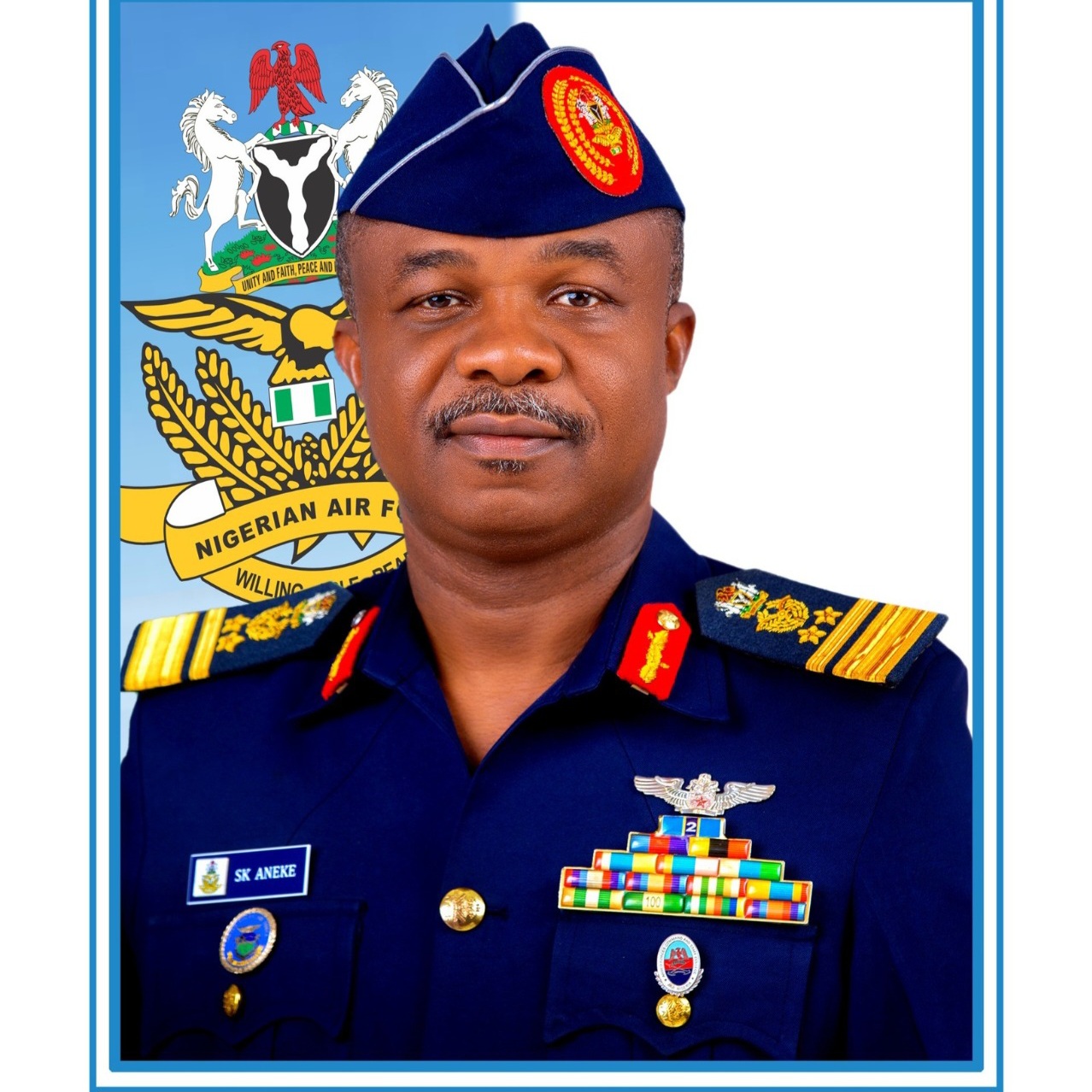
    Chief of the Air Staff (CAS), Air Marshal Sunday Aneke, on Thursday commended the pace of transformation and quality of governance in Enugu State under Governor Peter Mbah administration, describing the governor as “a new sheriff in town.”

    Air Marshal Aneke made the remarks during a courtesy visit to the Governor at Government House, Enugu, as part of his working tour of the state,.

    He noted that the visit marked his first official trip to Enugu since his elevation as Chief of the Air Staff by President Bola Tinubu.

    The service chief said he was struck by the visible changes in the state, even before landing, stressing that Enugu had undergone remarkable transformation compared to his previous visits.

    “We are here because of the transformational , visionary leadership you are giving for this state. Even from the air, what I was seeing is not what I saw the last time I came to Enugu. From the air it was so clear that a new Sheriff is in town.

    “I am so proud to have someone like you as a governor in my state and I am here to work with you to achieve the purpose of government,” he added.

    He praised the Governor for the consistent support extended to the Nigerian Air Force and other security agencies, noting that such cooperation had significantly enhanced operational effectiveness and contributed to the peace, safety, and stability currently enjoyed in the state.

    “Enugu State and the Nigerian Air Force have enjoyed a long-standing partnership. We appreciate the support your administration has given us. We are here with open arms to deepen collaboration so that Enugu remains safe and becomes a thriving business hub.

    “I am fully at your service to ensure that the people of Enugu continue to enjoy peace and security,” the CAS added.

    In his response, Governor Mbah described the CAS as a worthy son of Enugu State, who had distinguished himself in national service.

    “When a son has discharged his duty with honour and excellence, both in career and service to the nation, it is only fitting to welcome him with pride. We are extremely proud of you,” the Governor said.

    He recounted how Air Marshal Aneke had demonstrated exceptional commitment to national security, recalling his swift intervention in Enugu.

    “I remember calling you during a security challenge, and the speed of your response was remarkable. By the next day, you were already asking if the situation had been resolved. That passion and sense of duty make us very proud,” he stated.

    The Governor also acknowledged the strong cooperation between the state government and Air Force personnel stationed in Enugu, revealing that joint security operations had led to the dismantling of criminal hideouts that could have evolved into major camps for criminal elements.

    He disclosed that areas previously threatened by criminal activities were now being converted into large-scale farm estates as part of the administration’s strategy to combine security with economic productivity.

    “Our approach is clear: forests and idle lands must not become havens for criminals. We would rather have farms and economic activities thriving there. Security and development must go hand in hand,” Mbah stressed.

    The governor further assured the Nigerian Air Force of the state’s readiness to expand collaboration, including the provision of land for resettlement homes, farming projects, and other initiatives to support officers and personnel who have served the nation.

    He commended the Air Force leadership for the renewed momentum in the fight against insurgency and banditry, pledging sustained cooperation to ensure lasting peace and inclusive development in Enugu State.

  • ‘A very respected woman’ – Trump Praises First Lady Remi Tinubu at US Prayer Breakfast

    ‘A very respected woman’ – Trump Praises First Lady Remi Tinubu at US Prayer Breakfast

    US President Donald Trump on Thursday described Nigeria’s First Lady, Senator Remi Tinubu, as a very respected woman.

    Trump gave the acknowledgement while speaking at the National Prayer Breakfast in Washington, DC.

    The annual event, attended by members of the US Congress, religious leaders and international guests, featured Trump eulogising Mrs Tinubu in the audience as he addressed attendees on matters of faith and global religious freedom.

    He said he was honoured to have Mrs Tinubu, who he described as a pastor in Nigeria’s largest church, in attendance at the prayer breakfast.

    “We’re honoured to be joined today by the First Lady of Nigeria, who also happens to serve as a Christian pastor at the largest church in Nigeria.

    “A very respected woman. First Lady, please, where are you? Thank you very much. It’s a great honour. Thank you very much. Very respected person, too. Thank you,” Trump said as he looked into the crowd.

    Mrs Tinubu is an ordained pastor of the Redeemed Christian Church of God, which is among Nigeria’s largest and most influential Pentecostal denominations.

    The remarks came amid continued international attention on Nigeria’s security situation following recent claims by Trump and some US lawmakers that Christians in Nigeria face widespread violence.

    In late 2025, Trump designated Nigeria as a “country of particular concern” over alleged attacks on Christians — a move that drew criticism from the Nigerian government, which rejected the claims as inaccurate and harmful to national unity.

    The Federal Government maintained that Nigeria’s security challenges are driven by terrorism and criminality affecting citizens of all faiths, and insisted that constitutional guarantees protect religious freedom for Muslims and Christians alike.

  • Court Orders British Government To Pay £420 Million For 1949 Iva Valley Massacre

    Justice Anthony Onovo of the Enugu High Court, on Thursday, ordered the British Government to pay £20 million each to the families of the 21 coal miners killed in Enugu State in 1949 by the Colonial masters.


    The massacre took place at the Iva Valley Coal Mine in Enugu on November 18, 1949, which was the administrative capital of the Eastern Region of British-administered Nigeria at the time.

    The miners were protesting harsh working conditions, racial disparities in wages, and unpaid back wages, and when their demands were not met, they adopted a “go-slow” protest and occupied the mine to prevent management from locking them out.

    This led the British superintendent to shoot and kill 21 coal miners and injure 51 others.

    The victims were Sunday Anyasodo, Ani Oha, Andrew J. Obiekwe Okonkwo, Augustine Chiwetalu, Onoh Ugwu, Ngwu Offor, Ndunguba Eze, Okafor Agu, Livinus Ukachunwa, Jonathan Agu Ozoani, Moses Ikegbu Okoloha and Chukwu Ugwu.

    They also include Thomas Chukwu, Simon Nwachukwu, Agu Alo, Ogbonnia Ani Chima, Nnaji Nwachukwu, William Nwaku, James Onoh Ekeowa, Felix Nnaji, and Ani Nwaekwe.

    The suit, NO: E/909/2024 was brought by Human Rights Activist, Mazi Greg Onoh, who sought an acknowledgment of liability, a formal apology from the British Government, and comprehensive compensation for the loss of their loved ones.

    The respondents were the Secretary of State for Foreign, Commonwealth and Development Affairs (1st), the British Government (2nd), and the Federal Government of Nigeria (3rd).

    Others were the Attorney-General of the Federation and the Head of the Commonwealth Government of the United Kingdom, as 4th and 5th respondents, respectively.

    No counsel represented the 1st, 2nd, 5th and 6th respondents.

    Delivering the judgement, Onovo described the massacre as an unlawful and extrajudicial violation of the right to life, holding British colonial administration liable and ordering substantial compensation, formal apologies, and diplomatic action.

    According to him, the British government must be held accountable and must make reparations to the families of the 21 coal miners.

    “These defenseless coal miners were asking for improved work conditions, they were not embarking on any violent action against the authorities, but yet were shot and killed.

    “The 1st, 2nd, 5th and 6th respondents should pay £20 million per victim, totaling £420 million, payable by the British Government as effective remedy and compensation for the violations of the right to life.

    “They will also pay Post-judgment interest at 10 per cent annum until fully paid while claims for pre-judgment interest and exemplary damages are waived,” Onovo held.

    He said that unreserved written apologies to the families, via their counsel, should be published in Nigeria’s Daily Sun, Daily Independent, and The Punch, as well as in three major national newspapers in the United Kingdom, recognising the historical injustice.

    This, he said, must show proofs of publication filed in court within 60 days, ordering that the monetary awards would be satisfied within 90 days from the date of judgment.

    The judge added that the Federal Government of Nigeria and the Attorney-General had a constitutional duty under Sections 19(d) and 150(1) to pursue redress, and that their prolonged inaction constituted a dereliction of that duty.

    Onovo added that the Nigerian Government must initiate and pursue diplomatic engagement with the British side within 60 days to seek justice, effective remedies, and reparations.

    He, however, dismissed a preliminary objection based on sovereign immunity and affirmed its jurisdiction, stressing that grave historical injustices remained justiciable under Nigeria’s Constitution.

    “The argument by the representative of the Federal Government that Nigeria was still under colonial rule when the killing was committed is hereby struck out,” Onovo held.

    Reacting to the judgement, Counsels to the applicants, Prof. Yemi Akinseye-George, SAN, and P.N Agazie, described it as a historic judgement and an indication that governments anywhere in the world should not tolerate abuses and violations of any form, torture and taking of human lives without provocation.

    According to them, the judgment drew persuasive parallels with international precedents, including the United Kingdom’s Mau Mau settlement, underscoring the continuing obligation to provide redress for serious human rights abuses.

    “This ruling represents a significant milestone in the pursuit of historical accountability and justice for colonial-era violations, affirming that the right to life transcends time, borders, and changes in sovereignty,” Akinseye-George said.

    The Iva Valley Coal Mine massacre of 1949 has long been remembered as one of the darkest chapters of British colonial rule in Nigeria, symbolizing the brutal suppression of workers’ rights and the racial exploitation that characterized the colonial economy.

    For over 75 years, the families of the victims have waited for justice, recognition, and compensation for their loss.

    Thursday’s judgment by Justice Onovo marks a watershed moment in the quest for historical accountability, not only for the families of the Iva Valley martyrs but for all victims of colonial-era atrocities across Africa.

    The court ordered that the monetary awards totaling £420 million must be satisfied within 90 days from the date of judgment, with post-judgment interest accruing at 10 per cent per annum until fully paid.

    The British Government is also required to publish formal written apologies in major Nigerian and UK newspapers within 60 days, with proof of publication to be filed in court.

    The Nigerian Government has been given 60 days to initiate and pursue diplomatic engagement with the British Government to seek justice, effective remedies, and reparations for the victims’ families.

  • Abaribe says Senate didn’t reject e-transmission of results

    Abaribe says Senate didn’t reject e-transmission of results

    The Senate Minority Caucus clarified on Thursday that the Senate did not reject the electronic transmission of election results before passing the Electoral Act (Amendment) Bill, contrary to widespread media reports.

    The clarification comes barely 24 hours after the upper chamber came under fire on Wednesday following reports that lawmakers had rejected proposals for the electronic transmission of results and a 10-year ban on vote buyers and other electoral offenders.

    Shortly after the reports went viral, Senate President Godswill Akpabio dismissed the claims as misleading. He also maintained that legislators retained electronic transfer as provided under the 2022 Electoral Act, a distinction he said was necessary to avoid legal and operational ambiguities.

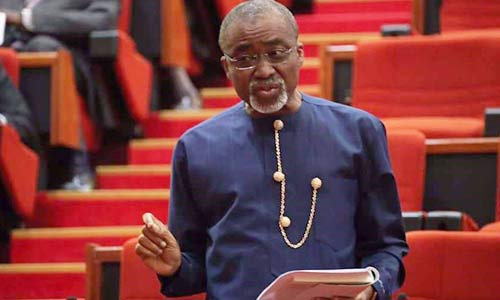
    Speaking to journalists on Thursday, former Senate Minority Leader Senator Enyinnaya Abaribe, said the caucus was compelled to address what he described as a widespread misunderstanding of Wednesday’s plenary proceedings.

    “Since yesterday, the media has been awash with reports suggesting that the Senate rejected the electronic transmission of election results. That is not correct,” Abaribe said.

    “To put the record straight, the Senate did not — I repeat, did not — reject electronic transmission of results as provided for in the 2022 Electoral Act.”

    He explained that what the Senate passed was the electronic transmission of results, a position which, according to him, was also clarified by the Senate President during plenary.

    Abaribe stressed that senators hold public trust derived from the confidence reposed in them by their constituencies, adding that the caucus considered it necessary to address the issue in the interest of transparency.

    “We came here under the trust of our senatorial districts. When it appears that our actions have been misunderstood, it becomes necessary to clarify exactly what happened,” he said.

    He outlined the legislative process that led to the decision, beginning with the joint committee of the Senate and the House of Representatives on electoral matters.

    According to him, the joint committee held several retreats within and outside Abuja, with the participation of the Independent National Electoral Commission and civil society organisations.

    “At the end of those retreats, everyone agreed that electronic transmission of results was the way to go. That position was reflected in the reports presented to both chambers,” he said.

    He noted that the process also involved extensive debates, public hearings, and consultations, describing electronic transmission of results as a core, non-negotiable provision.

    Following the submission of the Senate Committee on Electoral Matters’ report, Abaribe said an Ad hoc Committee was constituted to further review the report.

    The Ad hoc Committee, chaired by Senator Sadiq Umar, presented its findings, which were deliberated upon during a closed-door session.

    “The closed session was held to tidy up all outstanding issues so that when we returned to plenary, the bill could be passed without rancour,” he explained.

    According to him, the Senate Electoral Committee, the Ad hoc Committee, and senators at the executive session unanimously agreed on the provision for electronic transmission of results, as contained in Section 65 of the bill.

    “At plenary yesterday, we passed the electronic transmission of results. However, because of movement and noise in the chamber, it appeared to some that something went wrong,” he said.

    Abaribe added that senators later sought confirmation and were reassured, noting that video records also show the Senate President affirming that electronic transmission of results was passed.

    The senator further explained that a harmonisation committee was set up because of differences between the House and Senate versions of the bill on issues such as timelines.

    “The role of the harmonisation committee is to reconcile differences between both versions and produce a single document for presidential assent,” he said.

    However, he noted that the Senate has not yet adopted the votes and proceedings, a procedural requirement before harmonisation can commence.

    “After plenary yesterday, we adjourned without adopting the votes and proceedings. Under our rules, harmonisation cannot begin without that step,” he explained.

    Abaribe assured that the Senate would reconvene to adopt the votes and proceedings, insisting that it must accurately reflect the provision on electronic transmission of results.

    “Only after that can the harmonisation committee meet. At harmonisation, you either adopt the House version or the Senate version — nothing else,” he said.

    He reiterated that what the Senate passed was the electronic transmission of results in real time.

    “This is not a party matter,” Abaribe added. “Senators across party lines agree on this because transparent, free, and fair elections are the foundation of democracy. If results are not transparent or the process is distorted, then it is not a democracy.”

    Responding to questions on why an Ad hoc Committee was constituted despite the work of the standing committee, the opposition lawmakers explained that the Senate reserves the right to regulate its internal processes, noting that committee members were present to clarify issues during deliberations.

    They maintained that the Senate leadership would ensure due process is followed and that the final document reflects the will of the legislature.

    The caucus concluded by reiterating that no harmonisation can lawfully occur until the Senate adopts the Votes and Proceedings confirming electronic transmission of election results. Punch

  • Nnamdi Kanu Appeals Conviction, Sentencing

    Nnamdi Kanu Appeals Conviction, Sentencing

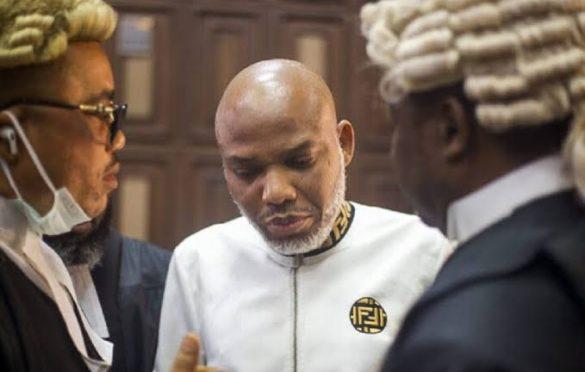
    The leader of the Indigenous People of Biafra (IPOB), Mazi Nnamdi Kanu, has appealed the judgment of the Federal High Court in Abuja, which convicted and sentenced him to life imprisonment for terrorism.

    In the appeal dated February 4, 2026, signed by Kanu himself, and publicised by his legal consultant, Aloy Ejimakor, he is asking the Court of Appeal in Abuja to quash his conviction in charge FHC/ABJ/CR/383/2015.He is further asking the appellate court to make an order discharging and acquitting him in respect of all the counts in the charge.

    Kanu informed the Court of Appeal that he had been convicted of an act preparatory to or in furtherance of an act of terrorism punishable under Section 1(2)(b) of the Terrorism Prevention  (Amendment) Act, 2013 – sentenced to life imprisonment; and making a broadcast on or about 30/5/2021 received and heard in Nigeria with intent to intimidate the population, issued a deadly threat that anyone who flouted a sit at home order should write his/her will.

    Further, Kanu informed the appellate court that that he was sentenced without allocutus and “did not consider relevant mitigation or sentencing factors.”

    On November 20, 2025, Kanu was sentenced to life imprisonment on a seven‑count terrorism charge for his agitation—which turned violent—calling for the secession of the South‑Eastern and South‑South states, and parts of Benue and Kogi, from the Federal Republic of Nigeria.

  • JUST-IN: INEC Chairman announces registration of two new political parties

    JUST-IN: INEC Chairman announces registration of two new political parties

    The Independent National Electoral Commission disclosed that it has approved the registration of two new political parties, the Democratic Leadership Alliance and the Nigeria Democratic Congress, as it intensifies preparations for the 2027 General Election.

    INEC Chairman, Prof. Joash Amupitan, SAN, announced the decision in Abuja on Thursday at the commission’s first regular consultative meeting with political parties for 2026.

    Giving a detailed narration of how the commission arrived at its decision, Amupitan said only DLA met all statutory requirements after a rigorous screening of a total of 171 associations that sought registration.

    “You will recall that the commission received a total of 171 letters of intent from associations seeking registration as political parties.

    “The associations were assessed in line with Sections 222 and 223 of the Constitution of the Federal Republic of Nigeria, 1999 (as amended), Sections 75 and 79(1), (2) and (4) of the Electoral Act, 2022, as well as Clause 2 of the commission’s Regulations and Guidelines for Political Parties, 2022,” Amupitan said.

    He added that of the 171, only 14 associations satisfied the initial prequalification and were subsequently invited to proceed to the next stage.

    “Of these, eight successfully uploaded their documents on the commission’s dedicated portal. They are the All Democratic Alliance (ADA), Citizens Democratic Alliance (CDA), Abundance Social Party (ASP), African Alliance Party (AAP), Democratic Leadership Alliance (DLA), Green Future Party (GFP), National Democratic Party (NDP) and the Peoples Freedom Party (PFP).

    “Out of the eight above, only two qualified for final assessment and verification of due compliance with the Constitution and the Electoral Act.

    “After due consideration, only the Democratic Leadership Alliance (DLA) was found to have complied fully with the requirements of the law. Accordingly, the Commission has decided to register the Democratic Leadership Alliance (DLA) as a political party, effective from today, 5th February 2026,” the INEC chairman announced.

    He added that INEC would also comply with a Federal High Court order directing the registration of NDC.

    “Furthermore, the Federal High Court sitting in Lokoja, Kogi State, in Suit No. FHC/LKJ/CS/49/2025 between Barr Takori Mohammed Sanni & Ors v. INEC ordered the commission to register Nigeria Democratic Congress (NDC) as a political party.

    “The commission has decided to comply with the order and is being registered as a political party. Certificate of Registration will be handed over to the two new political parties in due course,” he said.

    The INEC boss, however, warned parties against internal leadership squabbles and excessive litigation.

    “These infightings create uncertainty, erode public trust and divert the commission from its primary mandate. We urge party leaders to prioritise constructive dialogue over divisive disputes and focus on policy development and community engagement rather than internal strife,” Amupitan said.

    On voter participation, he called on parties to mobilise supporters to collect their Permanent Voter Cards before the February 10 deadline for the ongoing distribution in the FCT while he sternly warned political parties against vote buying.

    “Vote-buying is a subversion of the democratic will and a violation of the law. Any individual or group found engaging in this practice will face the full weight of the law,” Amupitan warned.

    Amupitan also disclosed that INEC has finalised the timetable for the 2027 elections in line with the Electoral Act, noting that a nationwide voter revalidation exercise will soon begin to clean up the register.

    “A credible register of voters remains the bedrock of free, fair and transparent elections,” he said, adding that anomalies such as duplicate and non-citizen registrations undermine confidence in the process.

    Looking ahead, he urged the National Assembly to fast-track amendments to the Electoral Act to ensure legal certainty well before the polls.

    “INEC under my leadership will continue to be guided by the Constitution, the Electoral Act, our regulations and the practice directions of the courts. This is a collective responsibility, and each one of you plays a vital role in fostering democracy in Nigeria,” Amupitan said.

    The Inter-Party Advisory Council in its remarks, called on INEC to remain firm, impartial and transparent as Nigeria heads toward the 2027 General Election, warning that the credibility of the process will once again be judged by the integrity of the electoral umpire.

    IPAC National Chairman, Dr. Yusuf Mamman Dantalle, congratulated Amupitan, on his appointment as INEC Chairman and urged the Commission to provide a level playing field for all contestants.

    “INEC bears a profound constitutional duty. The Commission must remain independent, neutral, fair, firm and decisive in conducting elections that are free, fair, credible, transparent and inclusive,” Dantalle said.

    He also addressed the recurring leadership crises in political parties, urging INEC to strictly follow party constitutions when recognising party executives.

    “Such recognition confers legitimacy and determines the official leadership with which the Commission engages.

    “Adhering to this principle will dispel perceptions of bias, complicity or interference in internal party affairs and reduce the litigations that have disrupted party activities and prevented some parties from fielding candidates,” Dantalle said.

    He further advised party leaders to embrace IPAC’s internal dispute-resolution mechanisms rather than rushing to court. He recalled that the Supreme Court has consistently held that it lacks jurisdiction over internal party leadership disputes.

    “This situation is detrimental to sustainable democracy and national development,” he added.

    On electoral reforms, IPAC urged the National Assembly to fast-track the harmonisation of Nigeria’s electoral legal framework ahead of 2027 and to make real-time transmission of results to the IReV portal mandatory.

    “Citizens expect an improved framework that restores trust and confidence in the democratic system, one in which every vote counts and the people’s mandate is respected.

    “The sanctity of the ballot is the foundation of durable democracy, and we must defend it,”Dantalle said.

    He pointed to the forthcoming FCT Area Council election as a test of public confidence in INEC.

    “It remains the only council election conducted by the Commission that has consistently produced competitive outcomes,”

    He noted, contrasting it with polls conducted by State Independent Electoral Commissions.

    “IPAC therefore reiterates its position that SIECs be scrapped and INEC empowered to conduct all elections nationwide, given its institutional expertise and capacity,” Dantalle said.

    He also advocated for the conduct of all elections on the same day to reduce costs and voter fatigue.

    He said the FCT Area Council election, as well as the Ekiti and Osun governorship polls, would send a strong signal regarding expectations for the 2027 General Election.

    He vowed that as the umbrella body of all registered political parties in Nigeria, IPAC will continue to collaborate with INEC and other stakeholders in deepening democracy and fostering political stability. Punch

  • SEDC Pushes for Common South-East Market as VP Shettima Launches Vision 2050 Blueprint for Region’s Economic Development

    SEDC Pushes for Common South-East Market as VP Shettima Launches Vision 2050 Blueprint for Region’s Economic Development


    …Lauds Tinubu for Establishing SEDC as Catalyst for Regional Development


    The South East Development Commission (SEDC) has called for the creation of a common market and stronger cooperation among the five South-East states as Vice President Kashim Shettima launched the Vision 2050 blueprint aimed at accelerating the region’s economic development.

    The South East Vision 2050 (SEV2050) was officially declared open on Wednesday, February 4, 2026, at a regional stakeholders’ meeting organised by the SEDC. The meeting, themed “Charting a Shared Path to Sustainable Prosperity for South-East Nigeria,” took place at the International Conference Centre (ICC), Enugu.

    Speaking at the event, the Managing Director of the SEDC, Mark Okoye, described the occasion as significant for the South-East, not merely because of the presence of dignitaries, but because it marked a conscious effort to coordinate previously fragmented regional conversations and assets.

    He expressed appreciation to the governors of the South-East states for their cooperation, as well as to President Bola Ahmed Tinubu for establishing the SEDC.

    “Your presence and leadership send a powerful signal of unity, purpose, and long-term development to the South-East. For the creation of the South East Development Commission, and to His Excellency, President Bola Ahmed Tinubu, thank you for creating SEDC and also for approving the South-East Investment Company Limited -a forward-moving vehicle designed to invest in diaspora capital, domestic sales, the capital market, and to develop financial institutions across the region.” he said.

    On implementation, Okoye noted that planning alone does not transform regions, stressing that execution and access to capital are the real drivers of development. He said discussions must go beyond planning to include financing strategies, project viability, and investment mobilisation.

    He outlined a collaborative execution framework, urging South-East states to align their priorities around shared interests, calling on private sector players and financial institutions to engage early as investors, and emphasising discipline, transparency, and cooperation within the commission.

    Vice President Shettima, while declaring the forum open, said the South East Vision 2050 represented a clear departure from previous short-term development approaches that failed to deliver expected results.

    He reaffirmed that the SEDC was designed to drive structural transformation rather than routine administrative functions, adding that Nigeria is strongest when its regions thrive.

    “Let me be clear. This is not another layer of bureaucracy. It is a delivery institution, focused on tangible outcomes that translate into jobs, productivity, and growth,” he said, noting that the South-East bears a unique historical burden that makes deliberate regional planning necessary.

    Shettima also announced that President Tinubu had approved the establishment of the South East Investment Company Limited, which will work in synergy with the SEDC to address post-war infrastructure gaps and enhance long-term regional competitiveness.

    The Governor of Enugu State, Dr. Peter Mbah, said the South-East could no longer afford to operate as five parallel states. He commended President Tinubu for establishing the SEDC, describing it as evidence that regional development does not happen in isolation.

    “Today, I propose the birth of the South East Common Market – a bold, borderless unification of our commerce, our talent, and our industrial grit.

    “By fusing our five distinct economies into one powerhouse, we are no longer just negotiating for a seat at the table; we are building the table ourselves.

    “This is more than a policy shift; it is the awakening of an economic giant, transforming the South East into a single, seamless theatre of enterprise where our shared heritage fuels our collective prosperity,” he said.

    Mbah noted that global economic dynamics were changing, adding that regions that organise themselves, integrate their markets, and build systems at scale would thrive, while those that fail to do so would remain consumers of other people’s value.

    He described the South East Vision 2050 as a tool to solve problems that individual states cannot address alone, but stressed the need for immediate action, beginning with a region-wide feasibility and project preparation phase to be jointly funded and governed.

    He also lamented that despite shared identity and interconnected markets, the region still suffers fragmentation, saying Vision 2050 provides an opportunity to build a framework for action starting now.

    Also speaking, the Governor of Anambra State, Prof. Chukwuma Charles Soludo, urged the SEDC to align its ambitions with reality, guided by existing assessments. He questioned whether the initiative would become “just another plan,” considering the factors that hindered similar efforts in the past.

    Soludo advised the commission to focus at least 70 per cent of its efforts on projects that are realistically achievable, leaving 30 per cent for ancillary initiatives. He identified priority areas including regional railways and highways linking major cities and state capitals, pipelines, seaports, and security infrastructure.

    The Governor of Abia State, Dr. Alex Otti, assured residents of the South-East that the proposal would receive due consideration. He emphasised cooperation over competition among the states, describing collaboration as the most practical approach to development. He added that operating as a unified market would significantly boost industrialisation in the region.

    The event was attended by the Governor of Ebonyi State, Francis Nwifuru, while the Governor of Imo State, Hope Uzodimma, was represented.

    Ministers, representatives of international development agencies, captains of industry, and heads of federal and state agencies were also in attendance.

  • Customs intercepts rice, cannabis, cars worth N3.3bn

    Customs intercepts rice, cannabis, cars worth N3.3bn

    The Nigeria Customs Service (NCS) has lIsted seizure of 6,954 bags of foreign parboiled rice and interception of 1,431 kg of cannabis and other seizures value at N3.3bn in the among recent achievements of its operatives in Federal Operations Unit (FOU) Zone ‘A’

    Eight suspects were also apprehended eight along with the seizure, the Customs Area Controller of the Command, Comptroller Gambo Aliyu, said at a news conference in Lagos on Tuesday.

    Aliyu said that a female suspect was apprehended along with the cannabis.

    He added that the command lost an officer who led the interception on Tuesday Feb. 3.

    He noted that the development had been formally communicated to the customs high command.

    The comptroller while showcasing a session of 6,954 bags of rice, second hands clothes, described the seizures as the outcome of a strategic operational overhaul anchored on intelligence-led enforcement.

    Aliyu said the unit recorded 144 various contraband goods within six weeks resumed operation as the head of the command around late December 2026.

    He attributed the success to reorganising patrol patterns, strengthening internal supervision and shifting from predictable checkpoints to targeted deployments across the Lagos metropolis.

    “The seizures includes 6,954 bags of foreign parboiled rice (equivalent to 12 trailer loads), 77 bags of foreign sugar, and 21 units of used vehicles.

    “It also include 3,362 jerrycans of foreign vegetable oil, 20,700 litres of Premium Motor Spirit (PMS), 915 bales of used clothing and a 20-foot container loaded with stone-coated aluminium roofing sheets.

    “In a major crackdown on drug trafficking, officers intercepted 3,029 parcels of synthetic cannabis weighing about 1,431kg, with the Duty Paid Value (DPV) N3.3 billion, describing the operation as a significant disruption of criminal supply networks fueling insecurity in the country.

    “These seizures occurred against the backdrop of rising banditry, terrorism and other societal vices threatening national stability.

    “Drug trafficking fuels these crimes by providing chemical stimulants that embolden perpetrators and erode social order,” Aliyu said.

    The comptroller also announced notable environmental and wildlife-related interceptions, including four live pangolins rescued along Alapa Creek, Ajilete, and handed over to the Wildlife Conservation Centre.

    Similarly, the unit seized 581 used refrigerator compressors concealed in a vehicle, which he said it posed serious environmental and public health risks due to hazardous substances and greenhouse gas emissions.

    He explained that the seizure aligned with Section 55(1)(d) of the Nigeria Customs Service Act, 2023, and the Basel Convention, both of which regulate trans-boundary movement of hazardous waste.

    Aliyu said eight suspects were arrested in connection with the seizures and were under investigation.

    Beyond enforcement, Aliyu said the unit recovered N36.89 million between Dec. 10, 2025 and Feb. 2, 2026 through demand notices issued over cargo misdeclaration and other import-export compliance breaches.

    He reaffirmed the commitment of the Nigeria Customs Service to combating smuggling, trans-border crimes and economic sabotage.

    Aliyu noted he would not relents effort in enhancing trade facilitation through professionalism, intelligence-driven operations and collaboration with sister security agencies and border communities.

    Aliyu commended Comptroller General of Customs, Bashir Adeniyi, for the opportunity to serve, and urged officers of the unit to sustain the momentum in safeguarding Nigeria’s economy, environment and national security.

    In line with inter-agency collaboration, Aliyu handed over the Intercepted 1431kg cannabis to the National Drug Law Enforcement Agency (NDLEA) for further investigation and prosecution.

    While receiving the intercepted cannabis with the female suspect, the Commander of Narcotic and the Deputy State Commander Operations and Training, Lagos Strategic Command, Ibrahim, Muhammadu-Kabir, commended FOU for the robust synergy.

    Muhammadu-Kabir, who felt disappointed receiving a female suspect along with the cannabis, urged Nigeria public to support Government in the fight against illicit substances. (NAN).