Precious Nwonu, Enugu
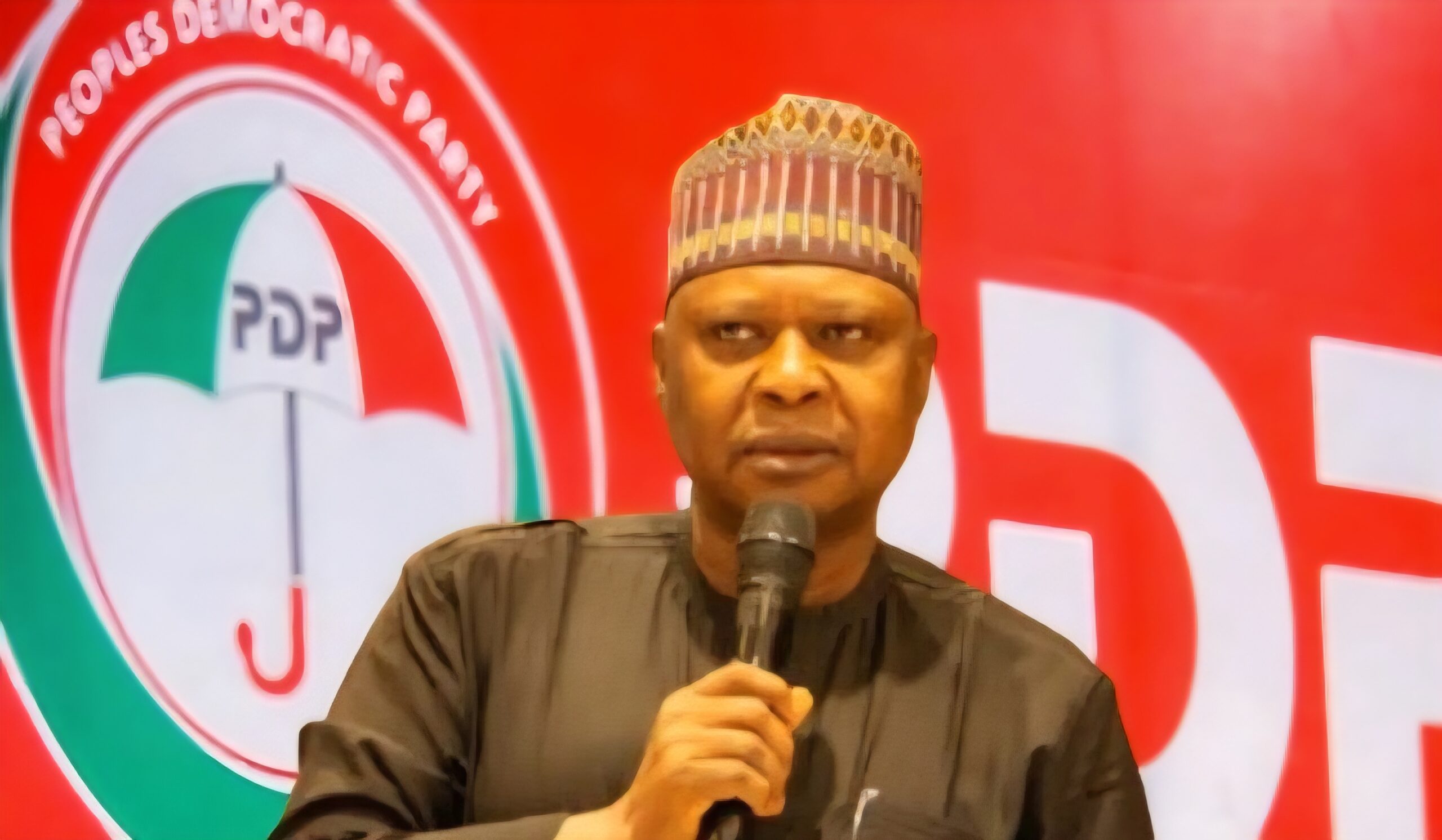
A factional chairman of the Peoples Democratic Party, Kabiru Turaki, has urged Nigerians to reject vote-buying and assess candidates based on their ability to provide quality representation ahead of the 2027 general elections.
Turaki made the call on Monday at the second Bala Abdulkadir Mohammed Colloquium held in Bauchi to mark the 68th birthday of Governor Bala Mohammed.
He particularly appealed to young Nigerians to become more involved in politics and governance instead of waiting to be described as “leaders of tomorrow.”
Turaki warned voters against exchanging their votes for money, rice, spaghetti or other material inducements, arguing that such practices could weaken citizens’ ability to demand accountability from elected officials.
“We must not vote in exchange for spaghetti, rice, money or any other inducements. We must vote according to the capacity of the candidates to offer quality representation and contribute to national development,” he said.
He said the quality of leadership produced by the electoral process was partly determined by the choices made by voters, adding that citizens who refused to participate in elections could also contribute to the emergence of poor leadership.
Turaki urged youths to take an active role in political processes and decision-making, rather than being treated merely as campaign supporters or election-day voters.
“We must stop saying that youths are the leaders of tomorrow; when will that tomorrow come?” he asked, stressing that young people should be involved in decisions concerning the country’s future.
The PDP factional leader also expressed concern about the quality of legislative representation in the country.
He argued that attention should not only be placed on the number of laws passed by the National Assembly but on whether such legislation addresses challenges confronting Nigerians, including hunger, unemployment, poverty and insecurity.
According to him, effective legislation should improve citizens’ living conditions and address the country’s fundamental problems.
Turaki also disagreed with comments by former Labour Party vice-presidential candidate, Datti Baba-Ahmed, who had earlier criticised what he described as growing executive influence over the Senate.
Baba-Ahmed, in his keynote address at the event, argued that repeated interference by the executive had weakened the independence and vibrancy of the Senate. He also questioned whether lawmakers were primarily representing the executive or the citizens who elected them.
He called for a legislature that would be more willing to defend citizens’ rights and assert its constitutional independence.
Responding, Turaki said the focus should be on electing legislators capable of producing quality laws that respond to the needs of Nigerians.
He argued that Nigeria had experienced differences in the quality of legislative representation over time and said understanding past and present developments was important to improving the country’s democratic future.
Turaki said a strong legislature was necessary for effective checks and balances and called on Nigerians to take greater responsibility for the political process.
The event brought together political figures and other stakeholders to discuss Nigeria’s democratic development and the role of institutions ahead of the 2027 elections.
Leave a Reply