Tag: Nigerians

  • 2027: Turaki Urges Nigerians To Reject Vote-Buying, Choose Leaders On Merit

    2027: Turaki Urges Nigerians To Reject Vote-Buying, Choose Leaders On Merit

    Precious Nwonu, Enugu

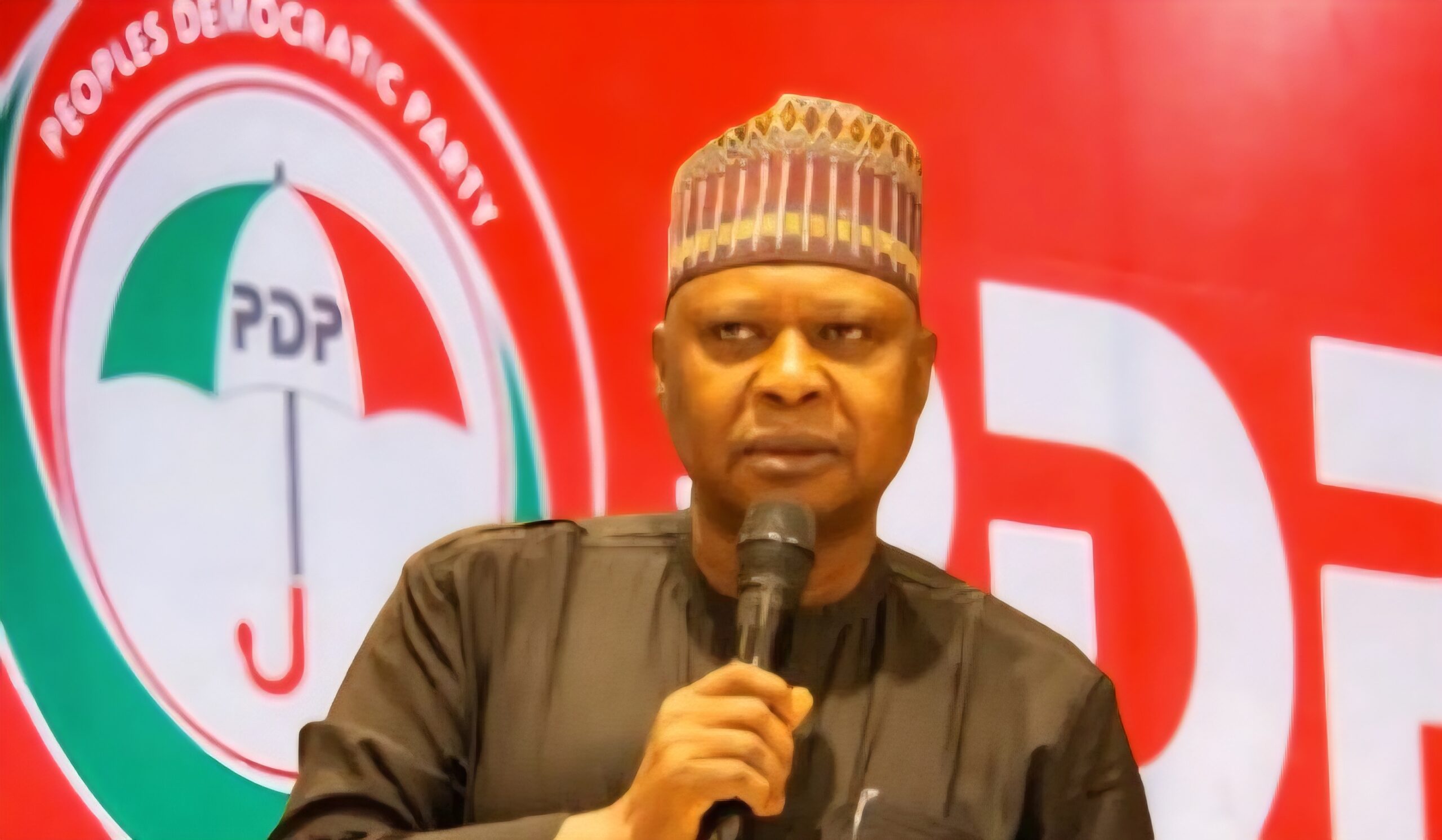
    A factional chairman of the Peoples Democratic Party, Kabiru Turaki, has urged Nigerians to reject vote-buying and assess candidates based on their ability to provide quality representation ahead of the 2027 general elections.

    Turaki made the call on Monday at the second Bala Abdulkadir Mohammed Colloquium held in Bauchi to mark the 68th birthday of Governor Bala Mohammed.

    He particularly appealed to young Nigerians to become more involved in politics and governance instead of waiting to be described as “leaders of tomorrow.”

    Turaki warned voters against exchanging their votes for money, rice, spaghetti or other material inducements, arguing that such practices could weaken citizens’ ability to demand accountability from elected officials.

    “We must not vote in exchange for spaghetti, rice, money or any other inducements. We must vote according to the capacity of the candidates to offer quality representation and contribute to national development,” he said.

    He said the quality of leadership produced by the electoral process was partly determined by the choices made by voters, adding that citizens who refused to participate in elections could also contribute to the emergence of poor leadership.

    Turaki urged youths to take an active role in political processes and decision-making, rather than being treated merely as campaign supporters or election-day voters.

    “We must stop saying that youths are the leaders of tomorrow; when will that tomorrow come?” he asked, stressing that young people should be involved in decisions concerning the country’s future.

    The PDP factional leader also expressed concern about the quality of legislative representation in the country.

    He argued that attention should not only be placed on the number of laws passed by the National Assembly but on whether such legislation addresses challenges confronting Nigerians, including hunger, unemployment, poverty and insecurity.

    According to him, effective legislation should improve citizens’ living conditions and address the country’s fundamental problems.

    Turaki also disagreed with comments by former Labour Party vice-presidential candidate, Datti Baba-Ahmed, who had earlier criticised what he described as growing executive influence over the Senate.

    Baba-Ahmed, in his keynote address at the event, argued that repeated interference by the executive had weakened the independence and vibrancy of the Senate. He also questioned whether lawmakers were primarily representing the executive or the citizens who elected them.

    He called for a legislature that would be more willing to defend citizens’ rights and assert its constitutional independence.

    Responding, Turaki said the focus should be on electing legislators capable of producing quality laws that respond to the needs of Nigerians.

    He argued that Nigeria had experienced differences in the quality of legislative representation over time and said understanding past and present developments was important to improving the country’s democratic future.

    Turaki said a strong legislature was necessary for effective checks and balances and called on Nigerians to take greater responsibility for the political process.

    The event brought together political figures and other stakeholders to discuss Nigeria’s democratic development and the role of institutions ahead of the 2027 elections.
  • NIMC Denies NIN Database Breach, Urges Nigerians To Ignore Viral Video

    NIMC Denies NIN Database Breach, Urges Nigerians To Ignore Viral Video

    Precious Nwonu, Enugu

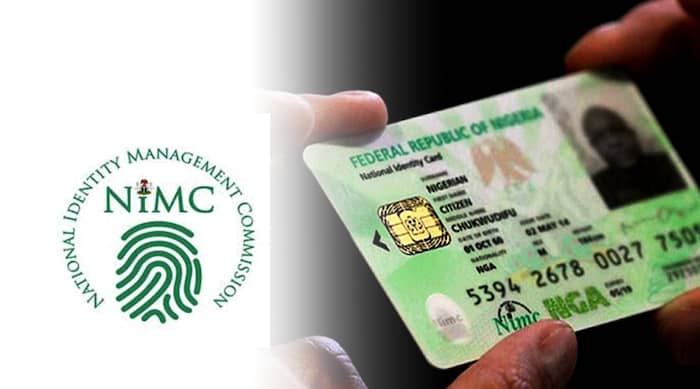
    The National Identity Management Commission has denied claims that Nigeria’s National Identification Number database was compromised and that citizens’ NIN and Bank Verification Number details were being sold online.

    The commission described the allegations as false and unfounded, urging Nigerians to disregard a viral video making the claims.

    The video circulating on social media alleged that NIN and BVN details could be obtained for as little as N100. It also claimed that some NIMC officials in Lagos were selling individuals’ identification information for N1,000 outside the commission’s office.

    However, in a statement issued on Thursday, NIMC said the claims were recycled from a report published in 2024, which it had previously dismissed.

    The commission said its National Identity Database had not been breached or compromised.

    NIMC explained that it operates multi-layered security systems designed to protect the personal information of registered citizens and legal residents.

    It expressed concern that the circulation of unverified information could mislead members of the public and create unnecessary panic over the safety of their personal data.

    The commission advised Nigerians to rely on information published through its official communication channels for updates concerning the National Identity Management System.

    NIMC also drew attention to its NIN Authentication service, known as NINAuth, which it said was developed to improve the security and privacy of identity verification.

    According to the commission, the service allows NIN holders to give explicit consent before their information is shared for Know Your Customer processes and other verification purposes.

    NIMC said NINAuth can be used for identity verification in areas including SIM registration, passport and immigration services, tax-related processes and financial transactions without unnecessarily exposing a person’s raw NIN or other personal information.

    The commission said the initiative was in line with provisions of the NIMC Act, 2026, and the Nigeria Data Protection Act, 2023, which require personal data to be handled fairly, lawfully and transparently.

    NIMC added that it would continue to work with security agencies and other relevant institutions to strengthen its systems and tackle the spread of misinformation.

    It advised anyone with concerns about their NIN or personal information to contact the commission through its official channels.

  • Five Nigerians Extradited From South Africa Face Up to 100 Years in US Prison

    Precious Nwonu, Enugu

    Five Nigerians extradited from South Africa to the United States over alleged involvement in wire fraud and money laundering could face a combined maximum sentence of up to 100 years in prison if convicted.

    The United States Department of Justice disclosed this in a statement on Monday, stating that the defendants were extradited on September 11, 2026, following their arrest in Cape Town in 2021 at the request of American authorities.

    The suspects, identified as Perry Osagiede, 57; Franklyn Edosa Osagiede, 42; Osariemen Eric Clement, 40; Collins Owhofasa Otughwor, 42; and Musa Mudashiru, 38, were scheduled to appear before US District Judge Michael Shipp at the federal court in Trenton.

    According to the DOJ, the five men were charged in a superseding indictment with conspiracy to commit wire fraud and conspiracy to commit money laundering over alleged offences committed between 2011 and 2021.

    Perry Osagiede, Franklyn Osagiede and Clement were also charged individually with wire fraud, while Perry Osagiede, Franklyn Osagiede and Otughwor face additional charges of aggravated identity theft.

    US Attorney Robert Frazer alleged that the defendants were leaders of the Black Axe organisation and operated within its Cape Town Zone in South Africa.

    He alleged that Osagiede founded the Cape Town Zone and served as its leader, while the defendants and other members were involved in various internet fraud schemes.

    Frazer said the group allegedly targeted victims in the United States through romance scams and advance-fee schemes, using social media, online dating platforms and Voice over Internet Protocol phone numbers.

    According to him, the suspects allegedly operated under different identities and convinced victims that they were involved in genuine romantic relationships before persuading them to send money and valuables overseas.

    Some victims were allegedly threatened with the release of sensitive photographs when they hesitated to send money, while funds were also allegedly moved through US bank accounts belonging to victims and other individuals before being transferred to South Africa.

    The US attorney further alleged that proceeds from business email compromise schemes, romance scams and advance-fee fraud were laundered through aliases and business entities to conceal their origins.

    The DOJ said conspiracy to commit wire fraud and individual wire fraud charges each carry a maximum sentence of 20 years in prison and a fine of up to $250,000.

    The money laundering conspiracy charge also carries a maximum sentence of 20 years, with a fine of up to $500,000 or twice the value of the property involved, whichever is greater.

    Aggravated identity theft, according to the department, carries a mandatory two-year prison sentence to be served consecutively to any other sentence imposed.

    The five defendants were extradited to the US on September 11 after spending years in South Africa following their 2021 arrests.

    However, the DOJ stressed that the charges remain allegations and that the defendants are presumed innocent unless and until they are proven guilty in court.

    “The charges and allegations contained in the superseding indictment are merely accusations, and the defendants are presumed innocent unless and until proven guilty,” Frazer said.

  • Lassa Fever: NCDC Urges Nigerians to Step Up Prevention Ahead of Peak Season

    Lassa Fever: NCDC Urges Nigerians to Step Up Prevention Ahead of Peak Season

    The Nigeria Centre for Disease Control and Prevention, NCDC, has urged Nigerians to intensify preventive measures against Lassa fever ahead of the dry season, warning that cases typically increase between November and April.

    The Director-General of the NCDC, Dr Jide Idris, gave the warning on Wednesday in Abuja at a national health security media briefing, stressing the need for early preparedness before the peak transmission period.

    Idris said although Lassa fever occurs throughout the year, cases tend to increase during the dry season, making the period before the peak season critical for prevention and preparedness.

    “Lassa fever occurs throughout the year, but cases tend to increase during the dry season, particularly between November and April. We are not yet in that peak period, and that gives us an important opportunity to act now,” he said.

    The NCDC said findings from its After Action Review of the last Lassa fever outbreak showed persistent gaps in early care-seeking, infection prevention and control, environmental sanitation, state-level preparedness and the functionality of health facilities.

    According to the agency, delays in seeking appropriate medical care, self-treatment and visits to multiple health facilities before Lassa fever was suspected contributed to challenges in managing cases.

    It also identified infections among healthcare workers, particularly when health facilities were under pressure, as well as environmental and household risks associated with poor sanitation, unsafe food storage and exposure to rodents.

    Idris said the findings underscored the need to strengthen the entire response chain, from prevention and early detection to diagnosis, referral and treatment.

    He disclosed that the NCDC had developed an Accelerated Readiness Plan to guide preparedness activities ahead of the peak Lassa fever season.

    “Our approach during this period will be firmly grounded in One Health. Lassa fever cannot be prevented and controlled by the health sector acting alone. Health, Environment, Agriculture, Livestock, Local Governments and communities have distinct but complementary responsibilities,” he said.

    According to him, the plan will focus on measures to be implemented between now and the peak season, with additional attention and resources directed to areas where available data indicate that the burden and risk are highest.

    Under the plan, the agency said priority would be given to early detection and reporting of suspected cases, reducing exposure to rodents, promoting prompt care-seeking and ensuring healthcare workers can recognise, report and appropriately refer suspected cases.

    It added that efforts would be made to ensure prompt transportation and testing of samples, as well as timely communication of results to healthcare providers.

    The NCDC urged households to store food items such as rice, garri, beans and maize in tightly covered containers and avoid leaving food exposed to rodents.

    It also advised Nigerians to seal openings through which rodents could enter homes, reduce clutter that provides hiding places for rodents and maintain clean surroundings through proper waste disposal.

    The agency cautioned against handling rodents with bare hands or unnecessary contact with their urine, faeces and other body fluids.

    It further advised people who develop fever or other symptoms, particularly those living in or travelling to areas where Lassa fever is endemic, to seek medical attention promptly.

    “If you have treated what you believe to be malaria and your symptoms persist, please do not continue treating yourself at home. Seek appropriate medical attention,” the agency advised.

    The NCDC also called on state and local governments, particularly those with recurrent Lassa fever transmission, to strengthen environmental sanitation, waste management, surveillance, laboratory referral systems and the readiness of designated treatment centres.

    It urged health authorities to investigate every Lassa fever infection involving a healthcare worker, appropriately follow up exposed workers and promptly address identified gaps.

    The agency urged healthcare workers to remain vigilant, saying: “THINK LASSA. PROTECT. REPORT. REFER.”  Vanguard

  • FG Clarifies UK Passport Fees, Says No Hidden Charges

    Dr. Olubunmi Tunji-Ojo

    The Federal Government has expressed deep concern over the inconveniences currently being experienced by Nigerians residing in the United Kingdom regarding the application and processing of their international passports.

    The Minister of Interior, Dr. Olubunmi Tunji-Ojo while addressing in a statement on Monday by his Special Adviser on Media and Publicity, Alao Babatunde said that these concerns are being addressed.

    He noted that the operational hitches were reported during the ongoing special passport intervention exercise in the UK promoting the government to initiated a specific programme to provide broader options and significantly ease the administrative burden for citizens in the diaspora who are seeking to seamlessly renew or acquire their travel documents.

    The minister categorically clarified the financial requirements for the passport processing, distancing the authorities from any arbitrary or unofficial levies.

    He maintained that the intervention exercise does not attract any additional costs beyond the legally stipulated official fees.

    “It is therefore necessary to clarify that this process does not come with extra cost different from the official fees of $150 and $230 for a five year and ten year validity passports respectively, exclusive of bank charges,” the statement read in part.

    Tunji-Ojo strongly emphasised that neither the Ministry of Interior nor the Nigeria Immigration Service (NIS) has authorised, endorsed, or introduced any hidden charges outside the officially recognised passport fees.

    This timely clarification comes amid growing public concerns and complaints from applicants regarding suspected exploitation and administrative bottlenecks during the ongoing special intervention programme.

    To swiftly resolve the operational difficulties and ensure a smooth, transparent experience for Nigerians in the diaspora, the Interior Minister revealed that high-level strategic consultations are currently underway with the Ministry of Foreign Affairs.

    Tunji-Ojo assured affected applicants that “Consultations are ongoing with the Ministry of Foreign Affairs to ensure that any inconveniences during this process do not persist any longer,”

    Reaffirming the current administration’s dedication to the welfare of its citizens, the minister noted that the government remains steadfast in its mandate of delivering efficient public services globally and ” has demonstrated high level of responsibility to Nigerians home and abroad, and remains committed to its promises of providing succour to all,” he stated.

    Furthermore, to bypass the physical hurdles associated with traditional application processes, the government advised applicants to explore digital alternatives.

    Tunji-Ojo urged Nigerians in the UK to leverage the newly implemented, seamless contactless biometric passport application system to avoid unnecessary delays and enhance efficiency.