Tag: #PacesetterFrontier

  • Traditional Attires in Nigeria

    Traditional Attires in Nigeria

    By Chidinma Prisca Elebe 

    Decades ago, people had always worn outfits trending in the western world especially with the influence of colonization. The elites that first received formal education with their ties and suites were the envy of everyone because of their exotic outfits and everyone followed the trend. This became popular leaving an impression on the younger generation. Various workplaces and schools adopted and accepted these western outfits as their official mode of dressing. The recent increase in globalization has also led to cultural integration and evolution making us to prefer other people’s indigenous attires to our own.
    Recently, there has been a cultural awareness especially with the media promoting our culture, although it can also be attributed to the use of better cameras and ingenious styling of the traditional fabric making it to look more appealing and attractive. Another reason might be the modeling of these outfits by celebrities and prominent members of the society. Truth be told, there is no one else in a better position to promote our culture than us.

    In Nigeria, we have various kinds of traditional outfits that show the richness in our culture but the appeal of these outfits starts from our sense of fashion and style to the fabrics these outfits are made from. These traditional outfits can be made with the Abada/Ankara fabric (the most popular African textile) or a traditional lace, tie and dye (tie-die) in the North, the stripped monochrome in Benue i.e. North-central, the white top and George from the South-south, Ashoke/Asoke from the South-west etc.

    Many types of traditional attires are worn for various occasions and can also reveal the identity (tribe, culture, country) of the person clad in them.

    SOME POPULAR TRADITIONAL WEARS IN NIGERIA

    Agbada: A lot of people believe that the agbada attire can be traced to the Yoruba culture but it has been said to have also originated from the trading groups such as the Berbers, Tuaregs due the trans-Saharan trade. The loose fitting and voluminous attire was ideal for riding horses and serves as protection from the elements. It wasn’t long before the attire became a status symbol especially among the nobles. The agbada attire is common to various African countries such as Mauritania, Gambia, Ghana, Guinea, Mali, etc. It can be made from heavy fabrics such as the Northern weave (Aso Oke) or lighter materials like cotton. In Nigeria, the Hausa tribe also calls it “babariga” and it is presently worn by different people cutting across tribes and culture. The agbada attire is a four piece clothing made up of the following:

    Awosoke: The outer part that is free flowing usually reaching the ankle or knee, sometimes people opt for the waist length with rectangular embroidery in front.

    Awotele: The under shirt with a loose fitting worn under the awosoke. This shirt can be long sleeves or short sleeves although a lot of people prefer the long sleeve nowadays.

    Sokoto/ Shokoto: This is the trousers/ pants of the outfit which is worn without a belt because the waist is usually secured by a draw-string. The trouser can be loose fitting or tight depending on the preference of the wearer.

    Fila: This is the cap or head gear used to complete the agbada ensemble. There are different kinds of cap such as the abetiaja, the gobi, the hat with flaps at both sides and a round hat.

    This outfit has evolved so much that even the female folks wear them too. Besides the rich embroidery it is adorned with, it can also be accessorized with traditional caps, beads, shoes and staff. Agbada can be a striking attire when worn with style, it represents the African greatness and diversity.

    Ishiagu: This is pure Igbo attire worn by traditional rulers and sometimes their Lolo (spouses). The fabric was also initially associated with status symbol because it was worn by accomplished Igbo men. This outfit is usually made from a heavy suede material with lion heads patterned all over the fabric. It can be styled using rich culture beads, staff, offor, hand fan and variety of caps (the red or the striped cap) for the men. It can be worn over a trouser or wrapper as the case maybe. This attire exudes confidence, strength and pride just like the lion imprinted on the fabric.

    Aso Oke: This is mostly found among the Yoruba tribe. The fabric is usually hand woven and worn by wealthy people. This can be observed from the translation of its name “top cloth” meaning cloth of high status. It can be used to make different outfits ranging from tops (buba), wrapper (iro), baggy trousers, agbada and headgear (gele). This fabric is so rich that it has become a popular fashion piece among Nigerian ladies in general.

    Gele: This is a type of headgear usually worn by ladies as a large headscarf/headtie. It is worn by women across western and Southern Africa. Yoruba ladies also use it across the shoulder as part of their style. It is an elaborate fashion accessory targeted at making statement by women in ceremonies especially in Nigeria. They are worn to church services, wedding ceremonies, naming ceremonies, funerals, chieftaincy celebrations and other festivals. They cover the head and sometimes, the ears are tucked under with just the face and earrings showing.

    Etibo: This traditional attire is predominant in the southern part of Nigeria especially the Niger-Delta. The former Nigerian head of state, President Goodluck Ebele Jonathan made this attire very popular during his tenure as the president. This attire originally comprises of a white shirt worn over a wrapper but in recent times, people wear them over a pair of trousers. Etibo is no longer restricted to just a white traditional top. It has metamorphosed into a variety of colors too. Women wear them as just gowns or skirt or over trousers/ shorts/ leggings. It is styled using accessories like jewelries, cufflinks, staff, walking stick, hats or caps, shoes, sandals, neck and hand beads etc. This outfit is quite trendy and popular among Nigerian men and can be made from varieties of fabrics such as cashmere, cotton or Ankara etc.

    This outfit makes every Nigerian man glamorous and brings out every ounce of masculinity worthy of admiration.

    THE BENUE MONOCHROME ATTIRES: The most popular outfit of the Benue people is the black and white monochrome of the Tiv tribe but there are also other beautiful varieties of this monochrome attires ranging from the blue and black of the Igede tribe to the red/ox blood and black for the Idoma tribe respectively. These attires showcase the uniqueness and diversity of Benue State.

    MUDUKARE: This is a beautiful white outfit designed with red, blue and green embroidery although there are other variations now. It is typically made into a sleeveless top and worn over a wrapper or trouser. It is also accompanied by beads and bracelets and a headgear. It is worn by the Fulani tribe from the northern part of Nigeria, Senegal, guinea etc. A Fulani bride always dazzles in the mudukare attire owing to the vibrant colours and radiating beauty.

    THE ANKARA FABRIC/ PRINT: The Abada/Ankara fabric is a versatile material that represents Africa at large but various prints depict different countries and their style. Bringing it home to Nigeria, this fabric can be used to make different styles of outfits ranging from the simple to the luxurious which can be worn in official settings, wedding ceremonies, funerals, schools and as casual wears too.

    We can take home a few lessons from this eye opening piece.

    Nigeria is made up of diverse ethnic groups and highly multicultural. Some states have more than one ethnic groups and subgroups.

    The dynamic nature of traditions and culture also contributes to changes in fashion and attires that are culturally acceptable i.e. in years to come, traditional attires might be different from the current trend.

    These attires are rich, colorful and symbolize our African heritage.
    Our choice of traditional attires were influenced by our early contact with the Europeans (e.g the etibo) and interactions with other tribes (e.g the agbada from the trans-saharan/sahelian traders).

    Finally, these traditional attires have become popular and can be worn by people of different class, age and gender. Traditional attire showcases the richness of our diverse culture. It can also serve as a form of cultural identity or fashion statement. However, the dexterity and sense of style by Nigerian fashion designers have given more life and appeal to traditional attire.

    It is quite important and gracious to wear any of these attires and improve its effect on the economy by patronizing our own, having an effect on the chain of distribution from the fabric vendors to the tailors/ designers/ stylists.

    Nigeria is a country rich in cultural diversity and the above listed attires are just a few that have found its way into the mainstream media. Our traditional wears are quite numerous and cannot be exhausted in one sitting.

    Be proud of your heritage and look the part!

  • How to Mix and Match Colours

    How to Mix and Match Colours

    By Chidinma Prisca Elebe

    If you are in the category of persons that are scared to buy colourful clothes, or you are among those who only fill their wardrobe with neutral colours, then I am here to tell you that you can do better and you have absolutely nothing to be scared of, or anything to be skeptical about! You can still stand out and turn heads with those daring colours, and your choice off combination can go a long way to save the day. And yes, you can still slay on a budget.

    Now lets dive into it.

    There are a few things that can guide the choice of colours you choose to wear on a good day. For me, it ranges from my skin shade, the weather, the occasion I am dressing up for and my mood (yeah, it pretty much works like that).

    Colour combinations for your outfit is more of a science (not rocket science anyway) due to a key component known as the colour wheel.

    The colour wheel was invented by Sir Isaac Newton when he passed visible light through a glass prism. These colours that were observed are represented in a circle and this colour wheel is universal with anything that has to do with colours ranging from artists to fashion designers; it serves as a reliable colour guideline. The colours in the wheel can be categorized as follows:

    PRIMARY COLOURS: In this group we have yellow, red and blue. These are the root colours, hence the title primary which means that other colours come from the primary colours and no two colours when mixed together can give rise to these colours.

    SECONDARY COLOURS: These colours are derived by mixing the primary colours, e.g. a combination of red and yellow gives orange, white and red gives pink etc.

    TERTIARY COLOURS: The colours in this group can be realized by a combination of primary and secondary colours. Colours like aqua and mint colours are found here.

    In order to make colours blend properly when combining an outfit, we can use the principles behind the colour wheel. It can help you play with colours that are bold and get away with it while appearing dashing.

    COMPLEMENTARY COLOURS 

    Colours that are opposite each other in the colour wheel can be combined, e.g. blue and orange. These colours can contrast each other as orange will appear brighter when combined with blue. It is necessary to ensure that one colour dominates the other, i.e. you can match it with your accessories. It takes confidence to pull off these bold colour combination and trust me, it is totally worth the risk.

    ANALOGOUS COLOURS 

    This involves combining colours that are close to each other in the colour wheel. These combinations are perfectly suitable because they blend seamlessly and can be eye catching and stylish when properly put together. For example, blue + a lighter shade of blue, also bear in mind that one colour will definitely dominate the other for this to work properly.

    MONOCHROMATIC COLOURS

    Monochrome outfits have always been trendy because of its uniqueness and style. It involves combining darker and lighter hues of a particular colour. For example, the regular black and white- this colour combination is both classy and simple to pull off. In addition, when you are still not too confident about wearing various colours (especially bold colours), you can cautiously combine neutral shades with other colours such as gray, ash, khaki, white and black with their various shades as they can practically go with any colour.

    Other factors that can affect your choice of colours may include:

    SKIN TONE: Remember your skin tone can greatly affect the colours you wear e.g. fair people can easily pull off darker colours while dark people can wear brighter colours.

    OCCASION/EVENT: The occasion can also dictate what you wear. You don’t want to appear for a funeral wearing a pitchy pink or neon lemon because it would seem a bit out of place.

    WEATHER: Now this is a very vital factor especially for those of us from the tropics (Oh, that sun!). You don’t want to wear a very dark colour under the scorching sun because the heat gets more drawn to you than it would to a person who is putting on a bright colour on a sunny day. And my dear, we know you don’t want all that heat/ sweat dripping all over you.

    Note that these criteria are not exhaustive and with all that said, style is key! How you choose to rock your outfit pretty much says a lot about you, it’s all about expressing yourself. You can always wear whatever colour you like or feel comfortable in but be mindful to the need to combine correctly.

  • The Right Way to Wear Your Fragrance

    The Right Way to Wear Your Fragrance

    By Chidinma Prisca Elebe 

    Perfumes make up an essential part of our beauty routine and it’s one of the last things we add to complete our look before we step out for the day’s job or an appointment.

    Wearing a perfume should not be done with levity but with some skill and finesse to preserve the integrity of your scent.

    Why do we wear perfumes? Why is it necessary to wear perfumes or use a deodorant or body mist/body spray? This simple question can generate a lot of answers from various individuals but we basically wear perfumes for the same reason we wear clothes – confidence. Perfumes can make you feel great about yourself and nobody wants to smell all sweaty and offensive. The same way our clothes portray our personality is exactly the same way our perfumes reveal the kind of persons we are. Sometimes after a clean ensemble, looking all nice and gorgeous, when you pass a person, they tune their senses for what follows afterwards –your scent. I dare say your scent defines you in some way.

    There are certain factors to bear in mind when putting on a fragrance like; the right points to spray, the amount to be sprayed, the type of fragrance to be worn, where they should be worn to and your personality.

    The Right Points to Spray: Fragrances sit better on the warmest parts of the skin which are mostly the pulse points. These points include inside the wrists, chest/cleavage, base of the throat, inside the elbows, armpits, midriff, behind the earlobes and knees, even on the ankles surprisingly. These are areas where our veins sit closest to the skin surface.

    Ideally, when you use designer perfumes like Chanel, Dior, Tom Ford and the likes of them (other skin friendly perfumes), they can be sprayed directly on the skin. The only challenge with these kinds of fragrances is that they are quite expensive. The skin has a high affinity for oils and this attribute makes the skin an ideal binding channel for oils in perfumes. Please do not try to rub in perfumes after spritzing them to your skin; that way you break the molecules and make the scent dissipate faster. The warm nature of the skin helps diffuse the scent over time. I know by now you could be wondering if it is really safe as stated earlier to spray perfumes directly on your skin, and the answer is yes, but because perfumes that are easily available and affordable around here (Nigeria) are highly concentrated and harsh when they come in contact with the skin, creating a burning sensation or a sting for a moment, we can opt to spray from a distance or on to fabrics if that makes us feel safer.

    Besides, fabrics hold perfumes a little longer like the skin and that’s why we still perceive some scents even after laundry.

    The Right Amount: Okay! This is where we say “less is more”. There is no reason to be fully drenched in a whole bottle of perfume. Your perfume should attract people and flatter their sense of smell not the other way round. Your scent should rather be enjoyed and not offend people. It is offensive to use excessive perfume. It is also normal to check the container of the perfume you want to buy, check the concentration of the perfume, for example, body sprays have lower concentration than perfumes.

    Check whether you are buying ‘Eau de Parfum’ or ‘Eau de Toilette’. The concentration (heavy/light) of the sprays should be used as a guide on how best to wear them. For Eau de Cologne or Eau de Toilette (these are light and refreshing fragrances which are relatively cheap), use 3-4 sprays but for Eau de Parfum or Perfume or Extrait de Parfum (these are intense and heavy scents which are more expensive and last longer), use 1-2 sprays.

    Let us also bear it in mind that there are people around us with certain allergies and you don’t want to keep making people around you sneeze. When you spray excessive perfumes, you can also distract people from paying attention to your person. Specifically, wear a less saturated fragrance when going to a work place or for an interview so that your personality and skills will be the focus not your fragrance.

    The Right Way: Perfumes are better worn after a bath, best over a body lotion or a petroleum jelly to help preserve the scent and hold it from sinking into the skin pores. Perfumes can be used over body a lotion, that is immediately after applying your body lotion on the skin, perfumes can be sprayed for better attachment. A moisturized skin keeps the bouquet longer so it’s best to spray perfumes the moment you finish having a bath because your body is warm especially after a warm bath. This advice goes before saying that you shouldn’t use perfumes to cover bad odour. In a case of highly concentrated or harsh perfume, spray from about 5-8 inches away from the skin to avoid burning and any form of discomfort. This can also be applied when spraying on to jewelries or fabrics so that they do not get damaged by discoloration. Avoid applying oil based perfumes directly on your clothes because it can leave unpleasant stains behind but apply rather to the skin. Perfumes sprayed on dry skins are rather short lived. The lotion or petroleum jelly or body oil should be unscented or mildly scented so that it doesn’t interact badly with your perfume.

    Also use a less scented deodorant with your perfume so that they don’t give out a weird mix of fragrance. It is also nice to consider the fragrance of your body lotion when using perfumes because sometimes you might be using a body cream with a fragrance that can greatly prevent the full expression of your perfume. A clear example is shea-butter (okuma/ ori), when you are using unrefined shea-butter, you might have to consider a stronger perfume because of its unique smell.

    Classes of Fragrances
    There are different kinds of fragrances available but people choose the ones they prefer and connect with. Two individuals might not love the same fragrance because of the way they each feel about it. The human sense of smell is amazing and that’s why perfumes affect us on a psychological and physical level. It is said that Queen Cleopatra normally walks across a room filled with rose petals so the floral scent clings to her body in preparation to meet the King.

    A pleasant- and sweet-smelling perfume can evoke feelings of happiness in people. The use of perfume is a form of self expression; it shows who you are because some fragrances differentiate a person from another.

    Fragrances commonly found in perfumes include:

    Fresh: Perfumes with fresh fragrances contain notes of fresh/green fruits such as citrus, lemon, pineapple etc
    Floral: Perfumes in this category are blends of flowers such as rose, jasmine, violet, lily and lavender. These set of perfumes can be alluring and seductive. They envelope the person wearing them in the light sweetness

    Oriental: These perfumes are believed to originate from places far away than we can imagine. They have exotic fragrances and the most common fragrance in this category is cinnamon, vanilla and spices. These scents are common among the people that dare to be different.

    Creating a Signature Scent

    You can also create a signature scent for yourself by layering/mixing different fragrances that can complement each other – light and heavy (for example a regular body spray and a perfume).

    There is no reason that you cannot layer or mix two fragrances to achieve a unique scent because when you use one perfume over a long time you become too accustomed to the scent and will be tempted to spray more than required.

    Preservation Tips

    Perfumes should be stored away from the reach of sunlight, light, bathrooms, damp environments and away from places that are hot.

    They can be stored in the boxes they came in or in darker places for better preservation.

    My two cents: If you sweat too much, don’t forget to purchase an anti-perspirant and wear darker or neutral colours to hide the sweat.

  • HAIR (My Hair, My Identity)

    HAIR (My Hair, My Identity)

    By Chidinma Prisca Elebe

    A person’s hair is an extension of who they are. It represents personality, tribe, religion, beliefs, ideals and profession. Possessing hair or the lack of it is still a form of identity. There is a distinctive quality to our hairstyles that can be used to characterize a particular person. For example, you cannot compare the strong, kinky, coily black hair of a black man or woman with the curly/straight, soft, sometimes red/blonde/brunette shiny hair of a white man or woman (Caucasian). It can be used as a form of racial classification just like skin colour. African hair has fascinated other races because of its unique oily texture yet it becomes dry at the tips when oil is not applied. You might be surprised that African hair is not the strongest hair. Yes! Asians have the strongest hair type.

    You might be wondering why the fuss about hair but it doesn’t hurt to garner new knowledge about something so random like the hair. This can help do away with misconceptions, myths and abuse related to hair especially as Africans. The Nazarites for instance are required to wear their hair long without cutting. In the Holy book, Samson the Nazarite was consencrated by God and his hair was not to be cut short for any reason, we know the rest of that story. Hair signifies strength and fertility in many cultures while baldness might be associated with sterility.

    HAIR AS A PERSONALITY

    I remember getting a haircut at some point when I was much younger because a relaxer had badly damaged my scalp because of its tenderness; it was just heartbreaking seeing my once long beautiful hair was lying right there on the floor. This is not to say that our whole confidence and beauty should be attached to our hair or a part of our body, it should also come from the inside. This is just to show that our hair can affect our self esteem, pride and self-respect as individuals. Shaving your hair can symbolize a lot of things from being a hairstyle of choice to it symbolizing mourning/ punishment, rite of passage in some cultures. In some sports like swimming and track athletes, it’s advisable to keep the hair short. People can also be bald intentionally to improve performance. Similarly, in the military, it is required you wear short hair as a matter of discipline and practicality.

    Have you ever seen an aged man or woman with intermixed grey and black hair? Is it the same with a youngster that dyed his or her hair? I don’t think so. Your hair invariably shows how you want people to see you and think of you and essentially who you are. Have you ever seen a banker with dreadlocks? In this part of this world, people judge a person based on their looks. As a matter of fact, prejudice can arise because of a particular hairstyle. Hair can show your values and moral standing. Certain religions are required to carry certain hairstyles for various reasons.

    The manner in which you wear your hair can show your level of confidence. I know people that can never cut their hair because they feel the shape of their head is not so nice or they have difficulty growing their hair back as they think while some people do not even want stress and prefer to carry theirs short. Thus, the saying different strokes for different folks.

    HAIR AS EXPRESSION

    People in the arts have been observed to wear certain hairstyles which could be a signature. It is not surprising to see musical artists, actors and visual artists carrying uncommon hairstyles. This could be a form of expression just like ART. Footballers and tech guys are not left out from these unusual hairstyles. Our hairstyle is a way we express ourselves, our ideals and beliefs. Chimamanda Adichie and Lupita Nyongo as a case study have successfully spear headed African natural hair movement, propagating that a black woman’s hair is rich and beautiful even with its diverse texture. It is obvious black people lost their identity somewhere down the line over the years. The use of various harsh chemicals, heat application (hot combing and stretching) to the hair regularly have made us believe we can be anything but ourselves. I want to categorically say that there is nothing like bad hair. There can be a bad hairstyle or haircut but not a bad hair. I have heard people say my hair is just too strong or stubborn which they equate to being less desirable, this doesn’t still make a person’s hair bad.

    TIPS AND GUIDELINES FOR MAINTAINING GOOD HAIR AND HAIRSTYLE

    Hair like our height or complexion is part of our genetical make up. Below are a few tips to improve your hair health and choice of style.

    • Eat healthy by incorporating vegetables, fruits and drink lots of water for healthy hair growth. Even with the use of good hair care products, this goes a long way to help your hair look and feel great. Note that healthy hair is not just measured in hair length but in the texture, colour and fullness.
    • Use less heat and harsh chemicals on your hair.
    • Use essential oils on your hair.
    • Use a suitable comb or hair brush (preferably, wide tooth comb).
    • Wash your hair as often.
    • Take your own hair kit along with you to the salon (combs, brushes, clippers etc)
    • Do not copy another person’s hairstyle because you might not know the idea and belief behind their hair style and it may not be suitable for your personality or person as well.
    • Before making certain hairstyles, consider your career and profession. Is it permissible, appropriate or suitable?
    • Do not judge people solely based on their hairstyle because a person represents much more than their hair and wearing certain hairstyle does not make one incompetent or useless. Also, a person’s hairstyle does not reflect their worth.
    • Some cultures can be identified by their hairstyle; for example Himba women from Namibia or Fulani women.
  • 2023 Presidential Election Amidst Crippling Inflation Crisis and Devaluation of the Naira

    2023 Presidential Election Amidst Crippling Inflation Crisis and Devaluation of the Naira

    By Ikenna Igwe

    For the most part in Nigerian politics, candidates have been known to play the identity politics game, where the focus is largely on ethnic affiliation, political parties and defacement of an opponent’s name and reputation. We hardly see election candidates debate on things in the line of a sustainable economic goal.

    In July 2009, Boko Haram stared its insurgency against the Federal Republic of Nigeria and since then, the major national issue has been the case of Insecurity and rightly so, but with the dollar at 450 as at 30th May 2022, inflation eating up the value of the Naira, poverty becoming the reality of many Nigerians and essential commodities becoming even harder for the average Nigerian to get, big economic questions have been asked of the government and as the general election is approaching, the majority of the populace have tossed out party affiliation and ethnic difference. Financial experts have cited the need for diversification of the economy. As things stand currently, the GROSS DOMESTIC PRODUCT(GDP) is too low for a country of the size and population of Nigeria. Exchange rate of the dollar and other foreign currencies have made the economy more volatile and the country almost at risk of another recession.

    And If there is anything Nigerians want to understand so badly, it is why and how exactly the same amount of money tends to be able to buy less and less than it used to be able to buy just few months ago. Prices of commodities keep rising without any corresponding rise in wages or income. The process and cause as to why a currency might lose its value and purchasing power is what majority of the populace don’t understand.

    Economists and Financial analysts always focus on inflation as the major reason why a currency over time tends to lose its value and purchasing power. In this piece, we will understand the basics as regards to inflation, the causes, the control measures and its impact on the whole economy.

    UNDERSTANDING INFLATION

    Inflation is the upward movement in the average price of general goods and commodities. A rise in inflation means an increase in the overall cost of living.

    Inflation affects your ability to purchase goods and services, making them costlier over time. For example, a crate of egg sold for 900 naira in March rose in May to 1350 naira, that is essentially a 50% increase in the cost. Similar prices rose across various other commodities such as milk, bread, oil, petrol etc .This simply means that people tend to spend more to buy for less. Inflation largely occurs when an economy grows due to increased spending without any accompanying increase in the production of goods and service.

    When this happens, prices rise and the currency within the economy loses its value and when it loses worth, its exchange rate weakens when compared to other currencies. However this depends on whether other countries are inflating less than yours; this is a key point because if they are inflating faster than your country, your currency will be strengthened against theirs.

    According to STATISTA, in 2022, Nigeria’s inflation rate reached 16.1%. As at March 2022, the inflation rate in the urban area of Nigeria grew by 16.44% compared to the prior year, while the rural inflation rate experienced an increase of 15.49%.

    Experts recorded Nigeria as one of the highest inflated economies in the world in 2020 and no wonder, for a country that relies heavily on importation, the impact of the Covid-19 pandemic affected the economy harshly because exporting countries were essentially on lockdown. As the economy was in recovery against the impact of the pandemic as at the end of 2021 and the beginning of 2022, the prices of petroleum products such as diesel increased sharply. Putting into account the Russia-Ukraine war, the stability of oil prices is a long way and experts around the world are alerting the public to prepare for more heavy hit on oil price.

    IMPACT OF INFLATION ON THE ECONOMY

    Human beings tend to see everything around it in twos-either good or bad. In most cases, this is not actually the whole truth. Something can be good and only becomes bad when it is out of control. That is the case with inflation.

    Sometimes, inflation is good for the economy. Mild inflation has a healthy side effect. Once people start to expect inflation, they spend now rather than later because they know prices will be higher in the future and you know that consumer spending is what drives economic growth. In fact the federal reserve sets an inflation target, they expect a healthy core inflation rate of at least 2% every year. The Central Bank wants a little inflation which also leads consumers to believe prices will continue rising and this triggers spending.

    For consumers, inflation means filling up gas cylinders, stocking up food stuffs and bucking up the cupboard with essentials.

    For businesses, it means making CAPITAL INVESTMENT that under different circumstances might be put off until later. For some it means to buy Gold and other precious stones in order to hedge them from inflation.

    Unfortunately, the urge to spend and invest in the face of inflation tends to boost inflation, in turn creating a potentially catastrophic feedback loop. As people and businesses spend more quickly in an effort to reduce the time they hold their depreciating currency, the economy finds itself awash in cash no one particularly wants. In other words, the supply of money outstrips the demand and the purchasing power of the currency falls at an even faster rate.

    The frequency at which this is happening is what results in a case of HYPERINFLATION, which was seen in Zimbabwe [2000s], where consumers were known to be hauling around wheelbarrow loads of millions and billons of “ZIM DOLLAR” notes. That is the same with Venezuela [2010s], where thieves were practically refusing to even steal their local currency, the “BOLIVARES”, and this is essentially what brought about the destabilization of Germany in the 1920s where the inflation rate rose up to 29,525% in one month.

    As the case of inflation is growing around the world and in Nigeria more so, it is paramount that the government and other regulatory bodies in the country put in place control measures on how to curb this trend.

    CONTROL MEASURES TO CURBING INFLATION

    It is the major responsibility of the government and different financial agencies to control and regulate inflation. There are two major ways governments regulate and curb inflation in its economy.

    -Contractionary Monetary Policy: This has to be the most popular method used to control inflation. The goal of this policy is to reduce the MONEY SUPPLY within an economy by decreasing the price of government ‘TREASURY BONDS’ and increasing the ‘INTEREST RATES’. Decreasing the price placed on Treasury Bonds is meant to encourage citizens to buy government bonds which helps in reducing the money in circulation. Removing as much money from the public hands is the goal of this control measure. Increasing the interest gain on bonds is meant to encourage more investors to buy.

    These are all ways employed to essentially reduce the liquid cash in the economy. Calling in debts that are owed to government are all geared towards collecting money from the public and give to government who tries to regulate the cash flow.

    Policies that mandate banks and other financial agencies to increase its interest on loans are all engineered towards ensuring that people borrow less and spend less. As the news of increasing price of commodities have been all over the news, we have seen several countries hike their interest rates in order to curb inflation.

    The Reserve Bank of India (RBI) raised their interest rate to as high as 4.4% for the first time in two years. With US inflation at a 40 year high, the US Federal Reserve raised its interest rate up by 1% and with the rate of inflation still soaring high, further hikes are expected. The Reserve Bank of Australia (RBA) announced on 4th May, 2022, that it had lifted its cash rate to 0.35%, a move designed to combat rising inflation, which is at a 21 year high.

    According to a report from the BBC, The Bank of England warned that inflation in the UK would be over 10% by the end of the year, something not seen since 1982.

    In Nigeria, the Central Bank of Nigeria, on 24th May, 2022, jacked up the bench market interest rate to 13% from 11%, the first change in almost a year and the first hike in six years.

    CBN Governor, Godwin Emefiele, at the Monetary Policy Committee’s (MPC) 142nd meeting said that the action of increasing interest rates was geared towards taming the rising inflation rate in the country.

    -Reserve Requirement: Another effective tool used is to increase the reserve requirement on the amount of money banks are legally required to keep on hand to cover withdrawals.

    The more money banks are required to hold back, the less they have to lend consumers, which will decrease spending and by a huge margin reduce the direct impact of inflation. The CBN by regulation mandates bank to deposit up to 30% of their total capital as CASH RESERVE REQUIREMENT(CRR). Funds deposited are not accessed by the banks for loans and advances. It is noteworthy that Nigeria has the highest reserve requirement in Sub Saharan Africa. South Africa, Kenya and Ghana all have CRRs of below 10% . The CBN Governor, Godwin Emefiele, admitted that the high CRR was part of efforts to curb excess liquidity in the banking system and check inflationary pressure.

    CONCLUSION

    As the general election is fast approaching, the need for Nigerians to place issues regarding the sustainability of the economy at the forefront is so important, because we can’t get it wrong with another administration in power. Let’s do away with ethnic bias and party affiliation over everything else but rather look for competency and integrity.

    The importance of exporting more and having a larger stack in another country’s economy cannot be overemphasized because that is the most effective way to strengthen the Naira against inflation or devaluation. This is a call for the country’s central bank to enact a functioning monetary policy that will curb this growing rate of inflation.

  • Are NFTs the Next Big Thing in the Digital World?

    Are NFTs the Next Big Thing in the Digital World?

    By Ikenna Igwe

    The whole cryptocurrency and its blockchain matrix do seem to most people as a hollywood scam series that will come crashing down one day in an epic manner. On the contrary, though there is nothing that makes headline news like another blockchain news that leaves you thinking “Wait what’s going on here?”, that’s exactly the kind of feeling I’ve experienced while reading about GRIMES getting millions of dollars for NFTs or MIKE WINKLMANN aka BEEPLE, whose NFT artwork was sold close to $69millon in 2021.

    One has to ask, why are these people paying this ridiculous amount of money for a piece that is not even tangible and every other person can access?

    What is an NFT? What Does It Actually Mean?

    NFTs stand for Non-Fungible Tokens. Non-Fungible, more or less, means that it’s unique and can’t be replaced with something else. For example, a bitcoin is fungible because if you trade one bitcoin for another, you will get exactly the same thing. A one-of-a-kind trading card is however Non-fungible; once you trade it, you get a different stuff in return.

    An NFT

    NFTs and Safety/Management 

    To understand how NFTs work, a basic understanding of blockchain has to be in place. Blockchain technology operates as a ledger that makes digital transactions visible and accessible to the public. Through secure encryption, this information is grouped into blocks and each block comprises a timestamp and transaction data. Popular cryptocurrencies like Bitcoin and Ethereum are designed and operated with blockchain functionality. NFTs on the other hand make use of this innovation but issue a digital certificate of ownership to buyers to show authentication of what has been bought. Digitally, one can buy videos, gifts, images, illustrations, all as NFTs.

    What’s the Point of NFTs?

    That really depends on whether you’re an Artist, a Buyer or a Collector. Let me explain; If you are an artist, you might be interested in NFTs because it gives you a way to sell works that there otherwise might not be much of a market for. It provides artists with more options (bigger market) and decentralized model that bypasses gallery middlemen.

    NFTs have a feature that you can enable that you will be paid a percentage every time the NFT is sold or changes hands, making sure that if your work gets super popular and balloons in value, you will see some of those benefits.

    If you are a BUYER in another case, one of the obvious benefits of buying arts is to support the artist you like financially. Buying an NFT also usually gets you some basic usage rights, like being able post the image online or set it as your profile picture. Plus of course, there are bragging rights that you own the art with a blockchain entry to back it up.

    If you are a COLLECTOR, good for you because NFTs can work like any other speculative asset, where you buy it and hope that the value of it goes up one day, so you can sell it for a profit.

    NFTs and Nigerian Youth/Economy 

    NFTs as a cutting-edge innovation have shaken up the art world and redefined the creative economy. Global conversations about Non-Fungible Tokens (NFTs) are unavoidable these days and Nigeria is at the forefront. So many online exhibitions and showcase of NFTs have been going on around the country. After hosting a digital only exhibition in 2020, ART X Lagos hosted another showcase in 2021 at the Federal Palace in Victoria Island that brought together 30 leading international galleries from around the world to present work both online and in person, where we saw close to 120 artists from over 30 countries ranging from Spain, USA, Egypt, Ghana to mention a few. This trend is opening Nigeria to the world and that is what our struggling economy really needs now; foreign remittance is coming into the country through this means.

    Local artists who were previously shut out from the art world on a global scale have started to own their voice and their space. Exportation of Nigerian art and artists is a thing now, where people pay good money to see and possess Nigerian art works. Nigerian youths are leading the way in Africa in terms of NFTs. Let’s look at PRINCE JACON OSINACHI IGWE, who according to the BBC, is the first digital artist from Africa to have his work sold by CHRISTIE’S auction house in Europe, one of the world biggest art sellers in the world. Osinachi, born in Aba, Abia state, garnered attention for selling $75,000 worth of NFTs in 10days. Osinachi partnered with MOHAMMED AMIN FOUNDATION to release NFTs for a catalog featuring 2.5millon photographs and more than 5,000 hours of video content. The wonderful thing about this is that Osinachi is only one among many Nigerians who are using this medium to earn a very decent living for themselves.

    How do you start your NFTs journey? How and where to buy and sell your NFTS with ease

    NFTs are by far still the biggest story that hit the crypto screen in recent times and quite understandable, most people want to get into the space and make their own millions. NFTs markets aren’t exactly Amazon where it comes with ease of use, although buying your first digital collectible isn’t hard as much, it just requires a little guidance.

    Firstly, you have to purchase Ethereum (one of the biggest cryptocurrencies) given the fact that most NFTs are Ethereum-based tokens. Most marketplace for those collectibles accepts only Eth token as payment. So, you need to go buy some Ethereum from a reliable crypto space (Coinbase and eToro are good options for beginners).

    Secondly, send the Ethereum tokens to an NFT hub like MetaMask, where you create a wallet address and then start making and buying NFTs from there.

    Thirdly, in other not to limit yourself to viewing few NFTs, you will have to connect your MetaMask account to Opensea or other NFTs marketplace, where there give you the leverage to view, buy and sell varieties of NFTs to much wider audience.

    Like every other new innovation, NFTs have its critics and doubters, some stating that this is the end of “Real art” and the environmental dangers of minting NFTs. One thing which is clear for both digital and traditional artists is that NFTs are here to stay, providing artists with more options and a decentralized model that bypasses gallery middlemen and their protocols.

  • How to maintain and take care of your clothes

    How to maintain and take care of your clothes

    By Chidinma Prisca Elebe 

    It is no news that certain people have decided to make the life of their fellow humans miserable by being vessels of foul smell. I mean, how can someone smell so bad as early as 7am in the morning on a bus? Did you not shower or have you worn those set of clothes again without washing them? Phew! I am here to help give you tips on how to take proper care of your clothes. I believe our clothes are valuable possessions and that’s why we use them daily.

    Odors cling to the skin for various reasons such as repetition of unwashed clothes drenched in sweat from the previous day(s) and sullied inner wears that desperately yearn for water, soap and sunlight. Please do not sniff your clothes to check if they can be repeated especially when you sweat so much and you know deep down that your cloth is dirty and smelling. It is easier to repeat clothes than wash them but there are repercussions to this attitude. One of them is that you will stink, make people to hold their breath when you pass, perhaps, you might not know whether people make jokes because of your stench.

    Personally, I would have advocated for a national association for laundry affairs with hygiene police but let’s calm down. All that being said, let’s take a look at how we can care for our clothes and ensure their longevity, not ruining them. It is essential to buy things we absolutely love because it gives us the essence to take care of them. Our clothes contribute to our level of confidence so its handling should not be taken lightly. Our clothes are an extension of whom we are.

    REASONS YOU SHOULD CARE FOR YOUR CLOTHES

    Unclean clothes will do you a lot of damage in ways you may not imagine. If you take care of an item for it to last long, you won’t need to buy a replacement in a short while. The “extra” cash can be channeled to other needs. It can also be a problem to your skin and cause you to spend more trying to treat skin problems. If you love your skin and would like to save some money from being spent unnecessarily, you have reasons to take care of your clothes already.

    Dirty clothes can have bacteria build ups which leads to really bad odors due to sweat produced and shedding of skin cells daily. Studies have shown that humans secrete more than a litre of sweat and release about 500 million skin cells per day. Are you shocked? I mean our skin is shed daily.

    Isovaleric acid is an acid produced by a skin bacterium known as Staphylococcus epidermidis which breaks down oils, sweat and amino acids on the skin to give off unpleasant smelly by-products. This acid is also found in beer that is poorly made so you see why your clothes will smell when they have been worn even once.

    Our bodies produce oils that help keep the skin moisturized and these oils can build up on clothes which can be reabsorbed by the skin and cause pore blockage leading to break outs such as acne (pimples or rashes due to infection transferred from dirty sheets, pillow cases and clothes.

    Unclean clothes including underwear can cause skin irritation which could result in itching. Please wash your underwear after every single use to avoid bacterial and fungal infections. Leaving our clothes and sheets for long without washing can also make the stains and odors become more difficult to remove, stick or become permanent or even lead to discoloration of clothes.

    SIMPLE STEPS TO CARING FOR YOUR CLOTHES

    It’s advised to wash new clothes before use because you do not know the level of germs it has come in contact with through handling and fittings by different people who may have had interests of purchasing that same piece of clothing before you. Imagine “buying” germs/ microorganisms and getting infected because of “new” clothes that you literally just purchased from a store. And because you may not certainly know the level of a person’s hygiene, it may be better to avoid sharing any form of clothing especially intimates except if you are willing to give them up for good.

    HOW TO WASH CLOTHES PROPERLY:

    Washing of clothes is a role that should not be neglected as habits of wearing dirty clothes can be detrimental in more ways than we can imagine. It is quite tempting to put all your clothes into a washer all at once but please resist doing so as it can cause your clothes to get ruined. Do not also overload your washing machine.

    Sort your clothes and wash them in batches according to colours and also how dirty they are. Start with light coloured ones and then move on to the dark ones but then we all know this. Besides trying to avoid colour transfer or staining of one fabric with another, sorting helps handle delicate clothing as it should.

    Detergents are meant to remove clothes and stains while disinfectants keep the germs away. Use mild rather than strong detergents and fewer chemicals. Excessive detergent while washing can leave residues and stains which can ruin your clothes and cause skin irritations. It can also be bad for your washing machine. Thorough/ multiple rinsing are hereby advised.

    Air dry your clothes if you can except in conditions where it is not suitable or the label says otherwise. Clothes should be air dried or if dried under direct sunlight, it should be removed immediately they are dry to avoid color fading. Desist from drying your clothes indoors. Most germs can be removed by sunlight. Clothes that are not properly dried spread infections and causes odour.

    To care for your washing machine and disinfect it, use hot water and bleach to clean the insides regularly.

    Use warm water or cool water rather than hot water to avoid discoloration and weakening of your fabrics. Cold water prevents shrinkage in clothes.

    It is advised that clothes should be washed inside out.

    Delicate clothing/ fabrics should be hand washed to retain its texture. Remember to empty your pockets before washing your clothes and close zippers too.

    Salts and chlorine breaks down fibers and elastic so things like swimwear should be washed off immediately after use.

    When washing shirts, close attention should be paid inside the collars to wash off makeup stains, sweat stains, lotions etc

    Sick people’s clothes should be washed in a different batch from those of other persons, in warm water to avoid exchange of pathogens.

    Make sure you air your clothes after every use to preserve its shelf life and reduce unpleasant odors in your space even if you are not ready to wash them. Remove stains as soon as possible even if it’s not laundry day but have it in mind that the longer time you leave out a stain on your cloth, the tougher the stain becomes.

    READ YOUR CLOTH LABELS

    Cloth labels are instructions by the manufacturer to the user. It is important to adhere to them in order to have maximum and optimum use of the cloth for a period of time. Care labels are not for fancy. They are there to put you through the best ways to handle your fabrics.

    Cloth labels help you know at what temperatures clothes should be washed or ironed, if a washing machine is suitable for it or not, if the clothing should be hand washed only, whether dry cleaning is suitable or not to avoid any form of damage and so on.

    IRONING OF CLOTHES

    If your clothes have designs like embroidery, stone embellishments or plastic designs; use a steam iron to straightening out your fabric instead.

    Avoid ironing stained parts of your clothes to avoid further spread and making the stain more difficult to remove.

    Different fabrics have varying temperatures that works for ironing do well to take note. Most irons have basic temperature settings from minimum to maximum temperature. For example, fabrics made of nylon or polyester should be ironed dry while silk and cotton should be made damp before ironing.

    Make sure that every stain is thoroughly washed away before ironing and make sure you have a spray bottle handy. It’s better to iron your shirts humid or use a steam iron to achieve this.

    For shirts, iron the collar, the cuff and then the body. Make sure to button completely and put in a plastic or cardboard band before packing to avoid creases

    STORAGE

    Make sure your clothes are completely dry before putting them in your wardrobe or closet. Damp clothes produce foul smells and can be a breeding ground for bacteria and fungi and you do not want any of those on your clothes. This can also attract termites into your wardrobe.

    Once in a while, air your closets by leaving your closet/ wardrobe door open to aid good circulation.

    Clothes with elastic should be given room to breathe to increase its shelf life. For under wears, empty perfume bottles can be put in between to help give it fresh smell and cool scent.

    Plastic containers kept in a cool dry place preserves clothes better than cardboard or wood boxes which have capability of damaging clothes over time but this plastic container should not be completely sealed/ covered. Your clothes need small room to breathe.

    T-shirts should be washed gently in cold water. Folding t-shirts in half once preserves its fluffiness and reduces creases. Avoid putting your t-shirts on a hanger because the gravity from hangers can make them stretch.

    Clothes such as sweaters and other heavy garments should be rolled up/ folded and put on a shelf. Clothes should be folded along the seams to reduce creasing

    A piling brush or comb or a lint roller for suits can help get rid of fibers that appear on your cloth over a period of use.

    CLOTHES AND HANGERS: Wooden hangers are way better for hanging your garments because it helps keep the shape and does not given them wrinkles. Avoid wire and plastic hangers the much you can.

    The width of your hanger should not be wider than the width of your shirt/ top shoulders so that you don’t over stretch them and cause them to sag or loose elasticity.

    Leave spaces between hung clothes especially when they are ironed to avoid wrinkles or rumpling.

    Put your washed shirts preferably on hangers and allow to air dry.

    EXTRA TIPS

    Keep a sewing kit handy to fix tiny rips, missing buttons, tears etc. the sewing kit can include needle, thread, clips/ scissors, mending glue or iron on mending fabric, extra buttons.

    Make sure your clothes are the last things you get into before stepping out to avoid make up stains or hairspray stain getting onto your clothes or you can wrap a towel around your shoulders if you wear your cloth before doing those things.

    A lot of us have excess clothes in our closets. We have both what we need and what we don’t actually need. We have clothes we may never wear, those we have worn once or twice, those we continuously wear without remembering to switch it. If you belong to this Category of persons, please declutter your closet once in awhile. The fewer cloths you have, the easier it is to manage your space and care for your belongings.

    Like the saying goes “Cleanliness is next to Godliness”.

  • [Nkanu Today] 41 Years On: Remembering the Life & Times of HRH Eze John Egbo Igwesi 

    [Nkanu Today] 41 Years On: Remembering the Life & Times of HRH Eze John Egbo Igwesi 

    By Onochie Jon-Igwesi

    Today, April 11, marks the 41st anniversary of the demise of Igwe John Igwesi

    Born in 1921 as the second son of Igwesi Ogbodo Nwa Nvene Achioke Ukwu Nta, a Warrior and Warrant Chief popularly known for his wealth, personality and character, with numerous praise names such as Igwesi Nvene Okpube (a rich man that provides shelter for others), Igwesi Nvene Odo Owo-Anu na agba doyi doyi na etikpo okita onu (Lion), Igwesi Nvene Ntereja (a man whose wealth is as uncountable as sand), amongst others, I recall an unsuccessful attempt to ascribe a foreign meaning to the name ‘Ntereja’ seven years ago, legendary John Igwesi stood towering among men.

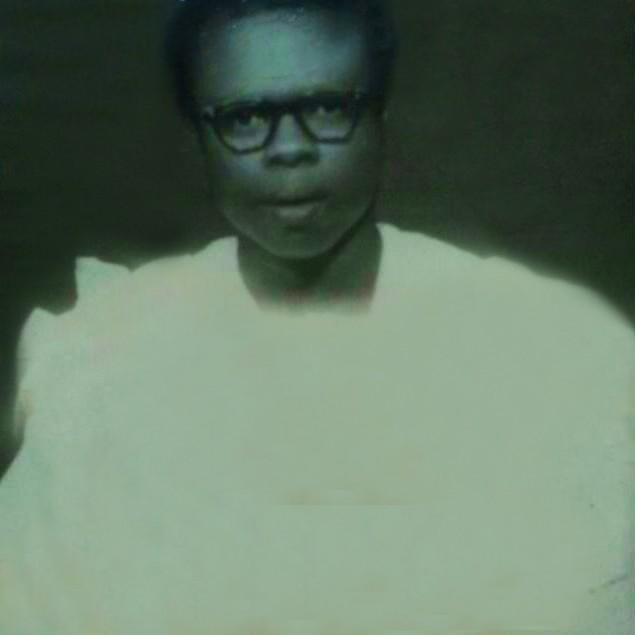
    Onochie Igwesi
    HRH Eze John Egbo Igwesi

    Late John Egbo Igwesi was an academic scholar, a steadfast civil servant in the then Coal Corporation in Enugu, an outstanding and smart politician, an unrepentant clan/community leader who was widely reputed for championing any course for Nkanu and Awkunanaw, nearly becoming clannish, and a revered first-class traditional ruler. Eze Chinawaeze II of Obuoffia was known extensively for the humble commitment of his life and humble wealth to the service of his people.

    Throughout his lifetime, John Igwesi  recorded innumerable political and developmental wins for Awkunanaw and Nkanu. He held many positions of authority in Nkanu Land and beyond, positions which may not be exhausted here. Prominent among them were, Honorable Member representing Udi East Central Constituency in the then Eastern Region House of Assembly under NCNC with the likes of Janeth Mokelu, Dike, etc. His stint as a Representative holding a mandate sacrosanctly given to him by his people was remarkable for consistently promoting, projecting and sustaining the interests of his people.

    History has it that on a particular day, a day which started like any other, but on which Chukwu okike had a bigger plan for Nkanu, John Igwesi stood up on the floor of the Eastern Assembly, his voice towering above his colleagues, as he courageously moved the motion for the separation of Nkanu Division from the Old Udi Division, backing his motion with unarguable facts and ensuring he gained the needed traction for that motion to scale through, a feat he achieved and for which Nkanu was granted autonomy. Would it be an overstretch if I say that were it not for the intervention of God through Igwe John Igwesi, Nkanu may not have been?

    John Igwesi went on to become a Divisional Officer (D.O) and was elected Chairman, Nkanu County Council for donkey years, where he instituted remarkable developments in Nkanu. He was a humanist and philanthropist whose milk and brook of compassion overflowed. You recall that piece I did in 2020 where I narrated how I benefitted firsthand, 39 years after his death, from his good deeds? He uplifted not just the development of infrastructures but also the development of churches, sports and education which he so believed in.

    95-year-old Chief Mark Ngene, Egbe a nu-uzu of Attakwu, Akegbe Ugwu, Chairman of the Peace & Reconciliation Committee of Awkunanaw Welfare Association and a walking encyclopedia and repository of our history had a lot to say about John Igwesi. On the history of Awkunanaw and formation of Awkunanaw Welfare Association, he recalled “we were in school, I was in Standard 5 when the association started in 1945 through ’46, ’47 or so. It started because in Awkunanaw, there was no Standard 6 and the only mission in Nkanu was the Methodist mission in Agbani. Our people saw it as a backward development so began to think of how to have Standards 5 & 6 in Awkunanaw. Okeke ede from Umaa, Igwe John Igwesi, David Ani nw’ogbo met and decided to take the problem to one Revd. Wood who at that time was in charge of Agbani circuit in the Methodist church. They met with him and they were given conditions. The negotiation spanned from 1945 to 1948. The establishment of the present secondary school in Akpasha was as a result of that. Then it was a Standards 5 & 6 school. The establishment of that school was wonderful for our people. As far as the modern Awkunanaw is concerned, her development started from these three human figures”.

    When asked about people who played major roles in the making of Nkanu’s history, he said “Ah, those who made Nkanu a modern Nkanu, those of us who are old still remember them but we are very few now. Fortunately, some of these things have been documented. Coming down to Awkunanaw, we had the paramount chief Ugwunnaji, Agbowo ebiem, Okeke ede, Igwe John Igwesi and so on. I still remember that in Nkanu, it was Dennis Nnaji of Oruku, Daniel Nnamani of Agbani, Igwe John Igwesi, Igwe Edward Nnaji that were at the fore front of the modern Nkanu and their base was at Agbani where we had the headquarters of Nkanu County Council. They first identified Nkanu because we were under Udi District Council. Nkanu said it was not wise for them to go second to Udi area. These men made it possible that Nkanu stood on her own. As at then, Nkanu had just very few schools, the only Standard 6 we had in Nkanu area was at Agbani Methodist Central School because the Methodist church was quite popular in Nkanu then. These names I mentioned were the pioneers that made it possible for each side in Nkanu to build their schools, and have up to Standard 6, which was the maximum then”.

    Igwe John Igwesi may be dead but he still lives on because the fruits of his labour still exist. I recall one of my interactions with an Nkanu West stakeholder who said “Your family is still benefiting from the goodness of John Igwesi.” He was a man who didn’t believe that he alone should stand, a practical crusader of ‘Live and Let Live’.

    Grandpa, as we mark the 41st anniversary of your demise, we thank God for enabling your descendants to attempt to sustain your ideals and legacies. You left a huge shoe which we are trying to fill, for who can easily fill in the shoes of a selfless servant like you? We wish to let you know that the Nkanu you toiled for has continued to be great and that just like in your time, she still has some black sheep. But isn’t that the beauty of life? Chinawaeze, you will forever remain green in our memories. May God continue to grant repose to your soul as we hope that one day, you will be given the loud post humous celebration you deserve.

    As I drop my pen, I feel I should repeat what I had once written. Like someone once said, carve your name on hearts because legacy is not just leaving something for people but leaving something in people. Leave the inheritance of a good name for your children in a world that will feel indebted to them because of the kindness, goodness and compassion of their parents. It was Jonathan’s kindness that caused his crippled son Mephibosheth to eat at the table of the King, David, for the rest of his life.

    Onochie Jon-Igwesi, a grandson of Igwe John Igwesi, writes from Omuoha-Obuoffia.

  • Cryptocurrency Ban and its economic implications in Nigeria         

    Cryptocurrency Ban and its economic implications in Nigeria         

    By Ikenna Igwe

    In the last four years, cryptocurrencies especially Bitcoin have become ubiquitous, prompting both global and domestic monetary authorities to devise a means to regulate and accept their usage. In Nigeria alone, the crypto market has expanded so much that the volume of Bitcoin traded monthly is estimated at $200mn according to Buycoin, one of Nigeria’s largest cryptocurrency exchange.

    Background to the Ban

    Digital currencies have proved to be highly volatile and risky, forcing several regulatory bodies including the Central Bank of Nigeria (CBN) to earn against huge investment in the crypto market. In a letter dated 5th February, 2021, the Nigerian government through its apex bank, the Central Bank of Nigeria (CBN), clamped down on cryptocurrency in Nigeria. The letter mentioned that all banks and financial institutions must comply with the following directives:

    1)Stop the facilitation of payment for cryptocurrency exchange

    2) Identify persons/entities transacting in cryptocurrency within their system and close such accounts.

    A degree of public backlash followed the letter that made the CBN release a rejoinder attempting to clarify the reasons for the ban. Some of the reasons given were:

    ~Transacting in cryptocurrency carries the risk of loss of investment, money laundering, terrorism financing, illicit fund flows and criminal activities.

    ~There is an extreme price volatility of cryptocurrency preventing it from being a viable option as a lasting means of payment.

    ~Being unregulated, cryptocurrency violates the CBN Act as the only institution that can create a legal tender.

    With the release of the letter, cryptocurrency was made categorically illegal in Nigeria. Major financial technology companies including Chaka, Bamboo, Kuda and Piggyvest, among others notified their customers. However, it has to be said that there are alternatives for cryptocurrency transactions regardless of the ban. Cryptocurrency retailers and other outfits are now making recourse to Peer to Peer (P2P) trades.

    P2P trades are trades between individuals without intermediation by a third party, typically a corporation or business. Binance launched an Express mode for P2P trades in Nigeria. This means that users can now buy and sell on the platform without going through banks as a third party.

    Although it is fair to note that countries like China have also outlawed cryptocurrencies, where there created a state owned cryptocurrency known as DC/EP, but it appears to be some sort of communist approach, where the government seeks to own and regulate almost everything.

    Effects of the ban

    1)The ban on cryptocurrency will also no doubt decrease investors’ confidence in the Nigerian market. It tends to heighten the regulatory risk associated with doing business in Nigeria and reduce the rate at which venture capital or other investors are willing to fund innovations in Nigeria.

    2)The fast expansion of the Nigerian crypto market has created numerous jobs especially for the youths and the ban will affect individual home based traders. Stopping the operation of the emerging crypto market could mean more job loss and will also tend to trigger a faster increase in the rate of unemployment which is already projected by the Presidential Economic Advisory Council (PEAC) to increase up to 40% by the end of 2021.

    A new game changer (E-Naira)

    In October 2021, the Nigerian government and its apex bank, the Central Bank of Nigeria (CBN) launched a new digital currency called E-Naira, which is basically a digital representation of the paper naira and coexists with it as an additional form of money. It has the same value as the physical naira and guarantees simple, safe and fast transfer and payments anytime and anywhere. The introduction of the E-Naira will indeed be a game changer to the Nigerian economy. It is a great leap in the country’s digital economy and shows a touch of pacesetter mindset from the federal government.

    A digital and borderless naira will foster diaspora remittance and cross-border trade. This digital currency definitely promotes financial inclusion and enables the government to make welfare payment easier and faster. The possibilities that the E-Naira hold are huge, although it is still in its “infancy”, we have to watch and see how it plays out in the long run.

    From all indications, the crypto market is not going anywhere soon. Therefore, it is vital and paramount for the CBN to invest in understanding the market and utilizing it to attract much needed investment inflows.

  • Beauty Obsessions 

    Beauty Obsessions 

    By Chidinma Prisca Elebe

    Once upon a time, there lived a queen who had great obsession about her looks and she had this magical talking mirror she goes to when she feels insecure about her beauty and most of their conversations go thus: “Mirror, mirror on the wall, who is the fairest one of all” the queen inquires, and the mirror answers, “you are the fairest of all, O queen, the fairest our eyes have ever seen”. This response from the mirror continued for a while till another maiden more beautiful than the queen emerged in the land. This discovery made the queen furious and made her poison the lady so that she could still remain the most beautiful. This story is more than children’s fables. It reveals the extent some of us can go to look beautiful. Now this mirror reflects the queen’s insecurity and her obsession with her appearance. The queen was beautiful and didn’t really need constant reassurance from the mirror.

    This story underscores our constant need to outdo each other in trying to look more beautiful and attractive and a lot of us have become victims of these insecurities leading to low self esteem. People even go as far as body shaming others who they think does not fit into the new narrative of beautiful.

    This generation’s quest for attractiveness is endless. It transcends every imagination the lengths people will go to achieve “perfection”. Perhaps attractiveness has taken a different connotation in this generation. The definition of beauty keeps changing over the years: beauty was the thin, frail looking, big busted women in the 19th-20th Century and the bulky men.

    Presently, men are required to possess rock abs, sculpted and shredded physique like super heroes and women are also required to possess the hourglass figure also known as “ slim thick” comprising of big breasts, flat stomach and big bum. It’s obvious that our perceptions of beauty are quite dynamic and have led to a tremendous change in peoples nutrition and everyday lifestyle. The recent “fit fam” trend is an attestation to the health and body image awareness, people started engaging in strenuous exercises and ketogenic diets to acquire this recently appealing look. The consequence of this is the increased rate of anorexic patients including other health issues and low self esteem for people that can’t achieve their set out goal.

    Social media plays a huge role in this recent definition of beauty and the advancement in technology made it easy for people to take better pictures with their cameras, smart phones and post meticulously edited pictures and selfies on social media. One can even use these editing apps and filters to alter their complexion, facial symmetry and body shape to their preferred specifications and with just a click of an app, created beauty is out for the world to gaze upon. It is obvious that nearly everyone looks good on social media because we often present our best selves for the world to see.

    This new definition of beauty and perfection and has gripped our ladies like fever and becoming so contagious that a good number of Nigerian celebrities and celebrity wannabes have become obsessed with acquiring this figure that they are willing to go under the knife to alter their physical appearance. The social media is always awash with a huge number of people trying to achieve the looks of various celebrities, dolls. The western media plays a pivotal role in projecting these warped perceptions of beauty to the rest of world especially in Nigeria. The Kardashians, American female rappers and actresses were so influential that most young people were drawn to this hourglass image like people under some kind of spell. This development is evident in the annual data provided by the American Society for Aesthetic Plastic Surgery that shows a 64% increase in the rate of aesthetic plastic surgery over the years among women below 30 years old, with America and Brazil leading this recent trend.

    The society’s perception of beauty will always change. For instance, the American Board of Plastic Surgery observed a reduction of 14.9% in breast augmentation and 34.4% in implant removal (explanations). Breast augmentation surgery was once the mostly globally performed surgery with about 1,677,320 by 2017 but by 2019, a lot of women were removing their implants-these are cosmetic surgeries that were trending in the early 2000s. Obviously, one cannot keep up with these demands so when do we stop? Continuing with this trend of changing our bodies to conform to societal standards will never satisfy us, eroding our humanity in the process and exposing our wretchedness.

    It would be a shame that after spending huge sums of money to alter our physical appearance, we are yet to be satisfied with our self image because nothing changed on the inside. Our self image should stem from our individual differences and abilities, self acceptance involves being comfortable with yourself despite the state of your body because eventually everyone will get old and the skin will definitely lose its elasticity.

    Body positivity is more about being comfortable in your own skin and accepting that you are more than your looks. Obesity or being underweight is not healthy so just keep fit by exercising, eating the right kinds of food; do not forget to incorporate fruits and vegetables in your menu and drink a lot of water.

    Finally, I cannot wait to see the next thing this generation becomes obsessed as a yardstick to measure beauty and how these standards will be met.

  • Frontier Discourse: Ugwuanyi, Ezeilo, Macaroni, Onu, Nnaji, Nwobodo, Nigerian Youths, For Honor Today

    Frontier Discourse: Ugwuanyi, Ezeilo, Macaroni, Onu, Nnaji, Nwobodo, Nigerian Youths, For Honor Today

    Frontier Discourse: Ugwuanyi, Ezeilo, Macaroni, Onu, Nnaji, Nwobodo, Nigerian Youths, For Honor Today

    Eleven distinguished Nigerians from all walks of life will be honored today at the maiden edition of the Frontier Discourse Public Lecture Series and Awards, organized by The Pacesetter Frontier Magazine.

    The Public Lecture and Awards which will hold at Bon Hotel Sunshine, Presidential Road, Independence Layout, Enugu, starting from 2.30pm with a Red Carpet, will have a former Minister for Information & Communications, Frank Nweke II, as the Chairman.

    Oseloka H. Obaze, a former UN Diplomat, former Anambra SSG, 2017 Anambra State PDP Guber Flagbearer/Candidate and Anambra State Chairman of the 2019 Atiku-Obi Presidential Campaign Council is the Keynote Speaker and will deliver a lecture on the topic Mental Power at the Mercy of Political Will; Nigerian Politics and Its Conscious Play to Ignorance.

    The Executive Governor of Enugu State, His Excellency, Rt. Hon. Dr. Ifeanyi Ugwuanyi is the Chief Guest of Honor.

    The Special Guests of Honor at the event are His Excellency, Senator Ike Ekweremadu, PhD, CFR, former Deputy President of the Senate, and His Excellency, Okwesilieze Nwodo, former Governor of Enugu State and former National Chairman of the Peoples Democratic Party.

    Hon. Steve Oruruo, the Special Adviser to the Governor of Enugu State on Information is a Discussant in the panel session that will also have Ekweremadu and Obaze.

    The Royal & Spiritual Fathers of the day are HRM, Igwe Kenneth Orizu III (Obi of Otolo & Igwe of Nnewi) HRH, Igwe Amb. Lawrence Agubuzu, HRH, Eze Barr. Igwesi O. Igwesi & HRH, Igwe Abel Nwobodo and His Grace, Most Revd. Dr. E.O Chukwuma respectively, among other dignitaries.

    Award Recipients are His Excellency, Distinguished Senator Jim Ifeanyichukwu Nwobodo and Professor Bartholomew Nnaji as recipients of the Lifetime Achievement Award, Engr. Paul Basil Iloegbouba and Hon. Chinedu Hillary Onuh as the recipients of the Business Personality Award, Hon. Arinze Chilo-Offiah and Mr. Debo Adedayo (Debo Macaroni) receiving the Youth Icon Award, Prof. Joy Ngozi Ezeilo and Mrs. Aisha Yesufu as recipients of the Woman of the Time Award.

    Others include His Excellency, Rt. Hon. Dr. Ifeanyi Lawrence Ugwuanyi (Executive Governor of Enugu State) as the recipient of the Governor of the Year in Peace and Welfare Award, Mr. Oseloka Henry Obaze as the Frontier Person and the #EndSars Protest as the recipient of the Most Significant Event of the Year Award.

  • The Pacesetter Frontier Magazine awards is an elixir to do more- Barth Nnaji, Joy Ezeilo

    The Pacesetter Frontier Magazine awards is an elixir to do more- Barth Nnaji, Joy Ezeilo

    The Pacesetter Frontier Magazine awards is an elixir to do more- Barth Nnaji, Joy Ezeilo

    Former Minister for Power and Chairman, Geometric Power Limited, Professor Barth O. Nnaji, CON, and renowned Girls/Women Rights Activist & Fmr. UN Special Rapporteur on Human Trafficking, Prof. Joy N. Ezeilo, OON, have both described their recognition by The Pacesetter Frontier Magazine as an elixir to continue to work for good governance in the country and render selfless service.

    Speaking separately when they received a delegation from The Pacesetter Frontier Magazine, who came to present letters announcing them as winners of the Lifetime Achievement Award 2020 and Woman of the Time 2020 in Enugu, the duo said they were humbled by the honour.

    Nnaji receiving his letter

    Nnaji said he was delighted at his emergence from the voting process that heralded the honor to be bestowed on him as a Lifetime Achiever. He said he was quite surprised when people called him on phone to let him know that he was leading in a voting poll under the Lifetime Achievement Awards category, noting that the surprise was heightened by the fact that he couldn’t receive the letter of nomination sent to his mail by the magazine.

    While glancing through a complimentary copy of the magazine, he appreciated the class the magazine reflected in her publications.

    For Ezeilo, she commended the magazine for continuing to make a stride in time, pointing out that in recent times she had begun turning down awards but was convinced to receive yet another from the magazine because the magazine has continued to set the pace, while maintaining a great poise in Journalism.

    Ezeilo receiving her letter

    “The Pacesetter Frontier Magazine has continued to set an impressive precedence for which all progressive minded persons ought to associate with. I appreciate awards that are not solicited for and this is one of them”, she said.

    The Frontier Discourse Annual Public Lecture Series and Awards is slated for Saturday, November 13, 2021 at Bon Hotel Sunshine, Presidential Road, Independence Layout, Enugu.

    Other recipients of awards include;

    LIFETIME ACHIEVEMENT AWARD

    His Excellency, Distinguished Senator Jim Ifeanyichukwu Nwobodo

    BUSINESS PERSONALITY AWARD

    Engr. Paul Basil Iloegbouba

    Dr. Ifeanyi Chukwuma Odii

    Mr. Chinedu Hillary Onu


    YOUTH ICON AWARD

    Hon. Arinze Chilo-Offiah

    Mr. Debo Adedayo (Debo Macaroni)

    WOMAN OF THE TIME AWARD

    Mrs. Aisha Yesufu


    GOVERNOR OF THE YEAR AWARD

    His Excellency, Rt. Hon. Dr. Ifeanyi Lawrence Ugwuanyi (Executive Governor of Enugu State)

    FRONTIER PERSON

    Mr. Oseloka Henry Obaze

    MOST SIGNIFICANT EVENT OF THE YEAR

    #EndSars Protest (Nigerian Youths).