Category: News

This is an optional category description

  • 2027: Catholic Bishops Declare Fasting, Prayers

    2027: Catholic Bishops Declare Fasting, Prayers

    The Catholic Bishops’ Conference of Nigeria (CBCN) has called on dioceses and parishes across the country to commence civic education, voter mobilisation, fasting and prayers ahead of the 2027 general elections.

    The bishops made the call in a communiqué signed by the President of the CBCN, Archbishop Matthew Man-Oso Ndagoso of Kaduna, and the Secretary, Bishop Peter Olukayode Odetoyinbo of Abeokuta Diocese, and issued at the end of their Second Plenary Meeting for 2026, held from September 10 to 18 at the Our Lady and St. Kizito Pastoral Centre, Oke-Gada, Ede, Osogbo Diocese, Osun State.

    The bishops specifically directed dioceses and parishes to organise end-of-month fasting and prayer, alongside Rosary processions, from October to December 2026 as part of preparations for the elections.

    They also declared December 8, 2026, as a special national day of prayer and fasting for the success of the 2027 general elections. The CBCN urged all stakeholders to work towards ensuring that the elections are free, fair and credible.

    It encouraged eligible Nigerians to come out in large numbers to vote for candidates they consider qualified, while exercising their choices according to their consciences.

    The bishops also asked citizens to study and follow the provisions and guidelines contained in the pastoral letter issued by the Conference on the forthcoming elections.

    Beyond the electoral process, the bishops called for civic education and mobilisation as part of efforts to promote responsible participation in the 2027 elections.

    The Conference also called for a renewed approach to politics, urging political actors and citizens to focus on moral principles, the promotion of human life and dignity, and the pursuit of the common good.

    The bishops said Nigeria continued to face challenges in achieving national integration but maintained that positive change remained possible through individual and collective efforts.

    They further said they would continue to pray for people holding political offices, citing the biblical recommendation of St. Paul to pray for those in authority.

    On the broader state of the nation, the bishops expressed concern over insecurity, poverty, poor infrastructure, bad governance and what they described as assaults on human dignity.

    They called for stronger security measures, better intelligence gathering and accountability for those responsible for criminal activities, while urging citizens to cooperate with security agencies and reject ethnic and religious divisions.

    The bishops also urged governments at all levels to create jobs, support local businesses and implement economic policies capable of reducing the financial burden on poor Nigerians.

    They called for greater investment in roads, electricity, water and railway infrastructure as part of measures to improve socio-economic conditions across the country. Tribune
  • NLC Demands Wage Awards, Crude Allocation to Local Refiners as Petrol Price Rises

    NLC Demands Wage Awards, Crude Allocation to Local Refiners as Petrol Price Rises

    Precious Nwonu, Enugu

    The Nigeria Labour Congress has called on the Federal Government to introduce emergency measures to cushion workers and households from the impact of rising petrol prices.

    The NLC also urged the government to sell crude oil to local refineries in naira and expand the country’s petroleum storage capacity to strengthen energy security.

    The call was contained in a statement titled, “Save the Situation Now,” signed by the NLC President, Joe Ajaero, on Wednesday.

    The labour union said the latest increase in petrol prices would further worsen the economic difficulties facing Nigerians, noting that the product now sells for about N1,430 per litre in major cities, with prices reportedly higher in less accessible areas.

    Ajaero warned that the increase would have wider economic consequences because higher transportation costs typically lead to increases in the prices of food, rent, school fees and other essential goods and services.

    The NLC questioned why the government would allow Nigerians to bear the full impact of rising fuel prices under the deregulation policy, particularly with the next general elections approaching.

    It argued that government intervention to cushion the effect of the increase should not be regarded as inappropriate, particularly during an emergency.

    According to the union, the latest surge in petrol prices came at a time when government efforts to persuade oil marketers to reduce pump prices in line with lower international crude prices were beginning to yield results.

    The NLC attributed the latest pressure on fuel prices to the resurgence of conflict in the Gulf but said Nigeria’s status as an oil-producing country and its local refining capacity should provide some protection against external shocks.

    Ajaero said the government should immediately introduce measures to shield workers, households and businesses from the impact of the higher fuel prices.

    He specifically called for the payment of reasonable wage awards to workers nationwide, the allocation of sufficient crude oil to local refineries in naira and the expansion of national petroleum storage capacity.

    The labour leader said the measures would not only cushion Nigerians from the immediate impact of higher fuel prices but could also create jobs, generate economic value and strengthen the country’s response to security challenges.

    The NLC maintained that government intervention through palliatives was justified in emergency situations, arguing that oil-producing countries had adopted various measures to protect their citizens from the effects of global energy shocks.

    Ajaero further said the government’s additional earnings from the international oil market provided room for intervention.

    He claimed that the government was currently earning between $35 and $40 more per barrel than the figure used in the budget, describing the difference as a windfall that should be used to support Nigerians during the current period of economic pressure.

  • Tinubu Launches Four-Year Plan to End Child Labour in Nigeria

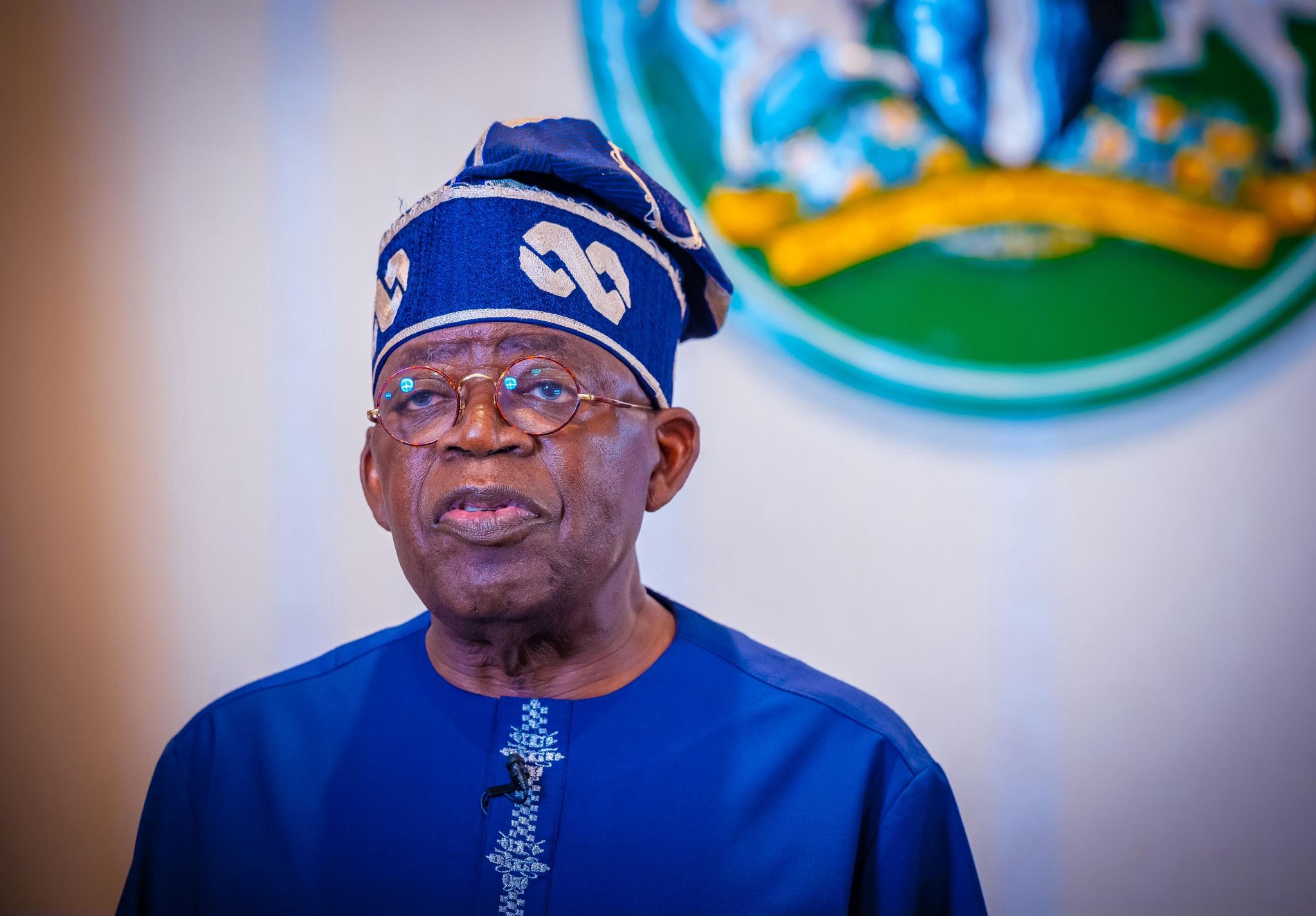
    Tinubu Launches Four-Year Plan to End Child Labour in Nigeria

    Precious Nwonu, Enugu

    President Bola Tinubu has unveiled a four-year national action plan aimed at eliminating child labour in Nigeria, describing the issue as a major national development concern.

    Tinubu made the declaration on Wednesday in Abuja at the National Dialogue on Advancing the Implementation of Nigeria’s National Child Labour Policy and National Action Plan 2026-2030.

    The President, who was represented at the event by the Secretary to the Government of the Federation, George Akume, also launched the 2024 National Child Labour Survey Report.

    According to a statement by Akume’s media aide, Yomi Odunuga, Tinubu said child labour had implications for several areas of national development, including education, poverty reduction, economic growth, food security and human capital development.

    He said the Federal Government would focus on addressing the factors that push children into labour, while strengthening systems designed to protect them.

    “Every nation is judged by how well it protects its children. A child who is forced into labour instead of attending school loses more than an education. That child loses opportunities, confidence, health and the chance to fully contribute to national development,” the President said.

    Tinubu said his administration would improve labour administration and inspection, strengthen child protection systems and expand interventions addressing poverty, unemployment, poor access to quality education and social exclusion.

    He said the 2026 theme, “Red Card to Child Labour: Fair Play for Children, Decent Work for Adults,” reflected the country’s commitment to tackling child exploitation.

    The President identified education as a key measure for preventing child labour, saying his administration was implementing reforms focused on out-of-school children, education data, teacher development and skills acquisition.

    He added that the Renewed Hope National Home-Grown School Feeding Programme would encourage school attendance while helping to address hunger and malnutrition among children from vulnerable families.

    Tinubu also pointed to social protection programmes, including the NG-CARES Additional Financing Programme and the Human Capital Opportunities for Prosperity and Equity Programme, as measures aimed at strengthening household resilience.

    According to him, expanding economic opportunities for parents and caregivers would help reduce the pressure that forces children to contribute to household income.

    The President also referenced the National Plan of Action on Ending Violence Against Children in Nigeria 2024-2030, launched in 2025, and said efforts were ongoing to strengthen enforcement of the Child Rights Act and other laws protecting children.

    He said the government was also taking steps to improve security in schools, particularly in communities considered vulnerable to threats.

    Tinubu described Nigeria’s status as an Alliance 8.7 Pathfinder Country as both a responsibility and an opportunity to demonstrate progress in combating child labour.

    He said the newly launched National Child Labour Policy and National Action Plan 2026-2030 would provide a framework for turning the country’s commitments into measurable actions.

    The President urged state governments to support the implementation of the plan and called on the Nigeria Governors’ Forum and Nigeria Governors’ Spouses Forum to promote child protection initiatives across the country.

    He also appealed to employers to ensure that their supply chains were free from child labour.

    Workers’ organisations, development partners, traditional and religious leaders, communities, parents and guardians were similarly urged to contribute to efforts to protect children from exploitation.

    Tinubu subsequently launched the 2024 National Child Labour Survey, conducted under the Labour Force Survey, alongside the National Policy and National Action Plan for the Elimination of Child Labour 2026-2030.

    He directed federal ministries, departments and agencies, state governments, employers, workers’ organisations, development partners and civil society organisations to work towards full implementation of the policy and action plan.

    The President commended the Federal Ministry of Labour and Employment, International Labour Organisation, ECOWAS, European Union, Government of the Netherlands, United States Department of Labour, World Bank, National Bureau of Statistics and members of the National Steering Committee on the Elimination of Child Labour for their contributions.

    Tinubu said the country must now move “beyond commitment to action” to ensure that Nigerian children have access to education and protection and are able to grow up free from exploitation.

  • FRSC Warns Motorists Against Fake Traffic Offence Messages

    FRSC Warns Motorists Against Fake Traffic Offence Messages

    Precious Nwonu, Enugu

    The Federal Road Safety Corps has cautioned motorists and other members of the public against fraudulent text messages claiming that recipients have been recorded for new road traffic offences.

    The Corps said the messages were part of a scam designed to deceive unsuspecting individuals into visiting a fake website created to impersonate the FRSC.

    The warning was contained in a statement issued on Wednesday by the Corps Public Education Officer, Osondu Ohaeri.

    According to the FRSC, the fraudulent messages are being circulated through mobile phones and social media platforms.

    The messages reportedly create a sense of urgency by informing recipients that a traffic offence had been recorded against them and directing them to a link to view the alleged offence.

    The Corps said the website linked to the messages was fraudulent and had no connection with the FRSC.

    It urged motorists who receive such notifications to disregard the links and verify any traffic offence through the agency’s recognised communication channels.

    The FRSC warned that clicking on the links could expose victims to attempts to steal sensitive personal and financial information.

    It specifically advised members of the public not to provide banking details, passwords, card information, driver’s licence details, vehicle registration information or other confidential data through the suspicious platforms.

    The Corps also urged recipients of the fraudulent messages to preserve the evidence, avoid further communication with the senders and report the scam through the appropriate authorities.

    It reminded motorists that its national toll-free contact number is 122 and advised members of the public to rely on the agency’s official website and established communication channels for information relating to traffic offences.

    The Corps Marshal, Shehu Mohammed, directed that motorists and other members of the public be adequately sensitised about the fraudulent scheme.

    Mohammed urged Nigerians to adopt a “stop, verify, report” approach whenever they receive unsolicited messages claiming to be from the FRSC.

    The Corps also warned individuals behind the scheme against using its name, insignia and digital platforms to defraud members of the public.

    It said it would collaborate with relevant law enforcement and cybersecurity agencies to identify and prosecute those responsible for the fraudulent activities.

  • Constitution Amendment: 36 State Assemblies Get 30-Day Administrative Window

    Constitution Amendment: 36 State Assemblies Get 30-Day Administrative Window

    Precious Nwonu, Enugu

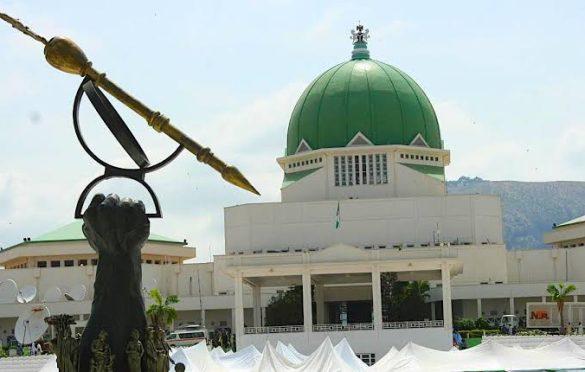
    The National Assembly has forwarded the 2026 Constitution alteration bill to the Houses of Assembly of the 36 states for consideration, with the state legislatures expected to communicate their decisions within 30 days of receiving the proposals.

    However, the National Assembly clarified that the 30-day period is an administrative timeframe and is not a deadline imposed by the 1999 Constitution.

    The Clerk to the National Assembly, Kamoru Ogunlana, transmitted the Constitution of the Federal Republic of Nigeria, 1999 (Sixth Alteration) Bill, 2026, to the state legislatures on Wednesday following a directive from the leadership of the National Assembly.

    The transmission marks the beginning of the state legislature stage of the constitutional amendment process.

    In a statement, Ogunlana said the action was taken in line with Section 9 of the 1999 Constitution, which sets out the requirements for altering the country’s supreme law.

    He said the proposed amendments must receive the approval of at least two-thirds of the 36 state Houses of Assembly before the process can move forward.

    According to him, the National Assembly had completed its part of the legislative process by passing the proposed alterations in both chambers before transmitting the bill to the states.

    The state legislatures are now expected to consider the proposals according to their respective legislative procedures and forward their resolutions to the National Assembly.

    Ogunlana explained that the Constitution does not specify a period within which state assemblies must communicate their decisions on constitutional alteration bills.

    He said the 30-day period was therefore introduced to facilitate a coordinated and timely consideration of the proposals.

    “The Constitution does not prescribe a specific period within which the state Houses of Assembly are required to communicate their resolutions on a constitutional alteration Bill.

    “Nevertheless, in the interest of an orderly, coordinated and timely conclusion of the constitutional alteration process, the state Houses of Assembly are expected to consider the Bill and communicate their respective resolutions to the National Assembly within 30 days of receipt.

    “For clarity, the 30-day period is an expected administrative timeframe and does not constitute a constitutional deadline,” he stated.

    The National Assembly also stressed that the transmission of the bill was not intended to dictate how the state legislatures should vote or consider the proposals.

    According to Ogunlana, the state Houses of Assembly have a constitutional responsibility in the process and are expected to exercise their legislative powers independently.

    He said the National Assembly remained committed to conducting the amendment exercise in accordance with the Constitution, due process and the responsibilities assigned to the different levels of the legislature.

    The latest development followed the passage of the proposed constitutional alterations by the Senate and the House of Representatives.

    Under Section 9, a constitutional alteration bill must first secure the required majority in both chambers of the National Assembly before being submitted to the state legislatures.

    For an amendment to proceed, at least 24 of the 36 state Houses of Assembly must approve it.

    The process comes amid the National Assembly’s earlier assurance that the constitutional review would be concluded before the end of the tenure of the 10th National Assembly in June 2027.

    The timeline has generated attention because of preparations for the 2027 general elections and concerns that the review could face delays similar to previous constitutional amendment efforts.

    Chairman of the Senate Committee on Media and Publicity, Yemi Adaramodu, had said the proposed amendments would be completed within the lifespan of the current National Assembly.

    Adaramodu also clarified that January 2027 would not mark the end of the 10th National Assembly, noting that its tenure would run until June 2027.

    He said the recently passed Electoral Act had addressed concerns relating to the timing of the 2027 general elections.

    Senate President Godswill Akpabio had similarly said lawmakers would be able to combine their political activities with their legislative responsibilities.

    The proposed constitutional review covers issues relating to governance, political restructuring and other aspects of Nigeria’s constitutional framework.

    The transmission of the bill to the 36 state Houses of Assembly has now shifted the next major stage of the amendment process to the state legislatures, whose resolutions will determine whether the proposals can proceed further under the constitutional procedure.

  • Ogbete Traffic Disruption: Drivers, Keke Riders Deny Tax, Fuel Price Protest, Back Enugu Terminal Policy

    Ogbete Traffic Disruption: Drivers, Keke Riders Deny Tax, Fuel Price Protest, Back Enugu Terminal Policy

    Commercial drivers and tricycle operators in Enugu State have dispelled rumours that they staged protest over taxes and fuel price hike.

    According to them, the temporary disruption of traffic around the Ogbete Main Market axis was caused by a misunderstanding over enforcement and allocation of loading spaces.

    This is also as they have thrown their weight behind the state government’s ongoing efforts to relocate commercial vehicles from roadsides to designated transport terminals.

    The transport operators, who spoke at a meeting with officials of the Enugu East Zone Terminals, said reports attributing the incident primarily to opposition to taxation and rising fuel prices did not reflect the circumstances that led to the disruption.

    Speaking at the meeting, a representative of the National Union of Road Transport Workers (NURTW) covering the Obiagu and New Haven branches, Comrade Obi Okonkwo, said the unions had no objection to the government’s decision to move commercial vehicles off the roads and into designated terminals.

    According to him, the disagreement arose from the manner in which the enforcement was carried out, particularly the failure to show some operators their allocated spaces within the terminals.

    “We have no problem with the government’s decision to decongest the roads and move us into the terminals. Our concern was simply that the enforcement team should carry us along and show our members where they were expected to load,” Okonkwo said.

    He urged the public to disregard narratives suggesting that the transport unions were opposed to the administration’s transport reforms.

    Similarly, Comrade Chinonso Michael, who represented operators on the Obiagu-New Market route, attributed the misunderstanding to inadequate communication between the enforcement team and transport operators.

    “Right from the beginning, we were not against the decision to move us from the roadsides into the terminals. We only wanted to be properly carried along by the enforcement team,” he said.

    Also speaking, a national representative of the union in the state, Comrade Achi Ikechukwu, said the incident could have been avoided through better communication, adding that the unions were prepared to work with the terminal management to ensure compliance.

    He called for the establishment of a liaison committee between the transport unions and terminal management to address operational concerns and facilitate the transition from roadside loading to the designated facilities.

    The Chairman of the tricycle operators, Comrade Kingsley Edeh, also rejected the claim that the incident was primarily a protest against taxation.

    Edeh said the operators had continued to pay their statutory levies, adding that their immediate concern was the availability and allocation of suitable loading spaces within the terminals.

    He appealed to the terminal management to ensure that operators were given appropriate spaces, while assuring that his members would cooperate with the government’s efforts to reorganise commercial transportation in the metropolis.

    Edeh commended the government’s decision to establish the terminals, saying the initiative could help address the longstanding problem of traffic congestion and roadside loading in the city.

    Responding, the Managing Director of Enugu East Zone Terminals, Dr John Egbo, assured the transport unions of continued engagement and cooperation.

    Egbo said the terminals were conceived as part of the state government’s effort to address traffic congestion around major commercial centres and create an organised transportation system.

    He led representatives of the unions to their designated loading areas within the terminal, explaining that the facilities were intended to serve both transport operators and commuters.

    According to him, the terminals would reduce roadside congestion, improve the movement of vehicles and passengers and create a more orderly environment around the city’s commercial centres.

    The Commissioner for Transport, Dr Obi Ozor, who inspected the facility, commended the terminal management for the organisation of the facility and urged transport operators to work with the government to ensure the success of the initiative.

    Ozor said the terminals formed part of the administration’s broader effort to address longstanding traffic challenges around Ogbete Main Market, Old Park and other commercial areas of Enugu metropolis.

    He said the policy was also intended to improve security and restore order around major markets and transport corridors.

    On the taxation controversy, the commissioner said the state government had undertaken reforms aimed at simplifying revenue collection and reducing multiple collection points, arguing that an efficient revenue system was necessary to support public infrastructure and services.

    He urged transport operators and other stakeholders to engage the government through dialogue whenever operational challenges arose rather than resorting to actions capable of disrupting traffic and economic activities.

    The stakeholders subsequently expressed readiness to continue discussions on the use of the terminals and work towards a smooth transition of commercial vehicles from roadside loading points to designated parks.

    The development comes as the Enugu State Government intensifies efforts to enforce the use of designated transport facilities, a policy that has been applauded by many residents in the state.

  • Commuters Feared Dead in Boat Mishap on River Niger

    Commuters Feared Dead in Boat Mishap on River Niger

    Precious Nwonu, Enugu

    An unspecified number of commuters are feared dead after a boat conveying passengers across the River Niger from Asaba, Delta State, to Onitsha, Anambra State, capsized on Tuesday, September 15, 2026.

    The passengers were reportedly travelling to Onitsha for business and other activities when the incident occurred.

    According to eyewitnesses, some commuters had turned to boat transportation as an alternative means of crossing the River Niger following the closure of the First Niger Bridge for repair works.

    The number of passengers on board the ill-fated boat had yet to be confirmed as of the time of filing this report.

    Among those reportedly involved were a couple identified as Mr and Mrs Victor, while three other victims were said to be minors aged between 12 and 16.

    A video circulating on social media after the incident showed what appeared to be bodies recovered from the river and laid along the riverbank.

    The circumstances surrounding the boat mishap were not immediately clear, while efforts to establish the number of people who died or survived were ongoing.

    The incident occurred about two weeks after the old Niger Bridge was closed to traffic by the Federal Government for major rehabilitation works.

    The closure has created difficulties for commuters and traders travelling between Asaba and Onitsha, with road users resorting to alternative means of transportation.

    Some commuters have reportedly been trekking along the pedestrian walkway of the bridge to access Onitsha, while others have resorted to commercial motorcycles.

    Passengers travelling with goods and vehicles have largely had to use longer alternative routes through the Second Niger Bridge before proceeding to Onitsha and other destinations.

    The closure of the bridge has consequently increased pressure on alternative transportation routes between the two cities, particularly for traders and other regular commuters who depend on the Niger Bridge for their daily activities.

    Authorities had yet to issue an official statement confirming the boat accident, the number of passengers involved or the casualties at the time of filing this report.

  • Anambra Govt Challenges Obi’s Claim of ₦2.13bn Ecological Fund

    Anambra Govt Challenges Obi’s Claim of ₦2.13bn Ecological Fund

    Precious Nwonu, Enugu

    The Anambra State Government has challenged former Governor Peter Obi’s claim that he left more than ₦2.13bn in an ecological fund account when he handed over power in 2014.

    The government said records from First Bank showed that the account identified by Obi was an Internally Generated Revenue Consolidated Revenue Account and not an account specifically designated for ecological funds.

    The Commissioner for Information and Value Reorientation, Law Mefor, disclosed this in a statement issued on Wednesday in response to Obi’s recent comments on the state’s finances.

    Mefor said the government had obtained a certified printout of First Bank account number 2018779464, which Obi identified as the account where he left the ecological funds.

    According to him, the records covering the account from its opening in 2011 to the present did not show any transaction or balance corresponding to the ₦2.13bn claimed by the former governor.

    “We have obtained a certified printout of the account from inception to date. The account is an Internally Generated Revenue Consolidated Revenue Account, not an ecological fund account,” Mefor said.

    “From 2011 when the account was opened until date, there has never been any such amount, whether as inflow or balance, in the account.”

    The commissioner consequently asked Obi to explain where the money he said he left for his successor was kept.

    The dispute followed Obi’s rejection of claims by the state government that his administration left behind financial obligations, including an ecological-related loan, contractor liabilities and arrears involving salaries, pensions and gratuities.

    Obi had maintained that his administration cleared more than ₦35bn in historical gratuity and salary arrears and handed over the state without outstanding obligations to workers or contractors for completed and certified projects.

    On the ecological fund, the former governor said the money was released shortly before the end of his tenure to address the erosion crisis in Oko and Umuchiana.

    He said he deliberately left the funds untouched for the incoming administration because the money was tied to a specific project.

    Obi also said more than ₦2.13bn remained intact in the First Bank account at the time he left office.

    The former governor had challenged anyone disputing his account of the fund to provide evidence to the contrary.

    “If anybody can establish anything to the contrary, I will stop campaigning,” Obi said.

    However, Mefor expanded the state government’s response beyond the disputed ecological fund, saying eight external loans remained outstanding after Obi left office on March 17, 2014.

    He said the outstanding balance of the loans stood at ₦127.4bn as of June 30, 2026, based on the official exchange rate.

    The loans listed by the government were connected to projects including malaria control, agricultural development, health system development, education, community development, erosion management and value-chain development.

    Mefor also disputed Obi’s claim that his administration left office without unpaid salaries, gratuities and pensions.

    He said the administration of Governor Chukwuma Soludo had cleared about ₦22bn in inherited gratuity arrears, while alleging that some liabilities from the Obi administration and earlier governments remained.

    The commissioner cited arrears involving retired teachers and workers of the state Water Corporation.

    He said salary arrears owed to Water Corporation workers continued through the Obi administration and were eventually settled under the Soludo government, with two of three instalments already paid.

    Mefor further alleged that the Obi administration had verified and certified 16 months of salary arrears for primary school teachers but paid only five months.

    “The Obi administration verified/certified 16 months of salary arrears for primary school teachers but paid only five months,” he said.

    The commissioner also questioned Obi’s claim that his administration left more than ₦75bn in savings.

    “We will not engage in nebulous creative accounting. If there were ₦75 billion in savings, as claimed, where are the records?” Mefor asked.

  • Obi Vows to Quit Campaign if Anambra Debt Claims Proven True

    Obi Vows to Quit Campaign if Anambra Debt Claims Proven True

    Precious Nwonu, Enugu

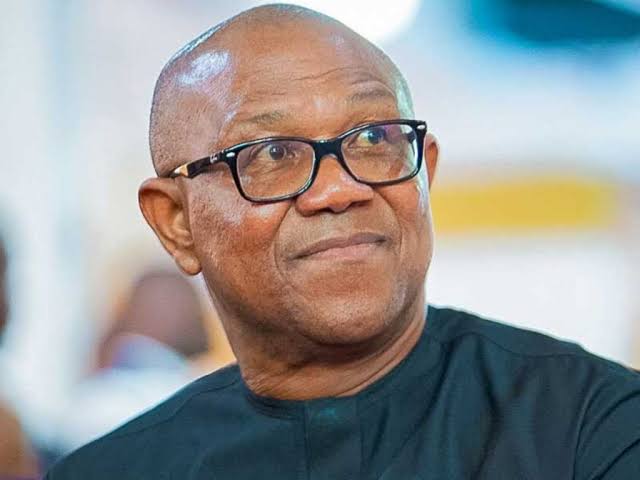
    Presidential candidate of the Nigeria Democratic Congress, Peter Obi, has challenged the Anambra State Government to provide evidence that his administration left behind unpaid debts, salaries, pensions and contractor liabilities when he left office as governor.

    Obi, who governed the state from 2006 to 2013, made the challenge in a statement posted on his social media account while responding to claims concerning the financial obligations inherited by successive administrations.

    He said his administration cleared more than N35 billion in historical gratuities and arrears before leaving office and maintained that there were no outstanding salaries, pensions or gratuities at the point of handover.

    Obi also said contractors whose projects had been completed and certified were paid before his administration left office.

    Addressing the controversy surrounding an alleged N2 billion ecological fund, the former governor said the money was released about three months before the end of his tenure to address the Oko/Umuchiana erosion crisis.

    He claimed that he deliberately left the funds untouched for the incoming administration because they were earmarked for a specific project.

    According to Obi, more than N2.13 billion remained in a First Bank account he identified as the account where the ecological funds were kept.

    He further said the money was separate from the more than N75 billion in savings which he claimed his administration left for its successor.

    “If anybody can establish anything to the contrary, I will stop campaigning,” Obi said.

    The Anambra State Government, however, disputed Obi’s account in a statement issued on Wednesday by the Commissioner for Information and Value Reorientation, Law Mefor.

    The state government said eight external loans obtained during or inherited into Obi’s administration still had an outstanding balance of $92.35 million, which it valued at N127.37 billion as of June 30, 2026.

    It said the loans were connected to projects in areas including healthcare, education, malaria control, erosion management and community development, and that the current administration was servicing the outstanding obligations.

    The government also disputed Obi’s claim that he left office without salary, pension or gratuity arrears, saying the current administration had inherited and cleared about N22 billion in gratuity arrears owed to retired state and local government employees and teachers.

    It further alleged that salary arrears involving workers of the former Anambra State Water Corporation remained unresolved, while some primary school teachers had outstanding salary, pension and gratuity arrears.

    The state government also challenged Obi’s claim concerning the N2.13 billion ecological fund.

    According to Mefor, a certified statement of the First Bank account cited by Obi showed no evidence that the alleged amount had ever been deposited into the account.

    The commissioner said the account was an internally generated revenue consolidated account rather than an ecological fund account, and challenged Obi to explain where the money was kept if it was not in the account he identified.

    The latest exchange has renewed debate over the financial position of Anambra at the end of Obi’s tenure, with both sides presenting conflicting accounts of the state’s debts, arrears and funds left for subsequent administrations.

    ### Obi opens up academic records

    In a separate development, Obi said he had no objection to legitimate scrutiny of his academic records.

    The NDC presidential candidate said he had authorised the University of Nigeria, Nsukka, and other institutions he attended to release his academic records, subject to applicable laws and institutional procedures.

    He said the records could include his certificates, admission documents and other official academic information relating to his studies.

    Obi said candidates seeking public office should be prepared to subject their qualifications and records to legitimate scrutiny, describing transparency and accountability as important to public confidence.

    “I have absolutely no objection to the release of these records,” he said.

    He also challenged other presidential candidates to make their educational qualifications and relevant academic records available for legitimate public examination.

    ### Obi camp questions reported Tinubu endorsement

    Meanwhile, the Peter Obi Media Office has raised concerns over reports that about 600 university academics endorsed President Bola Tinubu ahead of the 2027 presidential election.

    In a statement signed by its spokesperson, Idris Zekeri Jnr., the media office said the reported endorsement raised questions because university academics have previously been recruited by the Independent National Electoral Commission for electoral duties, including as returning and collation officers.

    The group argued that academics who publicly support a presidential candidate could face questions about perceived impartiality if subsequently appointed to sensitive electoral positions.

    It urged INEC to identify academics involved in political endorsements and consider excluding them from sensitive electoral assignments in 2027.

    The media office also called on INEC to publish the names of prospective returning and collation officers ahead of elections, saying this would allow political parties, civil society groups and members of the public to scrutinise potential conflicts of interest.

    The reported endorsement and the allegations raised by Obi’s media office remain claims by the political campaign, rather than an established finding that any electoral process has been compromised.

  • NAF Takes Delivery of Five New Helicopters for Security Operations

    NAF Takes Delivery of Five New Helicopters for Security Operations

    Precious Nwonu, Enugu

    The Nigerian Air Force has taken delivery of five new helicopters as part of efforts to strengthen its air operations and improve support for ground troops tackling extremist groups and other security threats across the country.

    The newly delivered aircraft comprise three AW109 Trekker B helicopters manufactured by Leonardo Helicopters of Italy and two H125 helicopters produced by Airbus Helicopters.

    The Director of Public Relations and Information, NAF, Air Commodore Ehimen Ejodame, disclosed this in a statement on Wednesday.

    Ejodame said the three AW109 Trekker B helicopters arrived in Lagos on September 15, 2026, as part of 10 aircraft recently acquired by the Federal Government.

    He said the remaining seven AW109 Trekker B helicopters were expected to arrive before the end of the year, while the two H125 helicopters had already been delivered.

    The latest acquisition is part of the Federal Government’s ongoing efforts to modernise the country’s airpower and improve the operational capacity of the Armed Forces in responding to evolving security challenges.

    Reacting to the development, the Chief of the Air Staff, Air Marshal Sunday Kelvin Aneke, described the delivery as another milestone in the government’s investment in the re-equipment and modernisation of the Nigerian Air Force.

    Aneke said the helicopters would increase the availability of operational aircraft and improve the service’s ability to respond to security situations across different theatres.

    “The arrival of these five helicopters provides greater flexibility in the employment of airpower in support of ground troops in ongoing operations,” he said.

    The Chief of the Air Staff also expressed appreciation to President Bola Tinubu for what he described as his continued support for the Nigerian Air Force and its modernisation programme.

    He said the government’s investment was helping the service develop the capabilities required to carry out its operational responsibilities and respond to the country’s changing security needs.

    The NAF said the new platforms would further enhance its ability to conduct air operations and provide support to troops deployed across various parts of the country.

  • ADC Raises Alarm as Petrol Price Rises to N1,470

    ADC Raises Alarm as Petrol Price Rises to N1,470

    Precious Nwonu, Enugu

    The African Democratic Congress has raised concerns over the latest increase in petrol prices, warning that the rising cost of Premium Motor Spirit is deepening the economic pressure on Nigerian households and businesses.

    The opposition party’s warning came as petrol prices at some Nigerian National Petroleum Company Limited retail outlets in Abuja rose to as much as N1,430 per litre, while prices in some locations were reported at about N1,470 per litre.

    In a statement issued on Monday by its National Publicity Secretary, Bolaji Abdullahi, the ADC said the increase was already affecting the cost of transportation, food, electricity, education and other essential services.

    The party said the impact of higher fuel prices went beyond motorists, arguing that increased transportation and operating costs were being passed on to consumers and businesses.

    “President Tinubu has turned the petrol pump into an instrument of punishment for Nigerians,” the party said.

    The ADC also expressed concern over reported increases in private school fees, with some schools allegedly raising charges by between 30 and 40 per cent.

    It said the increases were adding to the financial burden on families whose incomes had not increased at the same pace as the cost of living.

    “Parents are not earning 40 per cent more. Their salaries have not risen with the prices of fuel, food, rent, transportation and school fees,” the party said.

    The opposition party, however, acknowledged that school proprietors were also facing higher operating expenses, including electricity bills, fuel costs, taxes, rent and staff salaries.

    The ADC urged President Bola Tinubu’s administration to take urgent measures to ease the pressure on households and businesses, warning against interpreting Nigerians’ ability to cope with the situation as acceptance of government policies.

    Meanwhile, checks at several NNPCL retail outlets in the Federal Capital Territory showed that petrol was being sold at between N1,395 and N1,430 per litre.

    The latest prices represent increases of between N50 and N80 per litre, depending on the location.

    The new pump prices were observed at NNPCL stations around Airport Junction, Gwarinpa, Kubwa Expressway, Wuse Zone 4 and other parts of Abuja and its environs.

    However, Sunday Asefon, National Director of Students Engagement of the City Boy Movement and Senior Special Assistant to the President on Students Engagement, attributed the latest petrol price increase to international market pressures rather than subsidy removal alone.

    In a statement titled, “The Pain Is Not From Subsidy Removal, It’s From Geopolitical Tensions Including the War in the Middle East,” Asefon linked the development to tensions involving the United States, Iran and Israel.

    He argued that the rise in petrol prices from about N800 per litre at the Dangote Petroleum Refinery’s gantry to between N1,300 and N1,400 at filling stations could not be explained solely by the removal of fuel subsidy.

    “The real enemy is the ongoing global geopolitical tension. The missiles being fired by the United States, Iran and Israel are the unseen hands shaping the global oil market,” Asefon said.

    He pointed to instability around the Strait of Hormuz, a major route for global oil shipments, as another factor capable of affecting international crude prices and, consequently, domestic petrol costs.

    According to Asefon, the Bank of England had warned that a complete disruption of the waterway could push global crude prices to between $100 and $130 per barrel.

    The contrasting positions come as Nigerians continue to contend with higher fuel and transportation costs, with the latest pump price adjustments adding to concerns over the cost of living.

  • NDLEA Arrests Mexican Suspect, Dismantles Meth Lab in Ebonyi

    NDLEA Arrests Mexican Suspect, Dismantles Meth Lab in Ebonyi

    Precious Nwonu, Enugu

    The National Drug Law Enforcement Agency has arrested a Mexican national allegedly linked to a transnational methamphetamine syndicate and uncovered an industrial-scale clandestine laboratory in Ebonyi State.

    The suspect, identified as Mexican national Arturo Carrera Loaiza, was arrested on August 19, 2026, while allegedly attempting to leave Nigeria through the Murtala Muhammed International Airport, Lagos.

    The NDLEA Chairman and Chief Executive Officer, Brig. Gen. Mohamed Buba Marwa (retd.), disclosed the development on Tuesday during a briefing with journalists in Lagos.

    Marwa, represented by the agency’s Director of Media and Advocacy, Femi Babafemi, said the arrest followed months of investigation into a transnational drug network suspected of establishing methamphetamine laboratories in different parts of Nigeria.

    He said the investigation was connected to earlier operations in Ogun and Oyo states, where several Mexican nationals and Nigerians had been arrested.

    According to him, NDLEA operatives on May 16 arrested three Mexican nationals and seven Nigerians at a forest location in Ogun State.

    Another Mexican national, 56-year-old Jose Villa Ochoa, and four Nigerians were later arrested on June 17 at a clandestine methamphetamine laboratory in a forest area in Tapa village, Ibarapa North Local Government Area of Oyo State.

    Marwa said investigations by the agency’s Special Operations Unit revealed that Ochoa allegedly identified Loaiza as the person who recruited him and brought him to Nigeria.

    He said international cooperation enabled investigators to obtain a photograph of Loaiza, which Ochoa allegedly identified during questioning.

    Further intelligence indicated that Loaiza arrived in Nigeria on June 10 alongside another Mexican national, Jose Ceballos Perez.

    Marwa said Loaiza was eventually tracked to the Lagos airport, where he was arrested while allegedly trying to leave the country.

    During interrogation, the suspect reportedly claimed that he came to Nigeria to establish a restaurant business and denied involvement in the production of methamphetamine.

    However, investigators allegedly recovered photographs showing him wearing a laboratory coat and standing beside equipment suspected to have been used in methamphetamine production.

    According to Marwa, forensic analysis of metadata from the photographs led investigators to a property under construction in Isiata Ugoni Okposi, Ebonyi State.

    A subsequent operation at the property on August 30 reportedly uncovered suspicious structures, chemical odours and other indications of possible illicit drug production.

    Marwa said analysis of CCTV footage recovered from the premises allegedly showed Loaiza and a Nigerian suspect, John Samuel Ivo Okike, moving chemicals and laboratory equipment from the property.

    Further intelligence reportedly led NDLEA operatives to another building, where additional chemicals and equipment suspected to be connected to methamphetamine production were recovered.

    Items recovered included acetone, toluene, hydrochloric acid, ethanol, P2B, tartaric acid, condensing units, fabricated reaction pots, weighing scales, gas burners and a laboratory coat allegedly linked to the suspects.

    The NDLEA chairman said CCTV footage, forensic findings and witness accounts had provided additional evidence as investigators continued efforts to establish the activities of the suspected syndicate.

    Marwa warned that the agency would not allow Nigeria to become a base for international drug cartels seeking to establish clandestine laboratories in rural communities.

    He said the arrest of Loaiza and the discovery of the Ebonyi facility, coming after similar operations in Ogun and Oyo, demonstrated the agency’s efforts to use intelligence and forensic investigation to disrupt transnational drug networks.

    Marwa commended personnel from the NDLEA Special Operations Unit, Strike Force, Forensics Department and the Ogun, Oyo and Ebonyi State Commands for their roles in the operations.

    He said investigations were ongoing to identify and apprehend other alleged members, financiers and collaborators linked to the syndicate.