Category: News

This is an optional category description

  • FACT-CHECK: Did the Police Arrest Enugu Traditional Ruler, Ex-Lawmaker, 8 Others Over Attack on NDC Meeting?

    FACT-CHECK: Did the Police Arrest Enugu Traditional Ruler, Ex-Lawmaker, 8 Others Over Attack on NDC Meeting?

    𝗖𝗹𝗮𝗶𝗺: Police has arrested an Enugu traditional ruler, ex-lawmaker, 8 others over attack on NDC meeting

    𝗩𝗲𝗿𝗱𝗶𝗰𝘁: 𝗙𝗔𝗟𝗦𝗘

    𝗕𝗮𝗰𝗸𝗴𝗿𝗼𝘂𝗻𝗱:

    A SaharaReporters publication dated September 27, 2026, reported that “a prominent Enugu traditional ruler, Igwe Obiora Igwesi, his brother, former federal lawmaker Hon. Uchenna Sunday A. Igwesi, popularly known as USA Igwesi, and eight other suspects have been arrested over the violent attack on a Nigeria Democratic Congress (NDC) ward meeting in Obuoffia, Nkanu West Local Government Area of Enugu State.”

    According to the online platform, it “gathered that their arrests on Tuesday, September 22, ordered by the Inspector-General of Police, were executed by detectives from the Zone 13 Command in Ukpo, Dunukofia, Anambra State.”

    Continuing, SaharaReporters revealed that their sources “told SaharaReporters on Sunday that those arrested alongside the traditional ruler and the former lawmaker include Uchenna Moses Ani (alias Odogwu), Chidi Ani, Oko Nwodo (alias Buzuzu), Dominic Arum (alias City Hangout), Ifeanyi Solomon Nwobodo (alias Agege), Victor Okechukwu (alias Ogboni), Nnabuike Ani (alias Stone), and John Chukuma Ogbodo.”

    This claim was also repeated in a Punch Online publication dated September 28, 2026. Titled “Enugu monarch, ex-lawmaker, others in custody over NDC attack”, part of the report by a Punch correspondent, Raphael Ede, also read “Eight people were reportedly injured in the incident. They were identified as Donald Onovo, a local government ward councillor;…”

    𝗩𝗲𝗿𝗱𝗶𝗰𝘁: 𝗙𝗔𝗟𝗦𝗘

    𝗩𝗲𝗿𝗶𝗳𝗶𝗰𝗮𝘁𝗶𝗼𝗻: 𝗧𝗵𝗲 𝗧𝗿𝘂𝗲 𝗣𝗶𝗰𝘁𝘂𝗿𝗲

    Our findings revealed that there was no arrest of Igwe Obiora Igwesi, his brother, former federal lawmaker Hon. Uchenna Sunday A. Igwesi, popularly known as USA Igwesi, and eight others by the Nigerian Police on Tuesday, September 22, 2026.

    Our findings also revealed that there was no arrest of Igwe Obiora Igwesi, his brother, former federal lawmaker Hon. Uchenna Sunday A. Igwesi, popularly known as USA Igwesi, and eight others by the Nigerian Police on any day whatsoever before or after the reported Tuesday, September 22 date of arrest.

    A search on the verified social media accounts of the Nigerian Police Force on X (@PoliceNG), Facebook (@ngpolice), or Instagram (@nigeriappoliceforce), showed that there was no report of such arrest on, before, and after September 22, 2026.

    On X, a verified user, Alhaji Afunwa (@Krucifix), while responding to the claim of the arrest shared by another X user, Chuks (@ChuksEricE), asked grok to confirm the report of the alleged arrest. Grok responded: “Unable to confirm. No official police statement or credible news reports verify the arrests of Igwe Obiora Igwesi, USA Igwesi or others. SaharaReporters covered the earlier NDC meeting attack in Obuoffia but has no article on these arrests. The claim appears unverified and circulating only on social media.”

    Additionally, PACESETTER can confirm that it has received videos of Igwe Obiora Igwesi, and his brother, Rt. Hon. USA Igwesi participating at the September 26, 2026 local government election in their Obuoffia ward. The video has been attached to this report. If Igwe Obiora Igwesi and his brother and ex-lawmaker, Hon. USA Igwesi were actually arrested, how were they also present to carry out their civic obligation of exercising their franchise?

    Another person named as one of those arrested is Ifeanyi Solomon Nwobodo (alias Agege), who confirmed to PACESETTER that he was not in Enugu State on the September 22, 2026 date, but only returned to participate in the local government election on Friday, September 25, 2026.

    The claim that one of those injured is a local government ward councillor is false as reports obtained from Nkanu West local government indicates that the named individual had been suspended by the Nkanu West Legislative Council and was no longer a sitting councillor of the local government.

    John Chukwuma Ogbodo was also named as one of the eight persons in the alleged arrest. However, our findings revealed that John Chukwuma Ogbodo is the current Executive Chairman of Nkanu West LGA and was the APC Chairmanship Candidate in the local government election held on September 26, 2026, an election he eventually won and received his certificate of return from the Enugu State Independent Electoral Commission (ENSIEC) on Sunday, September 27, 2026. If he was actually in police detention, he couldn’t have been physically present as a candidate for the Saturday election.

    The report by SaharaReporters from which the claim went viral did not imply or categorically state that the named persons were on bail but reported thus: “a prominent Enugu traditional ruler, Igwe Obiora Igwesi, his brother, former federal lawmaker Hon. Uchenna Sunday A. Igwesi, popularly known as USA Igwesi, and eight other suspects have been arrested over the violent attack on a Nigeria Democratic Congress (NDC) ward meeting in Obuoffia, Nkanu West Local Government Area of Enugu State”, an indication that the named persons were currently in police custody, according to them. If the arrest ever happened, Igwe Obiora Igwesi, Hon. USA Igwesi and the eight others couldn’t have participated in the local government election in full public view.

    Igwe Obiora Igwesi, according to our findings has been in his Obuoffia palace, attending to his duties as a traditional ruler. His brother, Rt. Hon. USA Igwesi, has also been circulating in Enugu State, both unfettered.

    𝗖𝗼𝗻𝗰𝗹𝘂𝘀𝗶𝗼𝗻:

    The report of the arrest is entirely 𝗙𝗔𝗟𝗦𝗘 and should be disregarded by the public.
     

  • JAMB Restores CAPS, Sets Admission Deadlines For 2026/2027 Session

    JAMB Restores CAPS, Sets Admission Deadlines For 2026/2027 Session

    Precious Nwonu, Enugu

    The Joint Admissions and Matriculation Board has restored its Central Admissions Processing System following a temporary disruption, urging tertiary institutions to accelerate their admission processes.

    JAMB announced the development in a statement on Monday, saying CAPS was “fully restored and is now operational.”

    The board called on institutions to make up for the time lost during the disruption and ensure that admissions are concluded within the approved timelines.

    “With CAPS back online, institutions are urged to accelerate their admission processes to recover lost time and meet the agreed admission deadlines,” JAMB stated.

    The board also advised candidates who receive admission offers to accept them promptly to facilitate the completion of the admission process.

    According to JAMB, public universities are expected to conclude their 2026/2027 admission exercise by October 31, 2026.

    Private universities have until November 30, 2026, while other tertiary institutions have been given December 31, 2026, as the deadline.

    Candidates Asked To Update Results

    JAMB also urged candidates who previously indicated that they were awaiting their examination results to upload or verify their credentials following the release of the 2026 National Examinations Council Senior School Certificate Examination results.

    The board said updating the results would ensure that candidates’ credentials were available for consideration as institutions intensified their admission activities.

    “Following the release of the 2026 NECO SSCE results, candidates who previously awaited their results are advised to upload and/or verify them promptly to ensure their credentials are available for consideration as institutions intensify their admission processes,” the board said.

    JAMB apologised for the inconvenience caused by the temporary CAPS disruption and thanked candidates, institutions and other stakeholders for their patience.

    The board urged all parties involved in the admission process to make use of the restored platform and complete the necessary procedures before the respective deadlines.

  • Domestic Airlines Threaten Nationwide Shutdown Over Union Disruptions

    Domestic Airlines Threaten Nationwide Shutdown Over Union Disruptions

    Precious Nwonu, Enugu

    Domestic airlines operating under the Airline Operators of Nigeria have threatened to suspend operations nationwide if aviation unions or other groups disrupt the activities of any of their members again.

    The warning followed the disruption of Air Peace operations at airports in Lagos and Abuja on August 11, 2026.

    The AON issued the warning in a communiqué released after its general meeting in Abuja and made available to journalists on Monday.

    The association condemned the action, describing it as a “violent disruptive action” that affected airline operations and left passengers stranded.

    According to the operators, union members blocked access to Air Peace departure terminals, check-in counters, offices and workstations at the Murtala Muhammed Airport Terminals 1 and 2 in Lagos and the Nnamdi Azikiwe International Airport in Abuja.

    The AON said the action brought flight operations at the affected airports to a halt and went beyond a labour dispute because of its impact on passengers, airline employees and airport security.

    The dispute between the airlines and aviation unions has centred on several issues, including the payment of statutory funds to government agencies.

    The unions have argued that the failure of airlines to remit the required funds could have implications for aviation safety. They have also accused some airlines of preventing workers from joining unions.

    The AON, however, said the August 11 disruption resulted in violence against some airline workers, with some employees allegedly sustaining injuries while attempting to carry out their duties.

    The disruption also had financial consequences for passengers and airlines, according to the association.

    It said flights were cancelled or disrupted, leaving travellers stranded and forcing airlines to rebook passengers, provide accommodation and process refunds.

    The association said more than 70 Air Peace flights were affected, resulting in estimated losses of over N2bn.

    It added that more than 30 United Nigeria Airlines flights were also disrupted, affecting approximately 13,000 passengers.

    Airlines also incurred additional expenses from crew repositioning, aircraft rescheduling and other measures required to restore normal operations.

    The AON said the financial impact came at a difficult time for domestic carriers, which were already dealing with high aviation fuel prices and increased maintenance costs linked to foreign exchange fluctuations.

    Airlines Issue Shutdown Warning

    Against this backdrop, the airline operators said their members had agreed to respond collectively to any further disruption.

    The association stated that any repeat of the August 11 incident against a domestic airline would result in an industry-wide suspension of operations.

    “To this end therefore, the AON would like to state in unequivocal terms that should the events of August 11, 2026, repeat themselves again against any domestic airline, the entire AON member airlines will immediately shut down operations,” the communiqué stated.

    The operators also raised concerns about airport security, saying the ability of union members to block access to airline facilities exposed weaknesses in existing security arrangements.

    The AON referred to the International Civil Aviation Organisation’s Annex 17, which addresses unlawful interference with civil aviation, and said the incident raised concerns for the aviation industry in Nigeria.

    ### Airlines Explain Flight Disruptions

    The operators also addressed the frequent delays and cancellations experienced by passengers, rejecting suggestions that airlines deliberately keep passengers waiting or cancel flights.

    According to the AON, airlines also suffer financial and reputational losses whenever flights are delayed or cancelled.

    The association attributed disruptions to several factors, including bad weather, congestion in aircraft parking areas at Lagos and Abuja airports, restricted operating hours at some secondary airports and VIP movements.

    Other factors listed were bird strikes, foreign object damage, fuel shortages, inefficient air traffic flow and inadequate airport infrastructure.

    The association said the price of Jet A1 aviation fuel had risen above N2,500 per litre, while supply remained unreliable at some secondary airports.

     AON Seeks Input On Lagos Airport Reconstruction

    The AON welcomed the ongoing reconstruction of the Murtala Muhammed International Airport in Lagos but called for airlines to be involved at an early stage of the design process.

    The operators said airline representatives should be consulted during the planning and design of airport facilities to help identify potential problems that could affect the movement of passengers and aircraft.

    The association said greater collaboration between airport authorities, airlines, unions and other stakeholders would help address operational challenges and reduce disruptions across the domestic aviation sector.

  • Dangote: Lamu Refinery To Generate 1,000MW, Bigger Than Nigerian Plant

    Dangote: Lamu Refinery To Generate 1,000MW, Bigger Than Nigerian Plant

    Precious Nwonu, Enugu

    The planned Dangote refinery in Lamu, Kenya, will feature a power-generation plant capable of producing about 1,000 megawatts of electricity, twice the capacity of the power plant supporting the Dangote Petroleum Refinery in Nigeria.

    President of Dangote Group, Aliko Dangote, disclosed this during Kenyan President William Ruto’s visit to the Dangote Petroleum Refinery in Lekki, Lagos, ahead of the planned groundbreaking of the Lamu project.

    Dangote said about 500MW of the electricity generated by the Kenyan facility could be made available to the Kenyan government, providing an additional source of power for the country.

    He also revealed that the Lamu refinery would be equipped with heavier processing machinery than some of the equipment installed at the Lagos refinery and would include a coker, a processing unit not currently installed at the Nigerian plant.

    Dangote said the scale of the Kenyan project would exceed what Ruto saw during his tour of the Lagos facility.

    “Here I will give you a sense of an idea of what we’re going to have in Kenya, just that Kenya will be a little bit bigger than what you are going to see, Your Excellency, today,” he said.

    The Lamu refinery is planned to have a crude-processing capacity of 700,000 barrels per day, making it one of the largest planned refining projects in Africa. The project is also expected to form part of a wider industrial complex involving petrochemical and other related activities.

    ### Ruto Confirms September 30 Groundbreaking

    Ruto confirmed that the groundbreaking ceremony for the refinery would take place on September 30, 2026, saying his administration had already secured the land required for the project.

    The Kenyan President said the government was also working to put other necessary project enablers in place and remove administrative bottlenecks that could delay construction and subsequent operations.

    The planned refinery is being developed on land within the Lamu Port-South Sudan-Ethiopia Transport corridor. Kenya has described the project as an important part of efforts to expand its energy and industrial capacity.

    Preparations for the groundbreaking have intensified, with heavy construction machinery already arriving at Lamu Port ahead of the ceremony.

    The refinery is expected to process crude from Kenya and other sources in the region and supply refined petroleum products to markets in East and Central Africa.

    Ruto said the project would also create opportunities in engineering, chemical engineering, mechanical engineering, business and other sectors, while supporting the development of related industries around the refinery.

    The Lamu project is expected to take several years to complete and, if delivered at its planned capacity, would significantly expand refining capacity in East Africa.

  • Atiku Backs Higher Minimum Wage, Blames Tinubu Policies For Rising Cost Of Living

    Atiku Backs Higher Minimum Wage, Blames Tinubu Policies For Rising Cost Of Living

    Precious Nwonu, Enugu

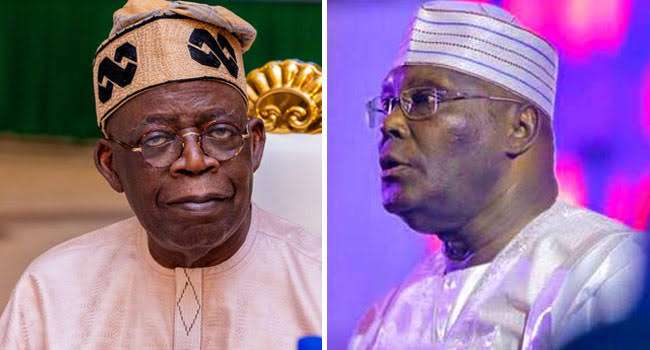
    Former Vice President and African Democratic Congress presidential candidate, Atiku Abubakar, has backed organised labour’s demand for a substantial increase in the national minimum wage, arguing that rising costs have eroded the purchasing power of Nigerian workers.

    Atiku, in a statement issued on Sunday by the Director of Strategic Communications of the ADC Presidential Campaign Council, Phrank Shaibu, accused President Bola Tinubu’s administration of imposing what he described as a severe economic squeeze on workers.

    He argued that the increase in the minimum wage from N30,000 to N70,000 had not translated into improved living conditions because of rising prices of petrol, food, transportation and housing.

    Atiku particularly criticised the removal of the petrol subsidy, saying the policy pushed up living costs without adequate measures to protect working families.

    He said the current N70,000 minimum wage could buy only about 50 litres of petrol at N1,400 per litre, compared with about 118 litres that the previous N30,000 wage could purchase when petrol sold at the April 2023 national average of N254.06 per litre.

    According to him, the comparison showed that the increase in workers’ pay had not kept pace with the rise in living costs.

    “The payslip has grown, but the fuel it can buy has more than halved. Tinubu has given workers a larger number and left them with a smaller life. That is hardship dressed up as a wage increase,” Atiku said.

    He called on the Federal Government to agree to a substantial increase in the minimum wage that reflects the current cost of food, transportation, rent and other essential needs.

    Atiku also promised that, if elected in 2027, his administration would begin work on raising the wage floor from its first day in office and introduce measures aimed at reducing the cost of living.

    He proposed support for domestic production, targeted assistance for vulnerable Nigerians and a production subsidy for petroleum products refined in Nigeria and sold to Nigerians.

    His comments came amid renewed calls from organised labour for a review of the N70,000 minimum wage, which labour leaders have argued no longer adequately reflects prevailing economic conditions.

    ### Akume Calls For Peace Ahead Of 2027 Elections

    Meanwhile, the Secretary to the Government of the Federation, George Akume, has urged Nigerians to maintain peace and unity as the country prepares for the 2027 general elections.

    Akume made the call on Sunday during a national church service held at the National Ecumenical Centre in Abuja as part of activities marking Nigeria’s 66th Independence Anniversary.

    In his vote of thanks, the SGF said Nigeria’s democratic development depended on citizens maintaining peace and unity, urging voters to approach the 2027 elections with hope rather than division.

    “As we look toward the 2027 elections ahead, let us remember that democracy is sustained by peace and unity. Our votes must be cast not in division, but in hope,” Akume said.

    He urged Nigerians to embrace dialogue and reject actions that could deepen divisions, saying the electoral process should reflect the aspirations of a united population.

    Akume also reflected on Nigeria’s 66 years as an independent nation, noting that the country had experienced sacrifices, challenges and achievements over the decades.

    He further highlighted the country’s uninterrupted democratic rule since 1999 as one of the milestones recorded in Nigeria’s post-independence history.

  • Shettima Returns To Nigeria After Representing Tinubu At UNGA

    Shettima Returns To Nigeria After Representing Tinubu At UNGA

    Precious Nwonu, Enugu

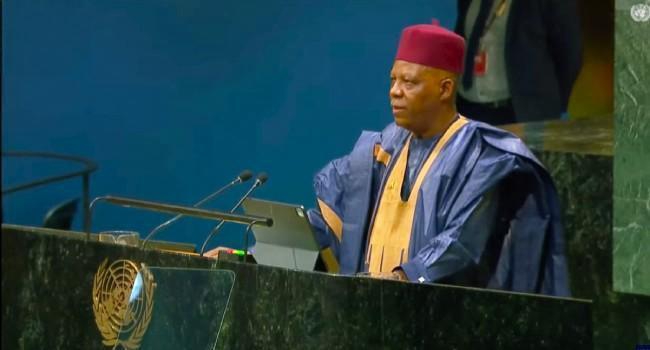
    Vice President Kashim Shettima has returned to Nigeria after leading the country’s delegation to the 81st Session of the United Nations General Assembly in New York, United States.

    Shettima arrived in Abuja on Monday after spending several days in the US, where he represented President Bola Tinubu at the annual gathering of world leaders.

    The Vice President had departed Nigeria on September 20 following Tinubu’s directive to lead the Nigerian delegation to the UNGA.

    During the visit, Shettima delivered Nigeria’s national statement at the General Debate on behalf of the President.

    According to a statement by his Senior Special Assistant on Media and Communications, Stanley Nkwocha, Nigeria used the gathering to renew its call for reforms to the United Nations Security Council.

    The Federal Government also advocated permanent African representation on the Security Council, improved access to global financing, increased climate support and stronger international cooperation.

    At the Third High-Level Roundtable of the Africa Minerals Strategy Group, the Nigerian delegation called on African countries to move beyond exporting raw minerals by investing in processing, manufacturing and other forms of value addition.

    Shettima also participated in a high-level education financing event co-hosted by Nigeria and Italy, where he reaffirmed the Federal Government’s commitment to improving education.

    The Vice President expressed support for the Global Partnership for Education’s $5bn financing campaign and described education as a key investment in productivity, human capital development and national prosperity.

    During his stay in New York, Shettima also met with members of the Nigerian diaspora and highlighted the role of their investments, expertise and international networks in supporting Nigeria’s development.

    The Vice President held additional meetings with the new leadership of the Economic Community of West African States Commission and the UN Deputy Secretary-General, Amina Mohammed.

    According to the statement, the engagements covered areas including development financing, regional integration, economic cooperation, technology, peace and security.

    Shettima’s return marks the end of his assignment as Nigeria’s representative at the 81st UN General Assembly on behalf of President Tinubu.

  • FG Seeks Fresh $1.5bn World Bank Loans As Public Debt Hits N166.79tn

    FG Seeks Fresh $1.5bn World Bank Loans As Public Debt Hits N166.79tn

    Precious Nwonu, Enugu

    The Federal Government is seeking $1.5bn in fresh financing from the World Bank as Nigeria’s total public debt rose to a record N166.79tn at the end of June 2026.

    Documents from the World Bank indicate that the proposed borrowing consists of three separate $500m facilities targeting climate resilience, social protection and early childhood development.

    The first facility is an additional $500m for the Agro-Climatic Resilience in Semi-Arid Landscapes project, known as ACReSAL.

    The World Bank is expected to consider the facility on October 29, 2026. The Federal Republic of Nigeria is listed as the borrower, while the Federal Ministry of Environment will implement the project.

    If approved, the additional financing will increase ACReSAL’s total funding from $700m to $1.2bn, with the new facility to be provided through the International Development Association, the World Bank’s concessional lending arm.

    According to the World Bank, the additional funds will be used to expand the project’s results and strengthen arrangements for sustainable landscape management.

    The proposed interventions include land restoration, watershed rehabilitation, erosion and flood control, irrigation and drainage, water harvesting and storage, reforestation and other climate adaptation measures.

    Of the $500m, $310m is earmarked for dryland management, $165m for community climate resilience and $25m for institutional strengthening and project management.

    ACReSAL currently operates in 19 northern states and the Federal Capital Territory, focusing on land degradation, water insecurity, climate vulnerability and declining agricultural productivity.

    The World Bank estimates that desertification and land degradation affect about 43 per cent of Nigeria’s land area. It also projects that climate change could reduce the country’s gross domestic product by about 2.6 per cent annually by 2030 and as much as 6.7 per cent by 2050 if not adequately addressed.

    ### $500m Social Protection Loan

    The second proposed facility is a $500m IDA credit for the Household Prosperity and Empowerment-Social Protection Project.

    The project is still under preparation, with a technical design review scheduled for October 30, 2026. The World Bank has tentatively set March 16, 2027, for consideration of the project.

    The Federal Ministry of Finance is listed as the borrower, while the Federal Ministry of Humanitarian Affairs and Poverty Reduction will implement the programme.

    The project comprises a $420m results-based financing component and an $80m investment project financing component.

    It is designed to establish regular social assistance for poor and vulnerable households while gradually increasing the contribution of federal and state governments to social protection financing.

    The proposed programme will include targeted conditional and unconditional cash transfers, an upgrade of the social registry, integration of the National Identification Number into the social protection information system and stronger implementation at federal, state and local government levels.

    The World Bank said Nigeria spent only 0.14 per cent of its GDP on social safety-net programmes in 2021, compared with a global average of 1.5 per cent and 1.2 per cent among lower-middle-income countries.

    The lender also estimated that the proportion of Nigerians living in poverty rose from 40 per cent in 2019 to 56 per cent in 2023 and could reach 62.5 per cent in 2026.

    It attributed the deterioration to factors including the COVID-19 pandemic, inflation, natural disasters and conflict, while noting that the removal of fuel subsidy and foreign exchange reforms increased living costs in the short term.

    ### Third Loan Targets Early Childhood Development

    The third proposed $500m loan is for the Nigeria Early Childhood Development Programme.

    The project is expected to undergo technical design review on October 30, 2026, with tentative approval scheduled for March 15, 2027.

    The Federal Ministry of Finance will serve as the borrower, while the Federal Ministry of Budget and Economic Planning is expected to implement the programme.

    The project will cover all 36 states and the FCT and focus on improving access to healthcare, nutrition, early learning, childcare, water and sanitation and other essential services for children aged zero to five.

    The proposed financing consists of a $400m programme-for-results component and $100m in investment project financing.

    The World Bank said the programme was necessary because 40 per cent of Nigerian children under five are stunted, fewer than half are developmentally on track and only 36 per cent of children aged 36 to 59 months attend organised early learning.

    ### Public Debt Rises By N14.39tn

    The proposed borrowing comes amid a sharp increase in Nigeria’s public debt.

    According to the Debt Management Office, the country’s total public debt rose from N152.40tn in June 2025 to N166.79tn in June 2026.

    The N14.39tn increase represents a 9.44 per cent rise within one year.

    In dollar terms, total public debt increased from $99.66bn to $120.93bn, representing a $21.27bn or 21.35 per cent increase.

    The difference between the naira and dollar growth rates was partly linked to the exchange rate used to value Nigeria’s external debt. The DMO used an exchange rate of N1,379.1842 to the dollar in June 2026, compared with N1,529.2105 in June 2025.

    On a quarterly basis, public debt increased from N159.35tn in March 2026 to N166.79tn in June, representing a rise of N7.44tn or 4.67 per cent.

    Domestic debt accounted for the larger share of the portfolio at N91.59tn, or 54.91 per cent, while external debt stood at N75.20tn, representing 45.09 per cent.

    Domestic debt increased from N80.55tn in June 2025 to N91.59tn in June 2026, while external debt rose from N71.85tn to N75.20tn over the same period.

    ### Treasury Bills Drive Domestic Borrowing

    Federal Government domestic debt increased from N76.59tn in June 2025 to N87tn in June 2026.

    Federal Government bonds remained the largest component at N64.84tn, representing 74.53 per cent of domestic debt.

    However, Treasury bills recorded a significant increase during the period.

    Outstanding Nigerian Treasury Bills rose from N12.76tn in June 2025 to N19.48tn in June 2026, representing a N6.72tn or 52.64 per cent increase.

    Their share of Federal Government domestic debt consequently increased from 16.67 per cent to 22.39 per cent.

    Between March and June 2026, Treasury bills increased by N2.92tn, or 17.60 per cent, from N16.57tn to N19.48tn.

    Meanwhile, the securitised Ways and Means balance declined from N22.72tn in March to N22.11tn in June.

    FGN Savings Bonds increased from N91.53bn to N122.45bn during the year, although they remained a small portion of the government’s domestic debt.

    ### World Bank Exposure Hits $20.73bn

    The DMO figures show that Nigeria’s outstanding debt to the World Bank Group stood at $20.73bn at the end of June 2026.

    The amount comprises $19.12bn owed to the International Development Association and $1.61bn owed to the International Bank for Reconstruction and Development.

    The combined exposure increased by $1.34bn, or 6.93 per cent, from $19.39bn in June 2025.

    World Bank exposure also increased by $907.09m between March and June 2026.

    At $20.73bn, World Bank obligations accounted for about 38 per cent of Nigeria’s $54.52bn external debt at the end of June.

    Nigeria’s total multilateral external debt stood at $24.76bn, representing 45.42 per cent of the country’s external debt.

    The African Development Bank, African Development Fund, Islamic Development Bank and International Fund for Agricultural Development were among Nigeria’s other multilateral creditors.

    Commercial creditors accounted for $23.16bn, or 42.47 per cent of external debt, with Eurobonds alone accounting for $18.55bn.

    Bilateral debt stood at $6.61bn, representing 12.12 per cent of external obligations. China remained Nigeria’s largest bilateral creditor.

    The proposed World Bank facilities would therefore further increase Nigeria’s borrowing from the multilateral institution if approved and subsequently disbursed.

    ### Atiku Demands Debt Reconciliation

    The latest debt figures have also drawn criticism from former Vice-President Atiku Abubakar, who called for a reconciliation of Nigeria’s public debt.

    In a statement issued by his Director of Strategic Communications, Phrank Shaibu, Atiku asked the Federal Government to account for newly recorded debt, changes in the naira value of foreign obligations and loans contracted since the Tinubu administration came into office.

    He also questioned the cost of servicing the country’s growing debt burden and its implications for public spending.

    Meanwhile, economist Adewale Abimbola said borrowing from multilateral institutions such as the World Bank could support development when the financing was concessional and directed towards productive projects.

    He said the key issue was how borrowed funds were utilised rather than borrowing itself.

    According to him, loans tied to viable projects and capable of supporting economic growth could have a positive impact, provided they were properly managed.

  • JUST-IN: Abuja to Host 6th Frontier Discourse Annual Public Lecture, Awards November 10

    JUST-IN: Abuja to Host 6th Frontier Discourse Annual Public Lecture, Awards November 10

    The sixth edition of the Frontier Discourse Annual Public Lecture Series and Awards will hold on Tuesday, November 10, 2026, at the Nigerian National Merit Award House (Merit House), Maitama, Abuja.

    The event, organised by Pacesetter Frontier Magazine, is expected to bring together stakeholders from government, civil society, the private sector and academia for discussions on national development and governance ahead of the 2027 general elections.

    Frontier Discourse, which was launched in 2021 by Pacesetter Frontier Magazine, was conceived as a platform for bridging the gap between African leaders and citizens through dialogue, policy reviews and the exchange of ideas on development.

    The platform also recognises individuals who have made significant contributions to the growth and development of Africa.

    Pacesetter Frontier Magazine is a privately owned, dual-bureau print and digital publication established in 2020, with a readership that extends to diaspora communities.

    The magazine said Frontier Discourse has evolved into a platform for constructive engagement on national and continental issues, attracting participants from diverse sectors.

    Delegates expected at the 2026 edition include captains of industry, spiritual leaders, traditional rulers, politicians, youth organisations, civil society and non-governmental organisations, professional bodies and representatives of the formal sector.

    High school students, undergraduates and previous recipients of the platform’s honours are also expected to participate.

    Beyond the policy and governance discussions, the event will feature history sessions, comedy, poetry and exhibitions.

    According to the organisers, the platform has engaged more than 5,500 participants physically and virtually since its inception and hosted distinguished Africans from various fields.

    The red carpet is scheduled to begin at 10:30 a.m., while the main event will commence at 11:30 a.m.

    PACESETTER said further details, including the full list of award recipients, resource persons and other highlights of the event, would be unveiled in the coming days.

    Event Details

    Date: Tuesday, November 10, 2026

    Venue: Nigerian National Merit Award House (Merit House), Maitama, Abuja

    Time: 10:30 a.m. (Red Carpet); 11:30 a.m. (Main Event)

    For sponsorship, partnership or enquiries, call 09137940957.

    Partners: One Stewart Ventures Limited, Frontline Africa, Igwesi Human Development Centre, Steve Oruruo Foundation.

  • NDLEA Arrests Newlywed Over Alleged Cocaine Trafficking At Enugu Airport

    NDLEA Arrests Newlywed Over Alleged Cocaine Trafficking At Enugu Airport

    Precious Nwonu, Enugu

    Operatives of the National Drug Law Enforcement Agency have arrested a 25-year-old businessman at the Akanu Ibiam International Airport, Enugu, for allegedly attempting to traffic cocaine to Portugal.

    The suspect, identified as Lovely Chukwulobelu, was intercepted on Thursday, September 25, 2026, at the airport’s departure hall while preparing to board an Ethiopian Airlines flight to Portugal through Addis Ababa, according to the NDLEA.

    The agency said the suspect had allegedly ingested 72 wraps of cocaine and was placed under observation following his arrest.

    He subsequently excreted all 72 wraps, the NDLEA said.

    According to the agency, the suspect told investigators that he previously operated a car decoration business at the Trade Fair Complex in Ojo, Lagos, before relocating to Portugal in May 2023.

    He reportedly returned to Nigeria recently and got married on September 13, 2026.

    The NDLEA said the suspect claimed he turned to the alleged drug trafficking in an attempt to recover expenses incurred during his wedding.

    The Enugu arrest was among a series of drug interdiction operations carried out by the agency across several states.

    At the Murtala Muhammed International Airport, Lagos, NDLEA operatives recovered 2,550,000 opioid pills during the examination of three monitored consignments at the airport’s import shed.

    The agency said the consignments, which arrived from India and Bangladesh through Qatar Airways, RwandAir and Ethiopian Airlines, had a combined gross weight of 1,640.55 kilogrammes.

    The seized drugs included Tramaking 225mg, Tramaking 250mg and Royal Tapentadol 250mg.

    In Bauchi State, two men aged 35 and 45 were arrested along the Maiduguri bypass after NDLEA officers allegedly found 300 compressed blocks of cannabis weighing 262.5kg concealed in a false compartment of a truck.

    In Edo State, the agency, with support from soldiers, destroyed two cannabis farms at Eko Camp, Ilushi. The farms were estimated to have a combined yield of 1,360.23kg.

    Two women, aged 36 and 40, were also arrested during a raid on Anifowoshe Street, Mushin, Lagos, where 3.4kg of cannabis was recovered, according to the NDLEA.

    At Ebute-Ero motor park in Lagos, officers arrested a 58-year-old man and allegedly recovered 5.92kg of cannabis, 2,400 ampoules of pentazocine injection, 8,400 tablets of nitrazepam and 40,000 pills of tramadol.

    In Oyo State, two Togolese nationals, aged 35 and 33, were arrested along the Iganna-Ilero road in Iganna.

    The NDLEA said 305.6kg of cannabis was recovered from two pickup vans allegedly transporting the substance, which it said had been sourced from Ghana and brought into Nigeria through the Oyo axis.

    At the Seme border in Badagry, Lagos, five suspects were arrested after officers intercepted 420 cartons of nitrous oxide, commonly known as laughing gas.

    The agency put the weight of the consignment at 1,688.4kg and said the substance was being transported from the border into Lagos in two vehicles.

    The operations came as the NDLEA continued its nationwide War Against Drug Abuse sensitisation campaign, with officers conducting awareness programmes in schools, worship centres, workplaces and communities.

    The agency said the activities were held in several states, including Oyo, Edo, Gombe and Kano, while the Delta Ports Command also carried out a WADA advocacy visit to the Olu of Warri, Ogiame Atuwatshe III.

    NDLEA Chairman and Chief Executive Officer, Brigadier General Mohamed Buba Marwa (retd.), commended officers involved in the operations and urged personnel across the country to sustain the agency’s enforcement and drug-prevention efforts.

    The NDLEA has also recently announced the dismantling of a suspected Nigerian-Mexican drug network operating a clandestine methamphetamine laboratory in Eziama community, Obeagu, Awgu Local Government Area of Enugu State. Two suspects were arrested and subsequently arraigned before the Federal High Court in Enugu.

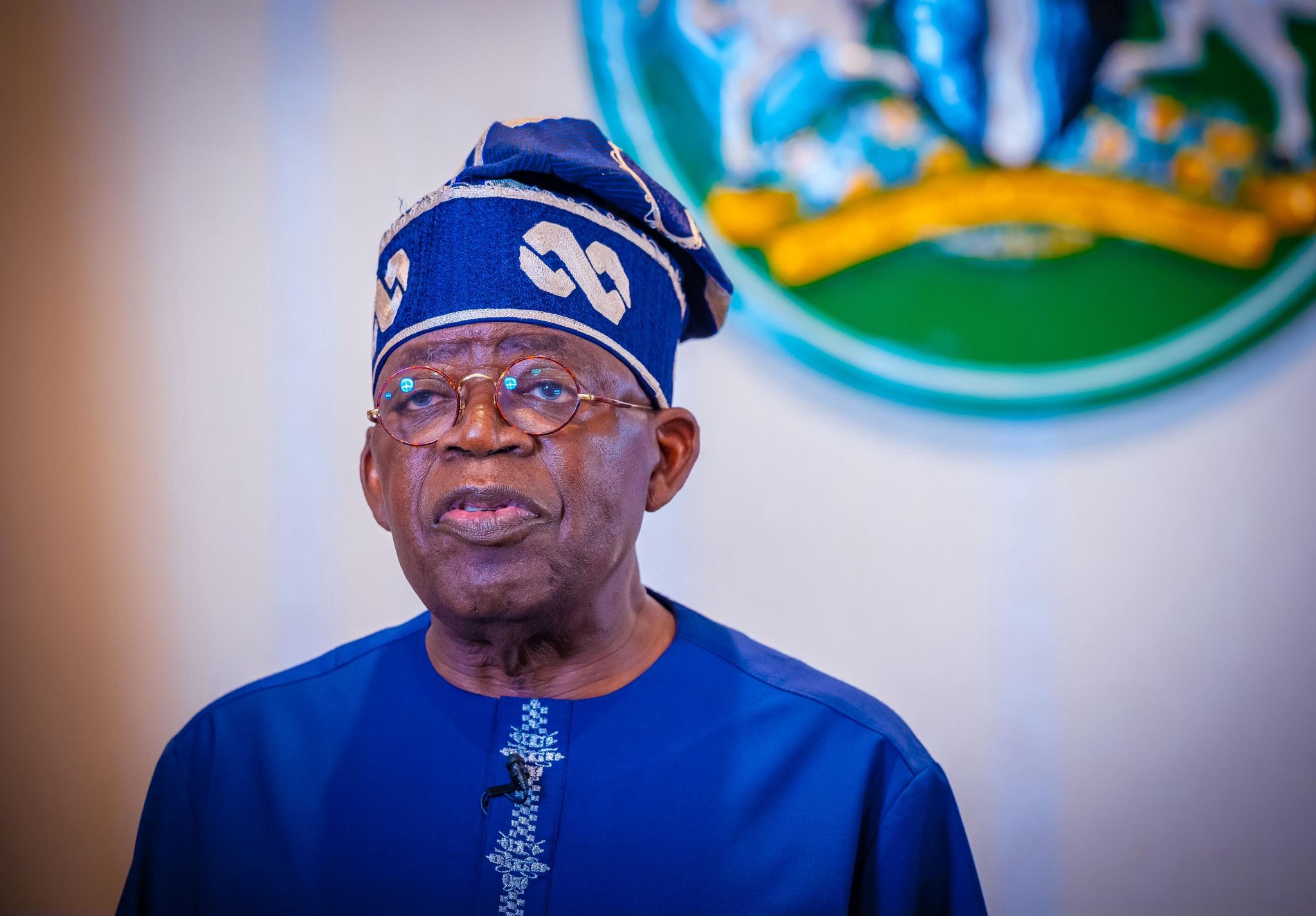
  • Tinubu Billed To Return To Nigeria On Tuesday After Four Weeks

    Tinubu Billed To Return To Nigeria On Tuesday After Four Weeks

    President Bola Tinubu, who has been on a four-week working vacation to Europe, is expected to return to Nigeria on Tuesday.

    The president, who was scheduled to return to the country this weekend, is now due back on Tuesday, September 29, 2026.

    Reliable Presidency sources told THISDAY yesterday that President Tinubu would return through the nation’s commercial capital, Lagos, where he is expected to be received at the presidential wing of the Murtala Muhammed Airport in Ikeja by Governor Babajide Sanwo-Olu.

    It was further gathered that the president would celebrate Nigeria’s 66th independence anniversary on Thursday, October 1, 2026 in Lagos.

    This would be the second time the president will be celebrating the nation’s independence in Lagos, the first being in 2025 when he stayed back in Lagos after his working visit to the Centre of Excellence in the wake of the news of an attempted coup det’at by military officers.

    THISDAY further learnt that Tinubu would stay back in Lagos to attend to official state duties before returning to the nation’s capital, Abuja by next weekend.

    The Presidency had last Monday disclosed that the president, who has been on working leave since August 30, 2026, would return to Nigeria at the weekend, following the extension of his working vacation by a few days.
    Presidential spokesperson, Bayo Onanuga, who made this known via a statement, added that the president departed Nigeria on August 30 for London to begin the working vacation.

    After spending a week in London, he moved to Paris, France, where he met with French President Emmanuel Macron and businessman Mr Vincent Bollore, whose media group includes Canal+, Multichoice, and Universal Music Group.

    While away, President Tinubu delegated Vice President Kashim Shettima to represent him at some official functions. This Day

  • Supreme Court Restores Electoral Act Provisions Ahead Of 2027 Polls

    Supreme Court Restores Electoral Act Provisions Ahead Of 2027 Polls

    Precious Nwonu, Enugu

    The Supreme Court has restored key provisions of the Electoral Act 2026 governing political party membership registers and the nomination of candidates ahead of the 2027 general elections.

    A seven-member panel of the apex court, in a unanimous decision, upheld an appeal filed by the Independent National Electoral Commission against an earlier Court of Appeal judgment that had declared Sections 77(5), 77(6), 77(7) and 84(2) of the Electoral Act unconstitutional.

    The ruling means political parties are required to comply with statutory rules on their membership registers and candidate nomination processes.

    Under Section 77 of the Act, political parties must make their membership registers available to INEC not later than 21 days before their primaries, congresses or conventions.

    The law further provides that only members whose names are contained in the register submitted to INEC can vote or be voted for at party primaries, congresses and conventions. Parties are also prohibited from using a different register for such exercises.

    A party that fails to submit its membership register within the stipulated period is not eligible to field a candidate for the election, according to the Act.

    The Supreme Court also restored Section 84(2), which provides that political parties may nominate candidates through direct primaries or consensus. INEC’s 2026 Regulations and Guidelines similarly recognise direct and consensus primaries as the two permitted methods under the Act.

    The legal dispute began after the Zenith Labour Party challenged the provisions at the Federal High Court, arguing that they interfered with the constitutional powers of political parties to manage their internal affairs and nominate candidates.

    The Federal High Court dismissed the challenge in May 2026, but the Court of Appeal later overturned that decision in July and struck down the four disputed provisions. INEC subsequently appealed to the Supreme Court.

    The Supreme Court has now set aside the Court of Appeal’s decision and reinstated the earlier Federal High Court judgment, holding that the disputed provisions were not inconsistent with the Constitution. The apex court also awarded N2 million in costs against the Zenith Labour Party.

    The ruling reinforces INEC’s statutory role in receiving and verifying party membership registers and monitoring compliance with the requirements governing party primaries and candidate nominations.

    INEC had earlier confirmed that all 22 registered political parties submitted their membership registers in May 2026, with the Commission stating that the registers would undergo verification in line with the law.

    The Supreme Court’s decision therefore provides the legal framework that will govern future party nomination exercises under the 2026 Electoral Act, including subsequent elections and the primaries, congresses and conventions preceding them.

  • Google Unveils New AI Advertising Tools For Nigerian Businesses

    Google Unveils New AI Advertising Tools For Nigerian Businesses

    Precious Nwonu, Enugu

    Google has introduced new artificial intelligence-powered advertising features aimed at helping businesses, including those in Nigeria, better understand the performance of their online campaigns and manage their advertising strategies.

    The technology company announced the developments as part of new updates to its AI Max for Search campaigns, including a new reporting feature and an expanded version of its AI Brief tool.

    Google Director for East and West Africa, Olumide Balogun, disclosed the developments in Lagos on Friday.

    The new reporting feature will provide advertisers with a unified view of the customer journey, bringing together information on the search terms that triggered an advert, the creative content displayed to the user and the webpage the user visited after clicking the advert.

    Google said the information, which had previously been available across different sections of Google Ads, will now be presented in a single view, making it easier for advertisers to assess campaign performance and understand how customers interact with their adverts.

    Balogun said the development would give Nigerian businesses greater visibility into how their advertising budgets are being used, particularly as businesses prepare for major shopping periods such as Black Friday and the festive season.

    The reporting feature was unveiled at DMEXCO 2026 in Cologne, Germany, and Google said further details on its availability would be released later in the year.

    Another update is the expansion of AI Brief, a Gemini-powered feature that allows advertisers to provide instructions to AI Max using ordinary language.

    Through the tool, advertisers can give detailed information about their businesses, target audiences and key messages and use those instructions to guide how AI Max develops and manages campaign elements.

    For instance, businesses can provide instructions about the type of searches they want to prioritise, messages they want highlighted or information they do not want included in advertisements.

    Google said advertisers can also preview sample advertisements and searches before campaigns go live, allowing them to adjust their instructions where necessary.

    The closed beta of AI Brief is being expanded to seven additional languages: Dutch, French, German, Italian, Japanese, Portuguese and Spanish.

    Google said the latest changes are part of its broader effort to adapt advertising tools to changing search behaviour as consumers increasingly use more conversational and detailed queries when looking for products and services.

    The company has also expanded AI-powered features across Google Search. AI Overviews are available in more than 200 countries and territories, while AI Mode has also expanded to more than 200 countries and territories.

    Google has been developing AI Max as a broader AI-powered system for Search advertising. The company said AI Max moved out of beta in 2026, with additional controls for targeting, creative content and campaign performance.

    The company also said AI Max campaigns using its full feature set recorded an average of seven per cent more conversions or conversion value at a similar cost per acquisition or return on advertising spend, compared with campaigns using search-term matching alone. Google described the figures as based on its internal 2026 data for non-retail advertisers.

    Google Vice-President of Global Ads, Dan Taylor, said changing consumer behaviour was also influencing the way businesses connect with potential customers through Search.

    According to Taylor, users are increasingly turning to longer and more detailed questions, voice commands and images when searching for information, products and services.

    Google has previously reported that queries made through AI Mode are nearly three times longer than traditional searches, reflecting the growing use of conversational search.

    Google said AI Max, launched in 2025, is now being used by hundreds of thousands of advertisers globally.

    The company has also continued to expand AI-powered advertising formats as Search becomes increasingly conversational, including new advertising experiences being tested in AI Mode.

    Balogun urged Nigerian businesses preparing for the Black Friday period and the end-of-year shopping season to begin planning their campaigns early.

    He said the new tools would enable businesses to better understand their advertising results and make more informed decisions about where to allocate their marketing budgets.