Category: News

This is an optional category description

  • NLC Demands Petrol Price Cut, Wage Award As Workers Face Economic Hardship

    NLC Demands Petrol Price Cut, Wage Award As Workers Face Economic Hardship

    Precious Nwonu, Enugu

    The Nigeria Labour Congress has called for an immediate reduction in petrol prices, a nationwide wage award and the commencement of negotiations for a new national minimum wage, saying Nigerian workers are facing worsening economic hardship.

    The NLC made the demands in an Independence Day statement signed by its President, Joe Ajaero, on Wednesday, September 30, 2026.

    The labour centre said persistent inflation and rising costs of petrol and transportation had significantly reduced the purchasing power of workers, while driving up the prices of food, rent, education and other essential goods and services.

    The union described the situation as a “full-scale survival crisis”, noting that petrol was selling for about ₦1,430 per litre or higher in major cities and at even higher prices in some remote areas.

    The NLC also criticised the increase in petrol prices that followed the removal of fuel subsidy in May 2023, questioning how the savings from the policy had been utilised.

    According to the union, the Federal Government had promised that subsidy savings would be redirected towards infrastructure and social services, but Nigerians were yet to see the expected benefits.

    The labour centre also expressed concern over Nigeria’s continued dependence on imported refined petroleum products despite being one of the world’s major crude oil producers.

    It argued that dependence on imported fuel exposed workers and households to fluctuations in global oil prices and contributed to rising transportation costs.

    The NLC said reducing petrol prices should be an immediate priority because transportation costs affect the prices of goods and services across the economy.

    “Without cutting this chain, any effort to ease the suffering of the people is futile,” the union said.

    The labour body also demanded the immediate introduction of a nationwide wage award for workers employed by the federal, state and local governments.

    It described the wage award as an emergency measure to cushion the erosion of workers’ incomes rather than a permanent solution to the wage problem.

    “A wage award is not charity. It is an emergency intervention against the collapse of real income,” the NLC said.

    The union further demanded the implementation of tax relief measures agreed upon during the October 2023 negotiations between organised labour and the Federal Government.

    It said some of the tax incentives contained in the Memorandum of Understanding reached during the dialogue had yet to be implemented.

    On the minimum wage, the NLC called for the immediate constitution of a tripartite committee to negotiate and establish a new wage structure for 2027 before the end of the year.

    The labour centre argued that the current ₦70,000 minimum wage had already lost substantial purchasing power to inflation.

    It also called for a reduction in the cost of governance and greater transparency in public spending, saying government should demonstrate restraint while workers are being asked to cope with economic pressures.

    The NLC urged increased investment in roads, hospitals, schools and other public infrastructure, while calling for more opportunities for young Nigerians.

    On insecurity, the union said violence had compounded Nigeria’s economic challenges and undermined national stability.

    It claimed that nearly 2,000 Nigerians were killed in violent incidents during the first quarter of 2026 and said insecurity had disrupted the activities of farmers, teachers, doctors and other workers in some parts of the country.

    The NLC linked poverty, unemployment and inequality to insecurity and argued that addressing economic deprivation was necessary for sustainable improvements in national security.

    With political activities increasing ahead of the 2027 general elections, the labour centre warned political actors against manipulating elections, intimidating voters or using ethnic and religious sentiments to create divisions.

    The NLC said it would, at the appropriate time, use its Workers’ Charter to communicate the policies and political positions it considered relevant to the interests of the working class.

    However, it stressed that individual workers retained the right to make their own political choices.

    Ajaero said the NLC would continue to advocate decent wages, safe working conditions and improved living standards for Nigerian workers.
  • FG Warns Charcoal Merchants Against Forest Destruction

    FG Warns Charcoal Merchants Against Forest Destruction

    Precious Nwonu, Enugu

    The Federal Government has urged charcoal merchants and other stakeholders in the forestry and agricultural sectors to adopt sustainable practices to curb deforestation and restore Nigeria’s degraded forests.

    The Minister of Environment, Balarabe Lawal, gave the warning on Wednesday at the launch of the 2026 Operation One Million Trees programme organised by the Association for Forest Conservation and Green Industrial Charcoal Merchants at the University of Ibadan.

    Represented by Dr Osakwe Igbinosa, Lawal described deforestation as a major threat to Nigeria’s environment and economic development, stressing the need for stronger efforts to protect and restore the country’s forests.

    He identified tree planting and forest restoration as important measures for tackling climate change, protecting biodiversity, combating desertification and improving the resilience of ecosystems.

    The minister said the Federal Ministry of Environment was implementing several programmes aimed at increasing forest cover, including the 2026 National Afforestation Programme, Sovereign Green Bond Afforestation Programme and the National Greening of Cities and Urban Areas initiative.

    He said the Operation One Million Trees campaign aligned with the government’s environmental restoration efforts and urged participants to comply with forestry laws and regulations.

    Lawal cautioned that the success of tree-planting campaigns should not be judged solely by the number of seedlings planted, but by their survival and development into healthy trees.

    “Tree planting is not just about putting seedlings into the soil. The real measure of success is their survival and growth into healthy forests,” he said.

    The Chairman of the association, Adeshola Idowu, urged charcoal producers and other Nigerians to replace trees removed from the environment and adopt practices that would prevent further depletion of forest resources.

    Idowu advocated planting several trees for every tree felled and called for greater use of technology, including drones, to facilitate tree planting in difficult-to-access areas.

    The Oyo State Commissioner for Environment and Natural Resources, Ademola Aderinto, also warned that poor environmental practices could worsen climate change and waste management challenges.

    Aderinto identified indiscriminate tree felling for housing, land development and business activities as major threats to biodiversity and food security.

    He urged residents and developers to plant more trees whenever trees were removed for legitimate purposes, arguing that replacement should go beyond a one-for-one approach.

    The commissioner also encouraged residents to make tree planting part of their daily environmental practices by planting trees around their homes, workplaces and other spaces.

    Earlier, the Dean of the Faculty of Renewable Natural Resources at the University of Ibadan, Prof. Joke Akinyeleru, said the second year of the one-million-tree initiative demonstrated the institution’s commitment to practical action on environmental sustainability.

    She said the programme supported the United Nations Sustainable Development Goals, particularly those relating to climate action.

    The organisers said the initiative was also designed to promote sustainable charcoal production and encourage charcoal businesses to comply with environmental regulations.

    They said partnerships with organisations including FOJ Multidynamic and Rasbat International Resources Limited would support the campaign, with technology such as drone seeding expected to expand tree-planting efforts and strengthen forest protection.

    The Chief Strategy Officer of FOJ Multidynamic Interchange Nigeria Limited, Florence Omolola, said the three-day programme would focus on sensitisation, youth participation, tree planting and independent verification.

    She said environmentalists, journalists, regulators, non-governmental organisations and other stakeholders would participate in the verification process to provide evidence of trees planted and promote transparency.

    Omolola described the initiative as part of a broader effort to make charcoal production more environmentally sustainable, adding that the organisers hoped to expand the programme beyond its one-million-tree target in subsequent years.

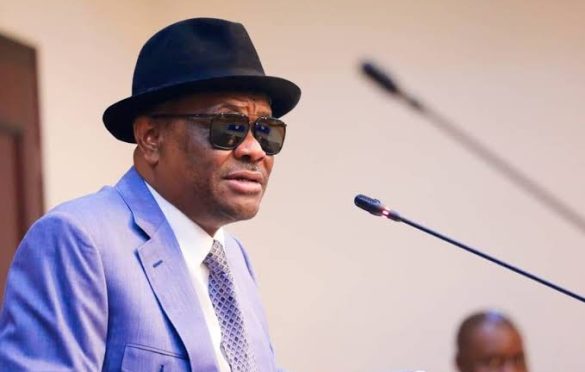
  • 2027: Wike Vows To Resign If Tinubu Loses FCT, Rivers

    2027: Wike Vows To Resign If Tinubu Loses FCT, Rivers

    Precious Nwonu, Enugu

    Minister of the Federal Capital Territory, Nyesom Wike, has vowed to resign from office if President Bola Tinubu loses the Federal Capital Territory and Rivers State in the 2027 presidential election.

    Wike made the declaration on Wednesday in Abuja during a meeting with members of the Apo Mechanics and Traders Association, where he reaffirmed his support for Tinubu’s re-election bid.

    The minister said the presidential election is scheduled for January 16, 2027, and pledged to announce his resignation the following day if Tinubu fails to secure victory in both the FCT and Rivers.

    “The presidential election is on January 16, 2027. By January 17, 2027, I will announce my resignation as FCT Minister should the President lose in Rivers State and the FCT,” Wike said.

    Wike, a former governor of Rivers State, said the FCT was particularly important to him because it was where he currently served, while Rivers remained his home state.

    He said failure to deliver electoral support for Tinubu in the two areas would raise questions about his continued suitability as FCT minister.

    “FCT is where I work. Rivers is my state. If I cannot deliver where I work, then I’m not worthy to be here,” he said.

    Wike also disclosed that a multi-party political coalition was being mobilised in the FCT ahead of the 2027 elections.

    He said the coalition, which he referred to as the “Rainbow Coalition,” included members of different political parties who were backing Tinubu for the presidency.

    The minister also endorsed candidates for legislative positions in the FCT and urged his supporters to work towards securing electoral victories for the candidates backed by the coalition.

    Wike’s declaration comes as political parties and their supporters intensify preparations for the 2027 general elections, with the presidential poll scheduled for January 16, according to his remarks and reports of the event.

    The minister also addressed the planned relocation of mechanics and traders operating around Apo, assuring them that arrangements were being made to move them to the Wasa informal sector by the end of the year.

    He said physical enumeration of affected traders and mechanics was being conducted as part of preparations for the relocation.

    Wike’s proposed resignation would take effect only if Tinubu fails to win both the FCT and Rivers State, based on the condition he publicly set at the Abuja meeting.

  • Independence Day: Tinubu Declares Nigeria Has Entered Age Of Prosperity

    Independence Day: Tinubu Declares Nigeria Has Entered Age Of Prosperity

    Precious Nwonu, Enugu

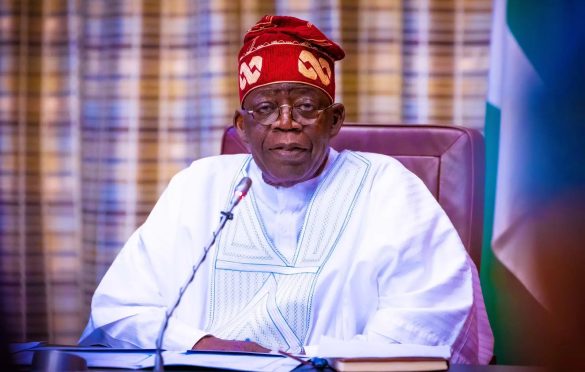
    President Bola Tinubu has declared that Nigeria has moved beyond the period of economic reforms and entered what he described as an “age of prosperity,” following measures implemented by his administration over the past three years.

    Tinubu made the declaration in his Independence Day address to Nigerians on Thursday, marking the 66th anniversary of the country’s independence.

    The President acknowledged the economic difficulties faced by Nigerians, saying the country had endured years of insecurity, economic crises, political upheaval and other challenges since gaining independence.

    He said his administration inherited an economy burdened by what he described as deep structural distortions and difficult choices that could no longer be postponed.

    Using a cancer treatment analogy, Tinubu said previous governments had focused on managing the symptoms of the country’s economic problems rather than confronting their underlying causes.

    He defended the reforms introduced since his administration came into office, saying the measures had been difficult but were necessary to correct the direction of the economy.

    According to the President, Nigeria’s economy has grown by more than four per cent in 2026, with both the oil and non-oil sectors contributing to the growth.

    He also said oil theft had declined, inflation had fallen from its peak, foreign reserves had been rebuilt and the foreign exchange market had stabilised.

    Tinubu further stated that Nigeria recorded more than $6bn in non-oil export revenue in 2025, describing the figure as evidence of growing activity among Nigerian businesses.

    The President said the focus of his administration would now shift from economic stabilisation to achieving widespread prosperity.

    He identified reducing the cost of living as a major priority and said the government would pursue measures aimed at lowering the cost of producing and transporting goods.

    Tinubu said the administration would expand mechanised irrigation and dry-season farming, improve access to seeds and fertiliser, increase agricultural mechanisation and invest in storage and transportation.

    He also said the government was continuing to develop roads, railways and ports to improve connections between farms, factories and markets.

    On employment, the President said job creation, enterprise and industrial growth would remain central to his administration’s policies.

    He said the government planned to use Nigeria’s gas resources to power industries, support the revival of factories, expand digital connectivity and invest in skills needed by employers.

    Tinubu also called for increased production of Nigerian goods for both domestic consumption and export, while encouraging young Nigerians to build businesses and create employment opportunities.

    The President acknowledged that many Nigerians continue to struggle with food, education, healthcare and transportation costs.

    He said the hardship predated his administration and was the result of decades of low productivity, inadequate infrastructure and limited economic opportunities.

    Tinubu said the government was strengthening social interventions to support vulnerable households, while improving the National Social Register to ensure assistance reaches people who need it.

    He also highlighted the Nigerian Education Loan Fund as a means of helping students from low-income families access higher education.

    The President cited the Consumer Credit Corporation as another intervention designed to provide working Nigerians with access to credit for assets such as vehicles, solar systems and digital devices.

    Tinubu said his administration would continue working with state and local governments to strengthen primary healthcare, basic education and other essential public services.

    He added that salaries and pensions had been paid on time and in full since 2023, while reforms had also been introduced in the national pension system.

    According to him, the government’s social programmes were intended to support Nigerians while broader economic growth creates sustainable opportunities.

    Tinubu said defeating poverty would require sustained economic growth, discipline and the creation of millions of productive jobs.

    He maintained that the reforms had corrected the country’s economic direction and laid the foundation for long-term prosperity.

    “The age of reform has done its work. Now begins the age of prosperity,” Tinubu said.

    The President urged Nigerians to remain hopeful and united, saying the country had passed through difficult years and must now focus on building a future of greater opportunity.

    He concluded by calling on Nigerians to move forward together and avoid returning to policies that, in his view, had contributed to the country’s previous economic difficulties.

    “Let us go forward together, with faith in ourselves, faith in our country, and faith that the sacrifices we have made will yield their reward,” he said.

    Tinubu wished Nigerians a happy Independence Day and prayed for the continued progress of the Federal Republic of Nigeria.

  • Military Court Defers Ruling In Alleged Coup Trial To October 5

    Military Court Defers Ruling In Alleged Coup Trial To October 5

    Precious Nwonu, Enugu

    The General Court Martial handling the alleged coup plot case involving some military officers has postponed its ruling for the fourth time.

    The ruling, which was scheduled for Wednesday, September 30, 2026, will now be delivered on Monday, October 5.

    The military announced the development in a notice issued to members of the court and other parties involved in the proceedings.

    The notice, signed by Major M.U. Ardo, the liaison officer, stated that the sitting earlier fixed for September 30 had been moved to October 5. No reason was given for the postponement.

    The next sitting is scheduled to commence at 10am at the Scorpion Officers’ Mess in Asokoro, Abuja.

    The court is hearing the case against military officers accused of involvement in an alleged plot to overthrow the administration of President Bola Tinubu. The officers are presumed innocent unless found guilty through due process.

    The pending ruling concerns the admissibility of statements allegedly obtained from some of the accused officers during investigations.

    The issue led to a trial-within-a-trial after defence lawyers challenged the circumstances under which the statements were obtained.

    The defence alleged that some of the officers were subjected to coercion, intimidation, inducement and physical abuse by officials of the Defence Intelligence Agency while in detention.

    Lawyers representing the accused also questioned the circumstances surrounding the recording of the statements, alleging that some officers did not have their selected lawyers or witnesses present when the statements were made.

    They further raised concerns over the alleged absence of video recordings showing some of the officers making their statements in the presence of their chosen witnesses, as required under relevant provisions of the Administration of Criminal Justice Act.

    The defence also alleged that some of the accused were not properly cautioned or adequately informed of their rights before making the statements.

    Some of the officers reportedly told the court that they were made to believe that reproducing certain statements could secure their release.

    They also alleged that some documents had already been prepared by intelligence officials and that they were subsequently compelled to copy or sign them, despite disputing some of the information contained in the documents.

    The prosecution, however, presented evidence seeking to establish that the statements were made voluntarily and without improper pressure.

    The court is expected to determine whether the disputed statements meet the requirements for admission as evidence. The decision could determine whether the prosecution can rely on the statements as the substantive trial proceeds.

    The General Court Martial is presided over by Air Vice Marshal H.I. Alhaji of the Nigerian Air Force, with proceedings taking place at the Scorpion Officers’ Mess in Asokoro, Abuja.

    The latest postponement is the fourth time the court has deferred its ruling on the admissibility of the disputed statements.

  • NHIA, Senate Seek Stronger Health Taxes To Fund Healthcare, Curb Diseases

    NHIA, Senate Seek Stronger Health Taxes To Fund Healthcare, Curb Diseases

    Precious Nwonu, Enugu

    The National Health Insurance Authority and the Senate have called for stronger health tax policies as part of efforts to generate sustainable domestic funding for healthcare and reduce the rising burden of non-communicable diseases in Nigeria.

    The call was made at a national stakeholder co-creation workshop on health taxes and sustainable health financing held in Abuja.

    Speaking at the event, the Director-General of the NHIA, Dr Kelechi Ohiri, said successful health tax reform would require coordinated action by government agencies, lawmakers, the private sector, civil society organisations, the media and other stakeholders.

    Ohiri said Nigeria was facing the dual challenge of infectious diseases and maternal health concerns while also dealing with an increasing prevalence of non-communicable diseases linked to the consumption of products such as tobacco, alcohol and sugar-sweetened beverages.

    He said health taxes could help address both challenges by discouraging the consumption of harmful products while generating additional domestic resources for healthcare.

    “Health-tax reform is not the mandate of any single sector or ministry. It has to involve the leadership of the Ministry of Finance, Budget and Planning, the private sector, civil society, the media and all stakeholders,” Ohiri said.

    He said Nigeria needed predictable domestic funding to strengthen its health system and expand access to essential healthcare services.

    Ohiri disclosed that the Senate had passed a bill seeking to reform the existing tax framework for sugar-sweetened beverages, with the legislation awaiting concurrence by the House of Representatives.

    He said the proposed reforms were intended to strengthen the existing SSB tax framework and channel part of the proceeds towards health promotion, disease prevention and primary healthcare.

    Nigeria currently has an excise tax on sugar-sweetened beverages, introduced in 2021 at N10 per litre. The World Health Organisation identifies taxes on tobacco, alcohol and sugary drinks as measures that can discourage harmful consumption while generating revenue for public services and health interventions.

    The NHIA boss, however, said passing legislation would not be enough, stressing that effective implementation would require appropriate policy, legal, fiscal and administrative arrangements.

    He called for clear mechanisms to ensure transparency in the collection and utilisation of revenue generated through health taxes.

    Ohiri cited the Philippines as an example of a country that had used health taxes to support the expansion of health insurance coverage, saying Nigeria could draw lessons from similar approaches.

    “Healthcare should be accessible, but it is not cheap. We need to build a workable roadmap so that this does not remain theoretical,” he said.

    Health Taxes Beyond Revenue

    Chairman of the Senate Committee on Health, Senator Ipalibo Banigo, said health taxes should not be treated simply as another source of government revenue.

    She described them as public health measures that could help discourage the consumption of products associated with disease while generating funds that could be invested in healthcare.

    Banigo stressed the importance of establishing a transparent system for allocating the revenue, particularly to programmes targeting vulnerable populations.

    She said Nigerians should be able to see how funds generated through health taxes were being used to support health promotion, disease prevention and access to healthcare.

    WHO Seeks Evidence-Based Reform

    The World Health Organisation Country Representative in Nigeria, Dr Pavel Ursu, said scientific evidence alone would not guarantee the adoption or successful implementation of health tax reforms.

    Ursu said policymakers must also understand Nigeria’s political environment, institutional structures and the interests of groups capable of influencing the reform process.

    He called for the involvement of the Ministries of Health and Finance, lawmakers, civil society organisations, the media, non-governmental organisations and other stakeholders in designing and implementing the reforms.

    He also urged researchers to produce evidence that responds to policymakers’ needs and reflects Nigeria’s specific circumstances.

    The Executive Director of the Alliance for Health Policy and Systems Research, Dr Kumanan Rasanathan, said the organisation supports health policy research and reform initiatives in 16 countries.

    Rasanathan expressed hope that the workshop would help stakeholders move beyond developing policies and strategies to implementing practical health tax reforms.

    He said stronger collaboration between researchers, policymakers and other stakeholders would be necessary to ensure that research findings translate into effective policy decisions.

    Stakeholders Seek Public Understanding

    The Chief Executive Officer of the International Society for Media in Public Health and Chair of Nigeria Universal Health Coverage, Chief Moji Makanjuola, said effective public communication would be critical to the success of health tax reforms.

    She said Nigerians needed to understand why the taxes were being introduced, the health problems they were designed to address, how the revenue would be spent and how the use of the funds would be monitored.

    Makanjuola said transparency and public accountability would be important in building confidence in the reforms.

    The WHO says health taxes can reduce the consumption of tobacco, alcohol and sugar-sweetened beverages while mobilising additional revenue that can support health priorities, including universal health coverage.

    The workshop was organised in collaboration with Development Governance International Consult, the Health Strategy and Delivery Foundation, the WHO and other partners.

    Organisers said the meeting was intended to move discussions on health taxes from assessment to joint planning and implementation, while defining responsibilities for stakeholders and developing mechanisms for linking health tax revenue to healthcare financing, disease prevention and expanded health insurance coverage.

    The NHIA has said more than 23 million Nigerians are currently enrolled in the national health insurance system, reflecting ongoing efforts to expand financial protection and access to healthcare.

  • Dangote: We’re Ready For Any Court Battle Over Lamu Refinery

    Dangote: We’re Ready For Any Court Battle Over Lamu Refinery

    Precious Nwonu, Enugu

    President of Dangote Industries Limited, Aliko Dangote, has said he is prepared to defend his investments in court as his group moves ahead with plans to build a 700,000-barrel-per-day refinery in Lamu, Kenya.

    Dangote made the remarks during a fireside chat at the Nairobi Securities Exchange, where he discussed the refinery project, the group’s expansion across Africa and plans to broaden public ownership of some of its businesses.

    His comments came after the Malindi Environment and Land Court ordered parties involved in a land dispute to maintain the existing status quo on the site until a hearing scheduled for October 14.

    The case was filed by 133 residents of Chandavai in Lamu County, who claim the land earmarked for the refinery forms part of their ancestral territory and has been occupied and cultivated by their families for generations.

    Dangote Group said the court order had not stopped the planned groundbreaking ceremony but could restrict activities at the site pending the hearing.

    Dangote, however, expressed confidence that the legal dispute would not derail the project, saying his businesses had faced similar challenges in other African countries.

    He recalled a case in Senegal where one of the group’s factories was shut for a year before the company secured a Supreme Court judgment.

    “Anyone who wants to cause trouble, we are ready for them,” Dangote said, adding that the latest legal challenge was relatively minor compared with previous experiences.

    The Lamu refinery is projected to cost between $15bn and $16bn and is expected to be completed by 2030. Dangote said the project had already moved beyond the planning stage, with construction equipment deployed to the site.

    He described Kenya as an important part of the group’s African expansion strategy and said the company regarded countries across the continent as its home.

    The refinery is expected to create substantial employment opportunities, with Dangote estimating that more than 60,000 people could be engaged during construction.

    He added that the project would also stimulate the growth of small and medium-sized businesses and attract other industries to the area.

    Dangote Eyes Nairobi Listing

    Dangote also disclosed plans to list the Lamu refinery on the Nairobi Securities Exchange rather than the Nigerian Exchange.

    He said the move would support greater integration of African capital markets and allow investors in Kenya and other African countries to participate directly in the project.

    According to him, the proposed structure reflects the group’s broader objective of increasing African participation in the ownership of its businesses.

    Dangote said the group initially planned to raise $2.5bn through a private placement and an initial public offering.

    The private placement was initially targeted at $1bn, while another $1.5bn was planned through the IPO. He said the private placement eventually attracted interest worth $3.7bn.

    The group subsequently created another $1.6bn offering as part of efforts to expand public ownership.

    Dangote said the company was prepared to increase the amount of shares available to investors if demand remained strong.

    He said the group could eventually reduce its ownership of the Dangote Petroleum Refinery to between 20 and 25 per cent if that would allow more Africans to become shareholders.

    “We don’t mind, even if Dangote will end up having twenty or twenty-five per cent, we have nothing to hide,” he said.

    Dangote said increased public ownership would also give shareholders greater influence over the company’s management through annual general meetings.

    He explained that shareholders would have the power to vote on the leadership if they became dissatisfied with the company’s performance.

    The billionaire said the group remained committed to corporate governance and protecting minority shareholders as more of its businesses are opened to public investment.

  • FG Declares Thursday Public Holiday for Nigeria’s 66th Independence Anniversary

    FG Declares Thursday Public Holiday for Nigeria’s 66th Independence Anniversary

    The Federal Government has declared Thursday, October 1, 2026, a public holiday to commemorate Nigeria’s 66th Independence Anniversary.

    The Minister of Interior, Dr. Olubunmi Tunji-Ojo, announced the declaration on behalf of the Federal Government and congratulated Nigerians at home and abroad on the anniversary.

    Tunji-Ojo said Nigeria’s warmth, welcoming spirit, love and abundant human and natural resources continued to make the country a source of pride and hope for Africans.

    The minister said peace and stability were necessary conditions for national development and urged Nigerians to emulate the country’s founding fathers by demonstrating patriotism and working towards building a nation future generations would be proud of.

    “As we celebrate 66 years of our independence, we should always remember that there is hope for our country and our diversity is our strength, and our collective determination remains the foundation upon which a stronger and more prosperous nation will be built,” he said.

    He assured Nigerians that the administration of President Bola Ahmed Tinubu, through its Renewed Hope Agenda, remained committed to building a better Nigeria for all citizens as a befitting tribute to the nation’s heroes past.

    The minister also urged Nigerians to use the Independence anniversary to demonstrate unity, patriotism, peaceful coexistence and mutual respect.

    He assured citizens that the Federal Government remained committed to strengthening national security, improving public safety and creating an environment where Nigerians could live, work and pursue their legitimate aspirations with confidence.

    Tunji-Ojo wished Nigerians a happy 66th Independence Anniversary.

  • Fuel Price: Public Servants Set October 2 For Three-Day Warning Strike

    Fuel Price: Public Servants Set October 2 For Three-Day Warning Strike

    Precious Nwonu, Enugu

    Public servants under the Joint National Public Service Negotiating Council have threatened to begin a three-day warning strike on October 2 if the Federal Government fails to address their concerns over petrol prices, wage awards and negotiations for a new national minimum wage.

    The council, which brings together eight public sector unions, gave the Federal Government until September 30 to respond to its demands.

    Among the demands are a reduction in the pump price of Premium Motor Spirit to ₦500 per litre, approval of a wage award for workers and the immediate constitution of a tripartite committee to negotiate a new national minimum wage ahead of 2027.

    The JNPSNC disclosed its position in a statement issued on Tuesday by its National Secretary and General Secretary of the Nigeria Civil Service Union, Gbenga Olowoyo.

    The council said it had already mobilised workers nationwide for the planned industrial action should the government fail to meet its demands before the deadline.

    The workers had written to President Bola Tinubu on September 21, calling for urgent measures to address the impact of rising fuel costs and worsening economic pressures on public servants and their families.

    The council said petrol prices, which it claimed currently range from ₦1,450 to ₦2,000 per litre and could reach ₦2,500 in some areas outside major cities, had become unsustainable for workers.

    It called on the Federal Government to introduce an intervention fund to address landing costs and support oil and gas operators as part of measures to reduce the price of petrol.

    The unions also urged the government to ensure crude oil is supplied to the Dangote Refinery and modular refinery operators on appropriate terms to encourage domestic refining and help lower the cost of petroleum products.

    According to the council, the high cost of fuel has increased financial pressure on workers, their dependants and other Nigerians, making it difficult for many households to maintain a decent standard of living.

    On the wage award, the unions asked the Federal Government to approve immediate financial relief for public servants to cushion the impact of prevailing economic conditions.

    The council said the intervention would help workers remain productive and strengthen their commitment to public service despite the economic difficulties.

    The unions also demanded the immediate formation of a tripartite committee to begin negotiations for a new national minimum wage expected to take effect in 2027.

    They said starting the process early would prevent administrative or procedural delays that could affect the implementation of the new wage after negotiations are concluded and the necessary legislation is passed.

    The JNPSNC said the Federal Government’s response by September 30 would determine whether the proposed strike would proceed.

    It warned that failure to address the demands by the deadline would leave the unions with no option but to commence the three-day warning strike from October 2.

    The council also urged President Tinubu to address the issues in his Independence Day broadcast, warning that continued inaction could further increase dissatisfaction among workers and other Nigerians affected by the economic situation.

    The JNPSNC comprises the Nigerian Civil Service Union, Medical and Health Workers Union, Association of Senior Civil Servants of Nigeria, National Association of Nigerian Nurses and Midwives, Amalgamated Union of Public Corporations, Civil Service Technical and Recreational Employees, Nigeria Union of Public Service, Reportorial, Secretarial, Data Processors and Allied Workers, National Union of Printing, Publishing and Paper Products Workers, and National Union of Agriculture and Allied Employees.

  • Retiring Supreme Court Justice Warns Politicians Against Sending Cows, Rams To Judges

    Retiring Supreme Court Justice Warns Politicians Against Sending Cows, Rams To Judges

    Precious Nwonu, Enugu

    A retiring Justice of the Supreme Court, Ibrahim Saulawa, has cautioned politicians against sending gifts such as cows, rams and other items to judges, warning that such practices could compromise public confidence in the judiciary.

    Saulawa spoke on Tuesday during a valedictory court session held in his honour following his retirement from the Supreme Court at the mandatory age of 70.

    The jurist said he had previously expressed concern over the practice and urged the Chief Justice of Nigeria, Justice Kudirat Kekere-Ekun, to take steps to discourage politicians and other individuals from offering gifts to judicial officers.

    He questioned the propriety of politicians sending livestock and other presents to Supreme Court justices, describing the practice as demeaning and inappropriate.

    Saulawa, who spent 44 years in the legal profession, also recalled an incident in which an influential individual allegedly attempted to influence the outcome of a case involving him.

    According to the retired justice, the individual offered him a brand-new Peugeot vehicle before judgment was delivered, but he rejected the offer.

    He said the individual later sought the intervention of the Emir, Alhaji Muhammadu Kabir Usman, and a district head, Alhaji Balan Goggo, in an attempt to persuade him to accept the vehicle.

    Saulawa said he remained firm and eventually convicted the individual in the case.

    The retired justice urged judicial officers to remain committed to integrity, honesty and morality, stressing that judges must protect the independence and reputation of their offices.

    He also said he deliberately stayed away from certain social gatherings while serving on the bench to avoid situations that could compromise his principles.

    Saulawa further recounted his experience during the political crisis that followed the annulment of the June 12, 1993 presidential election.

    He was then serving as Chief Registrar of the Court of Appeal and said the period was characterised by conflicting court orders over the conduct and announcement of the election results.

    According to him, an interim order from the FCT High Court restrained the National Electoral Commission, then headed by Professor Humphrey Nwosu, from conducting the election and announcing its results, while some state high courts issued orders directing that the results be announced.

    Saulawa alleged that the military was behind the conflicting legal processes and attempted to interfere with the judiciary during the crisis.

    He said the then President of the Court of Appeal, Justice M. Akanbi, directed him to travel from Lagos to Kaduna and take control of the appellate court registry.

    Saulawa said he supervised the registration of appeals and issuance of court processes before returning to Lagos to brief Justice Akanbi.

    He added that the Court of Appeal subsequently took steps to address the situation, while attempts to infiltrate the judiciary were resisted.

    Kekere-Ekun, who praised Saulawa for his service to the judiciary, also recalled an earlier encounter with the retiring justice involving an attempt to place personal interest ahead of judicial responsibility.

    The CJN said both she and Saulawa had maintained that the integrity of judicial office must remain protected.

    “The integrity of the judicial office admits of no compromise and that even the appearance of impropriety must be guarded against,” she said.

    The valedictory session marked the end of Saulawa’s 44-year career in the legal profession.

    Only six Senior Advocates of Nigeria and 13 other lawyers attended the ceremony. A representative of the Body of Senior Advocates of Nigeria, Damien Dodo, SAN, attributed the relatively low attendance to what he described as miscommunication.

  • Atiku Demands Full Disclosure Of Nigeria-US Health MoU

    Atiku Demands Full Disclosure Of Nigeria-US Health MoU

    Precious Nwonu, Enugu

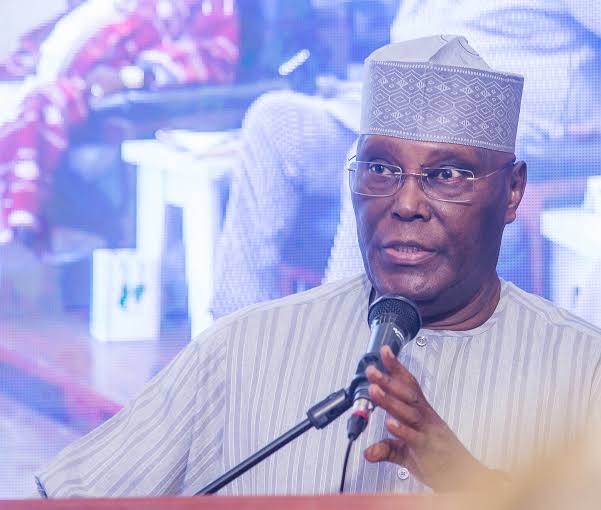
    Former Vice President and African Democratic Congress presidential candidate, Atiku Abubakar, has called on President Bola Tinubu’s administration to publish the full text of Nigeria’s five-year health agreement with the United States.

    Atiku’s demand followed concerns raised by Ghana over a proposed health compact with the US, particularly issues relating to medical records, pathogen information, funding commitments and the regulation of imported medical products.

    In a statement issued by the Director of Strategic Communication of the ADC Presidential Campaign Council, Phrank Shaibu, Atiku said Nigerians should be able to examine the commitments made by the Federal Government under the agreement.

    Nigeria and the United States signed the health Memorandum of Understanding on December 19, 2025. According to the Federal Ministry of Health, the five-year agreement, running from April 2026 to December 2030, covers disease surveillance, outbreak response, laboratory systems, biosafety procedures for pathogen samples, health data systems and access to essential health commodities.

    Under the agreement, the US is expected to provide nearly $2bn in grant funding, while Nigeria has committed to increasing domestic health financing, projected by the government to mobilise nearly $3bn over the five-year period.

    Atiku questioned whether provisions that Ghana reportedly rejected were contained in Nigeria’s agreement with Washington.

    “At this point, Nigerians do not know whether the provisions Ghana rejected are in the agreement Tinubu signed. That is precisely why the government must publish the full text. Nigerians should not have to guess what has been agreed in their name,” he said.

    Ghanaian President John Mahama recently said his government rejected a proposed US health compact after concerns were raised over medical records, pathogen information, counterpart funding and the inspection of imported medicines.

    Atiku also raised concerns about Nigeria’s healthcare challenges, particularly maternal mortality.

    He cited internationally reported estimates that Nigeria recorded about 75,000 maternal deaths in 2023, representing a significant share of global maternal deaths.

    The former vice president argued that the government’s international health commitments should be considered alongside its ability to finance healthcare programmes domestically.

    He specifically questioned the level of funding released for capital projects at the Federal Ministry of Health.

    Atiku cited remarks attributed to the Coordinating Minister of Health and Social Welfare, Prof Muhammad Ali Pate, during the ministry’s 2026 budget defence, that only N36m had been released from the N218bn appropriated for capital projects and programmes at the ministry’s headquarters in 2025.

    “A government that cannot release funds for approved health projects must explain how it intends to honour a multibillion-dollar commitment,” Atiku said.

    He argued that the impact of the agreement should ultimately be measured by improvements in healthcare delivery, including the ability of hospitals to provide services and women to receive safe maternity care.

    Atiku further called for the publication of all documents connected to the agreement, including protocols, annexes, data-sharing arrangements, specimen-sharing agreements and financial commitments.

    He questioned what would happen to Nigerians’ medical information and pathogen samples under the agreement, who would have access to such information and what safeguards would protect patients.

    He also asked whether the National Agency for Food and Drug Administration and Control would retain its full authority to inspect medicines and medical products imported under the arrangement.

    The ADC candidate said Nigeria should continue to participate in international health partnerships but maintained that the government should disclose the terms of agreements entered into on behalf of Nigerians.

    “Nigeria welcomes international cooperation that saves lives, but the government must be accountable for the terms it accepts and the results it delivers,” he said.

    Atiku also called for greater disclosure of the administration’s other international commitments, including its growing partnership with France.

    “Nigeria’s sovereignty is not classified information,” he said.

  • Otti Urges Igbo Traders To Embrace Manufacturing, Digital Commerce

    Otti Urges Igbo Traders To Embrace Manufacturing, Digital Commerce

    Precious Nwonu, Enugu

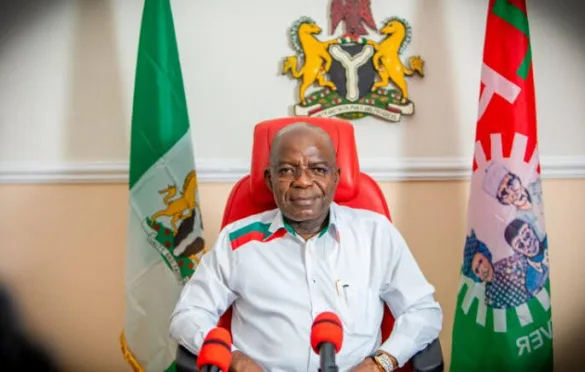
    Abia State Governor, Alex Otti, has urged Igbo entrepreneurs to move beyond conventional trading and embrace manufacturing and digital commerce to remain competitive in the changing global economy.

    Otti made the call on Monday in Umuahia at the Igbo Day Lecture and Dinner organised by Ohanaeze Ndigbo Worldwide.

    The event was held under the theme, “The Igbo Charter and Development of Ala Igbo.”

    The governor said while trading had historically been central to Igbo economic activities, the changing business environment required entrepreneurs in the South-East to expand into manufacturing and technology-driven commerce.

    Addressing concerns over the growing presence of Chinese traders in retail markets, particularly in Lagos, Otti said the response should not be to remain in the same segment of the market but to move into areas that offer greater opportunities for production and digital sales.

    He said his administration was already pursuing that transition in Abia by supporting manufacturers and promoting digital platforms for businesses.

    According to him, physical markets would remain important, but entrepreneurs needed to take advantage of digital commerce to reach customers beyond their immediate locations.

    Otti said Abia was positioning itself as both a manufacturing and trading hub, with digital commerce providing an avenue for businesses to compete in international markets.

    He said his administration was also investing in technology training for young people through the TechRise initiative.

    The governor noted that some young Abians who benefited from the programme were already working remotely for international technology companies from Aba.

    Otti also assured the President-General of Ohanaeze Ndigbo Worldwide of his administration’s support, describing the theme of the celebration, “Njikọ Ka,” meaning “Unity is Supreme,” as relevant to the development of the South-East.

    He said his administration had established what he described as a strong foundation for the development of Abia and pledged that the state would continue to witness transformation.