Author: Editor

  • University Workers Protest Shortfalls in FG’s Arrears Payments

    University Workers Protest Shortfalls in FG’s Arrears Payments

    Precious Nwonu, Enugu

    University workers across Nigeria have expressed dissatisfaction with the Federal Government’s payment of arrears under its 2026 agreement with university unions, citing incomplete payments, unpaid allowances and a lack of clarity over outstanding entitlements.

    Findings across several institutions show that while some workers have received payments covering between six and nine months, others are still awaiting their money or seeking explanations on how the funds were distributed.

    At the Federal University of Lafia, the Senior Staff Association of Nigerian Universities (SSANU) chairman, Daniel Dajen, said members had received only six months’ arrears, despite the government’s claim that payments covering eight months had been released.

    Dajen said the funds disbursed were insufficient to cover the full amount owed and called on the Federal Government to address the shortfall. He also faulted the lack of adequate consultation with universities before the funds were allocated.

    At the University of Ilorin, SSANU chairman Falowo Naheem confirmed that members had received eight months’ arrears under the Consolidated Non-Teaching Tools Allowance (CONTTA) component of the agreement.

    However, he said other allowances remained unpaid and expressed concern over the exclusion of eligible union members working in university health centres, including doctors, nurses, laboratory technologists and health records officers.

    Falowo also listed withheld salaries, earned allowances, salary increments and promotion arrears among the outstanding entitlements, urging the government to ensure that all eligible workers benefited from the agreement.

    At the University of Benin, SSANU chairman Julius Idu said members received eight months’ arrears but were expecting nine months, given that the agreement took effect in January 2026. He said one month’s payment, alongside excess workload, hazard and responsibility allowances, remained outstanding.

    The SSANU chairman at the University of Nigeria, Nsukka, Dr Linus Akata, also confirmed that workers on the institution’s payroll had received eight months’ CONTTA arrears.

    In contrast, the Chairman of the Non-Academic Staff Union of Educational and Associated Institutions at the Federal University of Kashere, Gombe State, Abdullahi Sani, said members had received their outstanding arrears.

    At Michael Okpara University of Agriculture, Umudike, Abia State, NASU chairman Okechukwu Ndukwe confirmed that members received nine months’ arrears. He welcomed the payment but noted that inflation had reduced its purchasing power while other entitlements remained unsettled.

    At the Federal University of Technology, Owerri, SSANU chairman Dr Franklin Duru said the university management began implementing the agreement in July using internally sourced funds before the Federal Government released money in October.

    Duru said members had received arrears covering January to June, while some excess workload allowances remained unpaid. He added that the university had paid three months of the allowance arrears, with the balance awaiting computation and disbursement.

    At Bayero University, Kano, SSANU chairman Mustapha Aminu said the management had paid 80 per cent of the outstanding salary and allowance arrears owed to non-teaching staff. He said a committee involving union and management representatives would be established to ensure the remaining funds reached eligible workers.

    Meanwhile, checks at Kano State-owned institutions, including Northwest University, Kano, and the Kano University of Science and Technology, Wudil, indicated that the state government had paid outstanding allowances to non-teaching staff.

    The payment situation at the Federal University of Petroleum Resources, Effurun, Delta State, remained unclear, as the institution’s management and relevant officials had not provided an update despite repeated inquiries.

     Jigawa workers await payments

    Non-teaching staff at several universities in Jigawa State said they were yet to receive payment alerts or official communications explaining the status of their arrears.

    Checks at the Federal University Dutse, Sule Lamido University, Kafin-Hausa, the Federal University of Technology, Babura, and Jigawa State University of Medical and Allied Health Sciences, Majia, revealed uncertainty among workers over the implementation of the agreement.

    A non-teaching staff member at the Federal University Dutse, Yusuf Abdullahi, said he had not received any payment despite reports of the government’s release of funds.

    Similarly, a worker at the Federal University of Technology, Babura, Fatima Sule, said she was still waiting for her arrears.

    Sule Lamido University’s Public Relations Officer, Sadiq Lawal, said payment of the outstanding arrears was the responsibility of the Jigawa State Government.

    According to him, the government had promised to implement the arrears for members of the Academic Staff Union of Universities, SSANU and NASU, but the institution was still awaiting action.

    The uncertainty has raised questions among workers at state-owned institutions about whether they are covered by the Federal Government’s reported disbursement or must rely on separate funding from their state governments.

     Unions demand accountability

    Beyond complaints about shortfalls, some unions have called for greater transparency in the management and distribution of the released funds.

    At the Federal University Otuoke, Bayelsa State, ASUU branch chairman Professor Bruno Ikuli urged the university management to disclose the total amount received for salary arrears and explain how it was shared among staff.

    Ikuli said some lecturers had received payments but were uncertain whether the amounts reflected their actual entitlements. He clarified that the union was not disputing the payments but wanted an account of the funds and the criteria used for distribution.

    At Abubakar Tafawa Balewa University, Bauchi, SSANU chairman Sulisma Jatau said members had received the government-approved salary increments, although some non-financial provisions of the agreement remained outstanding.

    He estimated that implementation of the financial aspects was between 85 and 90 per cent complete, while the non-financial components had reached between 70 and 80 per cent.

    The Public Relations Officer of Sa’adu Zungur University, Auwal Hassan, also confirmed that staff at the institution received payments in September.

    The varying experiences across the institutions have left some university workers demanding full payment of their entitlements, clear explanations of the disbursement process and the complete implementation of the agreement.

    **Tags:** university workers, Federal Government, salary arrears, SSANU, university unions

  • Tinubu Commends Army Chief As CDS Pledges Veteran Support

    Tinubu praises Army reforms under Waidi Shaibu as Defence Minister pledges to preserve ECOMOG history and improve veterans’ welfare.

    President Bola Tinubu has applauded the leadership philosophy of the Chief of Army Staff (COAS), Lieutenant General Waidi Shaibu, describing it as the foundation of a new Nigerian Army focused on professionalism, adaptability, combat readiness and resilience.

    Tinubu stated that the four pillars underpinning Shaibu’s command philosophy also guided the Army’s approach to training, equipment, combat operations and leadership.

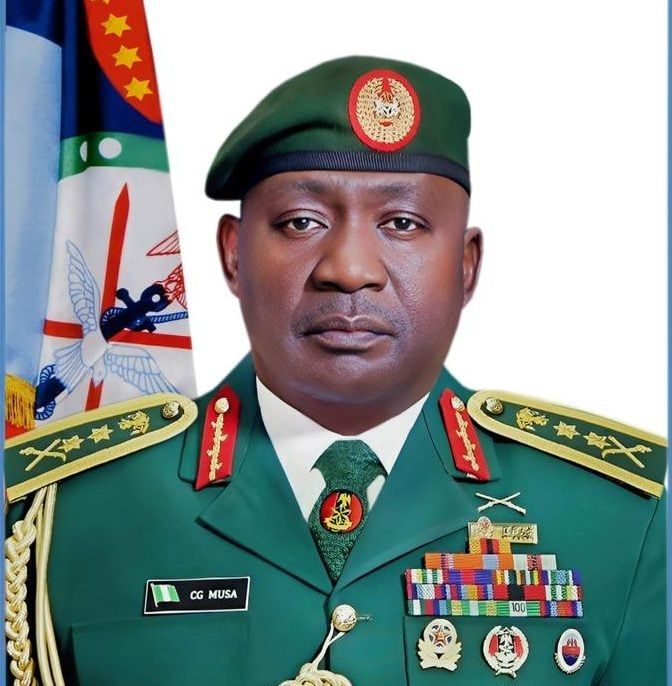
    Also, the Minister of Defence, General Christopher Musa (rtd), has reaffirmed the federal government’s commitment to documenting and preserving the legacy and sacrifices of the Economic Community of West African States Monitoring Group (ECOMOG) in maintaining peace and security in West Africa.

    Also, the Chief of Defence Staff (CDS), General Olufemi Oluyede, on Friday assured veterans of the Armed Forces of sustained welfare initiatives aimed at making their lives more comfortable after service, while calling for their greater participation in the national security architecture.

    The President described the doctrine as a significant departure from military conservatism, noting that the Army had shifted from static defence towards more mobile offensive operations under Shaibu’s leadership.

    Tinubu stated this in the foreword to a book titled, ‘The Shaibu Doctrine: Mission Command and the Remaking of Nigeria’s Army at War’, co-authored by Dr. Muhammed Sani Abubakar and Associate Professor Sunday Adejoh of the Nigerian Defence Academy (NDA).

    The President said the doctrine reflected the Armed Forces’ responsibility to secure Nigeria and create an environment in which democracy and development could thrive.

    “As Commander-in-Chief, I have charged our Armed Forces with one mission: to secure Nigeria so that democracy and development can thrive,” he said.

    He added that the ongoing reforms encompassed the adoption of technology, the indigenisation of military tools, improved personnel welfare and a renewed emphasis on military ethics.

    “These were not abstract reforms. They were choices made in the heat of battle, with lives on the line and the nation watching,” the President said.

    The book examines Shaibu’s leadership philosophy, particularly the role of Mission Command, troop welfare and decentralised decision-making in strengthening the Army’s operational effectiveness.

    Speaking about the motivation behind the publication, co-author Muhammed Sani Abubakar said his professional interactions with Shaibu began when the latter served as a brigade commander in Bama and continued during his tenure as Theatre Commander of Operation Hadin Kai.

    He said these experiences gave him insights into Shaibu’s approach to managing personnel and military resources while sustaining troop morale in demanding operational environments.

    Abubakar said he and Adejoh decided to document the philosophy systematically following Shaibu’s appointment as COAS, believing it offered lessons relevant to the Army’s evolving operational challenges.

    He explained that the philosophy was built around five pillars captured by the acronym PROSE: Professional Excellence, Robust Administration, Operational Readiness, Strategic Cooperation and Exemplary Leadership.

    At its core, he said, was a soldier-first culture that prioritised personnel welfare, morale, training, dignity and empowerment as the foundations of combat effectiveness.

    Abubakar described Mission Command as a leadership approach based on trust, initiative and the empowerment of subordinate commanders to make decisions within their respective areas of responsibility.

    Under this approach, he explained, senior commanders set operational objectives while allowing subordinate commanders to determine the best ways to achieve them, taking prevailing battlefield conditions into account.

    He said the central message was that effective leadership under challenging conditions required commanders to trust their subordinates, invest in personnel, align administration with operations, promote inter-agency cooperation and lead by example.

    The book is scheduled to be presented on 24 November 2026 at the Nigerian Army Resource Centre in Abuja.

    Meanwhile, the Minister of Defence gave the assurance when he received a delegation of ECOMOG veterans, led by Major General Ohifeme Ejimai (rtd), at the Ministry of Defence Headquarters in Abuja.

    According to a statement by the Minister of Defence’s Special Adviser on Media, Leah Katung-Babatunde, the delegation visited the minister to brief him on the group’s activities and ongoing initiatives.

    Speaking during the visit, General Musa acknowledged the significant human and financial resources Nigeria committed to ECOMOG, emphasising that personnel who paid the supreme price, particularly during peacekeeping missions in Liberia and Sierra Leone, would never be forgotten.

    He assured the delegation that ongoing efforts to document the remaining records, casualties and historical assets would be completed to ensure their proper preservation for posterity.

    Earlier in his remarks, Major General Ejimai (rtd) provided an update on the status of surviving Nigerian ECOMOG veterans, noting their readiness to continue contributing to national development and security.

    He urged the ministry to address existing gaps in documentation and consider establishing a dedicated remembrance day to honour the hundreds of Nigerian troops who lost their lives in the pursuit of peace and stability in West Africa.

    The Economic Community of West African States Monitoring Group (ECOMOG) was a regional peacekeeping and peace enforcement force established by the Economic Community of West African States (ECOWAS) in 1990.

    Driven largely by Nigerian leadership and troops, ECOMOG played a decisive role in restoring constitutional order, protecting civilian populations and stabilising West Africa during complex regional crises.

    The CDS gave the assurance during his interactive session with veterans from the South-west region at Headquarters, 2 Division, Nigerian Army, Adekunle Fajuyi Cantonment, Ibadan, as part of his ongoing nationwide engagement with veterans.

    General Oluyede while addressing the veterans, appreciated them for their years of sacrifice in keeping the nation united and peaceful, saying “Your service and sacrifice will never be forgotten by the nation.”

    He noted that the federal government remains committed to improving the welfare of veterans in appreciation of their sacrifices, citing the recent increment in salaries of serving personnel and the consequential adjustment of veterans’ pensions as a demonstration of the Federal Government’s gratitude to the Armed Forces for their service to the nation.

    He added that issues arising from the consequential adjustment of pensions are being addressed.

    The CDS further outlined several initiatives being pursued by the Defence Headquarters to improve the welfare of both serving personnel and veterans which include his determination to dedicate at least one hospital in each geopolitical zone specifically to cater for the medical needs of veterans, in addition to existing healthcare arrangements.

    He informed the veterans that data collation is ongoing and necessary processes are at advanced stages towards actualisation.

    The CDS also disclosed ongoing efforts to establish a low-interest loan scheme for veterans to enable them engage in productive ventures and businesses after service.

    He explained the recently launched Defence Headquarters Online Shop in collaboration with Konga, noting that efforts are ongoing to expand the scheme to bring more major businesses on board to offer discounted goods and services to personnel and veterans.

    He called on veterans to continue to contribute their quota to peace and security in their respective communities and to sustain prayers for serving personnel as they strive to keep the nation peaceful and secure.

    During the interactive session, veterans raised pressing concerns and sought clarifications on issues affecting them, which were promptly addressed by the CDS.

    On hand to provide further clarifications were the Chief of Defence Administration, Rear Admiral Gideon Kachim; the Commandant, Nigerian Armed Forces Resettlement Centre, Air Vice Marshal NI Iloh; and the Chairman, Military Pensions Board, Major General JE Osifoh.

    Issues bordering on veterans’ entitlements, welfare programmes and other administrative matters were extensively discussed.

    The President of the Retired Army, Navy and Air Force Officers’ Association (RANAO), Major General HA Salihu (rtd), in his remarks, thanked the CDS for the engagement, urging veterans to continue to embrace dialogue in resolving issues of concern. Arise News

  • Macron Postpones Nigeria State Visit Until 2027 Amid Protest in France

    French President Emmanuel Macron postpones next week’s planned state visit to Nigeria till 2027, following consultations with President Bola Tinubu amid domestic protests.

    French President Emmanuel Macron has postponed his planned state visit to Nigeria, initially scheduled for next week, following consultations with President Bola Tinubu, as protests in France disrupt his diplomatic engagements.

    The visit has now been postponed till after the elections in 2027.

    The postponement comes amid domestic unrest in France, with the French leader expected to remain focused on developments at home rather than undertake the scheduled trip to Nigeria.

    The visit would have provided another opportunity for both leaders to strengthen diplomatic and economic cooperation between Nigeria and France, building on engagements during Tinubu’s presidency.

    The visit had been expected on October 28 and 29. It would have marked Macron’s first visit to Nigeria since July 2018, when he met then-President Muhammadu Buhari in Abuja and visited the New Afrika Shrine in Lagos.

    The postponement comes against the backdrop of widespread demonstrations in France, initially driven by students protesting teacher shortages, overcrowded classrooms and inadequate educational facilities.

    The protests, which began in September, spread from the Paris region to major cities, including Marseille, Lyon, Nantes and Bordeaux. They coincided with industrial action by public-sector workers opposed to government budget proposals and concerns over living costs.

    Tensions escalated during nationwide demonstrations on October 17, some of which were accompanied by clashes and damage to public property.

    Macron subsequently convened security meetings and called for measures to prevent further violence, as additional demonstrations were planned for October 24.

    French authorities also imposed restrictions on some planned protests, while the government sought dialogue with student representatives, trade unions and other stakeholders.

    The postponed Nigerian visit was expected to build on Tinubu’s state visit to France in November 2024, during which both leaders discussed expanding cooperation in infrastructure, agriculture, energy, finance and investment.

    That visit produced agreements aimed at supporting Nigeria’s infrastructure development and food security, including a proposed €300 million investment programme covering sectors such as transportation, healthcare, renewable energy and agriculture.

    It also coincided with an expansion of Nigerian banking operations in France, with Zenith Bank opening a Paris branch and United Bank for Africa pursuing its own entry into the French market.

    Nigeria and France have maintained longstanding diplomatic and commercial relations, with cooperation spanning trade, education, security, culture and development finance.

    France was Nigeria’s largest trading partner in sub-Saharan Africa in 2023, with bilateral trade exceeding $5 billion, according to French trade figures reported at the time of Tinubu’s 2024 visit.

    The relationship has also acquired greater strategic importance as France seeks to strengthen partnerships with English-speaking African countries following diplomatic and security setbacks in parts of the Sahel.

    Tinubu and Macron have pursued closer engagement since the Nigerian President assumed office in May 2023, including discussions during Tinubu’s attendance at the Summit for a New Global Financing Pact in Paris the following month.

    The two countries have also cooperated on creative industries, technology investment and the recovery of Nigerian assets held abroad.

    The postponement leaves the timing of Macron’s reciprocal visit uncertain, although the existing bilateral agreements and diplomatic engagements remain central to relations between Abuja and Paris. Arise News

  • Atiku’s ADC Campaign Council Slams Tinubu’s 90-Day Relief Plan

    Former Vice President Atiku Abubakar’s presidential campaign council under the African Democratic Congress (ADC) has described President Bola Tinubu’s 90-day cost-of-living relief plan as “election bait”, questioning its timing and demanding details of how the measures will benefit Nigerians.

    The council’s Director of Strategic Communication, Phrank Shaibu, made the position known on Friday at a world press conference at the party’s secretariat.

    Shaibu argued that with the presidential election 86 days away, the government’s 90-day timeline would run beyond election day, leaving Nigerians to wait for relief after casting their ballots.

    “After three and a half years of hardship, this government is asking families to carry another promise into the polling booth and wait for relief until the votes are counted,” he said.

    He urged Nigerians to assess the administration by its economic record rather than promises announced ahead of the election.

    The government’s plan identifies five priorities: food affordability, tax harmonisation, completion of key projects, removal of investment bottlenecks and household support.

    But Shaibu said these were longstanding challenges that should have been addressed earlier, pointing to rising food and transport costs, mounting pressure on manufacturers and business closures.

    He also faulted the administration’s handling of petrol subsidy removal, arguing that measures to protect vulnerable households should have accompanied the reform.

    According to him, the government imposed the immediate costs of the policy on Nigerians while asking them to wait for its benefits.

    “A government cannot put a 90-day deadline on hunger, the cost-of-living crisis and insecurity and call it an economic policy,” Shaibu said.

    The ADC campaign official also questioned Tinubu’s planned visit to Kaduna to launch his re-election campaign, citing the state’s experience with civilian casualties from military airstrikes, abductions, insecurity and natural disasters.

    He recalled the December 3, 2023, military drone strike on civilians attending a Maulud celebration in Tudun Biri, which killed at least 85 people. He also cited a reported military airstrike in Giwa in September 2024 that allegedly killed at least 24 civilians.

    Shaibu further referred to a September 2025 attack involving kidnappings in Kachia and storms and flooding that affected communities across Kaduna State.

    He challenged the President to explain what his administration had done for victims of the incidents and what measures had been introduced to protect residents from abductions.

    Shaibu also questioned claims of fuel-price relief through a discount promotion introduced by the Nigerian National Petroleum Company Limited (NNPC) on October 1.

    He said he visited NNPC retail stations but was told no discount was available, adding that he subsequently bought petrol at ₦1,405 per litre.

    He called on the company to publish details of the promotion, including the number of motorists who benefited, participating stations and the volume of petrol sold at discounted prices.

    Shaibu also questioned the reach of a reported ₦66-per-litre discount, noting that NNPC operates about 900 retail stations in a country with thousands of fuel outlets.

    Turning to the 90-day plan, he demanded specific details on how the government intends to implement each of its five priorities.

    On food affordability, he asked which costs would be reduced for farmers, transporters and traders, when consumers would begin to see lower market prices and how any reductions would be sustained beyond the 90-day period.

    He also called for the publication of the proposed tax harmonisation measures, a list of projects scheduled for completion within 90 days and an explanation of how the government intends to remove barriers affecting manufacturers and investors.

    On household support, Shaibu demanded disclosure of the eligibility criteria, payment amounts, commencement dates, funding arrangements and plans for beneficiaries after the initiative expires.

    He also raised concerns about a registration form circulating under the name “Arise for Tinubu 2027”, which he said requested voter identification, bank details and phone numbers.

    Shaibu asked who was collecting the information, how it would be used and whether the exercise was connected to the proposed household support programme.

    He insisted that Nigerians should not have to surrender sensitive personal information to a political group to access public relief, urging the government to explain how it would prevent the misuse of personal data or public assistance for political purposes.

    Shaibu said Atiku had pledged to make Nigeria more affordable through disciplined public spending, targeted household assistance, lower costs of producing and transporting essential goods, and policies to help local manufacturers expand and create jobs.

    He argued that economic policies should be judged by their impact on household purchasing power rather than government announcements.

    The ADC campaign council urged Nigerians to demand evidence that the promised relief would reach households and remain effective beyond the election period. Channels

  • NSA Warns of Major Lapses in Ebola Border Screening

    The Federal Government has raised concerns over reported breaches of Ebola screening protocols at the nation’s entry points, ordering security agencies, health institutions and other relevant authorities to tighten surveillance and ensure strict compliance with measures designed to prevent the spread of the deadly virus.

    The fresh directive followed concerns raised by the Office of the National Security Adviser over reported non-compliance with approved Ebola entry protocols, amid growing anxiety over the confirmation of an imported case in Abuja.

    Saturday PUNCH gathered that the Federal Ministry of Health and Social Welfare had directed relevant agencies to document and report actual or attempted breaches of the protocols.

    The development came as investigations by our correspondents across several states revealed gaps in public awareness, infection prevention facilities and emergency preparedness, despite assurances by state governments that they had intensified surveillance.

    In Lagos, Saturday PUNCH discovered that an infectious disease isolation facility in Yaba, previously used for the management of COVID-19 and other infectious diseases, had been converted into a nursing school facility.

    Checks also revealed that some states were still making arrangements to procure protective equipment, while several markets, motor parks and other public places lacked basic handwashing facilities.

    The Federal Government had earlier disclosed that 15 states had yet to update their Ebola preparedness and response plans.

    NSA flags screening breaches

    The fresh directive was contained in a circular dated October 22, 2026, with reference number PS/FMOH/08/VIII/48, signed by the Permanent Secretary of the Federal Ministry of Health and Social Welfare, Daju Kachollum, on behalf of the Coordinating Minister of Health and Social Welfare, Prof Muhammad Ali Pate.

    The circular, obtained by our correspondent on Friday, stated that the directive followed concerns raised by the Office of the National Security Adviser over reported non-compliance with the Federal Government-approved Ebola entry protocols.

    It stressed the need for consistent, effective and non-discriminatory enforcement of preventive measures to protect public health and national security.

    The ministry directed relevant institutions to comply strictly with prescribed screening procedures, health declaration requirements, surveillance measures and other applicable entry protocols.

    “The ministry emphasised the need for consistent, effective and non-discriminatory enforcement of the approved measures to mitigate potential cross-border transmission and protect public health and national security,” the circular stated.

    The ministry also ordered improved coordination, communication and information-sharing among agencies to facilitate early detection and prompt responses to potential public health threats.

    Under the directive, institutions must document and report any actual or attempted breach of the approved protocols through established channels.

    They are also expected to support enforcement officials and establish monitoring and accountability mechanisms to ensure sustained compliance.

    The ministry warned against interference with personnel enforcing the protocols and directed agencies to circulate the advisory immediately to their departments, operational units, field offices and personnel.

    The circular, however, did not specify the number of reported breaches, the entry points affected or the nature of the alleged violations.

    Imported Ebola case triggers contact tracing

    The heightened security and public health measures followed Tuesday’s confirmation of an imported Ebola case in Abuja.

    The Federal Government said laboratory tests established that a woman who recently arrived in Nigeria was infected with the Bundibugyo strain of the virus.

    According to Pate, the patient arrived on an international flight from Uganda and was admitted to a private hospital in the Federal Capital Territory, where she received treatment for several days before the diagnosis was confirmed.

    The minister said the woman had been placed in isolation and was receiving medical care.

    He added that public health teams had commenced tracing 44 identified contacts while working to identify other people who might have been exposed, including healthcare workers, patients, caregivers and travel contacts.

    The patient was subsequently identified as a 42-year-old Ugandan-born woman believed to be the wife of a Swiss diplomat based in Abuja.

    Reuters reported on Thursday that the Swiss government said the woman was believed to have contracted the virus while travelling in Uganda.

    Switzerland’s Federal Department of Foreign Affairs disclosed that she had spent about a week at a private clinic in Abuja with symptoms before her diagnosis was confirmed.

    Her husband, who travelled with her, was also placed in isolation but had not developed symptoms.

    However, the source of the woman’s infection remained unclear as health authorities investigated her movements and possible exposure.

    Ugandan officials said she had travelled to the eastern Democratic Republic of the Congo before passing through Uganda, but the World Health Organisation and Africa Centres for Disease Control and Prevention said they had not received verified information confirming the visit.

    Lagos isolation centre converted to nursing school

    Amid the renewed Ebola alert, Saturday PUNCH found that an infectious disease isolation facility in Yaba, Lagos, had been reportedly converted for use by nursing students of Lagos State University.

    When one of our correspondents visited the facility on Friday, the gates were locked, with two security personnel stationed at the entrance leading to the Mainland Hospital section.

    Our correspondent, who posed as a researcher, was denied access to the premises.

    A security guard, who declined to give his name, said the facility had been converted for use by nursing students.

    “They used to use the place for COVID-19 and other serious diseases, but it is now being used by nursing students of LASU,” he said.

    A sign on one of the buildings within the premises read, “Lagos State University Nursing School.”

    Our correspondent also observed patches of grass growing along portions of the interlocked road within the premises.

    There was no visible activity at the facility, which appeared deserted at the time of the visit.

    The findings, however, did not establish whether the state government had relocated the isolation services to another facility or retained emergency treatment capacity elsewhere.

    Lagos, Ogun, Osun residents anxious

    Meanwhile, anxiety may be spreading among residents of Lagos, Ogun and Osun states following reports of the Ebola case, as traders, commuters, commercial drivers and parents express fears of another major health crisis.

    While some residents have begun taking precautionary measures, others complained about inadequate public enlightenment, saying they were unsure how the disease spreads or how to protect themselves.

    Checks by Saturday PUNCH also revealed widespread misconceptions about Ebola, with some residents questioning the credibility of the reports and others alleging political motives.

    At Ketu Market in Lagos, a trader identified simply as Mama Aminu expressed shock when informed about the confirmed case, saying Nigerians were still grappling with the economic and social consequences of the COVID-19 pandemic.

    “I didn’t know there was another Ebola outbreak. I am scared at this point. We barely survived COVID-19; this won’t be funny. Somebody cannot go a day in this country without suffering something. How will we survive this one now?” she asked.

    Although she expressed relief that no case had been confirmed in Lagos at the time of the interview, Mama Aminu said she would purchase a face mask as a precaution.

    “What should I do now? No wonder I saw some people wearing masks days ago. I will look for a mask and buy one for myself,” she added.

    A 200-level student of the Lagos State College of Health, Ladejo Johnson, also expressed concern about the country’s preparedness to contain the disease.

    “I saw it in the news. It is not new that Nigeria rarely prepares ahead for emergencies, so it is we, the citizens, who have to protect ourselves. But I pray and hope it won’t become like COVID-19,” he said.

    Johnson said he would continue wearing a face mask and observing proper hand hygiene.

    Commercial drivers in Lagos and Ogun states also expressed uncertainty about the outbreak, lamenting the absence of adequate public enlightenment on preventive measures.

    A driver, Isiaka Awe, said he had neither heard radio jingles nor watched television campaigns explaining the disease and how Nigerians could protect themselves.

    “What is it even about? Nobody is talking about it; what we are concerned about is how to survive in this country. What are we even expected to wear? Is it like COVID-19? I don’t see anybody washing their hands or maintaining social distancing,” he said.

    Awe said the lack of information had left him confused about the precautions to take.

    Some commuters expressed fears that the disease could spread if the government failed to intensify surveillance and public enlightenment.

    In Mowe, Ogun State, Chinedu Okafor said he was worried about possible exposure while travelling in crowded commercial buses.

    “Honestly, I am afraid because we enter buses every day and sit close to people we don’t know. You cannot even know who is sick and who is not.

    “If Ebola is really spreading, the government should tell us what is happening and how we can protect ourselves. We cannot stop going to work because of this, so they should help us stay safe,” he said.

    Another commuter, Aisha Ibrahim, said she had increased handwashing and reduced unnecessary physical contact but found it difficult to maintain distance in crowded vehicles.

    She urged the government to intensify public enlightenment and provide hand sanitisers at motor parks.

    A concerned parent, Tolani Toluwalase, said her greatest fear was unknowingly exposing her children to infection after returning from work.

    “My major concern is my children at home. I go out every day to work, enter buses and meet different people, so I may unknowingly bring an infection home. I try to wash my hands when I return and maintain good hygiene, but I need more information about what else I should do,” she said.

    In Magboro, Ogun State, a trader, Mrs Philips, said she had begun limiting physical contact with customers while awaiting reliable information about the disease.

    A motorist, Abubakar Sanni, also expressed concern that many Nigerians were unaware of the development.

    “I have not heard much about it, so I do not think the information is widespread. However, if the reports of an Ebola outbreak are true, it could pose a serious challenge for Nigeria, particularly because many people may not even be aware of what is happening,” he said.

    A private school teacher, Funmi Ogunleye, urged the government, the National Orientation Agency and the Nigeria Centre for Disease Control and Prevention to intensify awareness campaigns and counter misinformation.

    However, two commuters, Chinelo Uli and Alex Ubani, questioned the credibility of the Ebola reports, suggesting that the announcement could be politically motivated.

    In Osun State, a private school teacher, Folashade Aderinto, said some schools had begun sensitising pupils and students about infectious diseases.

    Aderinto, who spoke with Saturday PUNCH on Friday, said some schools in Osogbo had also encouraged students to wear face masks.

    Similarly, a 100-level student of the Federal University of Agriculture, Abeokuta, who identified herself simply as Praise, said her institution had circulated information about the disease but had yet to introduce specific preventive measures.

    A poultry farmer in Osun State, Tobi Adeleke, said he had become more cautious since learning about the confirmed case but acknowledged that avoiding contact with others was difficult, particularly when using public transport.

    Plateau hospitals reactivate preventive measures

    In Plateau State, checks revealed varying levels of preparedness across hospitals, markets and motor parks.

    At the Jos University Teaching Hospital and Plateau State Specialist Hospital, handwashing stations, sanitiser dispensers, temperature checks and posters on Ebola symptoms and hygiene practices were observed at some entry points.

    A senior nurse at one of the facilities, who spoke on condition of anonymity, said the hospital had reactivated its infection prevention protocols.

    “Every patient is screened for fever and relevant history before admission,” the nurse said.

    However, a visit to Terminus Market showed that only two of its six entrances had functional handwashing buckets, while no handwashing facility was observed at Farin Gada Market.

    At the Bauchi Road Motor Park, the Chairman of the National Union of Road Transport Workers, Umaru Musa, said drivers had been advised to observe preventive measures and encourage handwashing.

    “We heard about Ebola on the radio. We are telling our drivers to be careful,” he said.

    Nevertheless, no water or sanitiser dispensers were observed in vehicles or at the park’s office.

    The Plateau State Ministry of Health said Disease Surveillance and Notification Officers were working across the state’s 17 local government areas.

    A senior ministry official said the government had activated its Public Health Emergency Operations Centre, intensified community engagement and commenced public enlightenment campaigns with support from the Nigeria Centre for Disease Control and Prevention.

    Nasarawa plans protective equipment procurement

    In Nasarawa State, the government disclosed plans to procure personal protective equipment for frontline health workers across its 13 LGAs.

    The Permanent Secretary of the Ministry of Health, Dr Ibrahim Alhassan, said the state was strengthening its preparedness because of its proximity to the Federal Capital Territory, where the imported Ebola case was confirmed.

    “We are trying to procure some PPEs and preposition them across our healthcare facilities and also improve the index of suspicion for all the healthcare workers,” Alhassan said.

    In Kano, the state government directed public, private, faith-based and military health facilities to enforce infection prevention and control measures.

    The Director-General of the Kano State Centre for Disease Control, Prof Muhammad Abubakar, said the measures included proper hand hygiene, appropriate use of personal protective equipment, environmental sanitation, safe injection practices and medical waste management.

    Similarly, the Yobe State Government said it had strengthened disease surveillance, isolation facilities and contact-tracing systems across its 17 local government areas.

    The Director of Public Health in the Ministry of Health, Dr Nuru Sulaiman Muhammad, said surveillance teams had been established across the state.

    “We have established teams across all the local government areas of the state and trained them in contact tracing and investigating possible exposure,” he said.

    He added that isolation centres had been established in Bade, Potiskum and Damaturu to serve the state’s three geopolitical zones.

    Residents unaware of Ebola alert

    In Benue State, checks by Saturday PUNCH revealed that some residents were unaware of the confirmed Ebola case.

    At Wadata Market in Makurdi, a resident identified simply as Yusuf, expressed surprise when informed about the development.

    “Is there any outbreak of Ebola in Nigeria? I am hearing it from you,” he said.

    At the Modern Market, no handwashing facilities were observed in some public areas.

    A nurse at the Benue State University Teaching Hospital, Makurdi, who identified herself as Mrs Williams, said the hospital management had issued a memo advising staff to observe personal hygiene but had not introduced additional protocols for staff and patients.

    The Commissioner for Health and Human Services, Dr Paul Ogwuche, however, said the government had strengthened surveillance and was mobilising Disease Surveillance and Notification Officers across the state’s 23 local government areas.

    “Any suspected case must be reported immediately through established public health channels for prompt investigation,” he said.

    In Jigawa State, checks in Dutse, Birnin Kudu and Kiyawa revealed varying levels of public awareness, although handwashing facilities were available in most hospitals, markets, motor parks and schools visited.

    A trader at Dutse Ultra-Modern Market, Sani Audu, said residents needed clearer information on how to report suspected cases.

    “We have heard about Ebola, but we don’t know the number to call if we see a suspected case,” he said.

    The state Ministry of Health said it had intensified public sensitisation and introduced preventive measures in line with national guidelines.

    Kwara facilities lack preventive equipment

    In Kwara State, checks at Sobi Specialist Hospital, Alagbado and Awodi Primary Healthcare Centre, as well as markets and motor parks in Ilorin, revealed no visible handwashing facilities at the locations visited.

    The state Ministry of Health, however, said it had reviewed its Ebola preparedness and response plans.

    It disclosed that a stakeholders’ meeting had been held at the Public Health Emergency Operations Centre to assess preparedness and strengthen early detection.

    Technical teams responsible for surveillance, risk communication, infection prevention, laboratory services, logistics and case management were also directed to complete outstanding preparedness activities.

    The Director of Public Health, Dr Oluwatosin Fakayode, said the state had recorded no suspected Ebola case but was monitoring passengers of interest travelling to Kwara.

    In Gombe, the Federal Airports Authority of Nigeria introduced temperature checks for travellers at the state airport and activated emergency operations with relevant agencies.

    The Acting Airport Manager, Epson-Essai Pensur, said the measures were intended to protect passengers and other airport users.

    The state Commissioner for Health, Prof Adamu-Danladi Bojude, said the Public Health Emergency Operations Centre had been placed on alert.

    “We have been receiving daily updates on Persons of Interest from the NCDC and, as of today, there is zero Person of Interest on EVD in Gombe State,” he said.

    Bojude added that anyone identified as a person of interest would be monitored for 21 days, while suspected cases would be isolated and referred for appropriate care.

    The government also planned a joint risk assessment and the activation of an Ebola technical working group.

    Kaduna, Sokoto intensify awareness

    The Kaduna State Government said it was strengthening health facility preparedness and public awareness.

    The Director of Public Health in the Ministry of Health, Dr Sadique Abubakar, said the government had planned awareness campaigns at motor parks, railway stations and other major entry points.

    In Sokoto, residents expressed mixed reactions to reports of Ebola in Nigeria, with some calling for increased awareness while others questioned the credibility of the alert.

    Checks at hospitals, markets and schools revealed varying levels of awareness and limited visible preventive measures.

    A trader, Adamu Usman, dismissed the reports, alleging that the announcement was politically motivated.

    Another resident, Bello Abubakar, linked the timing of the alert to the approaching 2027 general elections.

    However, Abdullahi Muazu urged Nigerians to take health warnings seriously and seek accurate information.

    The Sokoto State Government had yet to issue an official statement on its preparedness as of the time of filing the report.

    Efforts to reach the Commissioner for Health, Dr Abubakar Wurno, were unsuccessful.

    Ebola’s deadly threat

    Ebola Virus Disease is a severe illness transmitted through direct contact with the blood or bodily fluids of infected people or animals, or contaminated materials.

    Symptoms may begin with fever, headache and muscle pain before progressing to vomiting, diarrhoea and, in severe cases, bleeding.

    The incubation period ranges from two to 21 days, and infected people are generally not infectious before symptoms develop.

    Nigeria recorded 20 Ebola cases, including eight deaths, during the 2014 outbreak after an infected traveller introduced the virus into Lagos.

    The outbreak was contained through coordinated surveillance, contact tracing, isolation and other public health interventions.

    The latest imported case has renewed concerns about the country’s preparedness to prevent another outbreak, particularly as the Federal Government moves to address reported breaches of screening protocols at its entry points. Punch
  • State Police Wins Approval of 24 State Assemblies

    Femi Gbajabiamila and state police

    The Constitution (Sixth Alteration) Bill, 2026, has met the threshold of two-thirds of the 36 state Houses of Assembly as required by law, the Presidential Working Group on the National Policing Bill said on Friday.

    Chairman of the group and Chief of Staff to the President, Femi Gbajabiamila, disclosed in a statement that the bill has been approved by 24 Houses of Assembly.

    “The Presidential Working Group on the National Policing Bill notes with satisfaction that the Constitution (Sixth Alteration) Bill, 2026, providing for a dual policing system, has been approved by 24 State Houses of Assembly, meeting the constitutional threshold of two-thirds of the 36 states,” it said.

    “The Working Group commends the State Houses of Assembly for their decisive action on this reform of national importance and appreciates the National Assembly for passing the amendment in both chambers.”

    Presidential Working Group On State Police
    Members of the Presidential Working Group on the National Policing Bill: (L-R) Ogun State Governor, Dapo Abiodun; Gbajabiamila; Minister of Justice, Lateef Fagbemi; and Inspector General of Police, Olatunji Disu, addressing journalists on August 3, 2026. (Photo by Lanre Lasisi/Channels TV)

    It said that in line with Section 9 of the Constitution, the amendment can now be returned to the National Assembly for transmission to President Bola Tinubu for assent.

    The approval is expected to give constitutional backing to the policing framework that the working group’s draft National Policing Bill, 2026 is designed to implement.

    The group stated that while its efforts remain on track, the draft bills are currently undergoing legislative drafting review and validation at the Federal Ministry of Justice and are expected to be returned on or before Friday, October 30, 2026.

    “Thereafter, the Group will give them final consideration before presenting them to Mr President,” it added.

    “The Working Group urges all stakeholders to support a smooth transition to a dual policing system that makes Nigerians safer.”

    The Presidential Working Group on October 19 said it had completed the drafting stage of its assignment and formally submitted the draft National Policing Bill (2026), together with 29 consequential amendment bills, to the Federal Ministry of Justice for legislative drafting review and validation.

    The justice ministry’s review is aimed at ensuring that the bills conform to legislative drafting standards and conventions and that they do not conflict with existing laws.

    “The Ministry of Justice is expected to return the validated draft bills to the Working Group on or before Friday, 30th October 2026. The Working Group will then give the validated bills final consideration before presenting them to Mr President, thereby concluding its mandate,” Gbajabiamila had said in a statement.

    The proposed policing bill seeks to establish the constitutional and legislative framework for a dual policing structure, comprising a Federal Police Service and State Police Services, to improve security at the grassroots. Channels

  • FG Successfully Convicts 653 Terrorism Suspects

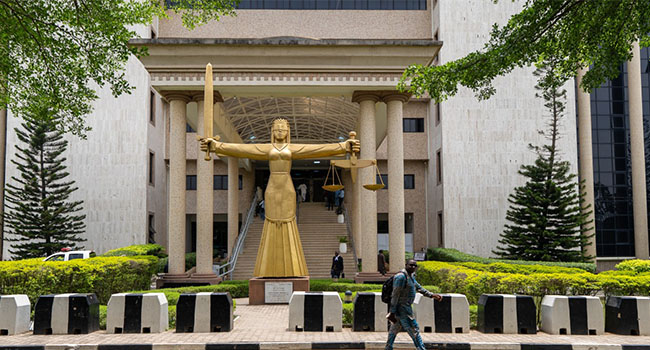
    Federal High Court

    A total of 653 terrorism suspects have been convicted during the ongoing 11th phase of terrorism trials at the Federal High Court, Abuja, the Federal Government said on Friday.

    The Attorney General of the Federation (AGF) and Minister of Justice, Lateef Fagbemi SAN, who disclosed this while reviewing the progress of the trials on Friday, said 1,060 suspects were brought before the court for the exercise.

    He disclosed that as of Friday, 880 cases had been tried, resulting in 653 convictions, seven acquittals and 27 discharges.

    The AGF, however, said the exercise was still ongoing and that the final figures would be announced upon its conclusion, describing the current phase as apparently the largest since the Federal Government commenced the special terrorism trials, attributing the progress to judicial cooperation, effective prosecution and inter-agency collaboration.

    Fagbemi expressed appreciation to the judges handling the cases, particularly under the leadership of Justice Binta Nyako, who has been acting on behalf of the Chief Judge of the Federal High Court, Justice John Tsoho.

    He also commended prosecution and defence counsel, as well as relevant security and justice institutions, for their contributions to the exercise.

    According to him, the collaboration among the institutions has been critical to advancing the prosecution of terrorism, terrorism financing and related offences in the country.

    On the representation of defendants by lawyers from the Legal Aid Council, the AGF explained that the council was fulfilling its responsibility of providing legal assistance to eligible defendants and clarified, however, that private legal practitioners were also representing some of the suspects.

    According to him, defence lawyers had been engaging with their clients before the court proceedings, including visiting detention facilities and preparing them for their defence.

    He noted that some of these preparatory activities could not be subjected to public scrutiny because of the sensitive security considerations surrounding the cases.

    On the issue of deradicalisation for suspects recommended by the court, Fagbemi said the process remained an important component of the overall exercise, explaining that deradicalisation was intended to help eligible individuals understand and regret their actions, enabling them to reintegrate into society and resume their daily lives.

    The AGF maintained that rehabilitation and reintegration were necessary to complement the judicial process and reduce the risk of individuals returning to extremist activities.

    The ongoing trials form part of the Federal Government’s efforts to prosecute terrorism-related offences and strengthen accountability in the country’s response to insecurity. Channels

  • FG to Honour Nigerian Soldiers Killed in Liberia, Sierra Leone

    FG to Honour Nigerian Soldiers Killed in Liberia, Sierra Leone

    Precious Nwonu, Enugu

    The Federal Government has pledged to preserve the memory and sacrifices of Nigerian soldiers who died during peacekeeping operations in Liberia and Sierra Leone under the Economic Community of West African States Monitoring Group (ECOMOG).

    The Minister of Defence, General Christopher Musa (retd.), gave the assurance while receiving a delegation of ECOMOG veterans led by retired Major General Ohifeme Ejimai at the ministry’s headquarters in Abuja.

    The minister’s media aide, Leah Katung-Babatunde, disclosed this in a statement on Friday.

    Musa said the government was committed to documenting and preserving the contributions of Nigerian troops who participated in the regional peacekeeping missions, particularly those who lost their lives in the operations.

    He acknowledged the human and financial resources Nigeria committed to ECOMOG, stressing that the sacrifices made by its personnel would not be forgotten.

    The minister also assured the veterans that efforts to compile outstanding records of the operations, casualties and historical assets associated with the force would be completed to preserve its history for future generations.

    Earlier, Ejimai briefed the minister on the veterans’ activities, ongoing initiatives and the welfare of surviving Nigerian personnel who served under ECOMOG.

    He said the veterans remained willing to contribute their experience to Nigeria’s development and security.

    The retired general urged the Ministry of Defence to address gaps in the documentation of ECOMOG’s history and establish a remembrance day to honour the hundreds of Nigerian troops who died during the missions.

    Established by the Economic Community of West African States in 1990, ECOMOG was a regional peacekeeping and peace enforcement force that played a major role in efforts to restore stability in Liberia and Sierra Leone during periods of conflict.

    Nigeria was a leading contributor to the force, deploying personnel and resources to support operations aimed at restoring peace and constitutional order in the two West African countries.

  • Lagos-Calabar Coastal Highway to Be Completed in Three Years, Umahi Says

    Lagos-Calabar Coastal Highway to Be Completed in Three Years, Umahi Says

    Precious Nwonu, Enugu

    The Minister of Works, David Umahi, has said the Federal Government is targeting the completion of the 750-kilometre Lagos-Calabar Coastal Highway within three years.

    Umahi disclosed this during an interview on Arise Television on Friday, expressing confidence that President Bola Tinubu’s administration would deliver the project within the projected timeframe.

    “We have four years plus by God’s special grace. So we are looking at three years,” the minister said.

    Asked whether the entire highway would be completed within that period, Umahi attributed his confidence to his faith and trust in the President’s leadership.

    He said the timeline was a projection, but did not provide a detailed construction schedule or specific completion dates for the different sections of the road.

    The coastal highway is one of the Federal Government’s major infrastructure projects, designed to improve connectivity along Nigeria’s southern coastline. Its construction has attracted public debate over procurement procedures, project costs and government spending priorities amid concerns about the condition of existing federal roads.

    Addressing the controversy surrounding the contract award, Umahi acknowledged that the project was not subjected to public bidding but maintained that the government used direct procurement, which he said was lawful.

    “There was no public bidding, but there was direct procurement. It’s within the law. That’s all I’ve just said,” he stated.

    The minister also defended the administration’s broader road construction programme, saying his ministry was currently handling about 17,000 kilometres of road construction and rehabilitation.

    “Out of about 35,000 kilometres of our federal roads, the one that is before me in the Ministry of Works, if you remove the few legacy projects we are constructing, we are constructing 17,000 kilometres of roads presently,” he said.

    According to Umahi, the ministry has completed approximately 1,700 kilometres of roads since the administration took office, in addition to more than six kilometres of flyovers, bridges and underpasses.

    He argued that the government’s major infrastructure projects were not limited to building entirely new roads, explaining that existing routes within the project corridors were also being reconstructed.

    Umahi further said the projects were designed to attract investment, with 30 per cent of the funding expected from Federal Government companies and 70 per cent through loans.

    Defending the coastal highway, he cited growing traffic congestion along the Lagos corridor, particularly between Victoria Island and Lekki, warning that the situation could worsen without additional transport infrastructure.

    The minister also addressed criticism over plans to engage 4,000 social media influencers to promote the administration’s projects. He said he would personally finance the initiative rather than use funds from the Ministry of Works.

    “Dave Umahi is funding, not Minister of Works, is funding influencers to advertise what I’m doing because I believe in what I’m doing. I believe in what the president is doing,” he said.

    He acknowledged that the initiative would also help promote Tinubu politically ahead of the 2027 presidential election.

    Umahi dismissed suggestions that his criticism of Labour Party presidential candidate Peter Obi was motivated by his own presidential ambition, describing such speculation as disrespectful to Tinubu.

    “I cannot wish the position of my boss. It is disloyalty and it’s unspiritual and disrespectful,” he said.

    The minister said he hoped to be remembered for infrastructure development, helping people and supporting the integration of the South-East into national politics.

    “My legacy will be the people I have made to laugh. The roads I have constructed, the people I have lifted up. And the region of South-East that I support being totally integrated,” he added.

  • 2027: Minister Udeh to Unveil ‘ATM’ Political Group for Tinubu, Mbah’s Re-election

    2027: Minister Udeh to Unveil ‘ATM’ Political Group for Tinubu, Mbah’s Re-election

    …Presents 17 Buses For ‘ATM’ Political Group

    …Says “I’m confident of President Tinubu and Governor Mbah’s Victory”

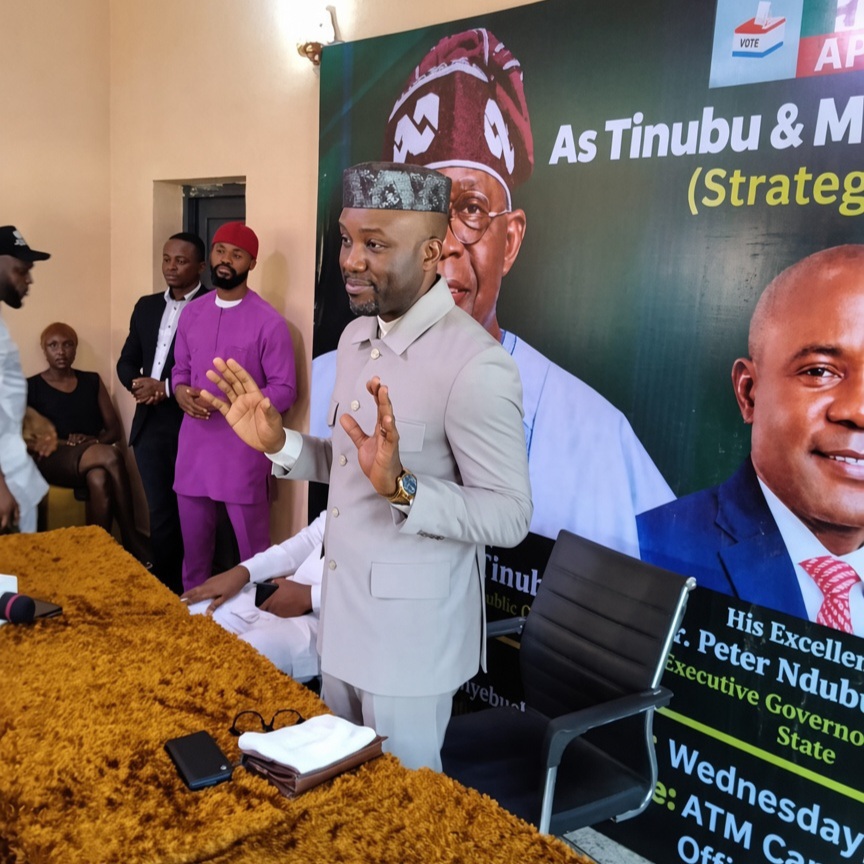
    Ahead of the 2027 general elections, Nigeria’s Minister of Innovation, Science and Technology, Dr. Kingsley Tochukwu Udeh, SAN, is set to unveil his grassroots mobilisation and political support group, “As Tinubu and Mbah Move (ATM)”.

    This is also as the Minister has expressed confidence in the victory of President Bola Tinubu and Governor Peter Mbah in 2027.

    Udeh, who convened a strategy meeting on Wednesday, October 21, 2026, at the group’s secretariat, ahead of the planned unveiling of ‘ATM’, also presented 17 branded buses to support grassroots mobilisation by the movement in preparedness for the forthcoming elections.

    Announcing the initiative, the Senior Advocate of Nigeria urged members to work towards securing victory for the All Progressives Congress (APC), particularly in the presidential and governorship elections.

    He said the buses were provided to ease the mobilisation process and strengthen the movement’s presence across communities, wards and polling units.

    Expressing confidence in the victory of Tinubu and Mbah, he stressed that the movement must go beyond the usual boisterousness of political groups and focus on practical activities that would translate into electoral success.

    “I want this group to be different so that it will not end in noise-making. The aim is to make APC win from top to bottom, especially the President and the Governor,” he said.

    Udeh urged members to take responsibility for delivering their respective polling units and wards, noting that grassroots engagement remained central to political success.

    “Politics is local. Everybody should work to ensure that APC wins in their respective wards and polling units,” he said.

    He explained that ATM was established to provide a platform through which members could connect with political leaders and contribute to the party’s activities.

    According to him, active participation in grassroots mobilisation could also create opportunities for members to engage with government officials and seek assistance on issues affecting their communities.

    Udeh, who described himself as not being a career politician, said he valued integrity and fulfilling commitments in his dealings with people.

    He also pledged to spend more time in the South-East during the campaign period to coordinate the movement’s activities.

    Earlier, the ATM Coordinator, Igboke Onyebuchi, said the meeting was organised to establish and ratify the movement’s structures ahead of the planned commencement of local government mobilisation in November.

    He described ATM as a political movement rather than an ordinary group, explaining that some of its membership was by people who wanted to support Governor Peter Mbah and acknowledge his role in Udeh’s ministerial appointment.

    “We are doing this to support the governor for giving such a smart young person the opportunity to be a minister. This has not happened in recent times,” Onyebuchi said.

    He said the movement comprised community mobilisers, union leaders and people from the civic space, many of whom were not career politicians but were willing to contribute to the political process.

    The coordinator said ATM planned to adopt an innovative, community-based approach to mobilisation, with a focus on reaching rural residents and strengthening the APC’s existing grassroots structures, adding that a community map to guide its engagement with residents had been developed.

    Onyebuchi expressed appreciation to Udeh for providing the platform for members to participate in the political process, saying the movement hoped to encourage greater opportunities for young people with strong professional and intellectual backgrounds.

  • NLC, TUC Give FG Tuesday Deadline to Address Wage, Fuel Price Demands

    NLC, TUC Give FG Tuesday Deadline to Address Wage, Fuel Price Demands

    Precious Nwonu, Enugu

    The Nigeria Labour Congress (NLC) and the Trade Union Congress (TUC) have given the Federal Government until Tuesday, October 27, to make progress on workers’ demands, warning that nationwide industrial action could follow if the issues remain unresolved.

    The warning came after a meeting between organised labour and government representatives ended without an agreement in Abuja on Thursday.

    In a joint statement signed by the NLC General Secretary, Benson Upah, and the TUC Secretary-General, Nuhu Toro, the unions said the government delegation lacked the mandate required to negotiate substantive solutions to the issues raised.

    “No concrete commitments were secured, and the outstanding issues remain unresolved,” the unions said.

    The meeting, held at the Federal Ministry of Labour, focused on labour’s demand for a reduction in petrol prices to 2024 levels, renegotiation of the national minimum wage, implementation of agreed tax relief measures and resolution of outstanding disputes involving health workers and other public servants.

    According to the statement, the Minister of Labour requested that the meeting be adjourned until October 27 to allow the government to prepare adequately and invite relevant ministers, as well as heads of departments and agencies, to participate in the negotiations.

    Organised labour said it remained open to dialogue but would not tolerate further delays in addressing workers’ concerns.

    “We will report back to our organs, and if no meaningful progress is made on Tuesday, the relevant organs of the NLC will decide the next line of action,” the statement added.

    The unions also directed their affiliates and state councils, alongside civil society allies, to remain prepared and begin mobilisation in anticipation of possible industrial action.

    However, they urged workers and members of the public to remain calm while expressing hope that the next meeting would produce concrete responses from the government.

    The dispute comes amid continuing concerns over the cost of living, fuel prices and the purchasing power of Nigerian workers following recent economic reforms.

    The National Minimum Wage Act, 2024, raised the national minimum wage from N30,000 to N70,000 after negotiations involving the Federal Government and organised labour. The unions are now seeking further engagement on wages in response to prevailing economic pressures.

    Labour is also demanding the implementation of agreed tax relief measures and a resolution of outstanding disputes involving the Joint Health Sector Unions (JOHESU) and the Joint Public Service Negotiating Council (JPSNC).

    The JPSNC’s outstanding issues include peculiar allowances, wage awards and hazard allowances, while the JOHESU dispute concerns unresolved terms of settlement affecting health-sector workers.

    The outcome of Tuesday’s meeting is expected to determine the unions’ next steps, with any decision on industrial action to be taken by their respective decision-making bodies.

  • Obasanjo Faults Tinubu’s Reforms, Says Nigerians Have Become Poorer

    Obasanjo Faults Tinubu’s Reforms, Says Nigerians Have Become Poorer

    Precious Nwonu, Enugu

    Former President Olusegun Obasanjo has criticised the economic policies of President Bola Tinubu, arguing that the sharp depreciation of the naira has worsened poverty and hardship across Nigeria.

    Obasanjo made the remarks on Wednesday at the Financial Times Africa Summit 2026 in London, United Kingdom, where he questioned the impact of the reforms introduced by the Tinubu administration in 2023.

    He argued that the naira’s depreciation had significantly reduced Nigerians’ purchasing power, noting that the exchange rate moved from about N500 to the dollar to approximately N1,500.

    “We do not live in isolation as a country. We interact with the rest of the world. And overnight, you devalue the currency by 300 per cent. The naira went from N500 to a dollar to N1,500 to a dollar. What that meant was that every Nigerian is made poor by 300 per cent,” the former president said.

    Obasanjo described Nigeria as the “poverty capital of the world”, arguing that the economic changes had increased the number of people struggling to meet their basic needs.

    He rejected suggestions that the President should be given more time for his reforms to deliver results, saying he had yet to see sufficient improvement in the economy.

    “For the economy, I don’t see anything getting better. What policies are you seeing through? You impoverish your people, and you want to see impoverishment through?” he asked.

    The former president also maintained that the administration’s policies were not serving the interests of Nigerians.

    On the removal of the petrol subsidy, Obasanjo acknowledged the importance of fuel to households and businesses but argued that corruption associated with the subsidy regime should have been addressed before the policy was scrapped.

    He said a country facing severe economic difficulties should focus on eliminating corruption, reducing waste and unnecessary spending, and increasing domestic production.

    The Central Bank of Nigeria unified its foreign exchange windows on June 14, 2023, when the official exchange rate stood at approximately N460.8 to the dollar. The naira subsequently weakened, reaching about N1,333.54 to the dollar on the official market on October 19, before falling to around N1,607.05 in early May 2025.

    Despite the currency’s depreciation, official figures cited in the report showed that Nigeria’s headline inflation fell to 14.63 per cent in September from 20.98 per cent a year earlier. Food inflation, however, remained higher at 19.59 per cent, while the economy recorded real gross domestic product growth of 4.43 per cent in the second quarter.

    Meanwhile, the Minister of Finance and Coordinating Minister of the Economy, Taiwo Oyedele, said on August 19 that the removal of the petrol subsidy had saved the government N15.8tn between June 2023 and December 2025.

    Efforts to obtain the Presidency’s reaction to Obasanjo’s comments were unsuccessful, as the President’s Special Adviser on Information and Strategy, Bayo Onanuga, could not be reached.