Author: Editor

  • “It’s not debatable, we can’t go back,” Mbah Backs Tinubu on Fuel Subsidy Removal

    “It’s not debatable, we can’t go back,” Mbah Backs Tinubu on Fuel Subsidy Removal

    ...Says “We’ve delivered good governance to Enugu”

    Governor of Enug State, Dr. Peter Mbah, has doubled down in his support for the removal of fuel subsidy by President Bola Tinubu’s administration, saying it was undebatable and inconceivable for anyone to imagine a return to the old order.

    Mbah spoke at the “Meet the Candidates” town hall meeting organised by Afia TV in Enugu on Wednesday, where he also said that his administration had delivered good governance to the people of the state across all sectors.

    He described it as a pathetic misconception of the country’s situation and the direction it was headed for anyone to talk about the reintroduction of fuel subsidy.

    “If you reintroduce fuel subsidy today, we will lose ten times whatever we are currently trying to gain in terms of the removal of subsidy. The poverty rate that you are going to experience will be very high because the naira would be automatically devalued.

    “We cannot go back to subsidy. And I do not think it is in the interest of the country for us to even debate that.

    “Again, we should not even debate it because we do not want to send a signal to prospective investors that we are contemplating it. That would take us back. It is going to create panic in the system. It is going to get investors to pull back.

    “Those that are coming in today to invest in that sector will become jittery. So, it is not even a subject to debate. It is something that we have moved on from, and we should be thinking about how to ensure that the natural benefits cascade to the households, create jobs and generate wealth for our people,” he said.

    He said the nation should focus on how to further encourage private capital to flow, noting the growth the nation had experienced in the stock exchange space.

    He added that Tinubu’s policies had stabilised the macro indicators, thus encouraging foreign direct investment.

    “You can see quite a lot of funds coming into our country, not just portfolio investments, but also direct investments. It is also going to strengthen because the macro indicators are right,” he stated.

    Mbah maintained that whereas fuel subsidy removal enables the government to target the less privileged, fuel subsidy as earlier practised benefited the rich more.

    “By the way, I do not think the subsidy we practised before the President removed it was even the right one for the country because even the people we were looking at benefiting from it were only insignificantly benefiting from it. It was largely beneficial to our wealthy folks.

    “But now, you can almost notice that the government is doing that in targeting the poor, using proceeds from subsidy removal. The government is aggressive on cash transfers. There is also the programme where the government is targeting 1,000 persons per ward across the entire country to be able to provide seed capital for them to become productive,” he added.

    Meanwhile, on his stewardship so far, Mbah said his administration had kept faith with the people of Enugu State, delivering good governance across all sectors in line with his campaign manifesto.

    He said the people of the state only needed to imagine where the state was before his inauguration as governor and where it is currently headed.

    “Let us imagine the Enugu we knew four years ago. Let us just imagine an Enugu without Hotel Presidential. Let us imagine an Enugu without the International Conference Centre. Let us imagine an Enugu without Enugu Air. Let us imagine Enugu without the transport terminals, the 268 Smart Green Schools, 260 Type 2 Primary Healthcare Centres.

    “You do not want them to imagine an Enugu without the International Hospital. You do not want them to imagine an Enugu without the CNG buses, the Nigergas. I think the list is endless.

    “But I even think that we can stretch that imagination further because the work ahead will be more profound. Just imagine an Enugu where our children are receiving education that prepares them for the world because they have been imbued with evolving 21st-century skills. Imagine again an Enugu where you do not have any part of the city with an unpaved road.

    “Also, imagine an Enugu in four years’ time that generates 660 megawatts of electricity; where we are able to provide 24-hour power supply; where you cannot come into your house and have the light off; and where people can run their businesses for a whole week without worrying about the cost of diesel. Just imagine an Enugu where you generate electricity and the people of Enugu are buying that at 120 naira because they own the coal that feeds the power plant.

    “Imagine an Enugu where you now have to ride, not just on our CNG buses, but you have the monorail that can take you from point A to point B. Imagine an Enugu where you can fly from here to the United Kingdom, to the United States and other parts of the world,” he charged the electorate.

    He urged the people to keep faith with the journey of greatness, growth and development, defending the gains of his first term and guaranteeing the promises of his second term by working for his re-election.

    “If these imaginations capture our fancy, then we have a duty to fight for it. We do have a duty to continue to make sure that the bar does not come down and that the standard we have set in Enugu is sustained,” he concluded.
  • Senate Demands Emergency Funds, Nationwide Ebola Screening at Entry Points

    Senate Demands Emergency Funds, Nationwide Ebola Screening at Entry Points

    Precious Nwonu, Enugu

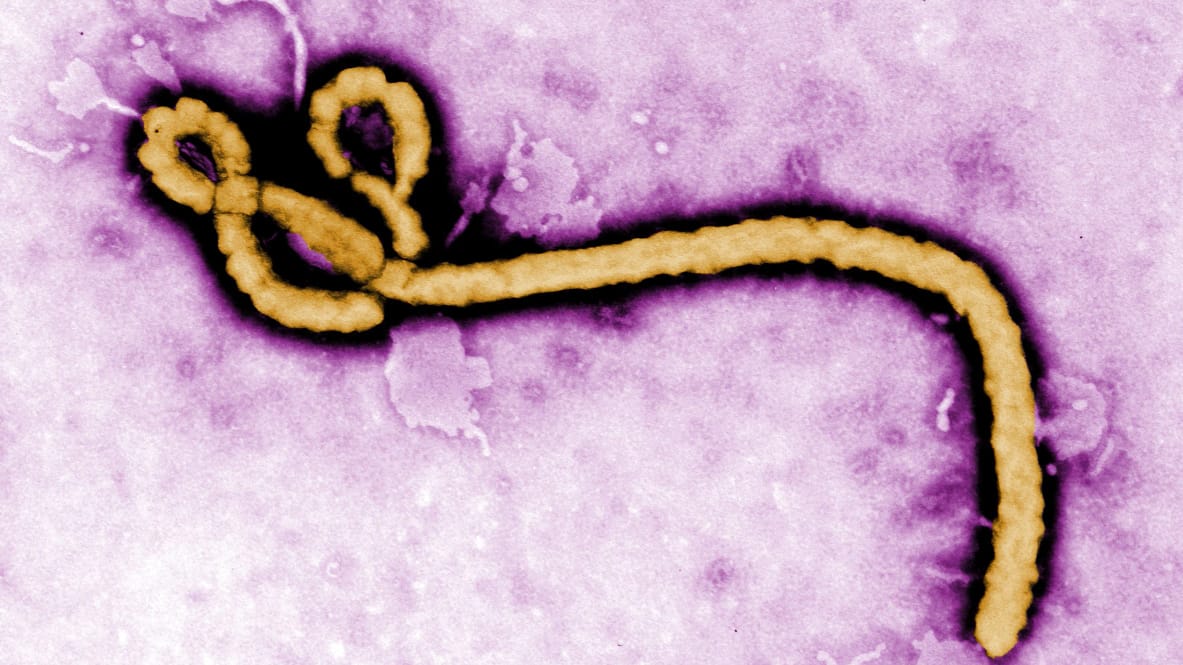
    The Nigerian Senate has urged the Federal Government to release emergency funds to strengthen disease surveillance and introduce compulsory health screening at all international airports, seaports and designated land borders amid concerns over the spread of Ebola.

    The upper chamber made the demand while considering a motion of urgent national importance sponsored by Senator Francis Faduyile, who warned that the Bundibugyo strain of the Ebola virus posed a potential threat to Nigeria’s public health system.

    Faduyile expressed concern over the spread of the outbreak beyond the Democratic Republic of the Congo (DRC), citing reports of infections in other African countries and the possibility of infected travellers entering Nigeria through transit countries.

    The senator also recalled Nigeria’s experience in July 2014, when an infected traveller introduced Ebola into Lagos, triggering an outbreak that required an extensive public health response.

    Although the Federal Government has introduced health declaration forms and strengthened screening measures at entry points, the Senate expressed concern that existing checks focused on travellers from selected countries, potentially leaving gaps in the country’s disease surveillance system.

    Lawmakers also highlighted shortages of trained personnel and screening equipment at some entry points, alongside concerns over the continued reliance on the Quarantine Act of 1926 to guide public health control measures.

    The Senate warned that Nigeria’s existing health challenges, including Lassa fever, cholera and diphtheria, made stronger preparedness necessary to prevent another major public health emergency.

    It consequently called on the Federal Ministry of Health and Social Welfare, the Nigeria Centre for Disease Control and Prevention (NCDC) and Port Health Services to ensure that all arriving international passengers undergo compulsory health checks, regardless of their nationality or country of departure.

    The proposed measures include completing health declaration forms, temperature checks and assessments for symptoms associated with Ebola and other infectious diseases.

    The Senate also recommended enhanced screening for travellers who had visited or passed through affected areas within the preceding 21 days, as well as exit screening for departing passengers during declared public health emergencies.

    It urged the Federal Ministry of Health and Social Welfare, the Federal Airports Authority of Nigeria and the Nigeria Immigration Service to deploy more trained Port Health officers and provide thermal scanners, protective equipment and isolation facilities at all designated entry points.

    The lawmakers further called for adequate preparation of isolation and treatment centres across the 36 states and the Federal Capital Territory to ensure that suspected and confirmed cases can be managed promptly.

    On funding, the Senate urged the Federal Government to draw emergency resources from the service-wide vote to support disease surveillance and border health operations. It also called on the relevant ministries to ensure adequate allocations for the NCDC and Port Health Services in the 2027 budget and release outstanding funds.

    The chamber also advocated replacing the Quarantine Act of 1926 with modern public health legislation aligned with the International Health Regulations of 2005.

  • Ortom Accuses Successor Alia of Scrapping Former Benue Governors’ Benefits

    Former Benue Governor Samuel Ortom says his successor Governor Hyacinth Alia cancelled benefits for former governors, including housing and medical provisions provided under state law.

    Former Benue State Governor Samuel Ortom says his successor, Governor Hyacinth Alia, cancelled benefits provided for former governors under state law.

    Ortom made the disclosure during an interview with Channels Television’s Political Paradigm, where he spoke about the entitlements attached to the office after leaving government.

    According to Ortom, the benefits included the provision of a residence in Abuja or another location of his choice, as well as funding for annual medical examinations.

    He said the provisions were contained in legislation passed by the Benue State House of Assembly but were no longer available to him under the current administration.

    “He cancelled it. There is no financial entitlement,” Ortom said.

    The former governor also disclosed that the monthly salary of a serving governor was below N600,000, adding that the amount was the same regardless of who occupied the office.

    Ortom said he was also supposed to receive a house after leaving office but noted that he still lives in the Games Village area of Abuja.

    He said he had lived in the residence since 2008, when he served as the national auditor of the Peoples Democratic Party (PDP).

    “Well, I was expected to be provided with a house. As you can see, I am staying here in my Games Village residence. Which former governor is living in the Games Village?” he said.

    Ortom questioned why other former governors had allegedly benefited from the provisions while he remained in the same residence he occupied before becoming governor.

    He added that several individuals had attempted to challenge his continued stay in the Games Village property since he moved there.

    Ortom governed Benue State from 2015 to 2023 under the PDP before handing over to Alia, who won the governorship election on the platform of the All Progressives Congress (APC). Arise News

  • Prince Harry Expresses Desire to Reconcile With King Charles and Prince William

    The Duke of Sussex, Prince Harry, has expressed his desire to repair his strained relationships with his father, King Charles III, and his elder brother, Prince William, saying reconciliation is important amid other challenges facing the world.

    In an interview with GQ magazine in New York released on Tuesday, Harry said he remained hopeful that the family rift could be resolved, despite opposition from some quarters.

    “Some people don’t want it to work out. I want it to work out. With everything else that’s going on in the world, the most important thing is to reconcile – that’s the key point,” he said.

    Harry also spoke about dealing with past hurts, encouraging people to let go of painful experiences and adopt a different perspective.

    “Scars stick around forever. But what your perception is, and what your mindset is to those things that have happened, letting go of the past, that’s something that I would encourage everybody to do,” he said.

    Harry acknowledged that the public remained interested in the family’s disagreements, describing them as “massively relatable”.

    “Sibling disagreements, broken relationships between kids and their parents, kids and one parent – that continues to come up with me the whole time with people that I speak to,” he said.

    Asked about his reasons for wanting to spend more time in the UK, Harry said the move would create opportunities for his family, particularly his children, Archie and Lilibet.

    “Opportunities for the family. Being able to put the kids in a British school has meant a lot to me. I didn’t know how important it was to me,” he said.

    He added, “They [Archie and Lilibet] are loving it, and it’s just giving them a whole different experience.”

    Harry also spoke about the importance of spending more time in his home country and being closer to his relatives.

    “To be back, closer to my family, and to be back on UK soil for longer than a few days or a week here or there,” he told the magazine.

    The Duke also gave an update on King Charles’s health following the monarch’s cancer treatment, saying, “He’s getting better.”

    Reflecting on the death of his mother, Diana, Princess of Wales, in 1997, Harry said he had found a way to honour her memory through his work rather than remain weighed down by grief.

    “I love the fact that I’m able to now sort of carry the memory of my mother with me, with my work, rather than it hold me down, pull me back, or wallow in that grief,” he said.

    Harry also rejected the idea that he was seeking public sympathy over his personal experiences, pointing to the support and professional help he had received.

    “I certainly don’t want any sympathy. That’s where we’re way past that. Why? Because I’m a prince. I’ve got a support network around me, I’ve done different forms of therapy, and I put in the work. I wonder where I would be if I didn’t – it could be a very different situation,” he said.

    PUNCH Online reports that Harry and Meghan moved from the United Kingdom to the United States in 2020 after stepping back from their roles as working royals, in a departure that deepened tensions within the family.

    Harry’s memoir, Spare, published in 2023, detailed the breakdown in his relationships with members of the Royal Family, particularly his brother, William.

    Despite expressing a desire to be closer to his family, Harry’s relationship with William has shown little public sign of improvement. His latest comments, however, suggest he remains open to rebuilding those ties.

    He had previously expressed a similar desire for reconciliation during a BBC interview in May 2025, while living in the United States. Punch

  • US Warns Mexican Drug Cartels Are Eyeing Nigeria as a Global Meth Hub

    The United States has warned that Mexican drug cartels are increasingly looking to Africa as an alternative route for trafficking synthetic drugs, after the National Drug Law Enforcement Agency dismantled four methamphetamine laboratories in Nigeria this year.

    The US Deputy Assistant Secretary of State for International Narcotics and Law Enforcement Affairs for Africa and the Middle East, Michael Gonzales, said the operations demonstrated the importance of Nigeria’s counter-narcotics campaign to both countries, as Washington intensifies pressure on cartels operating in the Western Hemisphere.

    Gonzales spoke on Tuesday during a visit to the NDLEA headquarters in Abuja, where he commended the agency for its operational successes and said he chose Nigeria as his first visit after assuming office because of the country’s strategic importance and the NDLEA’s record.

    “I became the Deputy Assistant Secretary of State for International Narcotics and Law Enforcement just four months ago, covering all countries of Africa and the Middle East. And when I was thinking where it makes the most sense to visit first, Nigeria was a clear answer.

    “Because as a leader, as an economic powerhouse on the continent, but also particularly NDLEA for the leadership and the impressive wins that you and your team and your interagency counterparts have delivered time and again.

    “In addition to the very robust partnership between INL and NDLEA, I wanted to see firsthand where the magic happens, as we say in the United States,” he said.

    Gonzales specifically cited the four methamphetamine laboratory busts recorded by the NDLEA this year as evidence of the agency’s use of intelligence-led investigations, inter-agency cooperation, operational coordination and prosecution.

    “The four meth lab busts just this year alone are a testament to the deployment of some of the best practices in our tradecraft, the intelligence-based knowledge collection, the coordination across national lines and agency lines, the operational excellence that goes into the actual bust, and then the interrogations, the investigations and prosecutions.

    “They’re all so critical because ultimately counter-narcotics work, the work that each of us does day in and day out, truly delivers for the people,” he said.

    The US official said the significance of the operations extended beyond Nigeria, arguing that the international nature of the narcotics trade meant that successful interdiction in Nigeria could have consequences for drug markets in other parts of the world.

    “When I am talking to American audiences in the United States, I tell them there’s virtually no other issue of foreign policy that so tangibly affects the lives of every community, virtually every family across our country, than narcotics.

    “And the reality of the narcotics trade is international. It knows no boundaries, very few constraints. And so, the work that INL does in the United States and globally and the work that NDLEA does fundamentally delivers for the Nigerian people, for the American people,” Gonzales said.

    He added that the United States had more than four decades of experience supporting counter-narcotics operations around the world, including through training and equipment, and warned that changes in trafficking patterns required countries to work together against criminal networks.

    He said intense US pressure on cartels in the Western Hemisphere was effectively “squeezing a balloon,” forcing traffickers to seek alternative routes through Africa to reach markets in Europe and beyond.

    The official also pointed to the growing shift from plant-based narcotics to synthetic drugs, which he described as harder to detect and potentially deadlier, saying the response must target criminal organisations as interconnected networks, including their financial flows.

    Marwa, in his response, said the NDLEA’s recent operations had uncovered what he described as a deliberate attempt by Mexican cartels to establish Nigeria as a manufacturing base for methamphetamine.

    “Crime has no borders, and neither does the threat. The drugs we seize, the arms we intercept and the terrorist financing we trace are not separate problems.

    “When we seize narcotics and illicit weapons in the same operations and along the same routes, we are looking at the convergence of crime. Drug money buys guns, guns sustain armed groups, and armed groups sustain terrorism.

    “Terrorism has no borders. What festers in the Sahel and the Lake Chad Basin does not stay there, and what is trafficked through West Africa does not stop at our coastline,” the NDLEA chairman said.

    Marwa then detailed the operations against the laboratories, beginning with the largest clandestine methamphetamine laboratory ever discovered by the agency in Nigeria.

    “The Mexican cartel threat is real, and we are confronting it.

    “In recent months, NDLEA operatives dismantled the largest clandestine methamphetamine laboratory ever discovered in Nigeria, in a forest in Ijebu East, Ogun State, where we arrested three Mexican meth experts and their Nigerian collaborators right in the forest where illicit substances worth over $360 million US dollars were recovered.

    “Barely four weeks later, we raided another industrial-scale laboratory at Tapa Village in neighbouring Oyo State and arrested a Mexican methamphetamine expert, brought in for large-scale synthesis, together with four Nigerian collaborators.

    “We have since dismantled a similar facility in Enugu State and another in Ebonyi State, South-East Nigeria, all linked to the Mexican cartels. These were not isolated incidents. They show a deliberate attempt to turn Nigeria into a manufacturing hub,” he said.

    Marwa said the implications of the laboratories went beyond the Nigerian market, arguing that the cartels were seeking routes through West Africa to move methamphetamine to international markets.

    “Let me be plain about why this matters to Washington. These cartels are not setting up in our forests to supply Nigerian consumers alone. They want a West African corridor to ship industrial quantities of methamphetamine to Europe, to Asia, and to American cities.

    “Especially taking into consideration the President Trump hammer that is smashing cartel traffic en route to America. These cartels are now seeking alternative routes to get to the same America,” he said.

    He added, “Every meth-producing laboratory that we shut down is a supply line that never reaches an American street, and every cartel operative we arrest is one fewer in the pipeline.

    “Our forensic chemists, our investigators and our tactical teams are, in effect, forward defence for communities in the United States.”

    Marwa said the US partnership had strengthened the NDLEA’s capabilities in forensic and chemical analysis, professional training, investigations, financial-crime detection and equipment maintenance.

    He said the support had contributed to the agency’s recent operational results, including the arrest of 96,157 drug offenders, among them 250 drug barons, and the seizure of more than 15.8 million kilogrammes of assorted illicit drugs in the last five years.

    He added that 16,691 drug traffickers, including kingpins, had been convicted during the period.

    Marwa, however, warned that withdrawing US support could create a gap that criminal and terrorist networks would exploit, and appealed to Gonzales to convey to Washington the need to sustain or increase its assistance.

    “This great partnership has fueled our offensives that yielded the arrest of 96,157 drug offenders including 250 drug barons, the seizure of over 15.8 million kilograms of assorted illicit drugs and conviction of 16,691 drug traffickers including the kingpins, in the last five years,” he said.

    He urged the US to maintain its support “as it is, if not increased,” arguing that criminal networks already operated across national boundaries.

    “Traffickers, arms dealers and terrorists cooperate across borders every day, and governments confronting them must do the same,” Marwa said. Punch

  • FG Confirms Ebola Case in Abuja, Begins Tracing 44 Contacts

    FG Confirms Ebola Case in Abuja, Begins Tracing 44 Contacts

    Precious Nwonu, Enugu

    The Federal Government has confirmed a case of Ebola virus disease in the Federal Capital Territory, Abuja, with health authorities identifying 44 people who may have been exposed to the infection.

    The Minister of Health and Social Welfare, Prof. Muhammad Ali Pate, announced the development in a statement on Tuesday, October 20, 2026, following laboratory confirmation of the case.

    According to the minister, the patient is a woman who recently travelled to Nigeria from Uganda on an international flight. She was admitted to a private hospital in the FCT, where she received treatment for several days before the infection was confirmed.

    The woman has since been placed in isolation and is receiving medical attention.

    Pate said the Federal Ministry of Health and Social Welfare, the Nigeria Centre for Disease Control and Prevention, and the FCT Health Services Secretariat were collaborating with relevant agencies to contain the infection and prevent further transmission.

    He disclosed that contact-tracing teams had begun monitoring the 44 identified contacts while efforts continued to locate other individuals who might have been exposed, including healthcare workers, patients, caregivers and fellow travellers.

    The government has also stepped up disease surveillance and provided immediate support to the hospital where the patient was treated to strengthen infection prevention and control measures.

    Healthcare facilities nationwide have been directed to remain vigilant, with medical personnel urged to promptly identify and isolate suspected cases, observe strict infection prevention protocols and report any suspected infection to public health authorities without delay.

    The minister called on Nigerians to remain calm and follow preventive measures, including regular handwashing and avoiding direct contact with the blood and other body fluids of anyone suspected of having the disease.

    He listed fever, severe weakness, headache, vomiting and diarrhoea among the symptoms requiring attention, particularly in people who may have been exposed to the virus.

    Pate advised anyone experiencing such symptoms to minimise contact with others and contact public health authorities for guidance before visiting a healthcare facility.

    He also appealed to individuals contacted during the tracing exercise, including airline passengers who may have been exposed, to cooperate with health officials and provide the information needed to assess their risk.

    The development comes amid an ongoing regional Ebola threat. In an advisory issued on October 6, the NCDC warned of the possibility of importing the infection following a confirmed case in Kenya linked to an outbreak in the Democratic Republic of the Congo.

    The World Health Organisation states that Ebola spreads through direct contact with the blood or other body fluids of infected people, as well as contaminated objects and surfaces. Infected individuals do not transmit the virus before symptoms appear, while the incubation period ranges from two to 21 days.

    Nigeria previously recorded an Ebola outbreak in 2014 after an infected traveller introduced the virus into the country. Authorities contained the outbreak through case identification, isolation, contact tracing and coordinated public health interventions.

    Reassuring the public, Pate said Nigeria had the experience and public health structures needed to respond to the confirmed case. However, he emphasised that public cooperation would be essential to preventing further spread.

    The Federal Government said investigations were continuing, adding that the Presidential Task Force on Ebola Virus Disease and the NCDC would provide further updates as the situation develops.

    Members of the public seeking information or wishing to report a suspected case can contact the NCDC’s toll-free call centre on 6232, which operates 24 hours a day, seven days a week.

  • Afenifere Leader Pa Reuben Fasoranti Passes Away At 100

    The National Leader of the pan-Yoruba socio-political organisation, Afenifere, Pa Reuben Fasoranti, has died at the age of 100.

    Ondo State Governor, Lucky Aiyedatiwa, confirmed his death in a statement he personally issued on Tuesday.

    The statement read, “With a heavy heart but with total submission to the will of God, I announce the passing of our revered elder statesman, Pa Reuben Famuyide Fasoranti, who departed this world at the glorious age of 100.

    “Pa Fasoranti was a patriarch, a beacon of wisdom, integrity and selfless service whose century-long life was marked by uncommon commitment to the development of our dear State, Yorubaland and Nigeria at large.

    “His counsel, fatherly guidance and principled stand on issues of justice and good governance will be sorely missed. He lived a fulfilled life and left indelible footprints of honour and legacy for generations to come.

    “On behalf of the Government and the good people of Ondo State, I commiserate with the Fasoranti family, the people of Akure Kingdom and the entire State over this great loss. May his gentle soul rest in perfect peace.” Punch

  • Atiku Faults Tinubu Government Over Unresolved Lekki Shooting, Rising Cost Of Living

    Atiku Faults Tinubu Government Over Unresolved Lekki Shooting, Rising Cost Of Living

    Precious Nwonu, Enugu

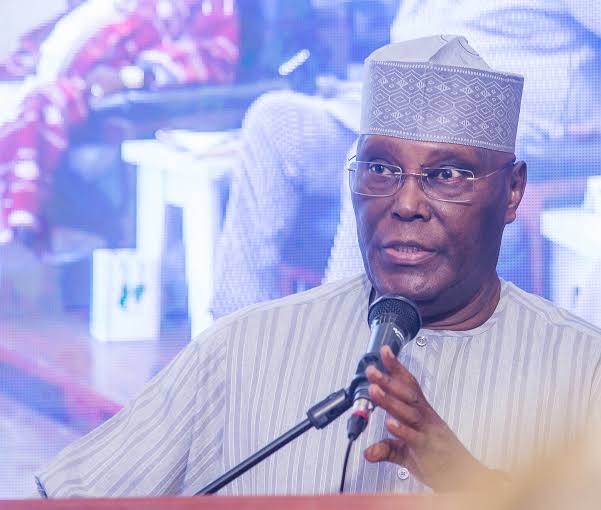
    Former Vice President Atiku Abubakar has criticised the Federal Government over the unresolved questions surrounding the October 20, 2020, Lekki shooting and the worsening economic conditions facing Nigerians.

    Atiku, the presidential candidate of the African Democratic Congress, raised the concerns in a post on his X account on Tuesday, arguing that six years after security operatives opened fire on #EndSARS protesters at the Lekki tollgate in Lagos, Nigerians were still demanding accountability.

    “Six years after the Lekki shooting, Nigeria is still waiting for a clear answer to one devastating question: Who gave the order?” he asked.

    The former vice president also faulted President Bola Tinubu’s response to the incident in October 2020, saying the focus appeared to have been on questioning the protesters rather than establishing responsibility for the violence.

    He said the absence of satisfactory answers had deepened public distrust, particularly among young Nigerians who participated in the protests against police brutality and demanded justice.

    According to Atiku, the All Progressives Congress, which has governed the country since 2015, must address the lingering questions surrounding the incident instead of allowing them to remain unresolved.

    He argued that protecting citizens’ lives and ensuring accountability were fundamental responsibilities of any government.

    Atiku also connected the unresolved Lekki shooting controversy to the economic difficulties confronting young people, pointing to rising petrol prices, declining purchasing power and fewer opportunities for Nigerians to improve their living conditions.

    He cited petrol prices of about ₦1,405 per litre, saying the high cost of fuel had made transportation, food, education and housing increasingly difficult to afford.

    “The APC promised renewal. For too many Nigerians, the experience has been rising costs, shrinking opportunity and a future pushed further out of reach,” he said.

    To illustrate the pressure on workers, Atiku recounted the experience of a young woman who allegedly resigned from her job because her salary could no longer cover the cost of commuting to work.

    He quoted the woman as saying, “The pay no longer covers transport. Everything in Nigeria just dey increase in price. Feels like I’m working for Bolt guys.”

    Atiku said the account reflected a situation in which some workers were struggling to meet the expenses associated with keeping their jobs despite being employed.

    He used the development to restate his proposed Economic Recovery Plan, which he said would make living and working in Nigeria more affordable.

    The proposed measures include support linked to domestically refined fuel, increased local production, protection for minimum-wage earners, assistance for students and reductions in government waste.

    Atiku maintained that young Nigerians deserved answers about the Lekki shooting as well as economic policies that would enable them to earn a living and build a secure future.

    “Young Nigerians deserve the truth about Lekki. They deserve a government that protects life, and an economy that gives work a chance to lead somewhere,” he said.

    He added that citizens had the right to demand accountability over the shooting and question the government’s response to the economic challenges limiting opportunities for young people.

  • Reps Urge FG To Intensify Crackdown On Fake Food, Adulterated Drinks

    Reps Urge FG To Intensify Crackdown On Fake Food, Adulterated Drinks

    Precious Nwonu, Enugu

    The House of Representatives has urged the Federal Government to strengthen enforcement against the production and sale of counterfeit, adulterated and substandard food and beverages, warning that the practice threatens public health.

    The lawmakers made the call during Tuesday’s plenary after adopting a motion of urgent public importance sponsored by Abubakar Yalleman, who represents Madori/Kaugama Federal Constituency of Jigawa State.

    Presenting the motion, Yalleman said access to safe and quality food was essential to Nigerians’ health, well-being and productivity.

    He stressed that proper food processing, hygiene and compliance with established safety standards were necessary to prevent illnesses caused by harmful bacteria, chemical residues, expired ingredients and other contaminants.

    The lawmaker also noted that effective food safety regulations would improve the competitiveness of Nigerian products in regional and international markets by reducing the rejection of exports.

    Yalleman, however, expressed concern over the growing circulation of fake food and drinks, citing the dismantling of an illegal alcohol counterfeiting operation at Zamfara Plaza on Lagos Island by the National Agency for Food and Drug Administration and Control (NAFDAC) on April 22, 2026.

    He also referenced the September 22, 2026, raid by the Nigeria Security and Civil Defence Corps on an unregistered fruit juice factory in Badagry, Lagos State.

    According to him, some manufacturers and distributors engage in counterfeiting established brands, falsifying product labels and expiry dates, using contaminated raw materials and illegally reusing containers.

    He warned that these practices could expose consumers to serious health complications, including poisoning, cancer and damage to vital organs such as the kidneys, liver, lungs and heart.

    The lawmaker acknowledged the regulatory responsibilities of NAFDAC, the Standards Organisation of Nigeria (SON) and the Federal Competition and Consumer Protection Commission (FCCPC), but said the continued circulation of products bearing misleading information showed the need for stronger enforcement.

    He called for improved coordination among regulatory agencies, more effective market surveillance, stricter inspections and the timely prosecution of offenders.

    Yalleman also warned that children, older people and other vulnerable groups could face greater risks from consuming contaminated or substandard products.

    Following the adoption of the motion, the House urged the Federal Government to treat the production and distribution of fake and adulterated food and beverages as a matter of urgent national importance.

    It called on NAFDAC, SON and FCCPC to work with the Nigeria Police Force, Nigeria Customs Service, state governments and other relevant bodies to intensify nationwide surveillance, product sampling, laboratory testing and enforcement operations.

    The proposed crackdown is expected to cover manufacturers, distributors, wholesalers and retailers involved in the production and sale of counterfeit or substandard food and drinks.

    The House also mandated its relevant committees, particularly those responsible for health, industry, customs, standards and consumer protection, to engage regulatory agencies and other stakeholders to assess the scale of the problem and the effectiveness of existing enforcement measures.

    The committees are expected to submit their findings to the House within four weeks to guide further legislative action aimed at curbing the circulation of fake and substandard food, beverages and drugs.

  • DSS Arraigns Five Suspects Over Abduction Of 20 NYSC Prospective Corps Members In Imo

    DSS Arraigns Five Suspects Over Abduction Of 20 NYSC Prospective Corps Members In Imo

    Precious Nwonu, Enugu

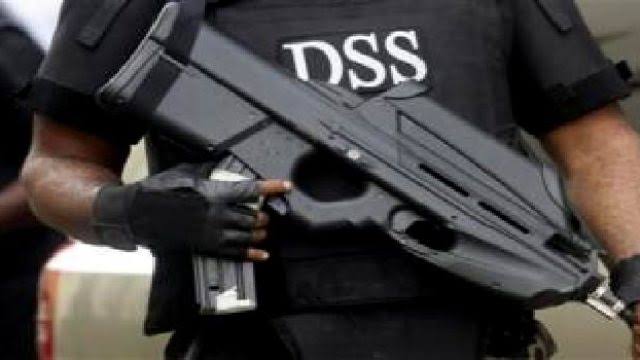
    The Department of State Services (DSS) has arraigned five suspected kidnappers before the Imo State High Court over the alleged abduction of 24 people, including 20 prospective members of the National Youth Service Corps (NYSC).

    The suspects were brought before the court on Tuesday to face charges bordering on conspiracy, hostage-taking and unlawful possession of firearms in two separate cases.

    Three of the defendants, identified as Usman Aliyu, 25, popularly known as Chonge; Babangida Aliyu, 21; and Mohammed Ali, 23, also known as Smallie Pepper, were accused of abducting the prospective corps members on October 1, 2026.

    According to the charge sheet filed at the Imo State High Court, Oru Judicial Division, Mgbidi, the defendants allegedly carried out the abduction with other accomplices who remain at large.

    The victims were reportedly travelling from Ibadan to NYSC orientation camps in Abia and Akwa Ibom states when they were kidnapped along the Owerri-Mgbidi-Onitsha Expressway. They were rescued seven days later.

    The three defendants were charged with conspiracy to commit hostage-taking, an offence punishable under Section 6 of the Imo State Prohibition of Hostage Taking and Related Offences Law No. 4 of 2009.

    They were also accused of illegally possessing three AK-47 rifles, four magazines, a pistol and 81 rounds of live ammunition.

    In a statement, the DSS identified the trio and outlined the allegations against them, stating that the case involved the abduction of the prospective corps members.

    In a separate case, two other defendants, Aminu Haliru, 27, and Tange Ibrahim, 20, also known as Jijji, were arraigned over the alleged kidnapping of four people in the Owerri and Mgbidi areas on October 4, 2026.

    The prosecution alleged that the defendants and other suspects at large demanded and received N8 million for the release of the victims.

    They were also accused of unlawfully possessing an AK-47 rifle and a pump-action gun.

    The prosecution listed N1.8 million as money recovered in connection with the second case.

    A DSS investigator and the victims were listed as witnesses in both cases.

    The allegations against the five defendants are before the court for determination.

  • Enugu LG Councils to Begin Payment of 25-Year Gratuities Arrears

    Enugu LG Councils to Begin Payment of 25-Year Gratuities Arrears

    _…Dedicate 10% of monthly allocations to gratuities from October_

    The Enugu State chapter of the Association of Local Governments of Nigeria (ALGON) has announced plans to commence the payment of outstanding gratuities owed to retired local government workers, with arrears dating back to 2000.

    The Deputy Chairman of Enugu State ALGON, Hon. Ferdinand Ukwueze, disclosed this to Government House correspondents Enugu at the end of the 40th meeting of the Enugu State Economic Planning Commission chaired by Governor Peter Mbah.

    Briefing alongside other Council Chairmen, Ukwueze, who is also the Chairman of Igboeze South Local Government Area of Enugu State, said that starting from October, the councils would dedicate 10 per cent of their monthly allocations to settling the decades old gratuities arrears until they’re totally cleared.

    The announcement comes a week after the Enugu State Executive Council approved over ₦32 billion for the payment of outstanding gratuities owed to retired state government workers, with arrears also dating back to 2000.

    Briefing Government House correspondents, Ukwueze described the decision by the local governments as a historic step aligned with the Mbah administration’s commitment to ensuring that retirees who served the state at both state and local government levels receive their entitlements.

    “One of the high points of today’s meeting is that, in a very historic manner, the local government system in Enugu State has taken the bold step of aligning with the state’s policy, particularly with respect to alleviating the hardship of the masses.

    “In line with the payment of the legacy gratuity that the state government embarked on a couple of days ago, the local governments have also decided at the Economic Planning Commission meeting to step into that arrangement to make sure that we clear all the gratuity inherited by us,” he said.

    According to him, the deductions from the councils’ monthly allocations will commence this month and continue until the outstanding obligations are settled.

    “Beginning from this month, we are going to key into what the state government has started implementing already by making sure that we offset those debts.

    “The decision is that starting from this month, 10 per cent of our monthly allocation will be dedicated to that responsibility until it is cleared. So, once we start it, there is no going back. Every worker who worked in our local governments will have access to this entitlement,” Ukwueze stated.

    He clarified that the arrears cover more than 25 years, dating back to 2000, and reaffirmed the councils’ commitment to clearing the outstanding obligations.

    “For clarity, the arrears are from the year 2000, but, as I said, we are going to clear all the over 25-year legacy gratuities,” he reiterated.

    Ukwueze said the initiative was aimed at improving the welfare of retirees who had devoted their productive years to public service.

    “The essence of it, once again, is to put smiles on the faces of the masses, especially those of them who spent their youthfulness serving the public in our various local government areas,” he said.

    He also pledged the continued support of local governments for the Mbah administration and its collaboration with relevant stakeholders to sustain peace and security across the state.

    “Enugu State is safe. Enugu State is peaceful. And we will continue to partner with our governor and security agencies to keep it so,” he added.

  • Peter Obi Denies Asking Nigerians Abroad To Abandon Families Over Remittances

    Peter Obi Denies Asking Nigerians Abroad To Abandon Families Over Remittances

    Precious Nwonu, Enugu

    The presidential candidate of the Nigeria Democratic Congress, Peter Obi, has denied asking Nigerians living abroad to stop supporting their families at home, accusing political opponents of misrepresenting his recent comments on financial assistance to relatives.

    Obi clarified his position in a post on X on Tuesday, following criticism over remarks he made during a town hall meeting with Nigerians in Manchester, United Kingdom.

    The former Anambra State governor said his comments were intended to draw attention to the economic hardship forcing millions of Nigerians to depend on relatives overseas for their basic needs, rather than discourage financial support for families.

    He acknowledged the sacrifices made by Nigerians in the diaspora, noting that their remittances helped many households pay school fees, medical bills, rent and feeding expenses.

    Obi said such contributions deserved recognition and respect, adding that his concern was the country’s continued dependence on money sent from abroad to sustain millions of citizens.

    “I never asked them to abandon their loved ones. My concern is that Nigeria should not remain a country where millions depend on relatives abroad for basic survival,” he stated.

    He argued that the government should prioritise job creation, affordable healthcare, quality education and economic opportunities to enable citizens to meet their needs without relying on relatives outside the country.

    The NDC flag bearer accused unnamed political opponents of distorting his message despite an earlier clarification from his media office.

    “Political opponents may twist my message, but the truth remains clear: I am not asking Nigerians abroad to abandon their families. I am advocating for a Nigeria that will no longer abandon its own people,” Obi wrote.

    His clarification followed comments he made at the Manchester meeting, where he urged Nigerians abroad to reconsider requests for financial assistance from relatives back home.

    At the gathering, Obi told attendees to reject money requests, arguing that continued financial support could ease the immediate effects of poor governance without addressing the underlying causes of economic hardship.

    “You have people at home in Nigeria today who are begging you for money. Tell them no!” he said.

    The remarks sparked mixed reactions, with some interpreting them as a call for Nigerians in the diaspora to withdraw financial support from their families.

    Obi maintained that his position was focused on the need for better leadership and economic conditions that would allow Nigerians to live with dignity and provide for their loved ones.