Author: Editor

  • Makinde Takes Campaign Message To South-East, Urges Voters To Reject Ethnic Politics

    Makinde Takes Campaign Message To South-East, Urges Voters To Reject Ethnic Politics

    Precious Nwonu, Enugu

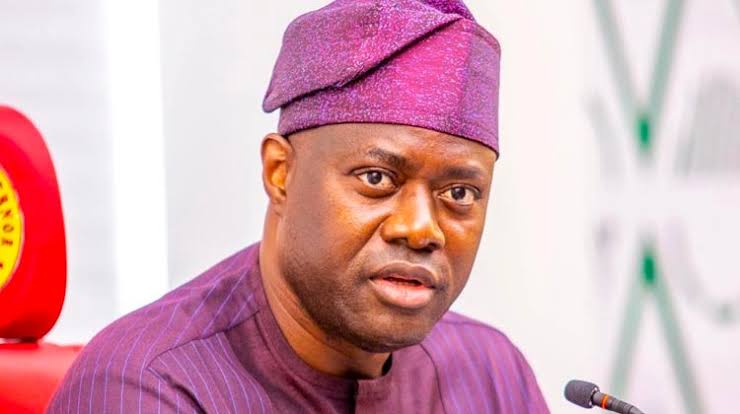
    The presidential candidate of the Allied Peoples Movement (APM), Seyi Makinde, has called on voters in the South-East to look beyond ethnic and religious affiliations when choosing leaders ahead of the 2027 general election.

    Makinde, who is also the governor of Oyo State, made the appeal during an APM South-East town hall meeting in Enugu, where he presented his party’s proposed agenda for addressing Nigeria’s economic and security challenges.

    He acknowledged the strong political support enjoyed by former Anambra State Governor Peter Obi in the region but said his campaign would not be discouraged from seeking votes in the South-East.

    Obi, who contested the 2023 presidential election under the Labour Party, is now the presidential candidate of the Nigeria Democratic Congress (NDC).

    Makinde maintained that the problems confronting Nigerians cut across ethnic and religious boundaries, urging voters to support candidates based on their plans and capacity to address the country’s challenges.

    He outlined four major components of his proposed agenda: economic recovery, restructuring of the security system, education reform and rebuilding the socio-political environment.

    The APM candidate said his campaign had engaged Nigerians across the six geopolitical zones to understand their concerns and incorporate their expectations into the party’s manifesto.

    He disclosed that the document would be finalised over the weekend and unveiled on November 4, 2026.

    Makinde also identified the lack of trust between political leaders and citizens as one of the problems affecting governance, arguing that sincerity and accountability could help restore public confidence.

    Using his experience in Oyo State as an example, he said his administration had worked to rebuild trust between the government and residents and promised to apply a similar approach at the national level if elected.

    On the economy, Makinde pledged to move Nigeria away from dependence on the distribution of federal allocations towards a productive system driven by businesses, manufacturing and entrepreneurship.

    He identified high interest rates and limited access to long-term financing as major obstacles to industrial growth, promising to address both challenges.

    The governor also announced a partnership between his campaign and Skill Reset Nigeria to train one million young Nigerians in employable skills. He encouraged interested youths to register through the organisation’s website to participate in the programme.

    His running mate, Lawal Daura, also called for urgent action against hunger, poverty and insecurity, warning that democracy could not function effectively where political activities were militarised and security issues became politicised.

    Daura said the party was proposing a 16-point agenda aimed at addressing the country’s difficulties, adding that Nigerians needed leadership committed to improving their living conditions.

    Meanwhile, the APM National Chairman, Yusuf Dantalle, appealed to President Bola Tinubu to withdraw from the 2027 presidential race and support Makinde’s candidacy.

    Dantalle argued that Tinubu should allow Makinde to complete what he described as the remaining four years of the South’s turn in power.

    He also attributed Nigeria’s insecurity to underlying socioeconomic problems, including poverty and unemployment, and called for improved electricity and transportation infrastructure to support economic development.

    The meeting was attended by former Osun State Governor Olagunsoye Oyinlola, Director-General of the Makinde-Daura Presidential Campaign Organisation, Felix Hassan Hyat, APM state chairmen and other party stakeholders.

    APM Urges Tinubu To Reconsider 2027 Presidential Bid

    In a related development, the Makinde-Daura Presidential Campaign Organisation has asked Tinubu to use his ongoing Umrah pilgrimage in Saudi Arabia to reflect on his administration’s performance and consider withdrawing from the 2027 presidential contest.

    The organisation made the appeal in a statement issued on Thursday by its Director of Strategic Communications, Richard Ihediwa.

    It urged the President to reflect on his campaign promises, the country’s security situation and the economic difficulties Nigerians have faced since he assumed office in May 2023.

    The campaign organisation also questioned whether Tinubu deserved another term, citing concerns over rising hardship, hunger, insecurity and access to essential services.

    It argued that public office should come with accountability and that the President should assess his administration’s record before seeking another mandate.

    Tinubu departed Abuja for Makkah on Thursday to perform Umrah, the lesser Islamic pilgrimage.
  • Obi Accuses Tinubu Of Avoiding Campaigns, Questions His Ability To Govern

    Obi Accuses Tinubu Of Avoiding Campaigns, Questions His Ability To Govern

    Precious Nwonu, Enugu

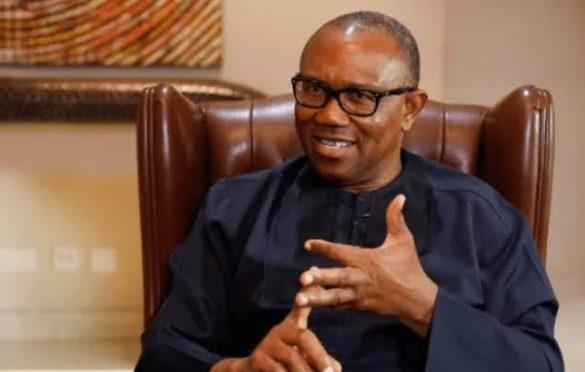
    The presidential candidate of the Nigeria Democratic Congress (NDC), Peter Obi, has criticised President Bola Tinubu over his reported reluctance to campaign across all 36 states ahead of the 2027 general election.

    Obi accused the President of spending more than 260 days outside Nigeria while claiming he could not devote 36 days to visiting states to campaign and explain his administration’s achievements.

    He made the remarks on Thursday at a political summit in Abakaliki, the Ebonyi State capital.

    Tinubu had indicated that he might not visit every state during the 2027 campaign, explaining that his responsibilities as President required him to give priority to governance.

    Reacting, Obi challenged Tinubu to visit Abakaliki and account for his administration’s performance over the past three years, particularly how funds borrowed by the Federal Government had been utilised.

    The former Anambra State governor also questioned the President’s capacity to continue leading the country, arguing that he lacked the energy and competence required for the position.

    Obi urged Tinubu to leave office, saying the country needed leadership capable of addressing its pressing challenges.

    He also cautioned against ethnic divisions in the South-East, insisting that voters should support him based on his qualifications and ability to lead Nigeria rather than his Igbo identity.

    Obi said he was seeking votes from Nigerians across the country and not relying on regional or ethnic sentiments to secure support.

    Outlining his proposed priorities if elected president, the NDC candidate promised to declare a state of emergency in key sectors, including security, education, healthcare, agriculture and the fight against corruption.

    He said his administration would prioritise national unity and ensure that government appointments reflected the federal character principle.

    On security, Obi pledged to strengthen the country’s security agencies through improved equipment and resources, promising decisive action against those responsible for attacks and kidnappings.

    He also vowed to intensify the fight against corruption, warning that anyone found guilty of stealing public funds would face prosecution, regardless of their position.

    In education, the former governor expressed concern over the number of out-of-school children in Nigeria, which he put at more than 18 million. He promised to introduce measures to reduce the figure and improve access to education.

    Obi further pledged to tackle hunger by supporting farmers, improving agricultural production and expanding opportunities for food exports.

    On healthcare, he promised to establish functional healthcare facilities in every political ward across the country, arguing that Nigeria had the resources to provide accessible medical services to its citizens.

    He said addressing these challenges would form part of his administration’s priorities if elected in 2027.

  • 6th Frontier Discourse Awards: Nnamani, Galadima, Udeh, Flutterwave CEO, SMEDAN DG, Enugu Air, Aniagolu, BBC’s Maishanu, Among Honourees

    6th Frontier Discourse Awards: Nnamani, Galadima, Udeh, Flutterwave CEO, SMEDAN DG, Enugu Air, Aniagolu, BBC’s Maishanu, Among Honourees

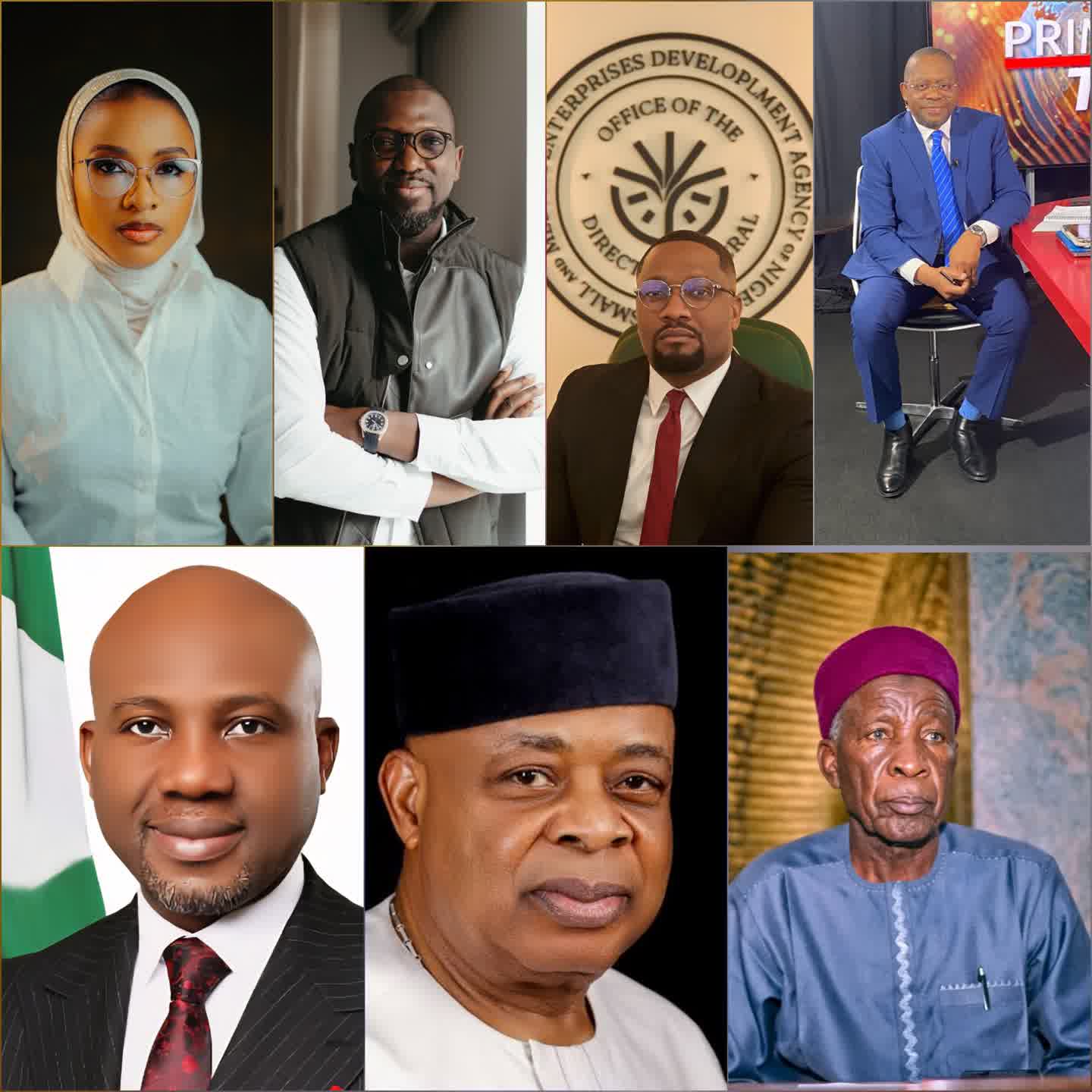
    Pacesetter Frontier Magazine has unveiled an array of distinguished individuals and organisations selected for honours at the sixth edition of the Frontier Discourse Annual Public Lecture Series and Awards, scheduled to hold at the Nigerian National Merit Award House, popularly known as Merit House, in Maitama, Abuja, on Tuesday, November 10, 2026.

    The recognition celebrates individuals and institutions drawn from different sectors and whose contributions have made an impact across public service, technology, media, business, literature and humanitarian development.

    Speaking in Abuja, Frank Ufondu disclosed that the awardees were carefully selected following a rigorous deliberation and voting by the magazine’s Board of Editors. He noted that the recognition celebrates individuals and institutions whose impactful work continue to inspire positive change and leadership in their respective fields.

    Full List of 6th Frontier Discourse Awardees

    The awardees announced by the organisers are:

    LIFETIME ACHIEVEMENT AWARD
    Sen. Dr. Ken Nnamani, GCON

    PUBLIC SECTOR PERSON OF THE YEAR
    Dr. Kingsley Udeh, SAN

    LIFETIME ACHIEVEMENT AWARD
    Alhaji Buba Galadima

    MEDIA PERSON OF THE YEAR (BROADCAST – TV)
    Charles Aniagolu

    TECH PERSON OF THE YEAR
    Olugbenga “GB” Agboola

    FRONTIER PERSON AWARD
    Femi Falana, SAN

    MEDIA PERSON OF THE YEAR (DIGITAL)
    Madina Maishanu

    BRAND OF THE YEAR
    Enugu Air

    YOUNG PERSON OF THE YEAR
    Charles Odii

    MEDIA PERSON OF THE YEAR (BROADCAST – RADIO)
    Sulaiman Pooja Adebayo

    LITERARY ICON OF THE YEAR
    James Nnaji

    HUMANITARIAN SERVICE AWARD
    Lagos Food Bank Initiative (LFBI)

    EMERGING BRAND IMPACT AWARD
    Igbo Hangout & Festival

    Musawa to Chair as Falana Delivers Keynote

    The sixth edition will be chaired by Nigeria’s Minister of Art, Culture and the Creative Economy, Hannatu Musawa, while renowned human rights lawyer and Senior Advocate of Nigeria, Femi Falana, will deliver the keynote address.

    Themed “Barrel to Ballot: The Naturalisation of Violence, Nigeria’s Polity and its Democratic Circus,” the public lecture will examine the relationship between violence, democratic governance and Nigeria’s political development, particularly against the backdrop of the 2027 general elections.

    The event will bring together political leaders, policy experts, media professionals and other stakeholders to deliberate on insecurity, electoral violence, the challenges facing democratic institutions and the credibility of Nigeria’s electoral process.

    The panel session will feature former Senator representing Kaduna Central, Shehu Sani; Deputy National Chairman (South) of the All Progressives Congress (APC), Dr. Ben Nwoye; Executive Director of Development Specs Academy, Prof. Okey Ikechukwu, mni; President Bola Tinubu’s Special Adviser on Economic Affairs, Dr. Tope Fasua; and Zainab Buba Galadima.

    The discussions are expected to provide an opportunity for participants to examine the implications of political violence and insecurity for democratic governance and Nigeria’s electoral future.

    The red carpet is scheduled for 10 a.m., while the main event will commence at 11 a.m.

    Other activities lined up for the programme include history sessions, comedy, poetry and exhibitions.

    Expected participants include business leaders, religious figures, traditional rulers, politicians, youth groups, civil society organisations, professional bodies and members of educational institutions.

    For sponsorship, partnership and other enquiries, members of the public can call or send WhatsApp messages to 09137940957.

    The event partners include One Stewart Ventures Limited, Frontline Africa, Igwesi Human Development Centre, Steve Oruruo Foundation, ROWE Oil and Royal Entourage Consult.

  • Okorocha Triumphs in Court Over Uzodimma for Imo Senatorial Ticket

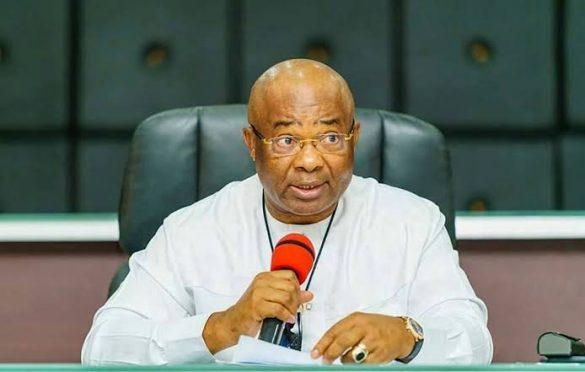
    Former Imo State Governor, Rochas Okorocha, has described a Federal High Court judgment on the All Progressives Congress senatorial primary in Imo West as a victory for the judiciary, democracy and the Nigerian Constitution.

    Okorocha had sued the ruling All Progressives Congress, Imo State Governor Hope Uzodimma and others, seeking a declaration that he was the authentic party candidate for Imo West Senatorial District in the 2027 general election.

    The APC had declared Uzodimma the winner of the senatorial primary, a decision Okorocha challenged at the Federal High Court in Abuja.

    In the suit, Okorocha also asked the court to determine whether it was constitutional for Uzodimma to contest the 2027 senatorial election while still serving as governor, whose tenure is expected to end in January 2028.

    PUNCH Online had reported that a Federal High Court in Abuja nullified Uzodimma’s recognition as the party’s candidate for the Imo West Senatorial District in the 2027 elections and ordered the Independent National Electoral Commission to publish Okorocha’s name.

    Justice Obiora Egwuatu, in his judgment, also restrained Uzodimma from parading himself as the APC senatorial candidate for the January 16, 2027 election, holding that he did not win the party’s May 18, 2026 primary.

    The judge declared that Okorocha emerged as the lawful winner of the primary, which was monitored by INEC, and directed the APC to submit his name to the electoral commission as its candidate.

    Reacting in a statement issued on Thursday by his Special Adviser on Media, Sam Onwuemodo, Okorocha described the judgment as a landmark decision.

    Okorocha thanked President Bola Tinubu for “providing the enabling environment for the Judiciary and other Institutions to function for the nation’s rapid development and growth.”

    He also commended the APC leadership for allowing party members to pursue their legitimate aspirations and constitutional rights.

    The former governor expressed gratitude to the people of Imo State, particularly residents of Imo West Senatorial District, for their prayers, moral support and spontaneous celebrations following the judgment.

    Okorocha also commended Uzodimma for being among the respondents in the case, describing his involvement in the proceedings as part of a historic judgment.

    The former governor further expressed gratitude to God for what he described as a victory.

    “This judgment, to say the least, is a resounding victory for the nation’s judiciary. It is a victory for the nation’s fast-growing democracy. It is an outstanding victory for the nation’s Constitution, as amended,” Okorocha said.

    He added, “It is a remarkable victory for all lovers of what is right and haters of what is wrong. It is a notable victory for posterity and history. Finally, it is a victory for Imo people in general, and Imo West Senatorial District people in particular.”

  • APC Rejects Court Order Sacking Uzodimma as Imo West Candidate

    The All Progressives Congress in Imo State has insisted that Governor Hope Uzodimma remains its candidate for Imo West Senatorial District in the 2027 elections, despite a Federal High Court ruling recognising former governor Rochas Okorocha as the party’s candidate.

    The party stated this in a press release signed by its State Publicity Secretary, Onwuasoanya Jones, on Thursday, in reaction to the judgment delivered by Justice Obiora Egwuatu of the Federal High Court in Abuja.

    The court had ordered the Independent National Electoral Commission to publish Okorocha’s name as the APC candidate for the senatorial district and directed Uzodimma to stop parading himself as the party’s candidate for the January 16, 2027 election.

    However, the APC said Uzodimma remained its candidate, having won the party’s primary with the support of the majority of its members.

    “The Party wishes to state without any confusion that His Excellency Distinguished Senator Hope Uzodimma, CON, remains the candidate of our Party for Imo West Senatorial District, having won the primaries of our great Party with the overwhelming support of the majority of our Party members,” the statement read.

    The party added that its legal department would study the judgment and determine its next steps.

    “The Party’s legal department shall study the outcome of a legal intervention in this matter and act accordingly,” it said.

    The APC also urged its members and supporters to remain focused and committed to securing victories across the state’s constituencies.

    The dispute followed the May 18, 2026, APC senatorial primary, in which Uzodimma was declared winner with 230,464 votes, while Okorocha polled 1,098 votes, according to the results recognised by INEC.

    Okorocha subsequently challenged the outcome in court, disputing Uzodimma’s recognition as the party’s candidate.

    In its ruling on Thursday, the court held that Okorocha was the lawful winner of the primary and ordered the APC to submit his name to INEC. It also faulted inconsistencies in documents the party presented to support Uzodimma’s nomination. Punch

  • House of Reps Urges NCC to Review Pricing of Phone Verification

    The House of Representatives has called for a review of how the Nigerian Communications Commission is implementing its mobile phone device verification requirements, over fears that the policy could push up phone prices and lead to legitimate used devices being rejected or blocked.

    Lawmakers also worried that the cost and complexity of compliance could weigh heavily on small-scale importers and retailers, with possible effects on access to affordable phones.

    The resolution followed a motion by Sani Wakili, who represents a Kano constituency. He urged the NCC to revisit the implementation of its device verification framework in consultation with relevant stakeholders.

    The framework runs on the Device Management System and the Central Equipment Identity Register, which identify and verify mobile phones and other SIM-enabled devices using their International Mobile Equipment Identity numbers.

    The House noted that the enhanced verification requirements, which took effect on October 7, 2026, “impose compliance obligations on newly imported devices and could increase operating costs for importers and retailers.”

    It cautioned that such costs could be passed on to consumers “through higher prices, making mobile phones less affordable, particularly for low-income Nigerians who depend on them for communication, education and business.”

    Lawmakers also raised the possibility of technical errors, database mismatches and limitations in the NCC’s scanning and verification system causing genuine phones to be rejected or blocked.

    The House said, “Such challenges may create difficulties for lawful users and businesses, particularly in the second-hand phone market, where many Nigerians purchase devices at lower prices.”

    While acknowledging the NCC’s efforts to tackle counterfeit, cloned and stolen devices, the House stressed that enforcement must not unfairly penalise legitimate businesses or shut Nigerians out of affordable communication devices.

    It therefore urged the commission to review the framework’s implementation, simplify the verification procedures and cut compliance costs. It also asked the NCC to set up a fair and accessible verification process for used and second-hand phones, so that legitimate devices are not wrongly rejected or blocked.

    To examine the policy further, the House directed its Committees on Communications and Commerce to engage the NCC and other stakeholders and report back within four weeks for further legislative action. The Committee on Legislative Compliance was tasked with ensuring that the resolution is carried out.

    The proposed review comes as mobile phones play an increasingly central role in Nigerians’ daily economic and social lives. Beyond calls and messaging, they provide access to digital banking, online learning, e-commerce and other essential services.

    For many Nigerians, second-hand phones are a cheaper alternative to new ones. A verification system that wrongly excludes genuine used devices could therefore hurt both consumers and traders whose livelihoods depend on the resale market.

    The outcome of the engagement is expected to help the House judge whether current arrangements strike the right balance between device security, regulatory compliance, consumer protection and affordability.

    The NCC’s measures are meant to improve the identification of mobile devices and help curb problems linked to counterfeit and illegally duplicated equipment.

    The House’s intervention is aimed at ensuring those goals are met without unnecessary costs or avoidable hardship for legitimate users and businesses. Punch

  • Tinubu Defends New Loans, Citing Future Economic Opportunities

    By  Gilbert Ekugbe Kindly share this story:

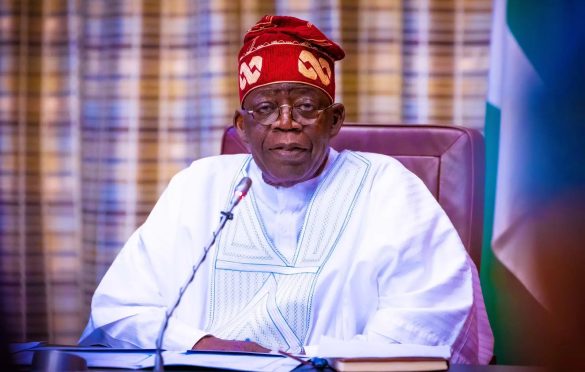
    President Bola Tinubu has robustly defended Nigeria’s new borrowing from international institutions and banks, insisting the loans will fund infrastructure that expands opportunities for future generations.

    In a post by his Spokesman, Bayo Onanuga on X on Thursday, in an essay titled “From reforms to delivery: Our infrastructure investment and growth strategy,” the President responded to criticism, especially from opposition leaders.

    “The real question is not how much we borrow, but what we build, what value we create and what future we leave behind,” he wrote.

    Tinubu identified the Lagos-Calabar Coastal Highway, Sokoto-Badagry Superhighway, Trans-Sahara Superhighway, electricity grid upgrades and the modernisation of key commercial ports in Lagos as major projects expected to strengthen Nigeria’s productive capacity.

    These, alongside investments in healthcare, education and vocational training, would connect economic regions, reduce logistics costs, unlock agricultural and industrial potential and attract private investment.

    The Lagos-Calabar Coastal Highway is expected to cut logistics costs along its corridor by 15 to 20 per cent and could add up to two per cent to Nigeria’s GDP through expanded trade, tourism and industrial activity.

    It is also projected to generate about 100,000 direct jobs in construction and engineering, alongside more than 150,000 indirect jobs in logistics, materials and related services.

    “We are not simply building highways. We are opening economic corridors, connecting markets, unlocking industries and reshaping Nigeria’s economic geography,” the President said.

    He linked the investments to the administration’s ambition to build a $1 trillion economy by 2030. “We cannot build a USD 1 trillion economy with infrastructure designed for an economy a fraction of that size,” Tinubu stated.

    The President said economic reforms introduced in May 2023 had helped restore macroeconomic stability, strengthen public finances and improve Nigeria’s standing in international financial markets.

    Real Gross Domestic Product growth reached 4.43 per cent in the second quarter of 2026, while headline inflation fell to 14.63 per cent in September from 20.98 per cent a year earlier. Gross external reserves rose to $55.1 billion as of 9 October 2026, including about $46 billion in net reserves, and the tax-to-GDP ratio increased to 12.5 per cent from seven per cent.

    “The decisions taken since 2023 were difficult but necessary,” he said, referring to measures including petrol subsidy removal, exchange rate unification, tax reforms and coordinated efforts to tackle inflation.

    Tinubu noted that improving economic indicators and growing international investor confidence were creating opportunities for Nigeria to attract long-term investment.

    “Confidence has a price; our cost of borrowing is going down, and the country risk premium has drastically decreased,” he said.

    He cited positive assessments by international credit rating agencies as evidence of improved confidence.

    “These are not political endorsements; they are independent assessments by global rating agencies, index providers, regulators and investors, recognising stronger external reserves, improved macroeconomic management and greater financial credibility,” Tinubu said.

    The administration was shifting public borrowing away from financing short-term fiscal pressures towards investments that would generate economic returns, create jobs and expand opportunities for future generations.

    It was also pursuing longer-term financing arrangements to match the lifespan of infrastructure assets, reduce refinancing pressures and secure more competitive funding.

    Tinubu said Nigeria must convert renewed international confidence into capital expenditure, completed infrastructure and lasting economic benefits for citizens.

    He identified five priorities for the next phase of the Federal Executive Council’s economic strategy: food affordability and energy price stability; budget harmonisation and fiscal discipline; completion of high-impact projects and investment in critical infrastructure; an improved economic policy framework and regulatory efficiency; and targeted household support alongside investment in human development.

    The success of the administration’s economic schemes would be measured by completed projects, increased investment, employment generation and improved living standards.

    “Securing financing is not the achievement. Completing the project, delivering value and improving the lives of Nigerians is the achievement,” he said.

    He added that the nation’s economic ambition must be supported by responsible borrowing and investments that create lasting opportunities for future generations.

  • Tinubu To Visit Saudi Arabia For Umrah, Pray For Nigeria’s Peace

    Tinubu To Visit Saudi Arabia For Umrah, Pray For Nigeria’s Peace

    Precious Nwonu, Enugu

    President Bola Tinubu is expected to depart Abuja on Thursday for Makkah, Saudi Arabia, to perform the lesser Islamic pilgrimage, Umrah, and pray for Nigeria’s peace, unity and stability.

    The planned trip was announced in a statement issued on Wednesday by the President’s Special Adviser on Information and Strategy, Bayo Onanuga.

    According to the statement, the visit will provide Tinubu with an opportunity for spiritual reflection and devotion, during which he will seek Allah’s guidance and blessings for Nigeria and its citizens.

    Before leaving the country, the President is scheduled to commission newly acquired Nigerian Air Force operational equipment at the Presidential Wing of the Nnamdi Azikiwe International Airport in Abuja. The Presidency did not disclose further details about the equipment in its announcement.

    Tinubu is expected to return to Nigeria next week after completing the religious exercise.

    The planned visit comes as the Federal Government continues to face challenges relating to national security, economic conditions and social stability. However, the Presidency’s announcement focused on the President’s religious activities and prayers for the country.

    Umrah is an Islamic pilgrimage to Makkah that can be undertaken at various times of the year, unlike Hajj, which takes place during a specific period in the Islamic calendar.

    The President’s departure and the planned commissioning of the Air Force equipment were announced by the Presidency on October 28, 2026.

  • Court Orders INEC To Replace Uzodinma With Okorocha As APC Imo West Candidate

    Court Orders INEC To Replace Uzodinma With Okorocha As APC Imo West Candidate

    Precious Nwonu, Enugu

    The Federal High Court in Abuja has ordered the Independent National Electoral Commission (INEC) to remove Imo State Governor Hope Uzodinma as the All Progressives Congress (APC) candidate for the Imo West Senatorial District in the 2027 general election.

    The court directed the electoral commission to replace Uzodinma’s name with that of former Imo State Governor Rochas Okorocha, ruling that Okorocha won the party’s senatorial primary held on May 18.

    Justice Obiora Egwuatu delivered the judgment on Thursday after considering the dispute over the outcome of the APC primary election.

    The judge held that the evidence presented before the court showed that Okorocha secured the majority of votes cast during the exercise.

    Egwuatu consequently ordered the APC to submit Okorocha’s name to INEC as its candidate for the Imo West Senatorial District election.

    The ruling followed a legal battle initiated by Okorocha, who challenged INEC’s recognition of Uzodinma as the APC’s candidate for the 2027 election.

    In the suit, the former governor argued that the electoral commission should recognise him as the rightful winner of the primary and publish his name accordingly.

    Uzodinma, the APC and INEC opposed the suit. The governor and the party had asked the court to dismiss the case, arguing that it was filed outside the 14-day period allowed by law for pre-election matters.

    The dispute centred on conflicting claims over the primary election results and the validity of Uzodinma’s nomination.

    The court’s order places Okorocha in line to represent the APC in the contest for the Imo West Senate seat, subject to the implementation of the judgment and any further legal developments.

  • Tinubu To Present 2027 Budget To National Assembly Before Year-End

    Tinubu To Present 2027 Budget To National Assembly Before Year-End

    Precious Nwonu, Enugu

    President Bola Tinubu is expected to present the 2027 Appropriation Bill to the National Assembly before the end of December 2026, the Minister of State for Budget and Economic Planning, Doris Uzoka-Anite, has disclosed.

    Uzoka-Anite made this known on Wednesday while briefing State House correspondents on decisions taken at the Federal Executive Council (FEC) meeting presided over by Tinubu at the State House.

    She also announced that the council approved the National Development Plan for 2026–2030, alongside new policy measures aimed at reducing child stunting and improving food security.

    Among the approvals was the Revised National Policy on Food and Nutrition 2026, which is expected to replace existing frameworks and promote sustainable funding for nutrition programmes.

    According to the minister, the policy will strengthen cooperation among key sectors, including agriculture, livestock, health and education, as well as development partners.

    The announcements followed the 32nd Nigerian Economic Summit, held in Abuja from October 26 to 28.

    Meanwhile, the Minister of Finance and Coordinating Minister of the Economy, Taiwo Oyedele, has defended the Federal Government’s proposed $21.7bn external borrowing plan, describing it as a long-term investment in infrastructure and other productive assets rather than funds intended for immediate expenditure.

    Oyedele explained that the proposal covers a period of about five years and does not mean the entire amount would be borrowed or disbursed at once.

    He said $10.6bn had been earmarked for major transportation projects, including the Sokoto–Badagry Highway, Lagos–Calabar Coastal Highway and Kano–Kaduna Metro Rail.

    The finance minister added that more than $7.9bn would come from multilateral and bilateral development partners, including a proposed $5bn facility from the World Bank, at an average interest rate of about 2.1 per cent.

    The borrowing plan also includes $3.3bn for projects by state governments and $1.45bn for the Federal Capital Territory.

    The proposed financing has been presented to the National Assembly for consideration.

  • FG Defends $21.7bn Loan Plan, Says Funds Will Drive Infrastructure Development

    FG Defends $21.7bn Loan Plan, Says Funds Will Drive Infrastructure Development

    Precious Nwonu, Enugu

    The Federal Government has defended its proposed $21.7bn supplementary external financing plan, arguing that the funds are intended to support long-term infrastructure and economic development rather than simply increase the country’s debt burden.

    The Minister of Finance and Coordinating Minister of the Economy, Taiwo Oyedele, gave the explanation on Wednesday while briefing State House correspondents after the Federal Executive Council meeting presided over by President Bola Tinubu in Abuja.

    Oyedele said the proposed financing covered 46 projects across 11 sectors, with an average project lifespan of five years. He stressed that the plan represented a framework for financing development projects and did not necessarily mean the government would borrow the entire amount.

    According to the minister, about $10.6bn of the proposed financing would be directed towards transportation infrastructure, including sections of the Lagos-Calabar and Sokoto-Badagry highways and the Kano-Kaduna Metro Rail project.

    He said the projects were expected to improve connectivity, reduce the cost of transporting goods and support regional trade. Ten major projects account for about $12.5bn, representing 58 per cent of the proposed financing.

    The plan also covers power, agriculture, healthcare, education, social protection and climate-related initiatives. Oyedele said projects in social sectors, agriculture, energy, social protection, climate and education, valued at about $4bn, would be financed entirely through concessional funding.

    The minister disclosed that approximately $7.9bn would come from multilateral and bilateral development partners, with the World Bank accounting for $5bn at an average interest rate of 2.1 per cent.

    He put the indicative average interest rate for the commercial component at 7.8 per cent, below the 9.1 to 9.6 per cent yield on Nigeria’s November 2025 Eurobond. He attributed the difference partly to credit rating upgrades by Fitch, Moody’s and Standard & Poor’s.

    Oyedele also clarified that about $4.8bn of the proposed financing was intended for state governments and government agencies, rather than the Federal Government alone. Of that amount, $3.3bn would go directly to states, while approximately $1.45bn would be channelled through agencies and development finance institutions.

    He cited the Bank of Industry, Development Bank of Nigeria, Transmission Company of Nigeria and electricity distribution companies among the institutions expected to benefit from the financing arrangements.

    The minister argued that external financing could be justified where the resulting economic value exceeded the cost of borrowing, adding that major infrastructure projects often required funding beyond what could be accumulated through savings alone.

    FEC Approves Power, Rail And Customs Projects

    Oyedele said the Federal Executive Council approved 10 memoranda at Wednesday’s meeting, including financing arrangements for electricity infrastructure, rail transport, road development and customs operations.

    One approval involved a €155.9m credit facility from Deutsche Bank and other lenders to upgrade five 132/33kV substations under the first phase of the Presidential Power Initiative.

    He said the intervention was expected to improve electricity supply to households and businesses while helping to reduce energy costs.

    The council also approved a $970m syndicated term loan from Standard Chartered and the Africa Finance Corporation to provide rolling stock for the Karu-Maradi rail line. The government expects the project to support freight movement, regional commerce and the Northern Economic Corridor.

    Another approval was a €76.8m credit facility from the ECOWAS Bank for Investment and Development for Bauchi State’s Transport Infrastructure Development Programme. The project will cover rural and urban roads, including routes linking farms to markets.

    The council also approved investment in non-intrusive inspection scanners and technical support for the Nigeria Customs Service. The equipment is expected to speed up cargo clearance, improve the detection of misdeclared goods and strengthen efforts to intercept contraband and illegal weapons.

    Government Highlights Economic Indicators

    During the briefing, Oyedele defended the Tinubu administration’s economic reforms, comparing current indicators with conditions when the government took office in May 2023.

    He said inflation stood at 22.41 per cent at the time, while net foreign reserves were below $1bn. He also claimed that the previous administration had printed more than ₦30tn to finance spending, arguing that the resulting monetary pressures continued to affect prices.

    The minister said the government’s debt-service-to-revenue ratio had fallen from 97 per cent in 2023 to below 60 per cent, while economic growth increased from 2.74 per cent in May 2023 to 4.43 per cent in the second quarter of 2026.

    He also reported that inflation fell to 14.63 per cent in September 2026, compared with 20.98 per cent a year earlier. The figures were presented as evidence of improving macroeconomic conditions, although the minister acknowledged that many Nigerians continued to face economic hardship.

    Oyedele said foreign reserves had risen to more than $55bn, with net reserves exceeding $45bn, compared with less than $1bn three years earlier. He added that Nigeria’s tax-to-GDP ratio had increased from about seven per cent in 2023 to approximately 12.5 per cent at the end of 2025.

    The minister attributed the changes to the administration’s reforms, including the removal of petrol subsidies and adjustments to foreign exchange policy.

    He said the government had also introduced measures to cushion the effects of economic reforms, including student loans, cash transfers to vulnerable households and subsidised credit for small businesses.

    According to him, the Nigerian Education Loan Fund had disbursed ₦372.6bn to more than 1.5 million students, while over 10 million households had received cash transfers worth more than ₦600bn.

    He added that more than 800,000 micro, small and medium-sized enterprises had benefited from subsidised loans and that tax exemptions had been introduced for eligible low-income earners and small businesses.

     FG Targets Lower Food Prices

    Oyedele said the Federal Executive Council had adopted a priority resolution to stabilise food prices and work towards single-digit inflation by the end of 2027 or earlier.

    He explained that the government was coordinating with state governments under a 90-day action plan developed through the National Economic Council to address food supply and affordability.

    In the short term, the government intends to stabilise or reduce prices of major staples, including rice, yam, beans and maize, before the end of the year.

    Oyedele said authorities would assess the gap between domestic food production and consumption to determine whether targeted imports were necessary. He added that any rice imports under the plan would be limited to unprocessed brown rice to protect local milling and processing jobs.

    Over the longer term, the government plans to expand irrigation farming, improve crop yields through scientific methods and reduce post-harvest losses.

    The minister said the administration intended to increase domestic food production, make prices more affordable and expand exports of processed agricultural products.

    The borrowing proposal has attracted criticism from opposition figures, including African Democratic Congress presidential candidate Atiku Abubakar, who has urged the National Assembly to suspend consideration of the request until the government publishes details of the projects to be financed.

    The proposal remains subject to legislative scrutiny and approval by the National Assembly.

  • 2027 Elections: Reps Summon INEC Chairman As ADC Alleges Plot To Shift Polls

    2027 Elections: Reps Summon INEC Chairman As ADC Alleges Plot To Shift Polls

    Precious Nwonu, Enugu

    The House of Representatives has directed the Chairman of the Independent National Electoral Commission (INEC), Prof. Joash Amupitan, to brief its Committee on Electoral Matters on preparations for the 2027 general elections, amid concerns over insecurity, voter registration and the possibility of disenfranchisement.

    The development comes as the African Democratic Congress (ADC) Presidential Campaign Council alleges a plot to postpone the presidential election scheduled for January 16, 2027, warning President Bola Tinubu against using the Ebola outbreak as a reason to change the electoral timetable.

    INEC has scheduled the presidential and National Assembly elections for January 16, 2027, while governorship and state House of Assembly elections are slated for February 6.

    At Wednesday’s plenary, lawmakers asked Amupitan to appear before the committee within seven legislative days to provide a detailed update on the commission’s readiness for the polls.

    The resolution followed the adoption of a motion sponsored by the House Minority Whip, Mansur Soro, and Deputy Minority Leader, Abdulsamad Dasuki.

    The committee is expected to examine the progress of continuous voter registration, the production and distribution of Permanent Voter Cards, election logistics, the deployment of the Bimodal Voter Accreditation System and the INEC Result Viewing Portal, as well as the training of electoral officials.

    Lawmakers also want INEC to explain its security arrangements, funding requirements and the challenges that could affect the implementation of the election timetable. The committee will also review lessons from recent governorship elections in Ekiti and Osun states.

    Presenting the motion, Soro said the credibility and public acceptance of the 2027 elections would depend on adequate preparations in voter registration, public education, logistics, technology, security coordination and funding.

    He also expressed concern over reported difficulties at voter registration centres, including inadequate equipment and personnel, network failures and long waiting times.

    According to the lawmaker, these challenges could disproportionately affect first-time voters, rural residents, students, workers and persons with disabilities if urgent measures were not taken.

    Dasuki said persistent insecurity posed another threat to electoral participation, questioning how eligible voters in affected communities would access polling units and exercise their rights.

    He disclosed that lawmakers had sponsored about 255 motions on insecurity, arguing that the situation required INEC to explain how it would conduct elections in areas facing security challenges.

    The motion initially proposed that the INEC chairman address the entire House. However, Deputy Speaker Benjamin Kalu argued that the responsibility should be handled by the Committee on Electoral Matters.

    Kalu said the committee was constitutionally responsible for overseeing the commission and was capable of conducting the necessary scrutiny.

    Speaker Tajudeen Abbas subsequently clarified that lawmakers supported the engagement but wanted it conducted at committee level. He directed the committee to publicise the date of the meeting to allow interested lawmakers to participate.

    Meanwhile, the ADC Presidential Campaign Council has alleged that there is a plan to postpone the January 16 presidential election, claiming that Amupitan could be summoned to the Presidential Villa and pressured to change the date. The council did not provide evidence to substantiate the allegation.

    In a statement issued on Wednesday by its Director of Strategic Communication, Phrank Shaibu, the council urged the INEC chairman to resist any pressure to alter the timetable.

    The opposition group maintained that the election date should not be changed through private arrangements and challenged Tinubu to seek another term through the ballot box.

    The council said Nigerians should be allowed to assess the administration’s performance at the polls, citing economic hardship, rising prices and declining purchasing power.

    Although it acknowledged the seriousness of the Ebola threat, the ADC campaign council argued that public health concerns should be addressed through appropriate safety measures rather than used as a political justification for postponing the election.

    It urged INEC to protect voters and election workers while maintaining the published timetable. It also called on domestic and international election observers to scrutinise any proposal to change the dates.

    The Federal Government, through the Coordinating Minister of Health and Social Welfare, Prof. Ali Pate, has said there is no plan to suspend election campaigns because of the Ebola incident.

    The All Progressives Congress began its nationwide campaign in Kaduna on October 24, while the ADC is scheduled to commence its campaign in Sokoto on October 31.

    The House committee’s engagement with INEC is expected to provide lawmakers with a clearer picture of the commission’s preparations and the challenges that could affect the conduct of the 2027 elections.