Author: Editor

  • Tinubu’s 2027 Re-Election Bid: Wike, Soludo, and Adeleke Added to New APC List

    The revised All Progressives Congress Presidential Campaign Council list for the 2027 general election has named the Minister of the Federal Capital Territory, Nyesom Wike; Osun State Governor, Ademola Adeleke; Delta State Governor, Sheriff Oborevwori; Anambra State Governor, Chukwuma Soludo; former Lagos State Governor, Babatunde Fashola; and Minister of Aviation, Festus Keyamo, among its members.

    Under the revised list made available to journalists on Tuesday, President Bola Tinubu will head the campaign council, with Vice-President Kashim Shettima and APC National Chairman, Prof. Nentawe Yilwatda, serving as vice-chairmen.

    Senate President Godswill Akpabio, Speaker of the House of Representatives Tajudeen Abbas and Kwara State Governor AbdulRahman AbdulRazaq are also listed as vice-chairmen.

    The council names Senator Abdulaziz Yari as Director-General, with Yobe State Governor Mai Mala Buni, Senate Leader Opeyemi Bamidele, Deputy Senate President Barau Jibrin and Deputy Speaker Benjamin Kalu among the deputy directors-general. Senator Adams Oshiomhole is listed as Deputy Director-General, Mobilisation.

    Other officials include Femi Gbajabiamila, who will oversee administration; Ibrahim Kabir Masari, in charge of logistics and operations; former Speaker Aminu Masari, Deputy Director-General, Parliament Mobilisation; and David Umahi, who will oversee infrastructure mobilisation and sensitisation.

    James Faleke will handle election planning, coordination and monitoring.

    Imo State Governor Hope Uzodimma will serve as secretary of the council, with Senator Ajibola Basiru as deputy secretary and Hadiza Bala Usman as assistant secretary.

    The council has also appointed zonal campaign coordinators and co-coordinators across the six geopolitical zones.

    Those listed include Governor Bassey Otu and Victor Giadom for the South-South; Enugu State Governor Peter Mbah and Tjeoma Arodiogbu for the South-East; Lagos State Governor Babajide Sanwo-Olu and Prince Oladiran Iyantan for the South-West; Muazu Bawa Rijau and Niger State Governor Umar Bago for the North-Central; Kaduna State Governor Uba Sani and Garba Datti Muhammad for the North-West; and former Borno State Governor Ali Modu Sheriff and Idris Suhaibu for the North-East.

    At the state level, the list names governors and other political figures as campaign coordinators. They include Ahmadu Fintiri for Adamawa, Umo Eno for Akwa Ibom, Chukwuma Soludo for Anambra, Babagana Zulum for Borno, Sheriff Oborevwori for Delta, Hope Uzodimma for Imo, Abba Kabir Yusuf for Kano, Dapo Abiodun for Ogun, Ademola Adeleke for Osun, Nyesom Wike for Rivers and the Federal Capital Territory, and Dauda Lawal for Zamfara.

    The council also includes former governors and party chieftains as advisers.

    They include former APC national chairmen Adebisi Akande and Abdullahi Adamu; former Ogun State Governor Ibikunle Amosun; former Osun State Governor Iyiola Omisore; Senator Ibrahim Dankwambo; Senator George Akume; former Ogun State Governor Segun Osoba; and Wale Edun. Obafemi George is listed as an adviser on media.

    The Directorate of Election Planning, Coordination, Monitoring and Mobilisation, established ahead of the 2027 general election, has Faleke as Deputy Director-General, with Stella Okotete and Engr. Abdullahi Garba Ramat serving as Secretary I and Secretary II, respectively. Audu Maikori is also listed as a secretary.

    Other members of the directorate include Soares Omotola, Bashir Dabo, Sheriff Mohammed Usman, Jibrin Bancir, Ayoola Peter Olajolo, Abubakar Sadiq Sada and Princess Folasade Ogunbiyi.

    In the Directorate of General Logistics and Operations, Masari has been appointed Deputy Director-General, while Adeniyi Tinubu and Barr. Yakub Bashir Bello will serve as deputies. Prof. Kabiru Isa was named secretary.

    Members of the logistics and operations directorate include Ekene Nwokoro Ogbonaya, Prof. Vincent Weli, Ambassador Olusola Iji, Amina Bello, Ahmed Zibiri, Annabel Isenyo, Terrence Kuanum, Prof. Latif Babatunde Ayeleru, Amarachi Ejike, Dr Aminu Ibrahim Tsanyawa and Prof. Shuaibu Abdullahi.

    Others are Senator Bello Tukur, Senator Adegbonmire Adeniyi Ayodele, Taiwo Adebowale, Sunusi Muhammad Abdullahi, Wasiu Olaomo Ayeola, Chief Isaac Ijwo, Garba Gololo Mohammed, Biodun Ogunbi, Ayuba Ganiyu Adele, High Chief Edem Duke, Yusuf Capt. Buba, Oden Ewa, Prince Ademuviwa Adex, Makinde Peter Abiola, Chief Solomon Ogba, Senator Lawal Hassan Dan Iya, Ambassador Kelvin Peter, Maggadas Mohammed Muazu and Victor Agwu.

    The appointments form part of the APC’s preparations for the 2027 presidential election campaign. Punch

  • 2027: Wike Names Himself Tinubu’s Campaign Field Commander In FCT

    2027: Wike Names Himself Tinubu’s Campaign Field Commander In FCT

    Precious Nwonu, Enugu

    Minister of the Federal Capital Territory, Nyesom Wike, has declared himself the field commander for President Bola Tinubu’s re-election campaign in the FCT, pledging to coordinate political mobilisation in the territory and Rivers State ahead of the 2027 general elections.

    Wike made the declaration on Monday at a stakeholders’ meeting of the Rainbow Coalition in Abuja, where he announced plans to bring together members of the All Progressives Congress and the Peoples Democratic Party to support Tinubu’s second-term bid.

    The meeting also witnessed PDP candidates contesting National Assembly seats in the FCT expressing support for their APC counterparts, as participants agreed to collaborate on the presidential election.

    “For the Presidency, all of us have agreed that it is Bola Ahmed Tinubu. I will coordinate the FCT and Rivers State. So you can imagine how important it is,” Wike said.

    “I am in charge of the FCT election. I am the commander of field operations as far as the FCT election is concerned,” he added.

    The gathering was attended by APC and PDP stakeholders, including party chairmen, serving and former senators, National Assembly candidates and political leaders from the FCT’s six area councils.

    Wike urged members of the coalition to set aside party affiliations and work towards a common objective in the presidential election.

    “I want to let all of you know that we are going to work together. Nobody should say, ‘I am PDP’ or ‘I am APC.’ For the purpose of this election, we are together,” he said.

    The former Rivers State governor cited the 2024 Edo governorship election as an example of how political cooperation could shape electoral outcomes. He argued that alliances involving members of different parties could help achieve shared political goals.

    However, Wike clarified that the arrangement was primarily aimed at securing Tinubu’s re-election, leaving participating parties to determine their positions on other electoral contests.

    To justify his support for the President, the minister highlighted infrastructure projects and administrative reforms carried out by the Tinubu administration in the FCT.

    He challenged political leaders to identify any of the territory’s six area councils that had not benefited from government projects.

    Wike cited the establishment of the FCT Civil Service Commission, the appointment of a Head of the Civil Service from within the territory’s workforce and the creation of the Women Affairs and Youth Development secretariats as examples of the administration’s achievements.

    According to him, the reforms had improved opportunities for career advancement among civil servants and widened participation in governance.

    He also listed road construction and rehabilitation, school renovations, police stations and other public infrastructure projects as evidence of the administration’s performance.

    On the economy, Wike defended Tinubu’s reform policies, acknowledging that some measures had caused hardship but arguing that difficult decisions were necessary to address longstanding economic challenges.

    “Changing the economy of a country is not like a prayer,” he said, noting that the benefits of economic reforms might take time to become evident.

    The minister also backed the proposed establishment of state police, describing it as an important step towards addressing Nigeria’s security challenges.

  • Barrel to Ballot: Shehu Sani, Nwoye, Ikechukwu, Fasua Named Panelists for 6th Frontier Discourse Lecture

    Barrel to Ballot: Shehu Sani, Nwoye, Ikechukwu, Fasua Named Panelists for 6th Frontier Discourse Lecture

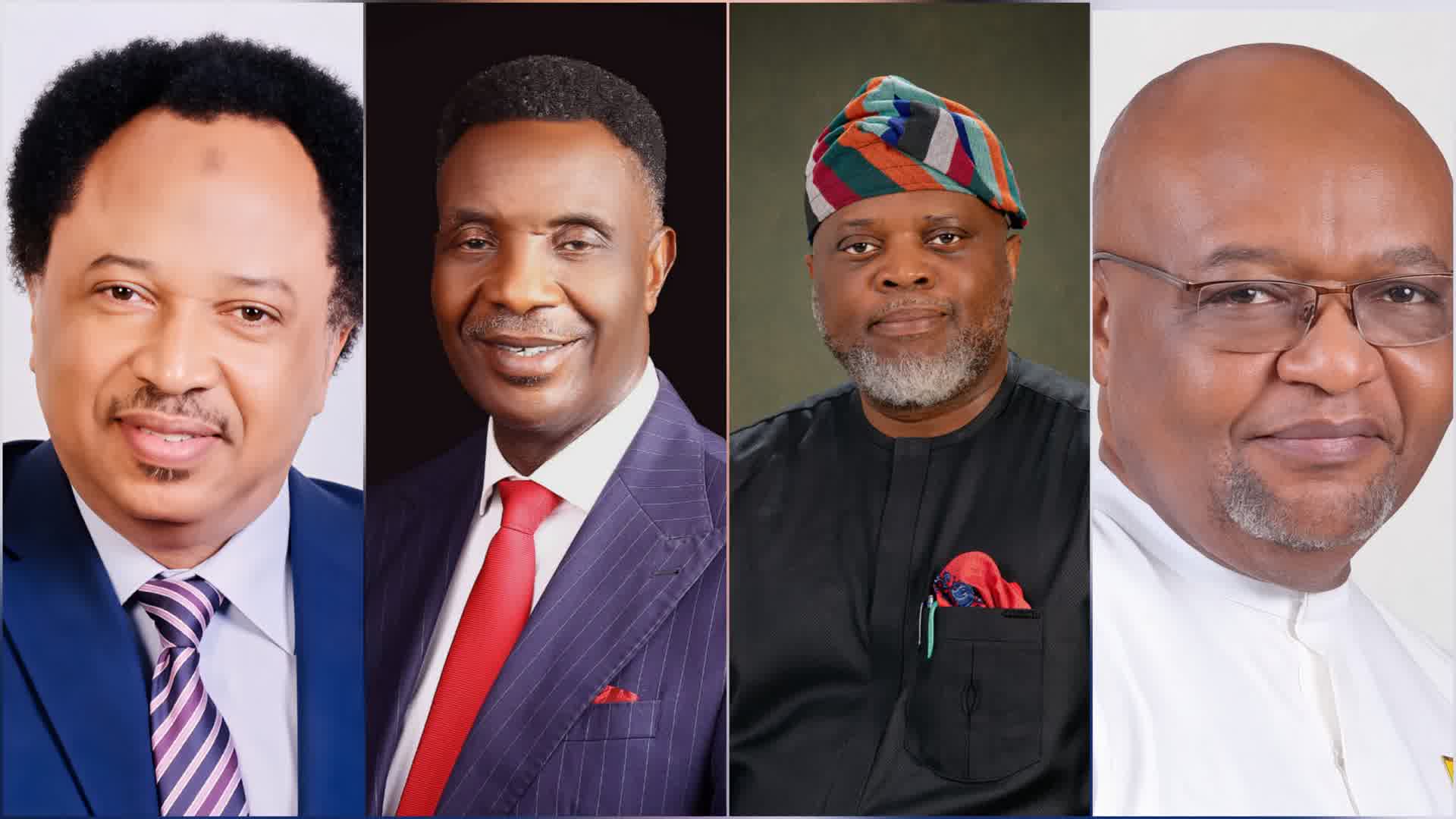
    Former Senator representing Kaduna Central, Senator Shehu Sani; the Deputy National Chairman (South) of the All Progressives Congress (APC), Dr. Ben Nwoye; the Executive Director of Development Specs Academy, Prof. Okey Ikechukwu, mni; and Special Adviser to Nigeria’s President on Economic Affairs, Dr. Tope Fasua, have been unveiled as panelists for the 6th edition of the Frontier Discourse Annual Public Lecture Series and Awards holding in Abuja.

    The lecture which has as its theme – “Barrel to Ballot: The Naturalisation of Violence, Nigeria’s Polity and its Democratic Circus” is promising to be a personality studded lecture and awards.

    Organized by Pacesetter Frontier Magazine, a privately owned, dual-bureau print and digital publication established in 2020, Frontier Discourse, an annual colloquim launched in 2021, was conceived as a platform to bridge the gap between Africa’s leaders and citizens. It facilitates dialogue, policy reviews, and the exchange of development ideas, while recognizing individuals who have made significant contributions to Africa’s growth.

    The initiative has gained credibility as a platform for constructive engagement, fostering informed discussions on national and continental issues.

    Delegates include captains of industry, spiritual leaders, traditional rulers, the political class, youth bodies, civil and non-governmental organizations, professional bodies, the formal sector, high school students, college undergraduates, and recipients of our honors.

    Additionally, Frontier Discourse features history sessions, comedy, poetry, and exhibitions.

    A member of the media organization’s hosting committee, Frank Ufondu, noted that the diversity in the panel offers what will be a rich blend of contributions.

    “Our choices of discussants were carefully curated. We want to have a healthy mix of different contributions during the session so that delegates can leave the event with a wholesome perspective of the issues confronting us as a nation ahead of the 2027 general elections”.

    The event will hold at the Nigerian National Merit Award House (Merit House), Maitama, Abuja.

    The red carpet begins at 10:00am, while the main event starts at 11:00am.

    The organisers said attendance and registration are free. Interested participants can register to reserve a seat using: https://forms.gle/C6Rtpjv5gQUBm31T9

    For sponsorship, partnership or enquiries, organisers provided 09137940957 for calls and WhatsApp messages.

    The event partners are One Stewart Ventures Limited, Frontline Africa, Igwesi Human Development Centre, Steve Oruruo Foundation, ROWE Oil, and Royal Entourage Consult.

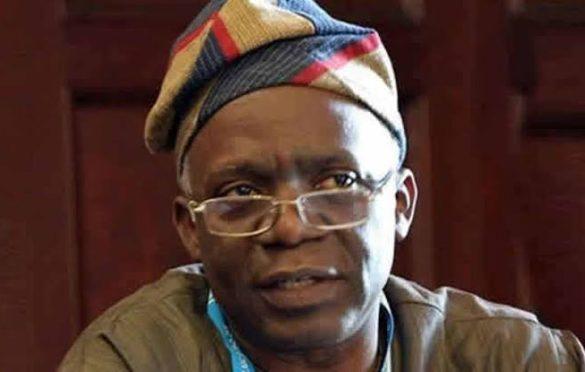
  • Falana Demands Accountability Over ₦15tn Coastal Highway, Warns Against Voter Intimidation

    Falana Demands Accountability Over ₦15tn Coastal Highway, Warns Against Voter Intimidation

    Precious Nwonu, Enugu

    Human rights lawyer Femi Falana has called on Nigerians to demand explanations from the Federal Government over the estimated ₦15tn cost of the Lagos-Calabar Coastal Highway, raising concerns about reported changes to the project’s route.

    Falana also urged political parties and candidates in Lagos State to work together to prevent electoral violence and voter suppression ahead of the 2027 general elections.

    He made the remarks at a public event in a video shared by News Central TV on Monday.

    Questioning the reported route changes, the lawyer argued that the project, initially planned as a coastal highway, appeared to be extending inland in some sections.

    “The road, coastal road has now become land road, I’m sure you are aware,” Falana said.

    He questioned the rationale behind the reported realignment and called on the government to explain how the funds allocated to the project would be spent.

    “What I’m saying is that, after Ogun State, they now said they are going from Edo to go by land, because they can’t fund it. Again, we must now ask questions: What are the 15 trillion naira earmarked for that road?” he asked.

    Falana said public scrutiny was necessary to ensure that government officials accounted for the use of public funds.

    The Lagos-Calabar Coastal Highway is a major infrastructure project of the President Bola Tinubu administration, designed to link Lagos with Calabar, Cross River State, along Nigeria’s southern corridor. Its estimated cost, funding and route have generated public debate.

    Beyond the highway project, Falana expressed concern about the possibility of violence and intimidation during the 2027 elections, particularly in Lagos State.

    He urged candidates across political parties to establish a common platform to protect voters and ensure eligible citizens could exercise their constitutional rights.

    “Let me now warn the candidates: Going by what happened during the last election, violence will be introduced. Many people will not be allowed to vote, unless you guys are ready to form, regardless of your political parties, to form a group that will defend the vote of everybody in Lagos,” he said.

    The lawyer warned against using ethnicity or perceived place of origin to deny people the opportunity to vote.

    “We didn’t fight for this rickety democracy, that somebody will look at your face: ‘Oh, you should not vote in this country,’” he said.

    Falana alleged that politicians unable to win elections could resort to thuggery and violence, urging candidates to defend the voting rights of all eligible residents regardless of their ethnic background.

    “And I want to beg you, if you are ready to defend the vote of everybody, and it’s very important, because those who cannot win elections, resort to violence, thuggery, where you come from, that you don’t look like a Yoruba man, therefore you must not vote. In Lagos, in Nigeria, that must not be allowed,” he added.

  • US Threatens to Restrict Military Aid to Nigeria Over Child Soldier Allegations

    The United States of America has placed Nigeria on its Child Soldiers Prevention Act blacklist, saying the designation could lead to cuts in military training, weapons sales, foreign military financing, and defence cooperation from October 1, 2026, unless President Donald Trump issues a waiver.

    This came after the State Department’s 2026 Trafficking in Persons Report cited the continued recruitment and use of children by Boko Haram and ISIS-West Africa on Nigerian soil.

    The report, published on October 11 and obtained by The PUNCH on Monday, covers April 1, 2025 to March 31, 2026 and is the latest available assessment of Nigeria’s anti-trafficking performance by the US State Department.

    It placed Nigeria on a list of 14 nations, including Russia, Iran, South Sudan, and Somalia, that are accused of recruiting or using child soldiers.

    The report also revealed that the country’s anti-trafficking performance failed to meet minimum standards for the 15th consecutive year.

    “Governments identified on the list are subject to restrictions, in the following fiscal year, on certain security assistance and commercial licensing of military equipment.

    “The CSPA prohibits assistance to governments that are identified in the list under the following authorities: International Military Education and Training, Foreign Military Financing, Excess Defence Articles, and Peacekeeping Operations, with exceptions for some programs undertaken pursuant to the Peacekeeping Operations authority.

    “The CSPA also prohibits the issuance of licenses for direct commercial sales of military equipment to such governments. Beginning October 1, 2026, and effective throughout Fiscal Year 2026, these restrictions will apply to the listed countries, absent a presidential waiver, applicable exception, or reinstatement of assistance pursuant to the terms of the CSPA,” the report read.

    It said the determination to include a government in the CSPA list is “informed by a range of sources, including first-hand observation by U.S. government personnel and research and credible reporting from various UN entities, international organisations, local and international NGOs, and international and domestic media outlets.”

    The blacklisting comes amid an ongoing US-Nigeria security partnership after the Trump administration deployed Navy SEAL Team 6 alongside Nigerian forces for joint counterterrorism operations in the northeast and formalised the bilateral 2026 Defence Cooperation Roadmap.

    According to the report, not a single government official was prosecuted for state complicity in trafficking despite acknowledged corruption, even as the number of trafficking victims who received government assistance collapsed from 2,058 the previous year to just 675.

    The CSPA listing, if not waived by a sitting US president, could restrict International Military Education and Training, Foreign Military Financing, Excess Defence Articles, peacekeeping assistance, and licences for direct commercial sales of military equipment to Nigeria, the document said.

    It stated, “The government did not report any investigations, prosecutions, or convictions of government employees allegedly complicit in trafficking crimes or provide details or other actions taken against complicit officials from previous years,” adding that “corruption and official complicity in trafficking crimes remained significant concerns.”

    The report further noted that “observers reported some law enforcement, military, and other government officials reportedly committed trafficking crimes, accepted bribes to facilitate trafficking, or obstructed justice by interfering with investigations.”

    On law enforcement, it said Nigerian authorities investigated 1,341 trafficking cases, comprising 589 sex trafficking cases, 301 forced labour cases, and 451 unspecified cases, involving 1,367 suspects. Of those, 94 were prosecuted and 97 traffickers convicted.

    The US acknowledged that “the majority of those convicted received prison sentences of at least one year” and that “officials increased collaboration with foreign governments on international trafficking investigations,” resulting in operations across West Africa and Southeast Asia in partnership with INTERPOL.

    It said although 2,004 people were identified as trafficking victims, comprising 893 sex trafficking and 1,111 forced labour, only 675 received government-supported assistance during the year, against 2,058 the prior period.

    The report criticised shelter conditions at the National Agency for the Prohibition of Trafficking in Persons, noting that NAPTIP’s closed-shelter policy meant “residents were not allowed freedom of movement, including children’s access to school,” and that “access to some protection services was tied to victims’ willingness to cooperate with law enforcement proceedings.”

    It noted that adult victims who declined shelter were not provided alternative services, and that “only one dedicated NGO shelter was available for adult male trafficking survivors.”

    On the Child Soldiers Prevention Act listing, the report identified Boko Haram and ISIS-West Africa as the entities responsible for child recruitment.

    “Boko Haram and ISIS-West Africa continue recruiting, abducting, and using—including through force, fraud, and coercion—child soldiers as young as 12 years old as cooks, domestic workers, spies, porters, messengers, bodyguards or guards at checkpoints, “morality police,” armed combatants, and suicide bombers in attacks in Nigeria, Cameroon, Chad, and Niger; these children are subjected to physical and sexual abuse and forced drug use.

    “These non-state armed groups continue to abduct women and girls in the northern regions of Nigeria, many of whom they exploit in forced labour, including in domestic servitude, and in sexual slavery. Boko Haram has kidnapped and subjected thousands of women and girls to forced marriage, including for sexual slavery and forced labour; Boko Haram punishes girls, including for refusing to marry, by forcing them to be suicide bombers.

    “In many cases, the government coerces victims of forced marriage, including trafficking victims, to return to their Boko Haram husbands in Borno State demobilisation centres. Criminal gangs in the south recruit and use children in forced criminality, including kidnappings and robberies, and exploit them in sex trafficking. Criminal gangs in the northwest also exploit victims in forced labour in agriculture and mining,” the report stated.

    It said the CSPA listing, under US law, could restrict International Military Education and Training, Foreign Military Financing, Excess Defence Articles, peacekeeping assistance, and licences for direct commercial sales of military equipment, restrictions effective from October 1, subject to a presidential waiver.

    On labour trafficking, the report said the government “did not prohibit worker-paid recruitment fees…did not report holding labour recruiters liable civilly and criminally for fraudulent recruitment,” and “did not provide specialised training on child labour and human trafficking to labour inspectors.”

    It added that “the government did not provide anti-trafficking training to its diplomatic personnel.”

    The report also cited international criminal networks using Nigeria as an arena, saying “highly organised foreign criminal syndicates fraudulently recruit foreigners to Nigeria with promises of employment, confine them in leased properties and compel them to participate in organised online scams.”

    The TIP report also alleged that “Russian authorities fraudulently recruit and use Nigerians to fight in the Russia-Ukraine war” and that Nigeria’s Ministry of Education “helped promote” Russia’s Alabuga Start programme “despite warning signs.”

    It raised concern that “North Korean nationals working in Nigeria may be operating under exploitative conditions displaying indicators of forced labour.”

    On baby factories, which are criminal enterprises disguised as orphanages, maternity homes, or religious centres where women are held against their will, raped, and forced to deliver children who are subsequently sold, the report described the operations as a documented feature of Nigeria’s trafficking landscape, concentrated predominantly in the south.

    Despite the concerns, the US government acknowledged Nigeria’s increased allocations, including victim service funding, which rose from N128m to N233m, while prevention spending jumped from N58.8m to N245m.

    It also noted that the government coordinated the repatriation of 428 Nigerians exploited abroad, secured restitution for 14 victims as part of criminal sentences, and maintained anti-trafficking task forces in 23 states.

    Nigeria, a source, transit, and destination country for trafficking, last attained the top Tier 1 ranking in 2011.

    Its status has fluctuated between Tier 1, Tier 2, and the lower Tier 2 Watch List over the annual report’s 25-year history.

    Countries in the 2026 CSPA listing include Afghanistan, Myanmar, the Democratic Republic of Congo, Ethiopia, Iran, Russia, Somalia, South Sudan, Sudan, Venezuela, Yemen, and two others in a group the US considers the most consequential offenders in child soldier recruitment globally.

    When contacted for comments, NAPTIP’s Head of Press and Public Relations, Vincent Adekoye, said the agency would make its response to the report public.

    Special Adviser to the President on Information and Strategy, Bayo Onanuga, did not respond to calls to his mobile line and a text message seeking the Presidency’s comments. Punch

  • Senator Kalu Insists SEDC Must Operate From South-East

    The Chairman of the Senate Committee on the South-East Development Commission, Senator Orji Uzor Kalu, has urged the management of the commission to relocate its operations to the South-East, insisting that it must be based in the region it was established to serve.

    Kalu gave the warning on Monday during an oversight visit to projects being executed by the South-East Development Commission in Enugu State.

    The senator, who represents Abia North Senatorial District, said the commission must ensure that its activities and interventions reached communities across the five South-East states rather than operating from Abuja.

    He, however, expressed satisfaction with the progress made on the commission’s headquarters in Enugu, commending the management for improvements recorded since the committee’s previous engagements.

    So This Happened (EP 433) reviews: Passenger dies on Kenya Airways flight to Lagos

    Kalu said the committee had inspected two facilities during the visit: the commission’s current office and another building provided by the Enugu State Government, which is being completed for its use.

    He said the development had addressed some of the committee’s earlier concerns about the commission’s decision to operate from Abuja rather than the South-East.

    “We were quarrelling about our office being in Abuja. Today, we have seen two offices, one where they are staying and the one they are completing, which the government of Enugu State gave them.

    “So, we are very impressed. Once they are back home to do what they are sent to do, nobody has problems with them,” Kalu said.

    He urged the management to sustain the progress recorded ahead of another oversight visit scheduled for December.

    “Well, so far, we are making very good progress, unlike when we started. I’m sure you, both me and my colleagues, are seeing very serious progress. I hope that the Commission, especially the management team, sustains this progress.

    “We will be here in December to see the progress so far. We are happy now that something is going on. We also want them to go to the grassroots to show the South Eastern people that they are on the ground,” he said.

    The lawmaker reiterated that the commission must operate from the region, warning against using Abuja as its operational base at the expense of the communities it was established to serve.

    “The only problem that I said before, and I repeat, is that they cannot operate from Abuja. They must operate from where they are set up. This is where they are located.

    “Our quarrel before was about being in Abuja and not being in Enugu. So that quarrel is over now,” he added.

    The South-East Development Commission was established to promote development and address infrastructure and other developmental challenges across the region.

    Kalu urged the commission to ensure that its projects and interventions extended beyond its headquarters to communities across the five states, stressing that residents needed to see tangible results at the grassroots.

    Although he acknowledged that the commission was relatively new, he said its management must sustain the progress recorded and demonstrate its commitment to its mandate. Punch

  • FG’s Charges Against Fake PFIPC Director General Struck Out By Court

    The Federal High Court in Abuja on Monday struck out the eight-count criminal charge filed by the Federal Government against the alleged fake Director-General of the Presidential Foreign Intervention Promotion Council, Adeniyi Adeyemi.

    Justice Mohammed Garba Umar struck out the charge following an application by the Federal Government, which said Adeyemi would be transferred to the High Court of the Federal Capital Territory for fresh arraignment.

    At Monday’s proceedings, the Director of Public Prosecutions of the Federation, Rotimi Oyedepo, SAN, moved the application seeking the termination of the case.

    Oyedepo told the court that the Attorney-General of the Federation and Minister of Justice had reviewed Adeyemi’s case file and the charge initially filed by the Inspector-General of Police, identifying some loopholes.

    He said the documents allegedly forged by Adeyemi while operating the purported agency constituted offences that could be prosecuted by the FCT High Court rather than the Federal High Court.

    The DPPF added that a fresh charge had been filed before the FCT High Court and that Adeyemi would be arraigned afresh without delay.

    He urged the judge to strike out the charge in accordance with the law.

    Counsel for Adeyemi, Ibrahim Angulu, SAN, did not oppose the application, following which Justice Umar struck out the charge.

    Adeyemi, 38, was being tried in a case marked FHC/ABJ/CR/25/2025 alongside two other defendants, whose whereabouts were unknown, on charges bordering on conspiracy and forgery.

    The two defendants said to be at large were identified as Femi, whose surname was unknown, and Anu, who was also identified without a surname. Punch

  • Court Dismisses Euracare’s Bid To Stop Inquest Into Adichie’s Son’s Death

    Court Dismisses Euracare’s Bid To Stop Inquest Into Adichie’s Son’s Death

    Precious Nwonu, Enugu

    The Lagos State High Court sitting in Osborne Foreshore, Ikoyi, has struck out an application by Eurapharma Care Services Nigeria Limited, operators of Euracare Multi-Specialist Hospital, seeking to halt the coroner’s inquest into the death of Nkanu Esege, son of Nigerian author Chimamanda Ngozi Adichie.

    Justice Aishat Opesanwo struck out the application on Monday after rejecting the hospital’s arguments that the cremation of the deceased’s body deprived the coroner of jurisdiction and that the procedure for receiving evidence breached its right to a fair hearing.

    The judge held that the inquest was a statutory requirement and that the absence of the body did not automatically prevent the coroner from investigating the circumstances surrounding the death.

    Nkanu died on January 7, 2026, following medical procedures, prompting an inquiry into the circumstances of his death.

    In its application, Euracare argued that the cremation of the body meant a post-mortem examination could no longer be conducted. The hospital also challenged the coroner’s decision to receive statements and evidence from medical personnel and other individuals connected to the facilities where the deceased received treatment.

    However, Justice Opesanwo held that the hospital had failed to establish that the conditions required to empower the coroner to conduct the inquest under Section 15 of the Coroners System Law of Lagos State 2007 were absent.

    The judge explained that the law required an inquest to be conducted where a death fell within any of the specified circumstances and occurred within the relevant coroner’s district.

    “The provision gives no room for exercise of discretion in the decision to conduct an inquest once a death results from any one of the nine situations specified, and that it occurs within the area designated as the coroner’s district,” she said.

    According to the judge, the hospital’s argument focused on the location of the deceased’s body rather than the circumstances that originally gave the coroner jurisdiction to conduct the inquiry.

    She noted that the law did not require the body to remain within the coroner’s district on the date the inquest was held.

    Justice Opesanwo also rejected the hospital’s contention that cremation would make the proceedings speculative and undermine the reliability of the findings.

    “I am not persuaded by the submission made by the applicant’s counsel that the cremation of the body means the inquest and its conclusion will be predicated on speculation and conjecture,” she said.

    The judge further observed that the inquest had not formally commenced, describing the hospital’s concerns about its eventual outcome as premature.

    “What is obvious is that the applicant is concerned with future occurrences, which is the outcome of the inquest,” she added.

    Explaining the purpose of the proceedings, Justice Opesanwo said a coroner’s inquest was a fact-finding exercise aimed at establishing the identity of the deceased, as well as when, where and how the death occurred.

    “It is not a trial; no one is on trial in a coroner’s court,” she said, stressing that the process was inquisitorial rather than adversarial.

    She added that the inquest was not intended to assign blame or punish any party but to establish the facts surrounding the death.

    On the hospital’s objection to the order in which evidence would be received, the judge held that the coroner had the discretion to determine the sequence of statements and evidence presented during the proceedings.

    She said disagreement with the order adopted by the coroner did not, by itself, amount to a breach of fair hearing or invalidate the exercise of that discretion.

    The judge also noted that the evidentiary and procedural rules governing ordinary civil proceedings did not apply in precisely the same way to a coroner’s inquest.

    Justice Opesanwo concluded that the hospital’s application rested on a misunderstanding of the nature and purpose of the inquiry. She upheld the preliminary objections raised by the respondents and struck out the substantive application.

  • CJN Swears In 68 New Senior Advocates Of Nigeria

    Chief Justice of Nigeria, Justice Kudirat Kekere-Ekun, has sworn in 68 legal practitioners as Senior Advocates of Nigeria at the 2026/2027 Legal Year ceremony.

    The Nigerian Television Authority announced the development in a news flash on its official X handle on Monday, sharing images and a video from the ceremony.

    The swearing-in follows the approval of the 68 nominees by the Legal Practitioners’ Privileges Committee about three months ago.

    The committee approved their elevation during its 174th plenary session, chaired by Kekere-Ekun.

    According to a statement issued by the Chief Registrar of the Supreme Court of Nigeria and Secretary of the LPPC, Kabir Eniola, the new SANs comprise 67 advocates and one academic, Professor Nnamdi Onyeka Obiaraeri, Tribune also reports

    Obiaraeri was recognised for his “contributions to legal scholarship, making him the only academic among the 68 recipients.”

    The rank of Senior Advocate of Nigeria is one of the highest professional distinctions in the country’s legal sector.

    It is conferred on legal practitioners who meet the required standards of professional achievement in advocacy or legal scholarship.

    Before the conferment, the LPPC “stipulated that successful applicants must participate in and complete a mandatory induction programme, with the date to be announced later.”

    The committee also reminded the newly elevated SANs to comply with paragraph 25(1) of the Legal Practitioners’ Privileges Guidelines and Rule 39(3) of the Rules of Professional Conduct, 2023.

    It warned against “publishing or encouraging advertisements, congratulatory messages or goodwill notices concerning their nomination or conferment, adding that violations could attract sanctions.”

    A cross section of the new SANs taking their oath | NTA video

    Tosin Oyediran is a journalist with Punch Newspapers, bringing over eight years of newsroom experience to his coverage of politics, health, advocacy, sports, and entertainment. Known for sharp interviews and human-centered reporting, his work focuses on public accountability, civic issues, and the stories shaping everyday lives. Punch

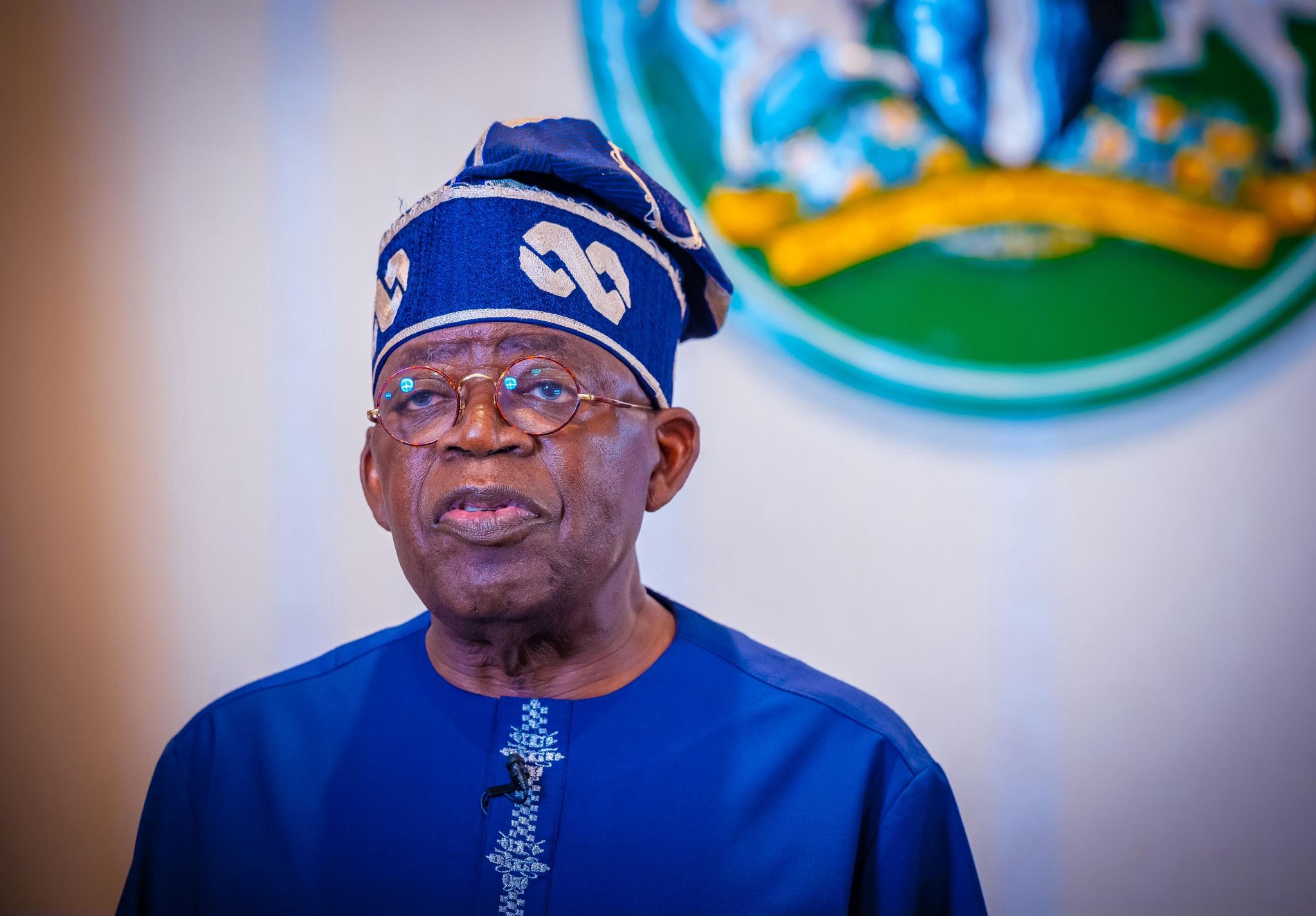
  • Tinubu Says World Bank Report Validates Economic Reform

    Tinubu Says World Bank Report Validates Economic Reform

    Precious Nwonu, Enugu

    President Bola Tinubu has described the World Bank’s latest assessment of Nigeria’s economy as evidence that his administration’s economic reforms are yielding results, citing improvements in economic growth, government revenue and external reserves.

    Tinubu’s position was contained in a statement issued on Sunday by his Special Adviser on Information and Strategy, Bayo Onanuga, following the release of the World Bank’s October 2026 Nigeria Development Update, titled Beyond the Federal Purse: How Higher Revenues Reshaped State Priorities.

    The President said the report indicated that the country’s economy was becoming more stable and better positioned for sustained growth, while noting that poverty had stabilised for the first time since 2019.

    According to the statement, the World Bank reported that Nigeria’s economy grew by 4.2 per cent in the first half of 2026, compared with 3.9 per cent during the corresponding period in 2025.

    The bank projected that economic growth would average at least 4.4 per cent between 2026 and 2028, while poverty was expected to decline gradually as economic growth outpaced population growth.

    On inflation, Tinubu said the report showed that the rate fell from 27.6 per cent in January 2025 to 15.2 per cent in December of the same year.

    However, the statement noted that higher global fuel prices linked to the conflict in the Middle East had slowed the decline in inflation. The World Bank expects inflation to ease to about 12 per cent by 2028.

    The President also highlighted improvements in Nigeria’s external position, saying the country’s current account surplus rose to $12bn, representing seven per cent of gross domestic product, in the first half of 2026.

    This compared with $8.6bn recorded in the corresponding period of 2025.

    According to the statement, gross external reserves increased from $45.5bn at the end of 2025 to $53.8bn at the end of August 2026.

    Tinubu further said the World Bank attributed a 69 per cent real-term increase in federation revenue between 2023 and 2025 to reforms introduced by his administration, with state governments emerging as the largest beneficiaries.

    He said states used the additional revenue to increase capital expenditure by 151 per cent in real terms over the same period.

    The statement identified roads and other transport infrastructure, agriculture, energy and housing as major areas that benefited from the increased spending.

    It added that 29 of 33 states shifted more of their spending towards economic infrastructure, while real social spending per person increased in all but one state.

    The President also cited the report’s findings that internally generated revenue rose in real terms in 31 of 35 states, while 21 states reduced their debt-to-GDP ratios between 2021 and 2025.

    Nigeria’s overall public debt was projected to decline from 40 per cent of GDP in 2025 to 38.1 per cent in 2026, according to the statement.

    Tinubu said the findings reinforced his administration’s position that the removal of petrol subsidy, unification of the foreign exchange market and efforts to strengthen fiscal discipline had increased government revenue and created more resources for public investment.

    “The dividends of reform are becoming visible. But more work remains to ensure they fully translate into better living standards for every household, starting with lower food prices and decent jobs for our young people,” he said.

    He added that the government would continue implementing its Renewed Hope Agenda, with a stronger focus on inclusive growth and improved living conditions.

    Tinubu said the administration would expand targeted cash transfers, which he stated had reached more than 10 million households, accelerate the deployment of compressed natural gas, improve agricultural productivity and widen access to affordable healthcare and quality education.

    He also urged state governments to manage their increased revenues prudently and prioritise projects that would improve living standards, healthcare and education.

    The President commended the Economic Management Team, led by the Minister of Finance and Coordinating Minister of the Economy, alongside state governors and other stakeholders, for their role in implementing the reforms.

    He said the government remained committed to accelerating the delivery of shared prosperity under the Renewed Hope Agenda 2.0.

  • FG Approves Increase In NYSC Corps Members’ Feeding Budget

    FG Approves Increase In NYSC Corps Members’ Feeding Budget

    Precious Nwonu, Enugu

    The Federal Government has approved an increase in the feeding allocation for members of the National Youth Service Corps during their orientation course, with implementation expected to begin in 2027.

    The Director-General of the NYSC, Brigadier General Olakunle Nafiu, disclosed this while interacting with members of the 2026 Batch C Stream One at the Cross River State Orientation Camp in Obubra.

    Nafiu said the Budget Office had been notified of the upward review, adding that the new allocation was expected to take effect next year.

    He also urged corps members to manage their finances responsibly, avoid unnecessary spending and develop a habit of saving.

    The NYSC chief commended Nigerian youths for their resilience and commitment to the national service programme.

    On safety, Nafiu advised corps members to avoid travelling after 6pm, recommending that those who cannot complete their journeys before then should find a safe place to stay overnight and continue the following day.

    He warned them against sleeping in public places or gathering at filling stations, noting that such practices could expose them to security risks.

    The director-general advised corps members facing security concerns while travelling to seek assistance at military installations, police stations or Department of State Services offices and contact the NYSC hotline.

    Nafiu also pledged to intensify engagement with relevant stakeholders to improve infrastructure at the Obubra Orientation Camp.

    He encouraged corps members to acquire practical skills that could improve their employment prospects and provide opportunities for self-employment after completing their service.

    He specifically mentioned cosmetology, traditional hairstyling and other vocational skills as areas they could explore.

    Earlier, the NYSC Cross River State Coordinator, Mrs Adejoke Oyenuga, described the director-general’s visit as evidence of the scheme’s commitment to the welfare of corps members.

    Oyenuga disclosed that 1,064 corps members had registered at the camp, adding that they had adapted successfully to the structured orientation programme.

  • Enugu Governor’s Aide, Lucky Chukwu, Dies

    Enugu Governor’s Aide, Lucky Chukwu, Dies

    Precious Nwonu, Enugu

    Hon. Chief Barrister Lucky Chukwu, Senior Special Assistant on Public Affairs to Enugu State Governor Peter Mbah, has died.

    His death was announced in October 2026 by the office of his younger brother, Senator Kelvin Chukwu, who represents Enugu East Senatorial District.

    Lucky Chukwu was an elder brother of the late Labour Party senatorial candidate, Oyibo Chukwu, and Senator Kelvin Chukwu, a former member of the Enugu State House of Assembly.

    He was appointed Senior Special Assistant on Public Affairs to Governor Mbah in August 2026, having previously been involved in political activities in the state.

    Following his elder brother’s death, Senator Kelvin Chukwu suspended his political activities and engagements for one week to mourn the loss.

    The senator’s office announced the temporary suspension in a statement issued on October 11, 2026.

    The death is another loss for the Chukwu family, which had earlier lost Oyibo Chukwu, who was the Labour Party’s candidate for the Enugu East Senatorial District in the 2023 general election before he was assassinated during the campaign.

    Following Oyibo Chukwu’s death, Kelvin Chukwu emerged as the Labour Party’s replacement candidate and went on to win the senatorial election.