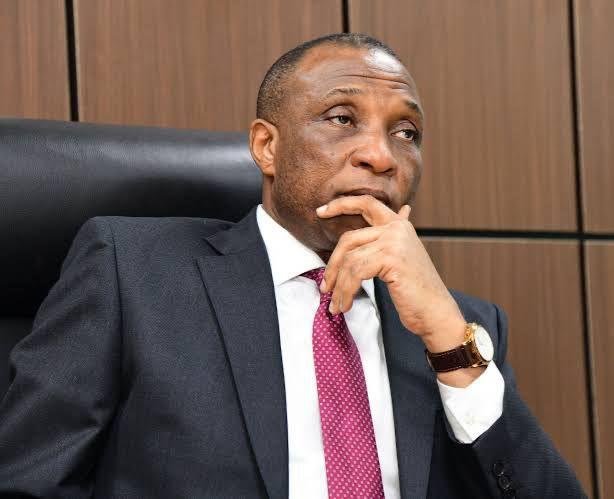
The Federal Competition and Consumer Protection Commission (FCCPC) has commenced an investigation into Uber’s abrupt exit from Nigeria, as commuters and transport workers raise concerns over fewer choices, possible higher fares and the fate of drivers following the ride-hailing giant’s withdrawal after 12 years.
Chief Executive Officer of FCCPC, Mr. Tunji Bello, said the commission was examining the manner of the company’s departure, particularly its outstanding obligations to Nigerian consumers.
Officials, he said, were “looking into the manner of their exit, particularly in respect of unfulfilled services to the customers.”
The regulatory intervention comes amid growing public reaction to Uber’s September 2 shutdown, with some commuters fearing that removing a major competitor from the market could put pressure on other ride-hailing platforms and ultimately affect fares and service.
Uber, which entered Nigeria in 2014, said it took the “difficult decision” to wind down operations after reviewing its business priorities and investment focus. The company did not give detailed reasons for leaving, although Nigeria’s ride-hailing industry has been grappling with rising fuel costs, inflation, currency volatility and intense competition. Uber said its help centre would remain available until September 23 to address outstanding account-related issues.
“After a thorough review, we have taken the difficult decision to wind down operations in Nigeria and Uganda, effective September 2, 2026,” the company said.
“This decision is limited strictly to these two markets and does not impact our operations across the rest of the continent.”
For some Nigerians, however, the concern goes beyond why Uber left to what its departure could mean for their daily movement.
Lagos resident and banker, Edith Nwafor, said losing one of the major platforms could reduce commuters’ bargaining power at a time when household incomes are already under pressure.
“There is the need for healthy competition among taxis. Having different options allows us, as customers, to compare prices and decide which service works best for us,” she said.
Nwafor recalled occasions when Uber offered her a cheaper fare than competing platforms.
“That is why, for me, Uber leaving this country is not good news for commuters. Competition is important, especially with the current economic situation,” she said.
Businesswoman Funke Ajijala shared the concern, arguing that Uber had carved out a distinctive place in Nigeria’s transport system. “Though we have other e-hailing transport companies, the place of Uber has been different.”
She feared its departure would create a vacuum that rivals might not immediately fill.
Another Lagos resident, journalist Florence Okonkwo, said commuters who previously relied on Uber would now migrate to other platforms, potentially increasing pressure on their available drivers.
She was particularly concerned about drivers whose livelihoods depended heavily on the platform.
“Although Uber has announced financial support for affected drivers, the assistance might not provide sustainable livelihoods for them,” Okonkwo said.
“If there is a way to accommodate them back into the transport system, it will be a good thing.”
Journalist Ola Akanni argued that Nigeria’s e-hailing market has grown beyond any single company and that affected drivers could simply switch platforms.
“We have InDrive, LagRide and other e-hailing operators; so, I do not think Uber’s exit will put anybody out of job,” he said.
That view has also featured prominently in online reactions, where some Nigerians see the departure as an opportunity for indigenous technology companies to fill the gap. Former senator Shehu Sani, for instance, described the exit as an opportunity for local startups and even traditional taxi unions to develop home-grown alternatives.
But the Amalgamated Union of App-Based Transporters of Nigeria (AUATON) has taken a much harder position, condemning the manner of Uber’s withdrawal as “unprofessional.”
Its national spokesperson, Jossy Adaraniwon, alleged that drivers were given inadequate notice or opportunity for consultation despite helping to build the platform’s Nigerian business over the years.
The union argued that thousands of drivers deserved a proper transition arrangement rather than an abrupt shutdown.
AUATON also warned surviving operators, particularly Bolt and inDrive, against what it described as exploitative practices that could worsen conditions for drivers.
According to the union, poor working conditions in the industry have already contributed to lower earnings, fewer active drivers and longer waiting times for passengers.
Uber’s withdrawal has meanwhile triggered a scramble among competitors for its former drivers and passengers. Bolt and inDrive have signalled plans to strengthen their Nigerian operations, with inDrive describing the country as a key African market where its active user base has continued to grow year-on-year.
The company said it remained committed to investing in service quality, safety, technology and local communities.
Industry analysts say Uber’s departure comes from an increasingly competitive market in which rising fuel prices and other operating costs have squeezed both drivers and platforms.
The company’s exit is particularly significant because Uber helped popularise app-based transportation after launching in Lagos in 2014 and subsequently expanding to other Nigerian cities.
Its operations were, however, repeatedly dogged by disputes with drivers over commissions, fares and working conditions.
Now, with Uber gone, commuters like Nwafor fear one of the immediate casualties could be the competitive tension that allowed passengers to move between apps in search of cheaper rides while others, like Akanni, believe the market will quickly adjust.
For the FCCPC, however, the more immediate question is whether Uber met its obligations to consumers before switching off its Nigerian operations.
The commission’s investigation is expected to establish what unfulfilled services or outstanding consumer obligations remain and how they should be resolved.
For millions of Nigerians navigating already expensive urban transportation, the longer-term question is different: will Uber’s exit simply redistribute riders and drivers among competitors—or ultimately leave commuters paying more for fewer choices? The Sun
