Category: News

This is an optional category description

  • NHIA, Senate Seek Stronger Health Taxes To Fund Healthcare, Curb Diseases

    NHIA, Senate Seek Stronger Health Taxes To Fund Healthcare, Curb Diseases

    Precious Nwonu, Enugu

    The National Health Insurance Authority and the Senate have called for stronger health tax policies as part of efforts to generate sustainable domestic funding for healthcare and reduce the rising burden of non-communicable diseases in Nigeria.

    The call was made at a national stakeholder co-creation workshop on health taxes and sustainable health financing held in Abuja.

    Speaking at the event, the Director-General of the NHIA, Dr Kelechi Ohiri, said successful health tax reform would require coordinated action by government agencies, lawmakers, the private sector, civil society organisations, the media and other stakeholders.

    Ohiri said Nigeria was facing the dual challenge of infectious diseases and maternal health concerns while also dealing with an increasing prevalence of non-communicable diseases linked to the consumption of products such as tobacco, alcohol and sugar-sweetened beverages.

    He said health taxes could help address both challenges by discouraging the consumption of harmful products while generating additional domestic resources for healthcare.

    “Health-tax reform is not the mandate of any single sector or ministry. It has to involve the leadership of the Ministry of Finance, Budget and Planning, the private sector, civil society, the media and all stakeholders,” Ohiri said.

    He said Nigeria needed predictable domestic funding to strengthen its health system and expand access to essential healthcare services.

    Ohiri disclosed that the Senate had passed a bill seeking to reform the existing tax framework for sugar-sweetened beverages, with the legislation awaiting concurrence by the House of Representatives.

    He said the proposed reforms were intended to strengthen the existing SSB tax framework and channel part of the proceeds towards health promotion, disease prevention and primary healthcare.

    Nigeria currently has an excise tax on sugar-sweetened beverages, introduced in 2021 at N10 per litre. The World Health Organisation identifies taxes on tobacco, alcohol and sugary drinks as measures that can discourage harmful consumption while generating revenue for public services and health interventions.

    The NHIA boss, however, said passing legislation would not be enough, stressing that effective implementation would require appropriate policy, legal, fiscal and administrative arrangements.

    He called for clear mechanisms to ensure transparency in the collection and utilisation of revenue generated through health taxes.

    Ohiri cited the Philippines as an example of a country that had used health taxes to support the expansion of health insurance coverage, saying Nigeria could draw lessons from similar approaches.

    “Healthcare should be accessible, but it is not cheap. We need to build a workable roadmap so that this does not remain theoretical,” he said.

    Health Taxes Beyond Revenue

    Chairman of the Senate Committee on Health, Senator Ipalibo Banigo, said health taxes should not be treated simply as another source of government revenue.

    She described them as public health measures that could help discourage the consumption of products associated with disease while generating funds that could be invested in healthcare.

    Banigo stressed the importance of establishing a transparent system for allocating the revenue, particularly to programmes targeting vulnerable populations.

    She said Nigerians should be able to see how funds generated through health taxes were being used to support health promotion, disease prevention and access to healthcare.

    WHO Seeks Evidence-Based Reform

    The World Health Organisation Country Representative in Nigeria, Dr Pavel Ursu, said scientific evidence alone would not guarantee the adoption or successful implementation of health tax reforms.

    Ursu said policymakers must also understand Nigeria’s political environment, institutional structures and the interests of groups capable of influencing the reform process.

    He called for the involvement of the Ministries of Health and Finance, lawmakers, civil society organisations, the media, non-governmental organisations and other stakeholders in designing and implementing the reforms.

    He also urged researchers to produce evidence that responds to policymakers’ needs and reflects Nigeria’s specific circumstances.

    The Executive Director of the Alliance for Health Policy and Systems Research, Dr Kumanan Rasanathan, said the organisation supports health policy research and reform initiatives in 16 countries.

    Rasanathan expressed hope that the workshop would help stakeholders move beyond developing policies and strategies to implementing practical health tax reforms.

    He said stronger collaboration between researchers, policymakers and other stakeholders would be necessary to ensure that research findings translate into effective policy decisions.

    Stakeholders Seek Public Understanding

    The Chief Executive Officer of the International Society for Media in Public Health and Chair of Nigeria Universal Health Coverage, Chief Moji Makanjuola, said effective public communication would be critical to the success of health tax reforms.

    She said Nigerians needed to understand why the taxes were being introduced, the health problems they were designed to address, how the revenue would be spent and how the use of the funds would be monitored.

    Makanjuola said transparency and public accountability would be important in building confidence in the reforms.

    The WHO says health taxes can reduce the consumption of tobacco, alcohol and sugar-sweetened beverages while mobilising additional revenue that can support health priorities, including universal health coverage.

    The workshop was organised in collaboration with Development Governance International Consult, the Health Strategy and Delivery Foundation, the WHO and other partners.

    Organisers said the meeting was intended to move discussions on health taxes from assessment to joint planning and implementation, while defining responsibilities for stakeholders and developing mechanisms for linking health tax revenue to healthcare financing, disease prevention and expanded health insurance coverage.

    The NHIA has said more than 23 million Nigerians are currently enrolled in the national health insurance system, reflecting ongoing efforts to expand financial protection and access to healthcare.

  • Dangote: We’re Ready For Any Court Battle Over Lamu Refinery

    Dangote: We’re Ready For Any Court Battle Over Lamu Refinery

    Precious Nwonu, Enugu

    President of Dangote Industries Limited, Aliko Dangote, has said he is prepared to defend his investments in court as his group moves ahead with plans to build a 700,000-barrel-per-day refinery in Lamu, Kenya.

    Dangote made the remarks during a fireside chat at the Nairobi Securities Exchange, where he discussed the refinery project, the group’s expansion across Africa and plans to broaden public ownership of some of its businesses.

    His comments came after the Malindi Environment and Land Court ordered parties involved in a land dispute to maintain the existing status quo on the site until a hearing scheduled for October 14.

    The case was filed by 133 residents of Chandavai in Lamu County, who claim the land earmarked for the refinery forms part of their ancestral territory and has been occupied and cultivated by their families for generations.

    Dangote Group said the court order had not stopped the planned groundbreaking ceremony but could restrict activities at the site pending the hearing.

    Dangote, however, expressed confidence that the legal dispute would not derail the project, saying his businesses had faced similar challenges in other African countries.

    He recalled a case in Senegal where one of the group’s factories was shut for a year before the company secured a Supreme Court judgment.

    “Anyone who wants to cause trouble, we are ready for them,” Dangote said, adding that the latest legal challenge was relatively minor compared with previous experiences.

    The Lamu refinery is projected to cost between $15bn and $16bn and is expected to be completed by 2030. Dangote said the project had already moved beyond the planning stage, with construction equipment deployed to the site.

    He described Kenya as an important part of the group’s African expansion strategy and said the company regarded countries across the continent as its home.

    The refinery is expected to create substantial employment opportunities, with Dangote estimating that more than 60,000 people could be engaged during construction.

    He added that the project would also stimulate the growth of small and medium-sized businesses and attract other industries to the area.

    Dangote Eyes Nairobi Listing

    Dangote also disclosed plans to list the Lamu refinery on the Nairobi Securities Exchange rather than the Nigerian Exchange.

    He said the move would support greater integration of African capital markets and allow investors in Kenya and other African countries to participate directly in the project.

    According to him, the proposed structure reflects the group’s broader objective of increasing African participation in the ownership of its businesses.

    Dangote said the group initially planned to raise $2.5bn through a private placement and an initial public offering.

    The private placement was initially targeted at $1bn, while another $1.5bn was planned through the IPO. He said the private placement eventually attracted interest worth $3.7bn.

    The group subsequently created another $1.6bn offering as part of efforts to expand public ownership.

    Dangote said the company was prepared to increase the amount of shares available to investors if demand remained strong.

    He said the group could eventually reduce its ownership of the Dangote Petroleum Refinery to between 20 and 25 per cent if that would allow more Africans to become shareholders.

    “We don’t mind, even if Dangote will end up having twenty or twenty-five per cent, we have nothing to hide,” he said.

    Dangote said increased public ownership would also give shareholders greater influence over the company’s management through annual general meetings.

    He explained that shareholders would have the power to vote on the leadership if they became dissatisfied with the company’s performance.

    The billionaire said the group remained committed to corporate governance and protecting minority shareholders as more of its businesses are opened to public investment.

  • FG Declares Thursday Public Holiday for Nigeria’s 66th Independence Anniversary

    FG Declares Thursday Public Holiday for Nigeria’s 66th Independence Anniversary

    The Federal Government has declared Thursday, October 1, 2026, a public holiday to commemorate Nigeria’s 66th Independence Anniversary.

    The Minister of Interior, Dr. Olubunmi Tunji-Ojo, announced the declaration on behalf of the Federal Government and congratulated Nigerians at home and abroad on the anniversary.

    Tunji-Ojo said Nigeria’s warmth, welcoming spirit, love and abundant human and natural resources continued to make the country a source of pride and hope for Africans.

    The minister said peace and stability were necessary conditions for national development and urged Nigerians to emulate the country’s founding fathers by demonstrating patriotism and working towards building a nation future generations would be proud of.

    “As we celebrate 66 years of our independence, we should always remember that there is hope for our country and our diversity is our strength, and our collective determination remains the foundation upon which a stronger and more prosperous nation will be built,” he said.

    He assured Nigerians that the administration of President Bola Ahmed Tinubu, through its Renewed Hope Agenda, remained committed to building a better Nigeria for all citizens as a befitting tribute to the nation’s heroes past.

    The minister also urged Nigerians to use the Independence anniversary to demonstrate unity, patriotism, peaceful coexistence and mutual respect.

    He assured citizens that the Federal Government remained committed to strengthening national security, improving public safety and creating an environment where Nigerians could live, work and pursue their legitimate aspirations with confidence.

    Tunji-Ojo wished Nigerians a happy 66th Independence Anniversary.

  • Fuel Price: Public Servants Set October 2 For Three-Day Warning Strike

    Fuel Price: Public Servants Set October 2 For Three-Day Warning Strike

    Precious Nwonu, Enugu

    Public servants under the Joint National Public Service Negotiating Council have threatened to begin a three-day warning strike on October 2 if the Federal Government fails to address their concerns over petrol prices, wage awards and negotiations for a new national minimum wage.

    The council, which brings together eight public sector unions, gave the Federal Government until September 30 to respond to its demands.

    Among the demands are a reduction in the pump price of Premium Motor Spirit to ₦500 per litre, approval of a wage award for workers and the immediate constitution of a tripartite committee to negotiate a new national minimum wage ahead of 2027.

    The JNPSNC disclosed its position in a statement issued on Tuesday by its National Secretary and General Secretary of the Nigeria Civil Service Union, Gbenga Olowoyo.

    The council said it had already mobilised workers nationwide for the planned industrial action should the government fail to meet its demands before the deadline.

    The workers had written to President Bola Tinubu on September 21, calling for urgent measures to address the impact of rising fuel costs and worsening economic pressures on public servants and their families.

    The council said petrol prices, which it claimed currently range from ₦1,450 to ₦2,000 per litre and could reach ₦2,500 in some areas outside major cities, had become unsustainable for workers.

    It called on the Federal Government to introduce an intervention fund to address landing costs and support oil and gas operators as part of measures to reduce the price of petrol.

    The unions also urged the government to ensure crude oil is supplied to the Dangote Refinery and modular refinery operators on appropriate terms to encourage domestic refining and help lower the cost of petroleum products.

    According to the council, the high cost of fuel has increased financial pressure on workers, their dependants and other Nigerians, making it difficult for many households to maintain a decent standard of living.

    On the wage award, the unions asked the Federal Government to approve immediate financial relief for public servants to cushion the impact of prevailing economic conditions.

    The council said the intervention would help workers remain productive and strengthen their commitment to public service despite the economic difficulties.

    The unions also demanded the immediate formation of a tripartite committee to begin negotiations for a new national minimum wage expected to take effect in 2027.

    They said starting the process early would prevent administrative or procedural delays that could affect the implementation of the new wage after negotiations are concluded and the necessary legislation is passed.

    The JNPSNC said the Federal Government’s response by September 30 would determine whether the proposed strike would proceed.

    It warned that failure to address the demands by the deadline would leave the unions with no option but to commence the three-day warning strike from October 2.

    The council also urged President Tinubu to address the issues in his Independence Day broadcast, warning that continued inaction could further increase dissatisfaction among workers and other Nigerians affected by the economic situation.

    The JNPSNC comprises the Nigerian Civil Service Union, Medical and Health Workers Union, Association of Senior Civil Servants of Nigeria, National Association of Nigerian Nurses and Midwives, Amalgamated Union of Public Corporations, Civil Service Technical and Recreational Employees, Nigeria Union of Public Service, Reportorial, Secretarial, Data Processors and Allied Workers, National Union of Printing, Publishing and Paper Products Workers, and National Union of Agriculture and Allied Employees.

  • Retiring Supreme Court Justice Warns Politicians Against Sending Cows, Rams To Judges

    Retiring Supreme Court Justice Warns Politicians Against Sending Cows, Rams To Judges

    Precious Nwonu, Enugu

    A retiring Justice of the Supreme Court, Ibrahim Saulawa, has cautioned politicians against sending gifts such as cows, rams and other items to judges, warning that such practices could compromise public confidence in the judiciary.

    Saulawa spoke on Tuesday during a valedictory court session held in his honour following his retirement from the Supreme Court at the mandatory age of 70.

    The jurist said he had previously expressed concern over the practice and urged the Chief Justice of Nigeria, Justice Kudirat Kekere-Ekun, to take steps to discourage politicians and other individuals from offering gifts to judicial officers.

    He questioned the propriety of politicians sending livestock and other presents to Supreme Court justices, describing the practice as demeaning and inappropriate.

    Saulawa, who spent 44 years in the legal profession, also recalled an incident in which an influential individual allegedly attempted to influence the outcome of a case involving him.

    According to the retired justice, the individual offered him a brand-new Peugeot vehicle before judgment was delivered, but he rejected the offer.

    He said the individual later sought the intervention of the Emir, Alhaji Muhammadu Kabir Usman, and a district head, Alhaji Balan Goggo, in an attempt to persuade him to accept the vehicle.

    Saulawa said he remained firm and eventually convicted the individual in the case.

    The retired justice urged judicial officers to remain committed to integrity, honesty and morality, stressing that judges must protect the independence and reputation of their offices.

    He also said he deliberately stayed away from certain social gatherings while serving on the bench to avoid situations that could compromise his principles.

    Saulawa further recounted his experience during the political crisis that followed the annulment of the June 12, 1993 presidential election.

    He was then serving as Chief Registrar of the Court of Appeal and said the period was characterised by conflicting court orders over the conduct and announcement of the election results.

    According to him, an interim order from the FCT High Court restrained the National Electoral Commission, then headed by Professor Humphrey Nwosu, from conducting the election and announcing its results, while some state high courts issued orders directing that the results be announced.

    Saulawa alleged that the military was behind the conflicting legal processes and attempted to interfere with the judiciary during the crisis.

    He said the then President of the Court of Appeal, Justice M. Akanbi, directed him to travel from Lagos to Kaduna and take control of the appellate court registry.

    Saulawa said he supervised the registration of appeals and issuance of court processes before returning to Lagos to brief Justice Akanbi.

    He added that the Court of Appeal subsequently took steps to address the situation, while attempts to infiltrate the judiciary were resisted.

    Kekere-Ekun, who praised Saulawa for his service to the judiciary, also recalled an earlier encounter with the retiring justice involving an attempt to place personal interest ahead of judicial responsibility.

    The CJN said both she and Saulawa had maintained that the integrity of judicial office must remain protected.

    “The integrity of the judicial office admits of no compromise and that even the appearance of impropriety must be guarded against,” she said.

    The valedictory session marked the end of Saulawa’s 44-year career in the legal profession.

    Only six Senior Advocates of Nigeria and 13 other lawyers attended the ceremony. A representative of the Body of Senior Advocates of Nigeria, Damien Dodo, SAN, attributed the relatively low attendance to what he described as miscommunication.

  • Atiku Demands Full Disclosure Of Nigeria-US Health MoU

    Atiku Demands Full Disclosure Of Nigeria-US Health MoU

    Precious Nwonu, Enugu

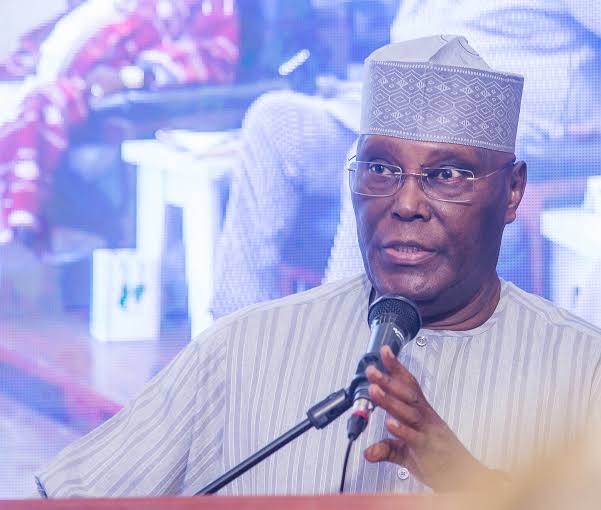
    Former Vice President and African Democratic Congress presidential candidate, Atiku Abubakar, has called on President Bola Tinubu’s administration to publish the full text of Nigeria’s five-year health agreement with the United States.

    Atiku’s demand followed concerns raised by Ghana over a proposed health compact with the US, particularly issues relating to medical records, pathogen information, funding commitments and the regulation of imported medical products.

    In a statement issued by the Director of Strategic Communication of the ADC Presidential Campaign Council, Phrank Shaibu, Atiku said Nigerians should be able to examine the commitments made by the Federal Government under the agreement.

    Nigeria and the United States signed the health Memorandum of Understanding on December 19, 2025. According to the Federal Ministry of Health, the five-year agreement, running from April 2026 to December 2030, covers disease surveillance, outbreak response, laboratory systems, biosafety procedures for pathogen samples, health data systems and access to essential health commodities.

    Under the agreement, the US is expected to provide nearly $2bn in grant funding, while Nigeria has committed to increasing domestic health financing, projected by the government to mobilise nearly $3bn over the five-year period.

    Atiku questioned whether provisions that Ghana reportedly rejected were contained in Nigeria’s agreement with Washington.

    “At this point, Nigerians do not know whether the provisions Ghana rejected are in the agreement Tinubu signed. That is precisely why the government must publish the full text. Nigerians should not have to guess what has been agreed in their name,” he said.

    Ghanaian President John Mahama recently said his government rejected a proposed US health compact after concerns were raised over medical records, pathogen information, counterpart funding and the inspection of imported medicines.

    Atiku also raised concerns about Nigeria’s healthcare challenges, particularly maternal mortality.

    He cited internationally reported estimates that Nigeria recorded about 75,000 maternal deaths in 2023, representing a significant share of global maternal deaths.

    The former vice president argued that the government’s international health commitments should be considered alongside its ability to finance healthcare programmes domestically.

    He specifically questioned the level of funding released for capital projects at the Federal Ministry of Health.

    Atiku cited remarks attributed to the Coordinating Minister of Health and Social Welfare, Prof Muhammad Ali Pate, during the ministry’s 2026 budget defence, that only N36m had been released from the N218bn appropriated for capital projects and programmes at the ministry’s headquarters in 2025.

    “A government that cannot release funds for approved health projects must explain how it intends to honour a multibillion-dollar commitment,” Atiku said.

    He argued that the impact of the agreement should ultimately be measured by improvements in healthcare delivery, including the ability of hospitals to provide services and women to receive safe maternity care.

    Atiku further called for the publication of all documents connected to the agreement, including protocols, annexes, data-sharing arrangements, specimen-sharing agreements and financial commitments.

    He questioned what would happen to Nigerians’ medical information and pathogen samples under the agreement, who would have access to such information and what safeguards would protect patients.

    He also asked whether the National Agency for Food and Drug Administration and Control would retain its full authority to inspect medicines and medical products imported under the arrangement.

    The ADC candidate said Nigeria should continue to participate in international health partnerships but maintained that the government should disclose the terms of agreements entered into on behalf of Nigerians.

    “Nigeria welcomes international cooperation that saves lives, but the government must be accountable for the terms it accepts and the results it delivers,” he said.

    Atiku also called for greater disclosure of the administration’s other international commitments, including its growing partnership with France.

    “Nigeria’s sovereignty is not classified information,” he said.

  • Otti Urges Igbo Traders To Embrace Manufacturing, Digital Commerce

    Otti Urges Igbo Traders To Embrace Manufacturing, Digital Commerce

    Precious Nwonu, Enugu

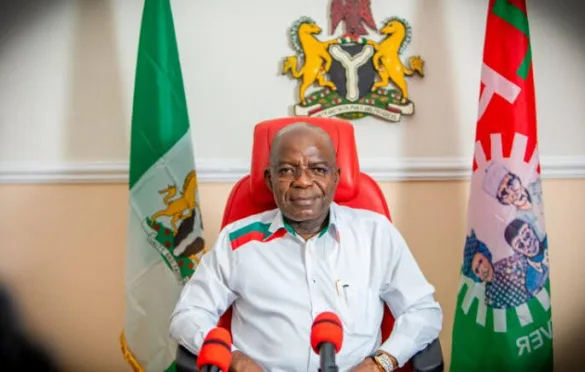
    Abia State Governor, Alex Otti, has urged Igbo entrepreneurs to move beyond conventional trading and embrace manufacturing and digital commerce to remain competitive in the changing global economy.

    Otti made the call on Monday in Umuahia at the Igbo Day Lecture and Dinner organised by Ohanaeze Ndigbo Worldwide.

    The event was held under the theme, “The Igbo Charter and Development of Ala Igbo.”

    The governor said while trading had historically been central to Igbo economic activities, the changing business environment required entrepreneurs in the South-East to expand into manufacturing and technology-driven commerce.

    Addressing concerns over the growing presence of Chinese traders in retail markets, particularly in Lagos, Otti said the response should not be to remain in the same segment of the market but to move into areas that offer greater opportunities for production and digital sales.

    He said his administration was already pursuing that transition in Abia by supporting manufacturers and promoting digital platforms for businesses.

    According to him, physical markets would remain important, but entrepreneurs needed to take advantage of digital commerce to reach customers beyond their immediate locations.

    Otti said Abia was positioning itself as both a manufacturing and trading hub, with digital commerce providing an avenue for businesses to compete in international markets.

    He said his administration was also investing in technology training for young people through the TechRise initiative.

    The governor noted that some young Abians who benefited from the programme were already working remotely for international technology companies from Aba.

    Otti also assured the President-General of Ohanaeze Ndigbo Worldwide of his administration’s support, describing the theme of the celebration, “Njikọ Ka,” meaning “Unity is Supreme,” as relevant to the development of the South-East.

    He said his administration had established what he described as a strong foundation for the development of Abia and pledged that the state would continue to witness transformation.

  • NEMA Deploys Rescue Teams As Floods Ravage Communities Nationwide

    NEMA Deploys Rescue Teams As Floods Ravage Communities Nationwide

    Precious Nwonu, Enugu

    The National Emergency Management Agency has deployed search and rescue teams to flood-affected communities across the country following torrential rainfall that has killed residents, displaced families and destroyed homes, roads, farms and other property.

    The agency said it had activated its operational offices and was coordinating with state emergency management agencies and local responders as flooding continued in several parts of the country.

    NEMA’s Head of Media and Public Relations, Manzo Ezekiel, said the agency would maintain its response efforts for as long as the rainy season lasted, noting that the current situation was not as severe as that recorded during the same period last year.

    “So far, the records are better than incidents of last year. But we are not lowering our guard yet, because the season is still on,” Ezekiel said.

    He explained that the agency’s Director-General, Zubaida Umar, activated NEMA’s operational offices following a flood alert issued the previous week.

    According to him, search and rescue teams had been directed to visit affected communities, work with local responders and sensitise residents on the dangers posed by rising floodwaters.

    Ezekiel said a NEMA team would move to Ebonyi State to assess the situation before proceeding to Port Harcourt, Rivers State, where flooding had also become severe.

    He attributed the flooding to a combination of natural and human factors, including prolonged rainfall, overflowing waterways, poor town planning, construction on waterways and blocked drainage channels.

    He added that the Federal Government would provide technical support and reinforce local response efforts, while relief materials would be provided to affected residents.

    The development followed warnings from the Nigerian Meteorological Agency that heavy rainfall could continue, particularly in central and southern parts of the country, as the rainy season remained active.

    A NiMet official said the agency would continue to issue daily forecasts and urged residents to monitor the alerts and take necessary precautions.

    The latest incidents have affected communities in several states, including Bauchi, Edo, Bayelsa, Imo, Rivers, Osun, Ekiti, Abia, Anambra, Benue and Delta, with emergency officials also reporting impacts in Kano, Yobe, Nasarawa and Zamfara.

    In Bauchi State, six local government areas were identified as the worst affected by disasters during the current rainy season.

    The affected councils are Toro, Bauchi, Ningi, Shira, Gamawa and Kirfi.

    The Director of Disaster Management at the Bauchi State Emergency Management Agency, Adamu Nayola, said while Toro, Bauchi, Ningi, Shira and Gamawa were mainly affected by windstorms and heavy rainfall, Kirfi recorded flooding.

    He said two people had died in Kirfi, while thousands of houses and other properties were damaged across the affected communities.

    Nayola said no formal Internally Displaced Persons camp had been established because most affected residents were staying with relatives.

    In Edo State, residents of Enwan community in Akoko-Edo Local Government Area were thrown into panic after the Ojirami Dam overflowed following heavy rainfall.

    The flooding submerged parts of the Enwan-Igarra-Ososo Expressway, disrupting movement and preventing students from attending school and farmers from accessing their farms.

    A community leader, Agbadua Bamidele, expressed concern that continued rainfall could worsen the situation, recalling that the dam had overflowed in 1980, reportedly submerging more than 500 houses and causing deaths.

    A poultry farmer, Monday John, said he lost 1,400 birds after floodwaters entered his property.

    The Executive Secretary of the Edo State Emergency Management Agency, Jerry Idahosa, however, said the immediate threat from the overflowing dam had been brought under control after repairs were carried out.

    He said the water board had also been advised on measures to release water when the dam level rises, while an IDP camp in Edo Central had been refurbished in preparation for possible emergencies.

    In Bayelsa State, residents of Obogoro community in Yenagoa Local Government Area said more than 200 houses had been submerged or lost to flooding and erosion caused by the advancing Ekoli River.

    Residents said the erosion had destroyed homes, farms and community infrastructure, leaving some families homeless.

    The President of the Epie-Atissa Peoples Congress, Obesi Benjamin, said only a fraction of the original community remained and called for urgent intervention from the state and Federal Governments and the Niger Delta Development Commission.

    The destruction reportedly affected a primary school, football field, NYSC lodge and burial grounds.

    In Imo State, flooding affected several communities across nine local government areas, with roads rendered impassable in parts of Owerri and other areas.

    The Acting Head of NEMA’s Imo State office, Innocent Nweze, said the agency had moved families trapped by floodwaters in Akwakuma to higher ground.

    He said officials were also monitoring areas including Oguta and Ohaji/Egbema, while receiving reports from several flood-prone communities.

    Flooding also affected parts of Rivers State, particularly Port Harcourt City and Obio/Akpor Local Government Areas.

    Residents of Marine Base, also known as Firisaka Polo, said they had battled floodwaters for almost a month and had resorted to hiring pumping machines to remove water from their homes.

    In Iriebe, Obio/Akpor, floodwater submerged the Rivers State Rehabilitation Centre, while corps members at a nearby NYSC transit camp were also affected.

    Other affected areas included Borikiri Sandfield, the NTA/Mgboba axis, Eleme, Oyigbo, Ahoada West and Ahoada East.

    A 17-year-old, Ifeanyichukwu Osuji, reportedly drowned at Umuebereke community in Oyigbo Local Government Area.

    In response, the Obio/Akpor Local Government Council commenced the desilting of canals and drainage channels in flood-prone areas and deployed swamp buggies to strategic locations.

    In Osun State, flooding affected seven local government areas, damaging public infrastructure and private property.

    The affected councils include Atakunmosa West, Ilesa West, Obokun, Osogbo, Olorunda, Iwo and Ifelodun.

    The state Commissioner for Environment, Mayowa Adejoorin, said the government had embarked on measures including dredging waterways, creating public awareness and discouraging indiscriminate dumping of refuse.

    Ekiti State also recorded flooding in several parts of Ado Ekiti and neighbouring communities.

    The affected areas included Ayemi Garage, Adehun, Elemi River, Again Road, Abekoko, Falegan, Adere, Ureje, Iyana Eminrin and the new Airport Road.

    Reports that three people were swept away by floodwaters in Ado Ekiti had not been independently confirmed at the time of the report.

    The Ekiti State Government said it had spent more than N1.18bn between 2023 and 2026 on flood-control measures, including the rehabilitation of waterways and drainage infrastructure.

    In Abia State, several communities were also affected, with flooding disrupting schools, businesses and transportation.

    Areas reportedly affected included Ugwueke Alayi in Bende, Ekenobizi in Umuahia South, Ebem Ohafia, Nkalunta in Ikwuano, Ndume Ibeku in Umuahia and Owerrenta in Isialangwa South, among others.

    A 12-year-old student of Federal Government College, Ohafia, Sopuruchi Ibe, was confirmed dead after being swept away by floodwater.

    Another death was reportedly recorded at Ugwueke in Bende Local Government Area, although broader casualty figures reported in the state had not been independently verified.

    In Anambra State, flooding affected parts of Onitsha, Awka, Nnewi, Ekwulobia and Ogidi, with homes, roads and schools submerged.

    One pupil, Success Ezenwafor, died after floodwaters overturned a vehicle conveying schoolchildren along the Isiagu-Nibo-Awka Link Road.

    Emergency responders rescued seven other children and two adults after floodwaters overturned shuttle buses, a tricycle and a school bus.

    The flooding also affected crops and livestock in riverine communities in Ogbaru and Anambra East.

    Following the incidents, the Anambra State Government issued a flood alert and urged residents in vulnerable areas to take weather forecasts seriously and relocate to safer locations where necessary.

    In Yobe State, the State Emergency Management Agency said 34,533 people had been affected by tropical windstorms, heavy rainfall and flash floods across 15 local government areas since May.

    The agency said 9,845 households had been affected, with 21,363 shelters or rooms damaged or destroyed.

    It also recorded 303 injuries and 11 deaths, while 468 households comprising 1,120 people had been displaced and were in urgent need of emergency shelter and household items.

    In Delta State, heavy rainfall triggered flooding in Udu, Uvwie, Warri South and Ughelli North local government areas.

    Agbarho and Ovwian were among the affected communities, where floodwaters reportedly submerged homes, schools, roads and farmlands.

    Parts of Ovwian were said to have become accessible only by canoe, while the drainage system along Jakpa Road was also reportedly damaged.

    In Benue State, flooding was reported in parts of Makurdi, Buruku and Guma local government areas.

    A report that a 10-year-old girl was swept away by floodwater in Makurdi had not been confirmed by the state emergency management authorities.

    Meanwhile, Nasarawa State authorities said sensitisation campaigns had commenced across the state’s 13 local government areas, alongside preparations for temporary settlements in flood-prone communities.

    NEMA had earlier activated its zonal directorates and operations offices after the Nigeria Hydrological Services Agency identified 15 states at high risk of riverine flooding due to rising water levels. The states include Imo, Cross River, Ebonyi, Benue, Anambra, Akwa Ibom, Lagos, Rivers, Edo, Kogi, Taraba, Delta, Bayelsa, Enugu and Abia.

    The agency has urged residents of floodplains, riverbanks and other vulnerable areas to move to safer and higher ground, while warning Nigerians against attempting to cross flooded roads, bridges or fast-moving water.

  • Tinubu Returns To Nigeria After Four-Week European Vacation

    Tinubu Returns To Nigeria After Four-Week European Vacation

    Precious Nwonu, Enugu

    President Bola Tinubu has returned to Nigeria after a four-week working vacation in Europe, dismissing concerns about his health and declaring that he is ready to resume his activities.

    Tinubu spoke with journalists on Tuesday shortly after arriving at the Presidential Wing of the Murtala Muhammed International Airport, Lagos, from Paris, where he spent the final part of his extended stay.

    Asked about concerns raised in some quarters about his health, the President said there was nothing wrong with him.

    “Ready to kick, ready to walk. There’s nothing wrong. Rumour will always be emanating from politics, but the facts remain: I’m here. Healthy, sound, and ready to go,” Tinubu said.

    The President’s aircraft touched down in Lagos at about 6.22pm. He was received at the airport by Lagos State Governor Babajide Sanwo-Olu, Speaker of the House of Representatives Tajudeen Abbas, Deputy Senate President Jibrin Barau, Chief of Staff to the President Femi Gbajabiamila and other senior government officials.

    A cultural troupe was also present to welcome the President.

    Tinubu departed Abuja on August 30 for what was initially announced as a three-week working vacation. He spent about a week in London before travelling to Paris, where he held several official and business-related engagements. The Presidency later announced that his stay had been extended by a few days.

    Before his return, the Presidency said Tinubu chose to travel to Lagos first to honour the memory of the late Chief MKO Abiola, the winner of the annulled June 12, 1993 presidential election and a prominent figure in Nigeria’s democratic struggle.

    The President is expected to attend the October 1 premiere of a film honouring Abiola at the Wole Soyinka National Theatre in Iganmu, Lagos.

    According to the Presidency, Tinubu will also hold strategic meetings with political leaders and associates in Lagos ahead of the 2027 elections before returning to Abuja.

    During his stay in France, the President held a private dinner with French President Emmanuel Macron and met with business executive Vincent Bolloré of the Bolloré Group.

    He also witnessed the signing of a Memorandum of Understanding between the Ogun State Government and DP World for the development of a Gateway Deep Sea Port in Ogun Waterside and a Blue Marine Economic Zone, with DP World planning to invest $7bn in the project.

    On Monday, Tinubu also met with the Chairman of First HoldCo Plc, Femi Otedola.

    His extended absence from Nigeria had generated public and political discussion, including questions about his health and his decision not to personally attend the 81st United Nations General Assembly in New York. Vice President Kashim Shettima represented Nigeria at the gathering and delivered the country’s national statement.

    With his return to Lagos, Tinubu is expected to resume physical engagements in Nigeria after spending about four weeks abroad.

  • Senate Extends 2025 Capital Budget Implementation To December 31

    Senate Extends 2025 Capital Budget Implementation To December 31

    Precious Nwonu, Enugu

    The Senate has extended the implementation period of the capital component of the 2025 Appropriation Act by another three months, moving the deadline from September 30 to December 31, 2026.

    The extension was approved on Tuesday after lawmakers passed a bill sponsored by the Senate Leader, Opeyemi Bamidele, representing Ekiti Central, following clause-by-clause consideration.

    The legislation seeks to give Ministries, Departments and Agencies additional time to complete ongoing capital projects and utilise funds appropriated for them.

    Moving the bill, Bamidele said the extension was necessary because the implementation of several capital projects under the 2025 budget had not reached the desired level despite the release of funds to the relevant MDAs.

    He said extending the deadline would allow the government to complete funded capital and other critical national projects already underway.

    The latest decision represents another extension of the lifespan of the 2025 capital budget. The implementation period had earlier been extended from its original deadline to June 30, 2026, and was subsequently moved to September 30.

    The new extension means funds under the capital component of the 2025 Appropriation Act can continue to be implemented until December 31, 2026, subject to the required presidential assent.

    The decision comes despite earlier commitments by the Federal Government to end overlapping budget cycles.

    President Bola Tinubu had pledged during the presentation of the 2026 Appropriation Bill that his administration would move away from multiple overlapping budget cycles and operate within a single revenue cycle.

    However, previous extensions of the 2025 budget were justified on the grounds that additional time was required to complete ongoing projects and ensure that appropriated funds were effectively utilised.

    The Senate approved the latest extension as the National Assembly resumed plenary on Tuesday after an extended recess.

    The National Assembly had postponed its resumption from September 15 to September 29 to allow rehabilitation work in the legislative chambers to be completed.

    With the passage of the amendment bill, the 2025 capital budget will remain open for implementation for three months beyond the September 30 deadline.

  • NCC Calls For More Telecom Investment As Data Consumption Rises 47%

    NCC Calls For More Telecom Investment As Data Consumption Rises 47%

    Precious Nwonu, Enugu

    The Nigerian Communications Commission has called for increased investment in telecommunications infrastructure as Nigeria’s data consumption rose by nearly 47 per cent in one year.

    The Executive Vice Chairman and Chief Executive Officer of the NCC, Aminu Maida, made the call on Tuesday at the Nigeria Digital Connectivity Investment Forum in Abuja.

    The forum, organised in partnership with Swedfund and Ookla, brought together government officials, investors, development finance institutions and telecommunications operators to discuss funding opportunities for Nigeria’s digital infrastructure.

    Maida said Nigerians consumed about 1.66 million terabytes of data in July 2026, compared with 1.13 million terabytes recorded in July 2025.

    He said the sharp increase in data demand showed the need for sustained investment to expand network capacity and improve the quality of services for existing users.

    Maida warned that demand for telecommunications infrastructure would continue to grow as cloud computing, artificial intelligence and other digital services became more widely adopted by businesses and consumers.

    He said the NCC had introduced measures aimed at creating a more favourable environment for investment, including the 2025 telecommunications tariff adjustment, which was designed to address financial pressures facing operators and support further investment in network infrastructure.

    The NCC chief executive also cited the designation of telecommunications infrastructure as Critical National Information Infrastructure and ongoing discussions with state governments over Right of Way charges as measures aimed at protecting telecom assets and reducing deployment costs.

    He said the commission was increasingly relying on network performance data and consumer complaints to identify service gaps and areas requiring additional investment.

    Maida said the use of evidence-based regulation would provide investors with better information about areas of opportunity and increase confidence in regulatory decisions.

    Digital Connectivity Becoming Economic Infrastructure

    The Minister of Industry, Trade and Investment, Jumoke Oduwole, said digital connectivity had evolved beyond a communications service to become critical infrastructure for trade and investment.

    Oduwole said the telecommunications sector contributed more than nine per cent to Nigeria’s Gross Domestic Product in the first quarter of 2026.

    She also noted that mobile technologies and services contributed about $240bn to Africa’s economy in 2025.

    According to her, Nigeria currently has more than 25 data centres either operational or under construction, reflecting growing opportunities in the digital economy.

    The minister identified data centres, cloud computing, fibre infrastructure, broadband, fintech, cybersecurity, artificial intelligence and digital logistics as areas with investment potential.

    She, however, stressed the importance of policy stability and effective coordination among regulators to attract and sustain investment.

    Sweden Seeks Better Use Of Connectivity Data

    The Swedish Ambassador to Nigeria, Anna Westerholm, said Nigeria still faced gaps in telecommunications coverage, service quality, affordability and supporting infrastructure despite progress in expanding digital connectivity.

    Westerholm said reliable data should be used to guide investment decisions and determine where additional resources could have the greatest impact.

    She said improved access to accurate information could reduce uncertainty for investors while helping policymakers identify underserved areas.

    FG Seeks Private Investment

    The Minister of Communications, Innovation and Digital Economy, Bosun Tijani, represented by the Director of the National Frequency Management Council Secretariat, Adetunji Adeyemo, said the Federal Government could not meet the country’s growing digital infrastructure needs alone.

    He called for stronger public-private partnerships, innovative financing models and greater involvement of development finance institutions.

    Adeyemo said reliable and transparent data would enable investors to assess demand, identify viable markets and develop projects capable of delivering both commercial returns and broader economic benefits.

  • NASS Plans Translation Of Laws Into Igbo, Hausa, Yoruba

    NASS Plans Translation Of Laws Into Igbo, Hausa, Yoruba

    Precious Nwonu, Enugu

    The National Assembly is set to expand access to legislative information by translating Nigerian laws into major indigenous languages, including Igbo, Hausa and Yoruba.

    The Executive Secretary of the National Assembly Library Trust Fund, Henry Nwawuba, disclosed this on Monday in Abuja while declaring open the 2026 National Assembly Library Week.

    The three-day event, themed “Parliamentary Memory: Connecting Records, Legislation and the People,” is aimed at promoting legislative research, access to information and effective use of the National Assembly Library.

    Nwawuba said the library was more than a collection of books, describing it as a key knowledge institution responsible for preserving parliamentary records and supporting legislative work.

    He said efforts were underway to ensure lawmakers, legislative aides, researchers and other stakeholders could access authoritative records, including Order Papers, Votes and Proceedings, committee reports and Acts passed by the National Assembly.

    According to him, the Trust Fund is investing in electronic repositories and upgrading the National Assembly’s e-library, while also developing a mobile application that will provide easier access to legislative information.

    Nwawuba also announced plans for a Bills Tracker that would allow users to monitor bills and follow their progress through the legislative process.

    He said the library was developing infographics, audiovisual materials and video explainers to make bills, Acts and legislative procedures easier for Nigerians to understand.

    The planned translation of laws into indigenous languages, he added, would further widen access to legislation and help citizens understand laws affecting their daily lives.

    Nwawuba said the library would also organise public policy dialogues to encourage greater citizen participation in public hearings and promote interaction between lawmakers, citizens, researchers and other stakeholders.

    He explained that the initiatives were also designed to address inconsistencies in parliamentary records and prevent the circulation of fake or unauthorised National Assembly documents.

    Akpabio Urges Lawmakers To Use Library

    The President of the Senate, Godswill Akpabio, represented at the event by Senator Osita Ngwu, urged lawmakers to make greater use of the National Assembly Library, particularly amid growing misinformation, disinformation and advances in artificial intelligence.

    Akpabio described the library as an important link between knowledge, evidence and legislative decision-making and called for continued investment in its development.

    The Speaker of the House of Representatives, Abbas Tajudeen, represented by the House Leader, Julius Ihonvbere, said parliamentary records were essential for preserving Nigeria’s legislative history and strengthening democratic governance.

    Tajudeen said the effectiveness of a legislature should not be measured only by the laws it passes, but also by its ability to document proceedings, preserve institutional knowledge and make such information available to future generations.

    He said technology and artificial intelligence could strengthen legislative research, preservation of records and public access, but stressed that their use must be guided by accuracy, security and professional judgment.

    Clerk Warns Against Fake Parliamentary Documents

    The Clerk to the National Assembly, Kamoru Ogunlana, said the legislature could not be fully independent without the capacity to generate, preserve, retrieve and authenticate its institutional records.

    Ogunlana identified the Order Paper, Votes and Proceedings and Hansard as important components of Nigeria’s democratic memory.

    He warned against the circulation of incomplete, outdated, altered or unauthorised bills, Acts and other parliamentary documents, noting that digital technology had made it easier to manipulate and distribute such materials.

    The Clerk stressed that the authenticity of an Act depended not only on the existence of a document but also on the ability to establish the authoritative version and the legal process through which it was enacted.

    He cited the continued use of the Laws of the Federation of Nigeria, LFN 2004, as an example of the challenges involved in maintaining an updated and authoritative collection of federal legislation.

    According to him, the LFN 2004 reflected the laws covered by the relevant revision exercise and was not automatically updated whenever new legislation was passed.

    Ogunlana said the National Assembly must strengthen cybersecurity, digital preservation, authentication systems, access controls, backups and staff training as parliamentary records become increasingly digitised.

    He warned that while digitisation could make legislative information easier to access and search, it could also expose records to cyberattacks, manipulation and impersonation of official sources.

    The Clerk called for digital platforms that are both accessible and secure, with electronic records maintained in a manner that ensures they remain available, authentic and traceable.

    He said the National Assembly Library should evolve from simply storing documents into an institution that preserves, authenticates and provides access to parliamentary knowledge for lawmakers, researchers, journalists, civil society organisations, students and the wider public.

    The President of the Nigerian Library Association, Lawal Umar, called for sustained investment in libraries and modern information technology to improve access to legislative information.

    Umar also urged stronger collaboration between the National Assembly and state Houses of Assembly.

    The Secretary-General of the Conference of Speakers of African Legislatures, Debo Oyewale, said African legislatures could learn from one another in developing institutions capable of preserving legislative memory.