Category: News

This is an optional category description

  • FG Begins Payment of N18bn Severance Benefits to 2,700 Ex-Nigeria Airways Workers

    FG Begins Payment of N18bn Severance Benefits to 2,700 Ex-Nigeria Airways Workers

    Precious Nwonu, Enugu

    The Federal Government has commenced the payment of N18bn in outstanding severance benefits to 2,700 former employees of the defunct Nigeria Airways, more than 20 years after the airline was liquidated.

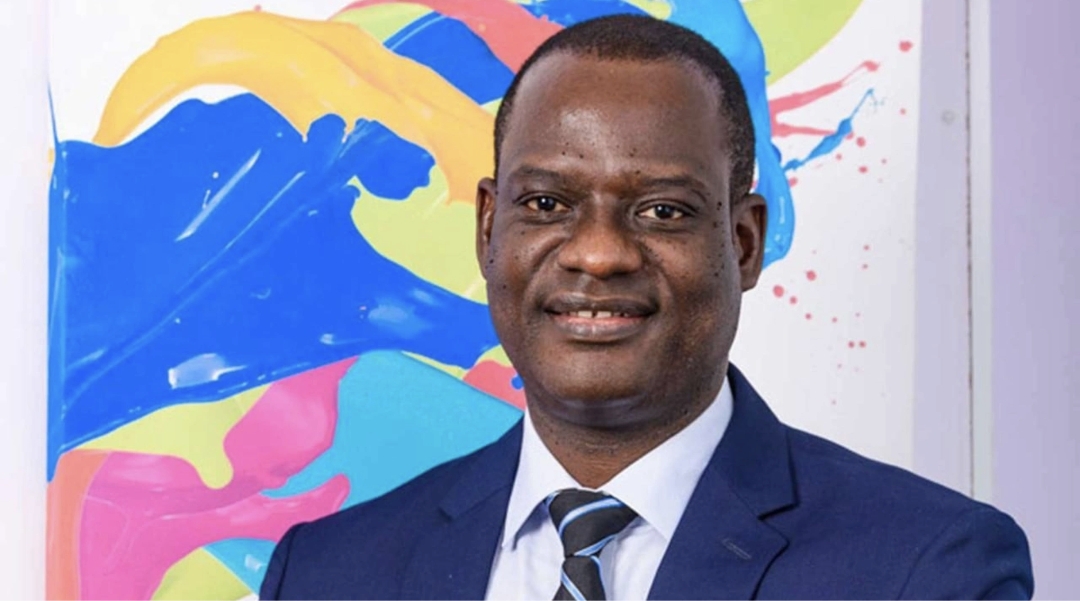
    The Minister of Finance and Coordinating Minister of the Economy, Taiwo Oyedele, disclosed this on Friday during a press briefing at the Federal Ministry of Finance in Abuja.

    Oyedele said 2,100 former workers covered by batches one to seven had received their payments, while another 600 beneficiaries in batches eight and nine had been cleared for payment.

    He said the payments amounted to N18bn in outstanding benefits owed to the 2,700 former employees.

    “For more than two decades, following the liquidation of Nigeria Airways, many former employees have waited for their outstanding severance benefits. Some have grown old waiting. Some have sadly passed away, leaving their families to pursue what was legitimately due to them,” Oyedele said.

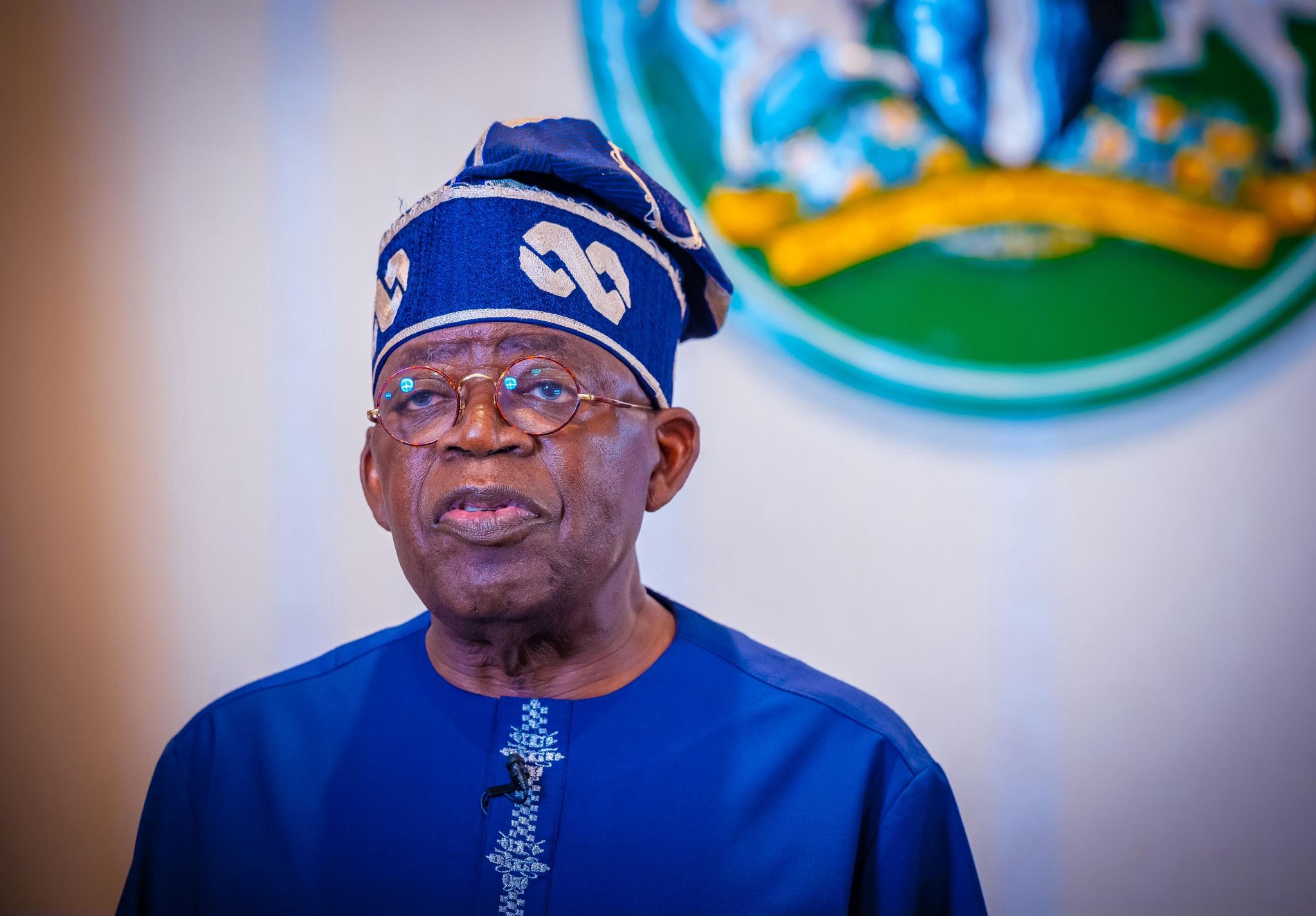
    According to the minister, the payment followed President Bola Tinubu’s directive to resolve the long-standing obligation.

    Oyedele acknowledged that the settlement could not make up for the lengthy delay but said the government had decided to address inherited obligations rather than allow them to remain unresolved.

    “We recognise that no payment today can fully compensate for more than two decades of waiting, but it is important that government confronts these long-standing obligations rather than allowing them to remain unresolved for another generation,” he said.

    The minister explained that the exercise was part of the Federal Government’s broader effort to clear verified inherited liabilities, including outstanding obligations to pensioners and indigenous contractors.

    He said beneficiaries of the Nigeria Airways payments underwent extensive verification, including biometric capture and validation of their personal and banking details, to guard against fraudulent claims.

    Oyedele added that further verification would be conducted in cases involving outdated records, incorrect bank details and deceased beneficiaries whose next of kin or estates still needed to complete the required procedures.

    On concerns over the impact of inflation on the value of the benefits after more than two decades, the minister said the government was paying the amounts contained in the documented and verified claims.

    He acknowledged that inflation had significantly eroded the value of the money but said the settlement did not provide for inflation adjustments.

    Oyedele explained that the payments were being made in batches to ensure that beneficiaries whose claims had been verified did not have to wait while other outstanding cases were being processed.

    He said the benefits covered former employees across different categories and were not limited to either junior or senior staff.

    For beneficiaries who had died before receiving their entitlements, the minister said payments would be made to their documented next of kin or other eligible beneficiaries after the necessary legal procedures were completed.

    Oyedele also disclosed that the Federal Government had settled outstanding debts owed to more than 12,000 indigenous contractors as part of efforts to reduce accumulated obligations.

    He said the government initially prioritised smaller contractors with verified claims of N50m or less before extending the exercise to contractors owed up to N100m.

    Larger claims running into billions of naira, he explained, could be handled separately through negotiations and instruments such as promissory notes.

    According to the minister, the approach was designed to support small businesses that depend on government payments to meet salary obligations and other immediate financial commitments.

    Oyedele warned contractors against paying commissions or offering inducements to government officials to facilitate the settlement of verified claims, describing such demands as illegal.

    He said the government was also taking steps to prevent the accumulation of fresh unpaid obligations by making budgets more realistic and ensuring that capital expenditure commitments had identifiable funding sources.

    “We will do our best to ensure that the accumulated obligations of the past do not repeat themselves,” the minister said.

    Oyedele apologised to the former Nigeria Airways workers for the prolonged delay in settling their entitlements, stressing that the payments were owed benefits and not favours from the government.
  • FG Moves to Remove Criminal Penalty for Attempted Suicide

    FG Moves to Remove Criminal Penalty for Attempted Suicide

    Precious Nwonu, Enugu

    The Federal Government has commenced steps to remove criminal penalties for attempted suicide following the approval of the decriminalisation proposal by the Federal Executive Council.

    The move is expected to pave the way for amendments to relevant provisions of the Penal Code and Criminal Code when the proposal is presented to the National Assembly.

    The development was disclosed in Abuja during an event organised by the Federal Ministry of Health and Social Welfare to commemorate the 2026 World Suicide Prevention Day.

    Minister of State for Health, Dr Iziaq Salako, represented at the event by the ministry’s Permanent Secretary, Daju Kachollom, said the FEC approval followed the work of the National Task Force on Decriminalisation of Attempted Suicide.

    The task force has held consultations and policy engagements with government agencies, legal experts, mental health professionals, civil society organisations, development partners and people with lived experience.

    Salako described the proposed reform as both a public health and human rights measure, arguing that people experiencing mental health crises should receive care and support rather than face punishment.

    He expressed optimism that the legislative process would be completed without unnecessary delay.

    The minister also disclosed that the government was working to integrate mental health services into other areas of the healthcare system.

    According to him, Standard Operating Procedures for integrating mental health services into HIV care are being developed, while the National Coordinator of the National Mental Health Programme has been directed to prepare a memorandum on incorporating mental health services into primary healthcare for consideration by the National Council on Health.

    He said the move would help bring mental health services closer to Nigerians, particularly people who lack access to specialised psychiatric facilities.

    However, stakeholders at the event cautioned that decriminalising attempted suicide alone would not resolve the country’s suicide crisis.

    A representative of the Nigeria Suicide Prevention Advocacy Working Group, Prof. Taiwo Lateef Sheik, said criminalisation was only one aspect of the challenge and called for a comprehensive national response.

    Sheik advocated improved collection of suicide and suicidal behaviour data, crisis intervention services, dedicated funding, specialised training for healthcare workers and first responders, as well as full implementation of the National Mental Health Act 2021.

    He said Nigeria had set a target of reducing suicide deaths and attempts by 50 per cent by 2030, adding that legislative reform alone would not be sufficient to achieve the goal.

    Sheik estimated annual suicide deaths in Nigeria at about 16,000 and described the situation as a major public health crisis.

    The President of the Association of Psychiatrists in Nigeria, Dr Veronica Oluyemisi Nyamali, also raised concerns over the country’s shrinking mental health workforce.

    Nyamali said professionals were leaving the country, while some medical residents were abandoning psychiatric training.

    She noted that decriminalisation could encourage people experiencing psychological distress to seek help without fear of prosecution, but stressed the need for government to ensure that adequate mental health services were available.

    An official of the International Committee of the Red Cross, Juan Carlos, called for greater attention to people affected by conflict and violence.

    He noted that distance, insecurity and the cost of healthcare often prevent vulnerable populations from accessing mental health services.

    Civil society organisations also urged the government to address the social and economic conditions that can contribute to suicidal behaviour, rather than focusing solely on treatment.

    Speaking on behalf of people living with HIV in Nigeria, Isah Takuma called for mental health interventions to become an integral part of HIV services.

    He urged the government to fully integrate mental health support into HIV programmes as part of efforts to strengthen healthcare delivery.

    The Federal Ministry of Health and Social Welfare said its suicide prevention efforts were guided by the National Mental Health Act 2021, National Mental Health Policy 2023 and National Suicide Prevention Strategic Framework 2023 to 2030.

    The 2026 World Suicide Prevention Day was marked with the theme, “Changing the Narrative on Suicide,” alongside the call to action, “Start the Conversation.”

    The campaign seeks to shift public discussions on suicide away from stigma, fear and misinformation towards compassion, understanding and timely access to support.

    The ministry said its broader objective was to build a society where people experiencing emotional or psychological distress could seek assistance without fear of criminal sanctions, discrimination or stigma.

  • NASS Suspends South Africa Visits Over Renewed Xenophobic Attacks

    NASS Suspends South Africa Visits Over Renewed Xenophobic Attacks

    Precious Nwonu, Enugu

    The National Assembly has suspended all official legislative visits to South Africa and directed lawmakers to boycott legislative activities hosted or organised by the country over renewed xenophobic attacks targeting Nigerians and other African nationals.

    The decision followed reports of fresh violence, intimidation and anti-immigrant protests in South Africa, with demonstrators demanding that foreign nationals leave the country.

    In a statement issued on Thursday, September 10, the Clerk to the National Assembly, Kamoru Ogunlana, said the joint leadership of the Senate and House of Representatives approved the suspension in response to concerns over the safety of Nigerians in South Africa.

    According to the statement, the measure covers “all official visits” to South Africa as well as “South African-hosted or South African-organised legislative activities and engagements” until further notice.

    The National Assembly said the decision reflected its “grave concern for the safety, dignity and welfare of Nigerian citizens abroad.”

    It urged the South African government to take immediate and concrete steps to protect Nigerians and other African nationals, investigate reported attacks, apprehend suspected perpetrators and prosecute those found responsible.

    The suspension and boycott will remain in place until further notice, with the National Assembly leadership expected to review the decision as developments unfold.

    The latest unrest has also triggered concerns over the safety and welfare of Nigerians living in South Africa. The Nigerian government has repatriated about 1,490 citizens amid the crisis, while reports have emerged of attacks, property losses and difficulties relating to residency status.

    Nigerians have previously been affected by major xenophobic violence in South Africa, including outbreaks in 2008, 2015 and 2019. Nigerian officials have said at least 98 Nigerians have been killed in xenophobic attacks since 2022.

    The Federal Government has condemned the latest attacks and taken steps to evacuate affected Nigerians while engaging South African authorities.

    During bilateral discussions in Abuja in July, Nigeria demanded stronger protection for its citizens in South Africa. The South African government, in response, pledged to prosecute those responsible for the violence while maintaining that the attacks were not state-sponsored.

    The renewed attacks have also drawn condemnation from both chambers of the National Assembly.

    The Senate called for stronger measures to protect Nigerians, including written guarantees of their safety and justice for victims, while the House of Representatives demanded an investigation into the attacks and the losses suffered by Nigerians in South Africa.

  • Abia Secures N1.24tn Private Capital Investment Approvals

    Abia Secures N1.24tn Private Capital Investment Approvals

    Precious Nwonu, Enugu

    Abia State Governor, Alex Otti, has disclosed that the state has secured approvals for about N1.24tn in private capital investments to drive infrastructure development and expand economic activities beyond the capacity of public funding.

    Otti made the disclosure in Lagos on Wednesday at the Nigerian-British Chamber of Commerce Meet the Governor Series, where he spoke on “Repositioning Abia for Enterprise, Industrialisation and Sustainable Economic Growth.”

    The governor said the investment pipeline comprises about N914bn in joint ventures and N327bn in design-build-operate-transfer concessions, with market development, power and energy among the areas targeted.

    He added that the flag-off of some of the projects would commence soon.

    According to Otti, his administration is focused on creating stable economic conditions that can attract and retain long-term private investment.

    He said investors were more concerned about predictable policies and viable projects than expensive investment promotion campaigns.

    The governor disclosed that the state’s N1.01tn 2026 budget allocates 80 per cent to capital expenditure, while internally generated revenue is being used to fund recurrent obligations. He said external and private capital would be directed towards infrastructure and other assets capable of supporting economic growth.

    Otti said Abia was being repositioned as a regional destination for investment, noting that investors were highly sensitive to uncertainty.

    He identified quality infrastructure, security and responsive institutions as key factors in building investor confidence and attracting long-term capital.

    The governor said his administration had therefore prioritised road construction and rehabilitation to improve connectivity, open up business locations and restore confidence among businesses and investors.

    “We took on long-abandoned roads in our important business hubs and fixed them to announce our intention,” he said, adding that hundreds of kilometres of roads had been rehabilitated since he assumed office.

    Otti, however, noted that infrastructure alone was not enough to attract investment, as investors also considered the wider economic environment before committing funds.

    During a fireside chat with Bongo Adi, a professor of economics at Lagos Business School, the governor highlighted opportunities in Abia, attributing the state’s growing prospects to the resilience of its people and increased adoption of technology.

    He said sustained leadership and effective governance would be essential to making Abia more competitive globally.

    “When people see leadership and when they have tasted leadership, they know,” Otti said.

    He added, “In 10 years, I see an Abia that can compete globally. If Abia were to be a country, it would be the fourth largest in the world.”

    Earlier, President and Chairman of the Nigerian-British Chamber of Commerce, Abimbola Olashore, called for clear and predictable policies, responsive institutions and quality infrastructure to strengthen investor confidence in Abia.

    Olashore said businesses and investors needed an enabling environment, security, access to markets and meaningful partnerships to expand their operations and contribute to the state’s economic growth.

  • Remi Tinubu Unveils Food Bank, Commissions ICT Centre in Anambra

    Remi Tinubu Unveils Food Bank, Commissions ICT Centre in Anambra

    Precious Nwonu, Enugu

    The First Lady of Nigeria, Oluremi Tinubu, has unveiled the National Community Food Bank for the South-East geopolitical zone and commissioned an Information and Communications Technology Experience Centre in Anambra State.

    Tinubu arrived at the Chinua Achebe International Airport, Umueri, at 11:31 a.m. on Wednesday for a one-day working visit to the state.

    She was received by Anambra State Governor, Chukwuma Soludo, his wife, Nonye Soludo, Deputy Governor Onyekachukwu Ibezim and his wife, alongside members of the state House of Assembly and other government officials.

    The First Lady unveiled the South-East zonal food bank at the old Governor’s Lodge in Amawbia.

    The facility is intended to provide food assistance and nutrition education to vulnerable groups, including widows, elderly people, persons with disabilities, nursing mothers and young children.

    Speaking during the event, Tinubu described the initiative as part of the Renewed Hope Initiative, aimed at tackling hunger, supporting grassroots development and improving human capital outcomes.

    She said the programme would complement Federal Government efforts in poverty reduction, sustainable agriculture and the strengthening of social protection systems.

    Tinubu also stressed the need for collaboration between the Federal Government and state governments to address economic hardship and promote inclusive development.

    At the Federal Polytechnic, Oko, the First Lady commissioned a new ICT Experience Centre designed to equip young Nigerians with digital skills in areas such as software development, data analysis and remote work.

    The project is part of a nationwide intervention approved by the Tertiary Education Trust Fund Board of Trustees to establish an ICT Experience Centre in each of Nigeria’s six geopolitical zones.

    Tinubu said the initiative would expand opportunities for young Nigerians through technology and skills development.

    She also highlighted the Anambra State Government’s humanitarian interventions, including empowerment grants, vocational tools and agricultural inputs for thousands of beneficiaries across the state’s 21 local government areas.

  • Mbah Unveils Over 10,000 Milestone Achievements, Says Enugu on Course to Greatness

    Mbah Unveils Over 10,000 Milestone Achievements, Says Enugu on Course to Greatness

    …Records 1,521km of roads, 7,000 classrooms, 260 Type-2 PHCs, sweeping reforms

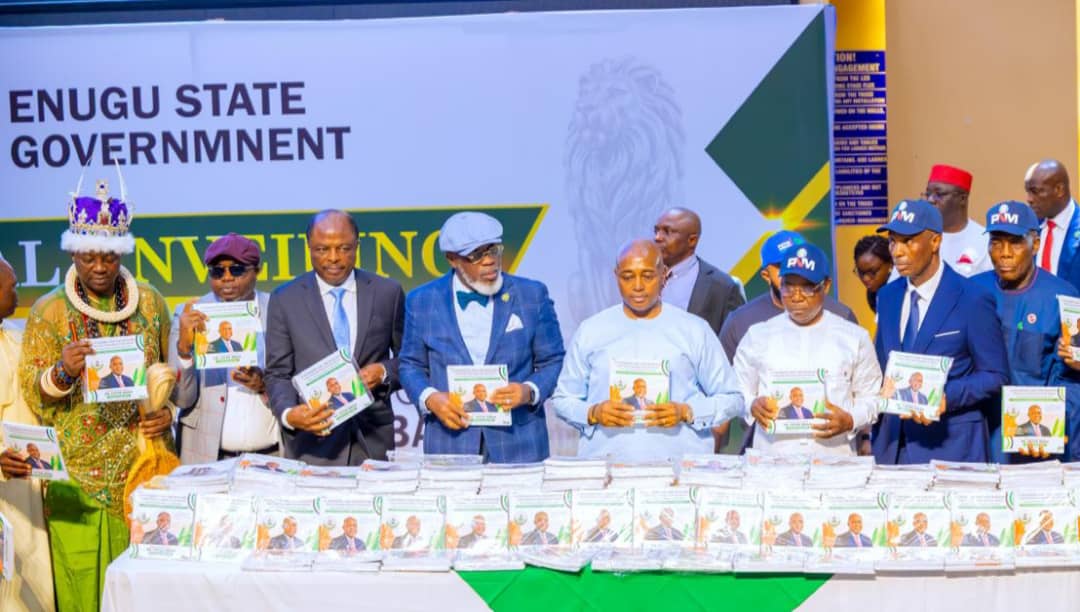
    Governor of Enugu State, Dr. Peter Mbah, has unveiled a compendium of more than 10,000 milestones recorded in the first term of his administration across critical sectors of the Enugu State economy.

    The compendium, entitled “A Thousand and One Reasons Why Dr. Peter Ndubuisi Mbah Should be Re-elected as Governor of Enugu State,” was presented to the public at the International Conference Centre, Enugu, on Wednesday.

    The compendium of milestones records, among others, over 1,521 kilometres of constructed and reconstructed roads, over 7,000 classrooms, 260 Type-2 Primary Healthcare Centres, Enugu Air, the New Enugu Smart City, and the revamp of moribund assets.

    Represented by the Deputy Governor, Barr. Ifeanyi Ossai, Mbah said the compendium aligns with the Citizens Charter, also known as Executive Order 001, which he executed immediately he was sworn into office on 29th May 2023 to emphasise his administration’s commitment to accountability, traceability and transparency.

    He, however, said the compendium highlighted the administration’s philosophy of disruptive innovation and its focus on large-scale infrastructure, noting that it did not contain all that had been done up to the day of unveiling.

    “Our assignment today is not just to unveil the Citizens Charter via the compendium. It is a lot more than that. It is a conversation on the sacrosanct duty and responsibility you gave to us to midwife and preside over your resources.

    “But above all, it is important to note that the document we are about to unveil does not entirely capture everything this government has done because, given the time it took to prepare this document, there was a cut-off point running months behind.

    “So, this document that we shall unveil shortly does not in any particular material represent the actual successful modest achievements of this government as at 9th of September 2026.”

    He thanked those who believed in his vision and worked for his election in 2023 and urged those affected in any way by the tough decisions the administration had to make, assuring them that Enugu was on its way to greatness as a $30bn economy and the preferred destination for investment, business, tourism, and living.

    “I also want to thank all those who made sacrifices, who lost their friends because they felt supporting us was the right thing to do. I want to thank all those who invested their resources. I want to thank all those who took pains in very unimaginable circumstances to ensure that Enugu moves to the next level.

    “But what you must take home with you is that our intentions are noble. What we try to do is to put Enugu on an irreversible path of greatness. What we try to do is to ensure that Enugu will not compete with Nigeria or within Nigeria, but globally” he added.

    In his welcome address, the Secretary to Enugu State Government, Prof. Chidiebere Onyia, said the state had pursued an extensive urban development agenda, including the New Enugu Smart City, environmental sustainability and urban renewal.

    He added that the State’s fiscal architecture had undergone significant reform through revenue automation, reforms at the Enugu State Internal Revenue Service, improved financial management, the Treasury Single Account, enterprise resource planning and broader institutional restructuring.

    According to him, the administration had also sustained investments in youth empowerment, women development, technology, skills acquisition, social protection, tourism, environmental sustainability and community development.

    He said the ultimate goal is to improve the lives of the people.

    “Behind every project is a community; behind every policy is a citizen; and behind every statistic is a human being whose life government seeks to improve,” he concluded.

    He also stressed the importance of institutional reforms in sustaining government programmes, stating: “Sustainable development requires not only projects that citizens can see, but institutions and systems that can sustain those projects.”

    The Deputy National Chairman (South) of the All Progressives Congress, Dr. Ben Nwoye, commended the administration for its development record and the scale of projects executed across the State.

    The Speaker of the Enugu State House of Assembly, Hon. Uchenna Ugwu, commended the Governor for his developmental strides, pledging the continued support of the legislative arm of the state government.

    The Chairman of the Enugu State Council of Traditional Rulers, Igwe Samuel Asadu, equally spoke glowingly about the administration’s performance, saying a performing government should be supported to continue till 2031.

    “We have never had it so good. It is not about party. But let us give the job to those who understand the job. The governor wants to move the Enugu State economy to a $30bn economy and that is exactly what he is doing,” he stated.

    Chief of Staff to the Governor, Victor Udeh, described the compendium as an evidence-based publication and a commitment to accountability.

    The event brought together political leaders, traditional and religious leaders, captains of industry, professionals, public servants and other stakeholders, who commended the administration for the scale and spread of its interventions across the State.

  • First Lady Oluremi Tinubu to Visit Anambra Today

    First Lady Oluremi Tinubu to Visit Anambra Today

    Nigeria’s First Lady, Senator Oluremi Tinubu, will visit Anambra State on Thursday, September 10, 2026, for a series of programmes focused on economic empowerment, food security and support for vulnerable residents.

    The visit will be her first to the state since assuming office as First Lady of Nigeria and is expected to further strengthen collaboration between the Federal Government and the Anambra State Government.

    A major component of the visit will be the empowerment of 5,000 beneficiaries across the state’s 21 local government areas under an initiative championed by Mrs. Nonye Soludo, First Lady of Anambra State, in support of the Renewed Hope Initiative (RHI) Economic Support Scheme.

    The beneficiaries are expected to receive business grants, vocational tools and equipment to support activities in agriculture and agro-processing, beauty care and other small-scale enterprises.

    The programme will be flagged off by Senator Tinubu at Ekwueme Square, Awka.

    The First Lady will also launch the National Community Food Bank Programme for the South-East Geopolitical Zone at the Old Government House, Amawbia.

    The programme, under the Renewed Hope Initiative, is designed to provide direct support to widows, elderly people, persons with disabilities and other vulnerable families through food items, nutrition education and agricultural support.

    Another key engagement on the itinerary is a visit to the Federal Polytechnic, Oko, where Senator Tinubu is expected to commission an ICT Centre.

    The visit is coming against the backdrop of the Federal Government’s relationship with the Soludo administration in Anambra.

    During his last state visit to Anambra, President Bola Ahmed Tinubu described the relationship between the Federal Government and the state as one based on partnership and shared prosperity, while commending the development efforts of Governor Chukwuma Soludo’s administration.

    With thousands of residents expected to benefit directly from the empowerment and food-support initiatives, the visit is set to be a significant engagement between the Federal Government and Anambra State.

  • Police Arrest 46 Over Blockade of Peter Obi’s Convoy in Benue

    Police Arrest 46 Over Blockade of Peter Obi’s Convoy in Benue

    …APM Presidential Candidate, Seyi Makinde Alleges APC Involvement

    …Ovie Omo-Agege Urged Security Agencies to Investigate

    Precious Nwonu, Enugu

    The Benue State Police Command has arrested 46 suspects in connection with the obstruction of the convoy of the Nigeria Democratic Congress presidential candidate, Peter Obi, during his visit to the state.

    The arrests came amid growing calls for an investigation into the incident, with political figures and civil society groups demanding that security agencies establish who organised, funded or sponsored the blockade.

    The Commissioner of Police in Benue State, Cletus Nwadiogbu, disclosed the arrests, saying the command had launched an intelligence-led operation after Obi’s movement was disrupted on Tuesday.

    Nwadiogbu said the police were informed of Obi’s planned visit to Benue at about 5:30 p.m. on Monday, September 7, after which three police escort vehicles and personnel led by an Assistant Commissioner of Police were deployed to provide security.

    According to him, Obi’s convoy was later obstructed by a group of people, creating tension that the police feared could escalate into violence.

    “Unfortunately, Mr. Obi’s movement was obstructed by a group of persons, creating tension and a situation that could have degenerated into violence,” the commissioner said.

    He explained that security personnel decided against forcing their way through the blockade because doing so could have resulted in casualties and destruction of property.

    “At that point, the Police took a professional and tactical decision to avoid an escalation that could have resulted in loss of lives and destruction of property. Mr. Obi was subsequently safely escorted back to the airport and departed the state peacefully,” he added.

    Nwadiogbu stressed that the decision to escort Obi back to the airport should not be interpreted as a failure to act, noting that investigations began immediately and led to the arrest of 46 suspects.

    He said more suspects, including individuals believed to have played key roles in the incident, were still being sought.

    The commissioner also warned that no person or group had the authority to unlawfully restrict another Nigerian’s freedom of movement.

    “Every Nigerian has the right to freedom of movement, irrespective of political affiliation, status or personal belief. No individual or group has the right to unlawfully obstruct another person’s movement,” he said.

    ### Calls for investigation

    The arrests have heightened calls for authorities to investigate the circumstances surrounding the blockade and determine whether any political interests were involved.

    Former Deputy Senate President and NDC candidate for Delta Central, Ovie Omo-Agege, described the incident as a “national disgrace” and urged security agencies to investigate beyond those who physically blocked the convoy.

    He called for investigators to establish who organised and financed the action and whether anyone issued instructions for it to be carried out.

    “There must be no cover-up, political protection, or convenient silence,” Omo-Agege said.

    He questioned the circumstances surrounding the incident, asking, “What kind of politics has Nigeria descended into when even mourning the dead requires political permission?”

    Omo-Agege maintained that the tragedy in Yelwata should not be viewed through partisan lines, arguing that Obi should have been allowed to visit the community regardless of his political affiliation.

    “Yelwata’s tragedy is not the property of the APC, PDP, Labour Party or NDC. The dead belong to Nigeria, and their families belong to all of us,” he said.

    He added that even if Obi’s visit had a political dimension, his constitutional rights to freedom of movement and association should still be respected.

    The NDC deputy governorship candidate in Cross River State, Stella Archibong, also condemned the incident and called for an urgent investigation.

    Archibong described the blockade as “unfortunate and unbecoming of a democratic society,” urging the relevant authorities to identify those responsible and ensure that they faced justice.

    ### Makinde alleges APC involvement

    The Allied Peoples Movement presidential candidate, Seyi Makinde, alleged that the blockade was carried out by suspected state-sponsored thugs as part of an attempt to frustrate opposition activities ahead of the 2027 elections.

    In a statement issued by his Special Adviser on Media and Digital Communication, Anthony Ehilebo, Makinde accused the ruling All Progressives Congress of attempting to suppress opposition voices.

    He described the incident as “a new low” in political efforts to prevent opposition candidates from freely campaigning and engaging with Nigerians.

    Makinde also criticised the reported position of the Benue State Government that Obi did not obtain prior permission before visiting the state.

    He argued that Nigerians did not require permission from a state government to exercise their constitutional right to freedom of movement.

    “Setting up roadblocks and engaging thugs to stop opposition candidates have no place in a constitutional democracy,” he said.

    However, Makinde did not provide evidence linking the APC to the suspects arrested, while the police have not announced any connection between those in custody and the ruling party.

    The Benue State Government has also denied involvement in the incident.

    ### Youth group demands apology

    The Nigeria Patriotic Youths Forum condemned the blockade and called on Governor Hyacinth Alia to publicly apologise over the incident.

    The group’s National Coordinator, Clifford Obinwanne Chukwuonye, said political disagreements should not be allowed to override citizens’ constitutional rights.

    “We should respect the rule of law and we must respect each other’s fundamental rights, as enshrined in the Nigerian Constitution,” he said.

    Chukwuonye described the incident as an alleged abuse of power and warned that such developments could create a dangerous atmosphere ahead of the 2027 elections.

    He also urged Nigerian youths to reject attempts by politicians to recruit them for violence, intimidation or political attacks.

    ### Socio-cultural groups condemn incident

    Benue’s three major socio-cultural groups, Mdzough U Tiv, Ochetoha K’Idoma and Omi Ny’Igede, also condemned the obstruction.

    The chairman of the groups, Air Commodore Agbecha Titus (retd.), said it was troubling that anyone would prevent a political leader or citizen from visiting a community to offer condolences and solidarity to victims of violence.

    “We condemn any act that obstructs leaders, dignitaries, or citizens from offering comfort and solidarity to grieving communities,” he said.

    Agbecha warned against allowing the actions of individuals to portray Benue as hostile to visitors, stressing the need for dialogue rather than confrontation.

    “Benue is known for hospitality and dignity. We cannot allow isolated actions to define us or to be used to paint our state as hostile to peace and dialogue,” he said.

    The groups called on security agencies to protect citizens and visitors undertaking humanitarian and solidarity missions and pledged to engage youth leaders and other stakeholders to prevent a recurrence.

    The latest incident is not the first disagreement involving Obi and the Benue State Government over a planned humanitarian visit.

    In April 2025, Obi had accused the state government of frustrating his planned visit to internally displaced persons and a nursing school, leading to a public disagreement between the former Anambra State governor and the government.

    With 46 suspects now in custody and further arrests expected, attention is likely to focus on the circumstances surrounding Tuesday’s blockade, including who organised the action, its motive and whether any political group was involved.

  • Army Redeploys 15 Generals in Command Shake-Up

    Army Redeploys 15 Generals in Command Shake-Up

    Precious Nwonu, Enugu

    The Nigerian Army has redeployed the Theatre Commander of the Joint Task Force North-East, Operation Hadin Kai, Major General Abdulsalam Abubakar, along with 14 other generals in a minor leadership shake-up.

    The strategic reassignments, approved by the Chief of Army Staff (COAS), Lieutenant General Waidi Shaibu, are designed to boost operational efficiency, reinforce command leadership, and align the military hierarchy with Nigeria’s shifting security landscape. According to an official statement by the Acting Director of Army Public Relations, Colonel Appolonia Anele, the postings place heavy emphasis on critical combat theatres and administrative departments to match leadership experience with national security needs.

    The Army detailed the extensive reshuffling of the senior officers across various formations:

    “In the new postings, Major General IA Ajose moves from Army Headquarters (AHQ), Department of Army Operations, to the Theatre Command, Joint Task Force (JTF) North-East, Operation Hadin Kai (OPHK), as Theatre Commander, while Major General AE Abubakar has been redeployed from OPHK to the Nigerian Army Heritage and Future Centre (NAHFC) as Dean, Faculty of Operational Research. Major General AM Alechenu moves from Defence Headquarters (DHQ) Garrison to the Nigerian Army Heritage and Future Centre, while Major General RT Utsaha moves from the AHQ Department of Army Standards and Evaluation to DHQ Garrison as Commander. Similarly, Major General AM Umar moves from the AHQ Department of Civil-Military Affairs (DCMA) to the Army War College Nigeria (AWCN) as Commandant, while Major General UM Alkali moves from AWCN to AHQ DCMA. Major General GS Muhammed moves from the Office of the National Security Adviser (ONSA) to the Nigerian Army Finance Corporation (NAFIC) as Director-General, while Major General JE Osifo moves from NAFIC to the Military Pension Board (MPB) as Chairman. Major General IE Ekpenyong has been redeployed to the DHQ Department of Defence Logistics as Director, Engineering Services.”

    The statement further outlined structural updates enacted at the tactical and operational levels:

    “At the operational level, Brigadier General AA Bello moves from 6 Division Garrison/Sector 3 JTF South-South, Operation Delta Safe, to the DHQ Department of Defence Operations. Brigadier General MS Adamu has been redeployed from the Nigerian Army Women Command to the newly established 8 Brigade as Commander, while Brigadier General MS Sule moves from Special Task Force Operation Enduring Peace to 27 Task Force Brigade as Commander. Similarly, Brigadier General I Sule has been redeployed from the Directorate of Recruitment Management to 6 Division Garrison as Commander, while Brigadier General E Azenda moves from the Land Forces Simulation Centre to 2 Division Garrison as Commander. Brigadier General AS Bugaje moves from 2 Division Garrison to the Land Forces Simulation Centre as Director, Administration,” the statement said.

    Following the announcement, the COAS tasked the newly redeployed commanders to honour the trust placed in them by demonstrating exemplary leadership, professional discipline, tactical innovation, and a firm commitment to their duties. He reminded them to stay aggressively focused on their constitutional duties to defend Nigeria’s sovereignty, protect its territorial borders, and assist civilian authorities in keeping the peace.

    Colonel Anele concluded by reiterating that the Nigerian Army remains completely dedicated to maintaining a flexible leadership and deployment system. This framework aims to maximize combat outcomes, foster stronger joint operations with sister security agencies, and sharpen the military’s capacity to decisively crush emerging security threats across the federation.

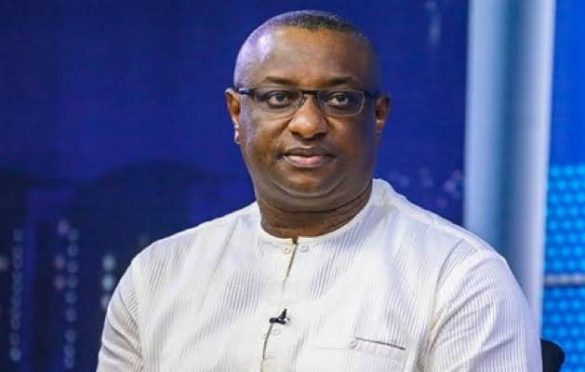
  • Keyamo Condemns Peter Obi’s Benue Blockade, Urges Media to End Partisan Reporting

    Keyamo Condemns Peter Obi’s Benue Blockade, Urges Media to End Partisan Reporting

    Aviation Minister Festus Keyamo urges media to apply consistent standards when reporting political confrontations involving ruling and opposition parties.

    Festus Keyamo, the Minister of Aviation and Aerospace Development, has called on the media to stop partisan reporting and apply consistent standards when covering political confrontations involving candidates and supporters of different political parties.

    Keyamo made the call while condemning the obstruction of the presidential candidate of the Nigeria Democratic Congress (NDC), Peter Obi, who was prevented by protesters from proceeding to Yelwata in Benue State on Tuesday.

    He said the incident should be condemned regardless of whether the protesters were motivated by internal disagreements within the NDC, as claimed by the Benue State Government, or were sponsored by the All Progressives Congress (APC) or another rival party.

    “Whether the protest was as a result of internal squabbles within the NDC (as posited by the Benue State Government) or sponsored by the APC or any other rival party, this should not be part of our democracy,” Keyamo said.

    The minister also rejected arguments that Obi’s planned visit to Yelwata, where killings occurred in 2025, could have been politically motivated, saying that such concerns could not justify preventing him from moving freely.

    “That is still not acceptable; everyone should be allowed to move about freely and play their politics without such crude interference,” he said.

    However, Keyamo said the incident had highlighted what he described as a double standard in the way sections of the media report confrontations involving politicians from different parties.

    “However, there is no better time to draw attention of Nigerians and the world to the spin that the partisan section of the media usually put to such incidents,” he said.

    According to him, confrontations involving APC candidates are sometimes portrayed as evidence of public rejection, while similar incidents involving opposition candidates are described as attacks by sponsored thugs.

    “Many a time when an angry crowd confronts or molests an APC candidate at any level, the partisan Press shamelessly dubs or spins it as ‘rejection’ by ‘Nigerians’. When it concerns the opposition, then it is ‘attack’ by ‘sponsored thugs’ or ‘hoodlums’,” Keyamo said.

    “Just check most headlines today.”

    Keyamo further criticised what he described as the failure of some media organisations to challenge statements by opposition politicians that APC candidates could face violence when campaigning in certain parts of the country.

    “In fact, many opposition leaders openly boasts that the APC candidates cannot go to some parts of this country and shout ‘APC!’ without being ‘stoned’, ‘beaten’ or molested, yet the partisan Press do not call out such leaders and even help to accentuate such statements,” he said.

    He urged the media to abandon partisan approaches and apply the same standards to all political parties and candidates.

    “What is good for the goose is also good for the gander. The Press must extricate itself from such partisanship and be fair to all,” Keyamo said.

    The minister also urged Nigerians to channel their opposition to political candidates through the electoral process rather than violence during campaigns.

    “Whoever is angry at any candidate of any political party should display the anger with the ballot paper on voting day by a simple thumbprint, not by violent acts during campaigns,” he said. Arise News

  • Reps Probe NNPCL, Oil Firms Over N432bn NMDPRA Debt

    The House of Representatives Public Accounts Committee has opened an investigation into outstanding regulatory debts owed to the Nigerian Midstream and Downstream Petroleum Regulatory Authority by the Nigerian National Petroleum Company Limited and oil companies, with liabilities under review put at ₦432.07bn.

    The investigation followed findings in the Auditor-General’s annual audit reports on unpaid petroleum-related obligations accruing to the regulatory authority.

    The Auditor-General’s 2023 Annual Audit Report put the combined indebtedness of NNPCL and oil companies at ₦392.73bn.

    Of the amount, NNPCL accounted for ₦162.46bn, while oil companies operating under the Depot and Petroleum Products Marketers Association of Nigeria, Major Marketers Association of Nigeria and Major Energy Marketers Association of Nigeria owed ₦230.27bn.

    The liabilities were linked to Balancing Allowance, National Transport Average, the one per cent Midstream and Downstream Gas Infrastructure Fund, as well as legacy obligations arising from importation, coastal and credit transactions.

    The Auditor-General’s 2024 report subsequently placed outstanding indebtedness at ₦432.07bn, excluding liabilities attributed to NNPCL.

    Further submissions by the NMDPRA to the committee showed that 146 oil companies operating under DAPPMAN, MEMAN and MOMAN owed the authority ₦327.53bn as of 2025.

    The committee said the outstanding obligations covered several years, with some dating back to 2017, raising concerns over the effectiveness of the mechanisms used by the regulatory authority to assess, collect and recover the funds.

    In a statement issued on Wednesday, the Chairman of the committee, Bamidele Salam, said the probe was aimed at establishing the facts behind the outstanding liabilities and ensuring that all government revenue due from the affected entities was accounted for and recovered.

    He warned companies and institutions summoned by the committee against failing to appear with the appropriate representatives and relevant records.

    “Any company invited by this committee must respect the people’s parliament of the Federal Republic of Nigeria by honouring the summons with appropriate representation and all relevant documents. We are not here to witch-hunt anybody; our responsibility is to establish the facts, protect public revenue and ensure that every naira due to government is properly accounted for,” Salam said.

    The committee is expected to examine the basis on which the debts were assessed, the periods covered, payments made by the affected companies, outstanding balances and actions taken by the NMDPRA to recover the funds.

    It will also seek explanations on “why liabilities accumulated over a number of years remained outstanding and whether enforcement measures were deployed against defaulting companies.”

    The probe comes amid heightened scrutiny of revenue generation, collection and remittance in Nigeria’s petroleum industry following the implementation of the Petroleum Industry Act, which overhauled the legal and regulatory framework governing the sector.

    The NMDPRA was established under the PIA to regulate Nigeria’s midstream and downstream petroleum operations. Its responsibilities include the regulation of petroleum product processing, transportation and distribution, domestic gas operations, infrastructure and other activities within the midstream and downstream segments.

    The committee said its inquiry was part of the National Assembly’s constitutional oversight responsibility and was not intended to target any particular company or institution.

    Salam said the lawmakers would require the affected entities and the regulatory authority to account for the outstanding obligations and submit the documentation necessary to determine how the debts arose, what had been recovered and what remained unpaid.

    The committee reaffirmed that it would use its oversight powers to ensure that public revenue was properly accounted for and that agencies responsible for collection took effective steps to recover outstanding liabilities. Punch

  • 49.7kg Heroin: NDLEA Arrest Drug Kingpin After Two Years on the Run 

    49.7kg Heroin: NDLEA Arrest Drug Kingpin After Two Years on the Run 

    The National Drug Law Enforcement Agency (NDLEA) has arrested and repatriated Festus Ibewuike, alias Chidibest Ibewuike, a suspected drug kingpin who had been on the run for more than two years following the seizure of 49.7 kilogrammes of heroin at the Murtala Muhammed International Airport (MMIA), Lagos.

    Ibewuike, 52, was arrested at the airport in Cotonou, Benin Republic, on September 2, 2026, following actionable intelligence and coordinated efforts between the NDLEA and INTERPOL authorities in Nigeria and Benin.

    He was subsequently handed over to NDLEA operatives deployed in Cotonou on September 4 and brought back to Nigeria to face prosecution over his alleged role in the trafficking syndicate behind what the agency described as the largest single heroin consignment ever intercepted at the Lagos airport.

    The suspect had reportedly relocated to Mozambique, where he operated a hotel business allegedly used as a cover, while making efforts to evade Nigerian law enforcement by moving between Mozambique and Nigeria through neighbouring Benin Republic.

    His arrest followed a 12-day operation by operatives of the NDLEA MMIA Strategic Command in February 2024, during which 49.70kg of heroin was intercepted at the airport’s cargo terminal.

    The spokesman of the NDLEA, Femi Babafemi, in a statement on Wednesday, said the drugs were concealed in cartons containing metal-cutting machines and marked with the code ‘ND’.

    Investigations subsequently linked the parcels to Ibewuike, who allegedly operated through members of a wider trafficking network.

    The operation led to the arrest of several members of the syndicate, including his wife, Confidence Ndidiamaka Ibewuike, who investigators said routinely received drug-laden consignments on his behalf.

    He said the agency also secured the freezing of 107 bank accounts and forfeiture of properties allegedly connected to the cartel.

    He revealed that the suspects were charged before Justice Ambrose Lewis-Allagoa of the Federal High Court, Ikoyi, Lagos, in charge number FHC/L/205C/2024.

    He said the suspects — Adinnu Felix Chinedu, Osita Emmanuel Obinna and Uzochukwu Frankline — have so far been convicted and sentenced by the court.

    He further noted others — Chidiebere Peter, Ibewuike Ndidiamaka and Igbokwuputa Onyinye — are still standing trial, while Ibewuike Festus, Osita Chidozie Cyril and another suspect identified as Arinze were charged in absentia.

    Following his repatriation, Ibewuike reportedly confirmed his identity during preliminary interviews and disclosed that he had changed his name from Chidibest Ibewuike to Festus Ibewuike.

    On September 5, he was taken to the NDLEA Central Exhibit Store in Ikoyi, Lagos, where he formally identified the heroin parcels bearing the ‘ND’ code, which the agency said had been established as being linked to him.

    Further investigation also uncovered his alleged connection to an earlier drug case involving the seizure of 40.255kg of methamphetamine.

    The earlier case was prosecuted before the Federal High Court, Lagos, under Justice Hadiza Rabiu Shagari in charge number FHC/L/203C/2013. One Chidi Ihedioha, who was prosecuted in connection with the case, was convicted by the court in 2023.

    Reacting to the latest development, the Chairman and Chief Executive Officer of the NDLEA, Brig. Gen. Buba Marwa (rtd), described Ibewuike’s arrest as a major breakthrough in the agency’s campaign against fleeing drug kingpins.

    Marwa warned drug traffickers who flee the country to escape prosecution that international borders would not shield them from justice.

    “This arrest is a major breakthrough in our resolve to track down and bring to justice every drug baron who thinks that fleeing Nigeria’s shores puts them beyond the reach of the law,” he said.

    He added: “As I have always vowed, the long arm of the NDLEA will catch up with anyone involved in this illicit trade, no matter how long it takes or how far they run.”

    According to him, Ibewuike’s more than two-year flight, including his alleged change of identity and relocation abroad, had not prevented the agency from tracking him down.

    “This should serve as a fresh warning to fleeing suspects still at large: the Agency will not relent until everyone of you is brought to book,” Marwa said.

    The NDLEA chairman commended the multinational cooperation that facilitated the arrest and transfer, particularly the Nigerian and Beninese INTERPOL National Central Bureaus, for their role in ensuring the smooth handover of the suspect.

    The agency said the development further demonstrated its determination to pursue suspected drug traffickers beyond Nigeria’s borders and ensure that fleeing suspects are eventually brought before the law. This Day