Category: News

This is an optional category description

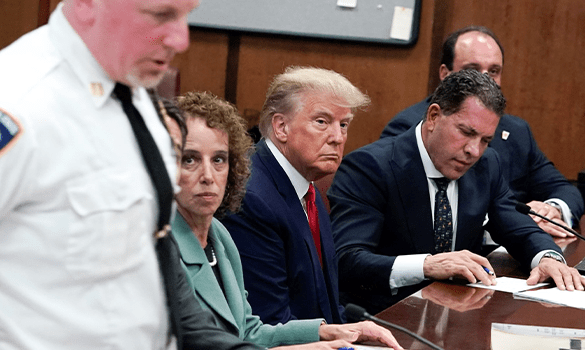
  • Trump gets no jail time or penalties in sentence for hush money conviction

    Trump gets no jail time or penalties in sentence for hush money conviction

    Judge Juan Merchan has sentenced Donald Trump to unconditional discharge.

    “The only lawful sentence that permits entry of a judgment or conviction without encroaching upon the highest office of the land is an unconditional discharge,” Merchan told Trump.

    The sentencing, which was expected, means Trump will remain a felon but faces no jail time, penalties or probation for his conviction in the hush money case.

    Trump did not react as Merchan concluded the hearing.

    Judge Juan Merchan says he need not repeat the aggravating factors that he has already articulated in his recent orders.

    “However the considerable, indeed extraordinary, legal protections afforded the office of the chief executive is a factor that overrides all others,” he says.

    “They do not reduce the seriousness of the crime or justify its commission in any way,” Merchan says of the legal protections for the office of the presidency.

    Merchan noted that voters ultimately decided to bestow Trump the protections of the office once again.

    “Ordinary citizens do not receive those legal protections. It is the office of the president that bestows those to the office holder. It is the citizenry of this nation that recently decided that you should once again receive the benefits of those protections,” he says.

    Judge Juan Merchan is speaking to Donald Trump and is noting that it’s the office of the presidency that is extraordinary, not the occupant of the office.

    “It is the legal protections afforded to the office of the president of the United States that are extraordinary, not the occupant of the office,” he said.

    Merchan says that once the courtroom doors closed, the trial was not different from any other in the courthouse.

    Judge Juan Merchan says, “never before has this court been presented with such a unique and remarkable set of circumstance.”

    “This has been a truly extraordinary case,” he adds.

    Donald Trump insisted he is innocent at his sentencing hearing this morning. “The fact is I’m totally innocent. I did nothing wrong,” he says.

    “It’s been a political witch hunt, it was done to damage my reputation,” President-elect Donald Trump says.

    Todd Blanche, an attorney for President-elect Donald Trump, says the legal team intends to appeal the verdict.

    “A lot of what the government just said presupposes that this case is legally appropriate,” Blanche said following prosecutor Joshua Steinglass’s comments in court. Blache noted that Trump’s lawyers intend to appeal the verdict.

    “A majority of the American people also agree that this case should not have been brought,” Blanche added. CNN

  • Full Speech of Former Liberian Vice President, Jewel Howard-Taylor at the 4th Frontier Discourse Public Lecture

    Full Speech of Former Liberian Vice President, Jewel Howard-Taylor at the 4th Frontier Discourse Public Lecture

    Topic: Beyond Borders: Shared Pressures and the Politics of Reforms in African States

    Excellencies,
    Esteem Guests,
    Honored Participants,
    Distinguished Ladies and Gentlemen,
    All other Protocols duly observed.

    I am humbled to have been selected to be the 2024 Keynote Speaker for the 4th Frontier Discourse ; an annual public lecture series; especially considering the many others across our continent; who could have been chosen.

    I am grateful to the Chairman of the Pacesetter Frontier Magazine Onochie Jon-Igwesi and a few other very good friends of mine (whose names I will withhold for expediency) for granting me, this one in a lifetime continental opportunity.

    Please allow me to take a minute of your time, to offer PRAISE and THANKSGIVING to YAHWEH, the MOST HIGH GOD; for his love, favor and mercies bestowed upon me for over 61 years. I acknowledge that I am a mere human; and that the story of my life is only so because HE continues to lift me. May HE continue to do so as long as I live, in Jesus Name. Amen.

    Excellencies, Special Guests, Honored Participants, Distinguished Ladies and Gentlemen; I have been asked to speak about a topic that lies at the heart of not only – “Africa’s collective future”, but at “the heart of each African”; especially our youths. This topic is even more critical in this dispensation as we look across our one world, and realize our interconnectedness as viewed by each human across the nations. For what we see, long for and deeply desire for our world are pictures showing the greatness of others; which can be accessed and shared with others at the touch of a button from any corner of the world.

    The reality is that by the high standards set by so called western nations for their people; when we look around our neck of the woods the reality is that we are indeed very far behind.

    Despite this harsh reality, I am happy that the Holy Bible gives us a leeway.
    It states in Ecclesiastes chapter 3 verse 11 that:

    God has made everything beautiful in its time.
    God has also set eternity in the human heart .

    Meaning that there are times and seasons, which one can take advantage of to become better; and that each of us has within us, an inner setting , that convinces one; that though I may be far behind; I am able to catch up and be like the rest.

    This inner setting ensures that the feelings of despair and hopelessness when they come, are most often only fleeting. And thankfully one is able to REFLECT, RESET, REFOCUS, READJUST and RESTART as many times as is needed in order to continue to march forward.

    I am of the belief, and hope you will agree with me that this ability has been shown to be the greatest in Africans. The English word used for this ability is called TENACITY. But time would not allow me to speak of the glorious histories of our ancestors who persevered, fought, died and never give up – in the most difficult of times; as they set their minds on FREEDOM FROM AGGRESSIONS AT HOME OR ABROAD.

    But let us keep in mind, that though we have the most tenacious spirits; we are also aware that each generation has a set period in which to make the impact necessary to transform our world for the better.

    This reminder is stated in an African proverb that:

    “WE DO NOT INHERIT THE EARTH FROM OUR ANCESTORS, WE BORROW IT FROM OUR CHILDREN.”

    And once this proverbs sinks in one’s heart; we are collectively bound to do whatever is necessary to FIX OUR BROKEN WORLD, not only for ourselves but for posterity.

    Excellencies, Special Guests, Honored Participants, Distinguished Ladies and Gentlemen, having laid the premise for this discussion, our topic for today is:
    “Beyond Borders: Shared Pressures and the Politics of Reforms in African States.”

    At first glance, in consideration of the extensive sphere of this topic, permit me to quickly state that this conversation is not merely about borders, or shared pressures and politics; todays discussion seeks to take a look at our shared humanity; the many challenges we face; options, ways and means to tackle same and the possibilities and impact our collective decisions have in ensuring that our actions will create the developed, prosperous and equitable Africa we want.

    UNDERSTANDING THE CONTEXT:

    Unlike many other nations, Africa is an entire continent made of many varying dimensions, yet usually considered as one unit; though this concept has its advantages and disadvantages.

    But according to the most recent United Nations Worldometer Report;
    Africa is the world’s second largest and second most populous continent.
    Africa is made up of 54 separate, yet interconnected nations; with different histories; languages; linages, political systems of Governance; levels of development,
    cultures; and to further exacerbate this complex mosaic it will have the fastest
    growing youth population in world.

    As we are aware, Africa’s heritage, is as varied as its landscape; and is a continent rich in diversity, development, human and natural resources across its 30.37 million square kilometers or 11.7 million square miles; enough to fit in the United States,China, India, Japan, Mexico and many European nations.

    However, regardless of this complex matrix which constitutes the African Continent; because of its inter connectedness – a glaring fact remains constant -which is that everything that affects one part of the Continent affects the rest; and can be seemingly viewed as a 2 sided coin –

    WHERE on the one hand, some of its amazing benefits include large amounts of yet untapped human and natural resources; is the world’s largest free trade area; holds one of the most diverse ecosystems and is the single largest regional voting group;

    WHILST on the other hand the shared challenges include Economic, Environmental and Social inequalities; internal crisis, inequalities, corruption, youth uprisings and Political instability which transcend borders.

    It is thus simple to see that – Beyond the borders which divide yet hold us captive, the only way forward is a coordinated and collaborative approach to continental challenges of dependency, corruption, low opportunities for growth and development, low levels of technological advances, environmental challenges, high levels of natural disasters , political instability, negative colonial legacies, underdevelopment, large youth population, gender inequalities, inadequate infrastructure, lack of innovative and appropriate productive sectors and bad governance amongst others.

    Excellencies, Special Guests, Honored Participants, Distinguished Ladies and Gentlemen; permit me to commence discussion of the main topic under discussion.

    ISSUE I : Whether or not Colonial Borders were intentionally created as they were, to ensure that Africa would be forever incapacitated by issues arising from the shared pressures of its altered socio, economic and political landscape?

    Before we delve into this Issue- please take a moment to see a visual imprint of what the African Continent looked like before colonization; from Henry Miller’s depiction, as stated in Africa Maps and Infographics from 1880.

    In taking a look at this map, I hope you will agree with me; that it showcases peoples of varying African Kingdoms, Caliphates, Sultanates and Empires; living side by side as per their cultural, tribal, religious and linguistic depictions; with each operating successfully under agreed upon terms and conditions; having existed for centuries before colonizers stepped on our land.

    The landscape shows, well-established, yet complex political systems and economies based on clear systems of governance, extensive trade routes, economical viable and varied agriculture, and skilled craftsmanship amongst others.

    For our forefathers, our Land was viewed as sacred inheritance which must be honored and preserved throughout generations. Hence their usage of same, was tied to time tested spiritual beliefs that sacred sites, rituals, and practices were necessary to their health and wellbeing.

    Overall, the African landscape before colonization was a mosaic of ecological richness and cultural diversity, shaped by the interactions of its people with the environment and with each other; a condition which existed for thousands of years before colonization.

    I am a firm believer that as a result of the cooperativeness of these interchanges; Africa indeed developed to become the cradle of civilization. This is verified by the histories of great African kingdoms. For example, notable amongst them the Malian Empire, which produced the richest man in African History in an area about the size of Europe; the Ethiopian Empire which was the only African state to defeat a European colonial power; and last but not the least my favorite, the Dahomey Empire, whose female warriors were so fierce that they defeated many.

    Let’s take a look at the map of Africa after colonialism drawn in 1913; showing a different visual imprint of what the African Continent looked like after colonization; as stated in Africa Maps and Infographics from 1913; by a photo taken by davidjl123/500

    ANSWER: My opinion of Whether or not Colonial Borders were intentionally created as they were, to ensure that Africa would be forever incapacitated by issues arising from the shared pressures of its altered socio, economic and political landscape; IS YES.

    DISCUSSION: Here is a synopsis of some of the changes and challenges that resulted:

    1. Geopolitical Redrawing: Colonial powers arbitrarily divided African territories, often without regard for existing ethnic, cultural, or social boundaries. This led to the establishment of new nations and borders, which frequently ignored historical tribal territories and communities, resulting in ongoing conflicts.

    2. Economic Exploitation: Colonial regimes focused on extraction of resources for the benefit of the colonizers. This included mining minerals, establishing plantations for cash crops (like cotton, rubber, and coffee), and exporting wildlife. Local economies were often undermined and traditional agricultural practices were replaced by mono-cropping systems that favored colonial interests and destroyed the environment.

    3. Infrastructure Development: While colonialism did lead to the construction of infrastructure such as railroads, roads, and ports to facilitate resource extraction, these developments were primarily designed to benefit colonial economies rather than to serve the local populations.

    4. Environmental Changes: Deforestation, land degradation, and changes in land use patterns occurred as a result of colonial farming practices and urbanization. Natural habitats were often destroyed to make way for agricultural fields and urban development, leading to a decline in biodiversity.

    5. Urbanization and Migration: Colonialism spurred urbanization as people migrated to cities in search of work. Urban areas rapidly grew, often with inadequate planning, leading to overcrowded conditions and the emergence of informal settlements.

    6. Cultural Disruption: Colonial policies often marginalized indigenous cultures and languages, with education and governance imposed in the colonizers’ languages. Traditional practices and social structures were disrupted, leading to a loss of cultural heritage for many communities.

    7. Resistance and Reformation: The aftermath of colonialism saw various movements for independence and self-determination, leading to significant political changes. Many countries fought for and eventually gained independence in the mid-20th century, which also initiated a process of rebuilding and addressing the legacies of colonialism.

    8. Political Instability: Many African nations inherited weak political institutions after independence, largely due to colonial administrations that prioritized resource extraction over building stable governance structures. This has fostered political instability, coups, and authoritarian regimes, hindering democratic development and governance.

    9. Economic Dependency: The colonial focus on resource extraction created economies dependent on a narrow range of commodities, making them vulnerable to market fluctuations. This dependency on exports has made it challenging for many African countries to diversify their economies and achieve sustainable growth.

    10. Infrastructural Imbalances: Colonial investments in infrastructure were typically concentrated around resource extraction routes, leading to urban-centric development and neglect of rural areas. This imbalance has resulted in inadequate access to services like healthcare, education, and transportation for many communities

    11. Infrastructural Imbalances: Colonial investments in infrastructure were typically concentrated around resource extraction routes, leading to urban-centric development and neglect of rural areas. This imbalance has resulted in inadequate access to services like healthcare, education, and transportation for many communities.

    12. Underdeveloped Human Capital: Colonial education systems often favored the colonizers’ cultures and languages while neglecting local needs. This has resulted in a shortage of skilled professionals and perpetuated educational disparities, affecting human development and economic growth.

    13. Land Dispossession and Inequality: During colonial rule, vast areas of land were confiscated from indigenous peoples for agricultural purposes, leading to entrenched land inequalities. These issues persist today, with land ownership often concentrated among a small elite, complicating efforts for equitable land reform.

    14. Cultural Loss and Identity Crisis: The imposition of foreign cultural values and systems eroded many indigenous practices, languages, and identities. This cultural loss has contributed to ongoing struggles for cultural preservation and the reassertion of indigenous identities.

    15. Legacy of Conflict: Many nations face ongoing conflicts fueled by colonial-era grievances, including competition for resources and power. These conflicts have been exacerbated by the legacy of colonial rule that pitted groups against each other and created systems of inequity.

    16. Global Marginalization: The history of colonialism has placed African nations in a position of historical disadvantage on the global stage. This marginalization continues to affect Africa’s ability to engage meaningfully in international trade, diplomacy, and economic partnerships.

    In summary, the colonial legacies fostered many other negatives; including a sense of inferiority amongst many Africans, leading to identity crisis and psychological issues which persist till today. Hence the resulting results of the border demarcation left multifaceted effects on the economic, social, cultural and political spheres of nations which continue to shape the continent’s challenges until today.

    ISSUE 2: HOW DOES THE ECONOMIC, POLITICAL, SOCIAL, ENVIRONMENTAL AND GLOBAL PRESSURES AFFECT THE CONTINENT?

    As I pondered this issue, I sought for a depiction which would give us a glimpse of what this would look like. I hope you like what I choose.

    Conceptualized by Richard van Der Spey/ Dreamstime.com /ID 183052059

    This depiction illustrates a continent under intense pressure, held tightly in the grip of a red clamp, isolated on a clear background, with the screw being held by an invisible person, thing or system.

    ANSWER: Some of the PRESSURES which affect the Continent are :

    1. Economic Pressures:
    Though the Continent has huge amounts of natural and Human Resources, many African economies depend heavily on a narrow range of commodities that are traded in their raw state (e.g., oil, minerals, agricultural products), making them vulnerable to global market fluctuations. As a result, economic growth in most regions does not evenly translate into improvements in living standards, leading to widespread poverty and limited access to opportunities.

    2. Political Pressures:
    The shared borders of African countries are often influenced by a variety of political pressures that contribute to tensions, conflicts, and lack of cooperation among nations. Some of the key political pressures affecting these borders include; ethnic and national identity; resource competition; territorial disputes; insecurities; refugee crisis; illegal border activities; governance challenges amongst others.

    3. Social Pressures:
    Social pressures affecting the shared borders of African countries are varied and can lead to tensions as well as provide opportunities for cooperation. Here are some of the key social pressures that influence border dynamics are ethnic and cultural diversity, migration and displacement, colonial history, tradition vs modernity,social identity and nationalism, health crisis and epidemics. These social pressures illustrate the complex landscape of shared borders in Africa, where local histories, identities, and economies intersect with national policies and international relations.

    4. Environmental Pressures:
    Environmental pressures affecting the shared borders of African countries have significant impact on the entire socio-economic sphere of nations. These pressures can lead to resource conflicts, ecosystem degradation and challenges to the livelihoods of communities. Some of the key environmental pressures that impact Africa’s shared borders are resource scarcity, climate change, deforestation and land degradation, biodiversity loss, cross border resource management, pollution, climate induced migration and disaster vulnerability amongst others.

    5. Global Pressures:
    Global pressures are at an even greater level, and drastically influences the shared borders of African countries, impacting socio- economic dynamics, security, and environmental management. Because of the extensive impact global pressure have, there is a need to delve a bit into some of the ways it manifest, are as follows:

    a. Economic Globalization: Increased trade, investment, and economic activity driven by globalization can affect local economies along borders. While it can create opportunities for cross-border trade and partnerships, it can also lead to imbalances, dependence on foreign markets, and exploitation of local resources.

    b. International Trade Agreements: Agreements between countries and regional organizations (e.g., African Continental Free Trade Area) can facilitate trade across borders. However, they may also exacerbate inequalities between member states, affecting smaller economies and potentially leading to local resentment or conflict.

    c. Foreign Investment and Resource Extraction: Global demand for natural resources can lead to significant foreign investment in border regions. This can result in environmental degradation and social displacement if local communities do not benefit equitably from resource extraction.

    d. Migration and Refugee Flows: Global conflicts, economic crises, and climate change can prompt mass migrations to neighboring countries. This creates pressures on social services, resources, and local communities, often leading to tensions or xenophobia.

    e. Health Crises and Global Pandemics: Global health issues, such as the COVID-19 pandemic, can have profound effects on border dynamics, impacting trade, movement of people, and health resources. Countries may impose stricter border controls, which can disrupt local economies and social cohesion.

    f. Climate Change: Global climate change affects African borders through altered weather patterns, increased severity of droughts, and flooding. The impact of climate change can lead to resource scarcity, prompting migration and conflict over shared resources.

    g. Global Environmental Agreements: International treaties aimed at addressing environmental issues (e.g., biodiversity, pollution) can pressure countries to cooperate on border management. These agreements can facilitate cross-border conservation efforts and promote sustainable practices but may also challenge local customs and livelihoods.

    h. Transnational Crime and Security Threats: Global pressures related to drug trafficking, arms smuggling, and terrorism can destabilize border areas. International cooperation is often needed to address these security challenges while balancing national sovereignty and local community needs.

    i. Cultural Exchange and Influence**: Global cultural flows (including media, education, and technology) can shape identities and social dynamics along borders. While this can foster cross-border connections, it can also lead to tensions related to cultural preservation and identity.

    j. Human Rights and Advocacy: Global movements advocating for human rights can pressure governments to address injustices, which may influence border policies. However, these pressures can also evoke backlash from governments resistant to perceived external influence.

    k. Debt and Development Aid: Global financial institutions often shape economic policies in African nations through loans and aid. The conditions attached to these financial agreements can influence local governance and resource allocation, impacting border development projects.

    l. Technological Advancements: Global technology trends influence communication, commerce, and border management. This can improve efficiency in trade and security but also raise concerns over privacy, data protection, and accessibility for local communities.

    ISSUE 3: WHAT ARE THE EFFECTS OF POLITICS ON REFORMS?

    Struggle with a peace dove holding an olive branch and a war hawk pulling barbed wire in a fight for the future of humanity and human rights or freedom with 3D illustration elements. (82 matches)

    ANSWER: Politics plays a critical role in shaping reforms within any society, including economic, social, and governance reforms. The effects of politics on reforms can be seen through several key dimensions:
    1. Policy Formulation and Agenda Setting: Political leaders and parties often set the agenda for reforms based on their ideologies, interests, and electoral promises. The priorities of those in power greatly influence which reforms are pursued and how they are structured.

    2. Institutional Framework: The political institutions in place, such as legislatures, government structures, and electoral systems, determine the feasibility and design of reforms. Strong institutions can facilitate the implementation of effective reforms, while weak institutions may hinder or obstruct them.

    3. Political Will: The commitment of political leaders to support and push for reforms is crucial. Lack of political will can hinder the adoption of necessary changes, while strong leadership can mobilize resources and public support for reforms.

    4. Interest Groups and Lobbying: Various stakeholders, including business groups, civil society organizations, and grassroots movements, can exert influence on the reform process. Their capacity to lobby for or against certain reforms shapes the political climate and can lead to modifications based on competing interests.

    5. Public Opinion and Civil Society: The level of public support or opposition can significantly impact reforms. Politicians are often sensitive to public sentiment, especially in democratic systems. Active civil society can drive reforms by advocating for change and holding politicians accountable.

    6. Economic Context: Political decisions are often influenced by the broader economic context. Economic crises, growth, and inequality issues can push governments to implement reforms that might not have been considered in stable times. Conversely, strong economic performance may reduce the urgency for reform.

    7. Global Influences: International organizations, foreign governments, and global economic conditions can impact national reform agendas. Political leaders may adopt reforms to align with global standards or access foreign aid and investment.

    8. Resistance and Opposition: Political realities may lead to resistance from entrenched interests, political rivals, or segments of the population who fear the changes reforms may bring. This opposition can complicate the reform process and necessitate negotiation and compromise.

    9. Stability and Conflict: In politically unstable environments, reforms may either be impossible to implement or may lead to greater conflict. Political stability enables the government to pursue sweeping reforms, whereas instability can derail such initiatives.

    10. Accountability and Governance: Ultimately, the political environment determines how accountable leaders are to their citizens. Good governance, characterized by transparency, rule of law, and citizen engagement, enhances the effectiveness of reforms. In contrast, corruption and lack of accountability can impede reform efforts.

    ANSWER: In summary, politics significantly affects the formulation, implementation, and sustainability of reforms. The interplay between political will, institutional capacity, public opinion, and external influences shapes how reforms are designed and how successful they are in achieving their intended goals. Understanding this relationship is essential for analyzing any reform process, particularly in contexts characterized by complexity and change.

    ISSUE 4: WHAT ARE THE KEY AREAS OF REFORMS NEEDED IN AFRICAN STATES?

    Stock Illustration ID: 1725353902
    Politics and destruction of health and life – symbolized by word Politics and a hammer to show negative aspect of Politics

    Reform refers to the improvement, amendment or correction of what is considered wrong, corrupt or unsatisfactory. This idea originated during the colonial era, as Africans began to see the damaging effects of colonialism on their present and future . Making up their minds that they would do all within their powers to throw off the vestiges of colonialism from their back. As they sought FREEDOM, they began to consider alternative policies which they hoped would most likely perform better after the colonial era.

    But we know that things are easier said than done; and it was quickly realized that The politics of reforms needed by African states involve a comprehensive approach to addressing, socio-economic, political, and environmental challenges while promoting stability and development.
    Some of the key areas where reforms are essential are:

    a. Governance and Political Accountability: Strengthening democratic institutions is critical. Reforms should focus on enhancing transparency, accountability, and public participation in governance. This includes electoral reforms to ensure fair elections, anti-corruption measures, and the establishment of independent judiciary systems to uphold the rule of law.

    b. Decentralization of Power: Decentralizing governance can empower local communities, improve service delivery, and enhance accountability. Administrations should devolve authority and resources to regional and local governments, enabling them to address specific needs effectively.

    c. Economic Diversification and Development: Many African economies are heavily reliant on a narrow range of commodities. Reforms should promote economic diversification by investing in local industries, agriculture, and technology to create resilient and sustainable economies that reduce dependence on external markets.

    d. Social Inclusion and Equality: Addressing inequalities, particularly among marginalized groups (including women, youth, and ethnic minorities), is crucial for social cohesion. Reforms should focus on equal access to education, healthcare, and economic opportunities, fostering an inclusive society that empowers all citizens.

    e. Conflict Resolution and Peacebuilding: Given the history of conflicts in many African nations, reforms aimed at conflict resolution and peacebuilding are critical. This includes promoting dialogue, reconciliation efforts, and developing mechanisms for addressing grievances among communities and ethnic groups.

    f. Environmental Sustainability: As environmental pressures intensify, reforms targeting sustainable resource management are vital. Policies should promote conservation, combat climate change, and ensure equitable access to natural resources. Investment in renewable energy should also be prioritized to diversify energy sources.

    g. Infrastructure Development: Improving infrastructure—transportation, communication, and energy—is essential for economic development. Investments should focus on enhancing cross-border connectivity, fostering regional integration, and facilitating trade between neighboring countries.

    h. Health and Education Systems: Strengthening health and education systems is essential for human development. Reforms should aim to improve healthcare access, increase funding for education, and enhance the quality of services provided to communities.

    i. Youth Empowerment and Employment: With a significant youth population, reforms should emphasize job creation, vocational training, and entrepreneurship programs. Engaging young people in decision-making processes fosters a sense of ownership and contributes to stability.

    j. Regional Cooperation and Integration: Encouraging collaboration between neighboring states can help address shared challenges, such as security threats, resource management, and trade barriers. Strengthening regional organizations and frameworks can facilitate collective action on pressing issues.

    k. Digital Transformation: Promoting digital literacy and access to technology can enhance governance and economic opportunities. Digital reforms should include the establishment of e-governance platforms and innovative solutions to improve public service delivery.

    l. Crisis Management Frameworks: Enhancing resilience to crises (be they health, economic, or environmental) through establishing robust crisis management frameworks can better prepare nations for emergencies and reduce vulnerability.

    J. Exercising Political Will : As we have seen across the continent, political will being implored at the highest levels is essential for securing the resources for sustained and genuine changes; as their actions will produce a desired outcome.

    ISSUE 5 : HOW DOES THE POLITICS ACROSS AFRICA AFFECT ITS DEVELOPMENT AND PROGRESS?
    By shaping economic growth, social cohesion, governance structures, and international relations. Here are some key aspects of how political dynamics influence development:

    a. Governance and Stability: Political stability is a fundamental factor for development. Countries with stable governance and effective political institutions are more likely to attract investments, foster economic growth, and maintain social order. Conversely, political instability, conflict, and corruption can deter investment, disrupt economic activities, and undermine development efforts.

    b. Corruption and Accountability: Corruption remains a significant challenge across many African states. Political elites engaging in corrupt practices can divert resources away from essential services such as healthcare and education, hindering development. Promoting transparency and accountability within governance structures is crucial for ensuring that resources are effectively utilized for development.

    c. Policy Frameworks: The political landscape shapes policy decisions that impact economic and social development. Government policies regarding trade, foreign direct investment, infrastructure development, and social welfare programs play a critical role in shaping the economic environment and development outcomes.

    d. Inclusivity and Representation: The extent to which governments represent diverse communities impacts social cohesion and progress. Inclusive governance that accommodates ethnic, gender, and regional diversity can enhance social stability and foster an environment conducive to development. Marginalized groups that lack political representation may face discrimination and limited access to resources and opportunities.

    e. Conflict and Peace-building: Political conflicts and civil wars can have devastating effects on development, leading to displacement, loss of infrastructure, and disruption of economic activities. Conversely, effective peacebuilding initiatives and conflict resolution can create conditions for recovery and sustainable development.

    f. Regional Integration: The political relationships between African countries can facilitate or hinder regional integration, affecting trade, investment, and collaboration on transnational issues. Regional organizations (like the African Union and various Regional Economic Communities) can promote cooperation, leading to better resource management and shared development goals.

    g. International Relations and Aid: The politics of African countries influence their relationships with international powers and organizations. Favorable diplomatic relations can lead to increased foreign aid, trade partnerships, and investment opportunities, while strained relations can limit access to external resources necessary for development.

    h. Human Rights and Social Justice: Political contexts that prioritize human rights and social justice contribute to equitable development. Governments that protect citizens’ rights, promote education, and implement social policies to reduce inequality foster long-term progress. In contrast, authoritarian regimes may suppress dissent and overlook critical social issues, undermining development.

    i. Public Engagement and Participation: Political systems that encourage public participation in decision-making processes can enhance accountability and responsiveness to citizens’ needs. Engaged communities are more likely to influence policies that reflect their interests and contribute to local development initiatives.

    j. Adaptability to Global Changes: The ability of political leaders to adapt to global challenges— such as climate change, pandemics, and economic shifts—affects a country’s resilience and development prospects. Forward-thinking policies that address these issues can lead to sustainable growth, while inflexibility may result in vulnerability.

    FINAL RECOMMENDATIONS:

    To address the shared pressures affecting Africa and forge a better future, a comprehensive approach involving cooperation, innovation, and sustainable practices is essential. Here are several recommendations for how African nations can navigate these challenges:
    1. Strengthening Regional Cooperation:
    – Enhance Collaboration: Encourage collaboration among nations through regional organizations like the African Union (AU) and Regional Economic Communities (RECs) to address shared challenges such as trade, security, and environmental issues.
    – Promote Peace and Security: Develop frameworks for conflict resolution and peacebuilding to address tensions arising from ethnic conflicts, resource competition, and cross-border issues.

    2. Integrated Resource Management:
    – Sustainable Resource Use: Implement sustainable practices for managing natural resources, including cooperative management of shared water bodies and biodiversity hotspots to ensure equitable access and conservation.
    – Local Participation: Involve local communities in decision-making processes regarding resource management to enhance accountability and sustainability.

    3. Promoting Economic Diversification:
    – **Invest in Local Industries**: Foster policies that promote local industries and agriculture to reduce dependence on commodity exports, thereby building resilient economies.
    – Support Entrepreneurship: Facilitate access to finance, skills training, and market information for small and medium-sized enterprises (SMEs) and young entrepreneurs.

    4. Enhancing Infrastructure Development:
    – Invest in Connectivity: Build and upgrade vital infrastructure—such as transportation, energy, and communication networks—to enhance economic integration and accessibility across borders.
    – Regional Projects: Collaborate on regional infrastructure projects that facilitate trade and reduce barriers to movement, such as cross-border roads, railways, and electricity interconnections.

    5. Addressing Social Inequality:
    – Inclusive Policies: Develop social policies that address inequalities, particularly among marginalized groups, and ensure equal access to education, healthcare, and economic opportunities.
    – Empowering Women and Youth: Promote gender equality and youth empowerment programs to leverage the potential contributions of these groups to development.

    6. Investing in Education and Health:

    – Quality Education: Prioritize investments in education systems to ensure quality learning outcomes, focusing on vocational training that aligns with market needs.

    – Healthcare Access: Strengthen healthcare systems to expand access to essential services, particularly in remote and underserved areas, while focusing on preventive care and public health education.

    7. Leveraging Technology and Innovation:

    – Digital Transformation: Invest in digital infrastructure and promote digital literacy to enhance connectivity, access to information, and the efficiency of public services.

    – Innovative Solutions: Encourage innovation and technological solutions that address local challenges, including agriculture, healthcare, and environmental sustainability.

    8. Promoting Environmental Sustainability:

    – Climate Resilience: Develop and implement climate adaptation and mitigation strategies that empower communities to manage the impacts of climate change effectively.

    – Biodiversity Conservation: Advocate for policies that protect ecosystems and promote the sustainable use of natural resources, including the establishment of protected areas and conservation programs.

    9. Strengthening Governance and Accountability:
    – Reinforce Democratic Institutions: Promote good governance practices by strengthening democratic institutions, ensuring freedom of expression, and protecting human rights.
    – Combat Corruption: Implement anti-corruption measures and transparency initiatives to build trust between governments and citizens while enhancing accountability.

    10. Global Engagement and Partnerships:
    – Forge Strategic Alliances: Build partnerships with international organizations, NGOs, and the private sector to access resources, knowledge, and technical expertise for development initiatives.
    – Engage with Global Markets: Develop strategies to engage with global markets while promoting fair trade and ethical practices to enhance economic opportunities.

    By implementing these recommendations collaboratively and inclusively, African nations can effectively address shared pressures and create a sustainable and prosperous future for their populations. The focus should be on interdependence, mutual benefit, and resilience as key components of progress across the continent.
  • Enugu Governor Signs Land Use Regulation, Executive Order Creating New Urban Areas

    Enugu Governor Signs Land Use Regulation, Executive Order Creating New Urban Areas

    …as revenue Chairman sets revenue target of ₦509 billion for 2025

    In exercise of his powers under the Land Use Act 1978, Governor of Enugu State, Dr. Peter Mbah, on Thursday, signed Land Use Regulation 2025 as well as Executive Order No. 1, 2025, designating some areas in the state as urban areas.

    By the provisions of the Executive Order, entitled “Enugu State Designation of Land as Urban Areas,” the entire Enugu East, Enugu North, and Enugu South Local Government Areas have been designated urban areas.

    Likewise, the entire Udi LGA, Nkanu West LGA, Nkanu East LGA, and Nsukka LGA have been designated as urban areas.

    In the same vein, parts of some LGAs have been designated urban areas. Consequently, Ndeabor Urban Area measuring 10km radius and Oduma Urban Area, measuring 20km radius both in Aninri LGA; Agwu Town measuring 25km radius, Ihe, Agbogugu, Mgbowo, Isu-Awa, Mmaku, Ituku, and Owelli-Court; Aguobuowa and Oghe in Ezeagu LGA; Ogbede, Ukehe, and Aku in Igbo-Etiti; Enugu Ezike in Igbo Eze North LGA; Ibagwa Aka in Igbo Eze South LGA; and Ikem and Eha-Amufu in Isi-Uzo Local Government Area have been so designated

    The Executive Order equally designated urban areas Oji-River, Ugwuoba, and Inyi in Oji-River LGA; Obollo-Afor and Orba in Udenu LGA; Umulokpa and Adani in Uzo-Uwani LGA.

    Meanwhile, speaking at the brief signing ceremony, Mbah said, “I have just a few minutes ago signed a Land Use Rgulation of 2025, and also an Executive Order designating certain locations of the state as urban areas.

    “This is a major milestone that we have just witnessed. This is quite historic. This again is in line with what we witnessed a few weeks ago when we formally launched Enugu State Geographic Information System, ENGIS, a system that is designed to fast-track application for land titles, and indeed other administrative functions relating to land.

    “So, what we have here today is going to bring clarity. As we all know, lack of transparency feeds corruption. This is really a major milestone towards our drive, not just to enhance the revenue of Enugu State, but to ensure ease of doing business where prospective applicants can easily know what their fees are and the timelines that the application will be processed.

    “Therefore, with what we have done here today, there is no more hidden charges when you apply for whatever land transaction, whether it is for search, titles or indeed for whatever transactions you want to carry out relating to land in Enugu State.

    “It is also going to end the era of double allocations, land grabbing, and all sorts of confusion that may have existed before now in our land management system. They have now come to an end with the signing of this regulation.

    “We have also expanded areas that before now we have designated as rural areas. That means effectively that those living in those locations are now able to come forward and apply for their title document and they will be able to obtain their Certificate of Occupancy for the property and assets they have there. Again, this brings further clarity to our land management system.”

    While commending his team for the good job done, the governor promised that there would be adequate public enlightenment on the processes of land transactions under the new Order, Land Use Regulation, and the Enugu Geographic Information Service.

    “This regulation clearly spells out the number of days it will require for any application, whether you are conducting your search or indeed applying to obtain your title document. The number, the timelines, your fees are spelt out. So, there is absolutely no confusion. So, I thank you all for all your efforts,” he concluded.

    Enugu Revenue Agency Chairman Commends Ndi Enugu for Tax Compliance

    The Executive Chairman of the Enugu State Internal Revenue Service (ESiRS), Emmanuel Ekene Nnamani, has lauded the people of the state for their exemplary tax compliance in 2024, attributing the state’s developmental strides to this fruitful partnership. Speaking during a Holy Mass to start the new work year, held at the ESIRS headquarters on Tuesday, January 7, Nnamani emphasized the importance of continued collaboration between the government and the citizens to achieve even greater milestones in 2025.

    Nnamani expressed gratitude for the collective effort that led to significant accomplishments in various sectors last year. “The success we recorded in 2024 was largely due to the cooperation of Ndi Enugu. Your commitment to fulfilling your tax obligations has enabled us to embark on numerous transformative projects,” he stated.

    He highlighted the state’s achievements, including the ongoing construction of 260 smart green schools and 260 Type 2 primary healthcare centres across state, the completion of about 90 roads, completion of the Enugu International Conference Centre, the deployment of advanced security surveillance systems, among others. “These projects underscore our shared commitment to elevating Enugu’s status. With your ongoing support, the Peter Mbah administration is determined to restore Enugu’s glory as the capital of the eastern region and drive the state to unprecedented heights,” Nnamani added.

    Looking ahead, Nnamani revealed that ESiRS has set an ambitious revenue target of ₦509 billion for 2025. While acknowledging the magnitude of this goal, he expressed confidence in the agency’s ability to meet it. “This may seem daunting, but we have demonstrated our capability to exceed expectations. Our strategies for achieving this include enhanced collection of land use charges, stamp duties, taxes on rental income, and recovery of outstanding local government taxes,” he explained.

    Nnamani also stressed the importance of tax audits, stating that companies that have defaulted on their tax payments will be scrutinized to ensure compliance. “We are committed to ensuring that every eligible entity contributes their fair share towards the development of our state,” he asserted.

    The ESiRS chairman used the occasion to call on Ndi Enugu for even greater cooperation in 2025, emphasizing that their contributions are crucial for the successful execution of the state’s projects. “Your continued support is vital. Together, we can achieve the ambitious goals we have set and bring more development to our beloved state,” he appealed.

    In his message to the ESiRS staff, the officiating priest, Rev. Fr. Clifford Ojukwu urged them to rededicate themselves to their duties. “Let us approach our work with renewed vigor and dedication, knowing that our efforts are integral to the progress of Enugu State,” he said.

    Nnamani concluded by reaffirming the government’s dedication to rapid and efficient project execution. He emphasized that the ₦509 billion target is not merely a figure but a catalyst for transformative initiatives that will benefit every resident of Enugu State. “Our commitment is unwavering. With your continued support, we will bring more development and prosperity to our state,” he assured.

    The ESiRS chairman’s remarks underscored the pivotal role of collaboration in driving Enugu’s progress. He expressed optimism that the partnership between the government and Ndi Enugu would continue to yield positive results, leading to a brighter future for all.

    Two senior staff members echoed Nnamani’s optimism and commended his leadership. “Under his guidance, we have made remarkable progress. We are confident that with the strategies in place, we will surpass our targets for 2025,” Henrietta Amadi, Director Assessment remarked.

    Another staff member Nwabueze Chukwude Director of Administration and Supply highlighted the agency’s commitment to achieving the revenue target. “The dedication of our team, combined with the support of Ndi Enugu, positions us well to meet our goals. We are determined to contribute our best efforts towards this shared vision,” they stated.

  • FBN Shareholders Requisition Extraordinary General Meeting to Oust Femi Otedola as Chairman

    FBN Shareholders Requisition Extraordinary General Meeting to Oust Femi Otedola as Chairman

    A group of shareholders at the First Bank of Nigeria Holdings Plc., with 10 per cent of the company’s shares, on Wednesday, formerly requested the company to call an Extra-ordinary General Meeting (EGM) under section 215 (1) of CAMA in which case they have 21 days to call the EGM.

    Top on the agenda of the proposed meeting is the removal of FBN Chairman, Mr. Femi Otedola and a Non-executive/Deputy Chief Executive of Geregu Power Plc, Mr. Julius B. Omodayo-Owotuga.

    The shareholders alleged that since a former Central Bank of Nigeria (CBN) Governor, Godwin Emefiele, influenced Otedola’s acquisition of significant amount of shares that led to his emergence as Chairman of FBN Holdings, the financial institution has not known peace.

    The former CBN governor, shareholders say, had invited the former Chief Executive Officer of FirstBank, Dr. Adesola Adeduntan, to his house in Ikoyi and told him to work with Otedola to help him take over the bank. Which he dutifully did, and subsequently paved the way for Otedola becoming a non-Executive in the first instance, without security clearance from the Department of State Security, DSS and the Economic and Financial Crimes Commission, EFCC.

    However, having successfully taken over the bank, the first person Otedola targeted to be kicked out was Adeduntan himself, followed by Tunde Hassan-Odukale, who was the Chairman of First Bank of Nigeria Limited, and subsequently moved against Tosin Adewuyi, whom he side-stepped for the position of CEO despite coming first in the interview conducted by a global recruitment agency.

    Instead, he saw to the appointment of the man who came last in the interview, Mr Olusegun Alebiosu. Mr Alebiosu was said to have since pledged “absolute loyalty” to Otedola and has allowed him to use another of his personal acolyte, a non-Executive Director, Akin Akinfemiwa, to run the bank.

    According to the shareholders, with Otedola as Chairman, his personal staff, Omodayo-Owotuga at the Holdco, and yet another personal staff at the bank, Otedola has seized full control of the bank and does as he pleases.

    Thus, with the private placement of N360 billion shares, other shareholders fear he would clearly have absolute control and could turn First Bank to his piggy bank without checks, balances and corporate governance.

    But for Emefiele, who handed him the bank, the other shareholders contended that, Otedola could not have passed the fit and proper test, having ruined several banks with non-performing loans, which were then sold to AMCON before he got his “sweetheart deal” under former President Goodluck Jonathan and Godwin Emefiele

    After ousting Adeduntan, Tosin Adewuyi, an Executive Director would follow and next was a Group Head, Folake Ani-Mumuney, whose only offence was that she carried out a directive of the board to host a sendforth party for the retiring CEO, who had been at the helm of affairs in the bank for nine years.

    He had earlier removed Ms. Ijeoma Nwogwugwu, a noted journalist, as a non-executive director of a First Bank subsidiary for daring to write a critically acclaimed article, which he considered unfavourable to his ego.

    Now, the question being asked is; what is the business of a non-Executive Chairman of a HoldCo sacking a group head of a bank, who simply obeyed the instructions of the Managing Director and the Board of the Bank?

    THISDAY gathered that Otedola has already been granted a loan of about $45 to 50 million by the African Export-Import Bank (Afreximbank), which comes to about N90 billion

    “This is to enable him (Otedola) take full control during the proposed N360 billion private placement. But some of the shareholders are saying instead of a private placement for shares of the bank, it should be by right issue or public offer,” a source claimed.

    However, Otedola’s preference for private placement is seen as a ploy to gain control and run the financial institution as his private estate, a source, who pleaded to remain anonymous, further alleged.

    FBN Holdings has been a subject of battle over who holds the single largest share of the institution.

    First Bank Holdings, in its audited accounts for 2023, had put Otedola as the single largest shareholder with a 9.41 per cent stake in the financial institution. Otedola, however, has recently increased his share holding by massive acquisition of more shares. At the moment, his exact stake is unclear.

    But data from the Central Securities Clearing System (CSCS), the widely accepted source for confirming share ownership, has Barbican Capital, which is affiliated with the Oba Otudeko-owned Honeywell Group, as the largest single shareholder with a 15.01 per cent stake.

    Records kept by the bank’s registrars, Meristem Registrars & Probate Services Ltd, also showed that Barbican Capital is the single largest shareholder with 5,386,397,202 shares (5.38 billion) shares as of May 23, 2024.

    Barbican Capital had sued FBN Holdings for wrongly stating its shareholding in its audited financial statement.

    First Bank recently laid off about 100 senior staff members in a major organisational shakeup.

    Reports had indicated that the bank’s top executives were asked to leave — as part of its corporate restructuring and repositioning plan for 2025 — following the confirmation of Olusegun Alebiosu as FBN’s managing director (MD) and chief executive officer (CEO) in June last year.

    There were also allegations that the exits were part of a concerted effort by Otedola to introduce new hands into several leadership positions in the bank.

    It is not clear what Security and Exchange Commission, SEC and the Central Bank of Nigeria, CBN would do in the wake of this CAMA induced demand for an EGM called to remove Otedola and stop the private placement of the bank shares. Arise News

  • Ohaneze Reiterates Zoning of PG to Rivers, as Ex IGP Okiro Withdraws from Ohanaeze Election

    Ohaneze Reiterates Zoning of PG to Rivers, as Ex IGP Okiro Withdraws from Ohanaeze Election

    The President General of Ohanaeze Ndigbo Worldwide, Nze Ozichukwu Fidelis Chukwu has reaffirmed his commitment to hand over the reins of power to an indigene of Rivers State on Friday, January 10, 2025.

    This is also as the former Inspector-General of Police, Sir Mike Okiro, has withdrawn from the race for President General of Ohanaeze Ndigbo until the court case challenging his state of origin is determined.

    In a press release made available to PACESETTER and signed by Dr. Alex Ogbonnia, the National Publicity Secretary of Ohanaeze Ndigbo, Nze Ozichukwu Fidelis Chukwu stated that though his tenure as a President General is very brief, “what matters is the impact and legacy with which we will be remembered. The millions of Igbo people all over the world are watching us with more than a passing interest on the quality of Ohanaeze leadership that will be enthroned on January 10, 2025”.

    Chukwu made the above remarks during the Valedictory Session of the National Executive Committee (NEC) of Ohanaeze Ndigbo which was held on Wednesday, January 8, 2025 at its National Secretariat, No 7 Park Avenue, GRA, Enugu.

    The Igbo Leader reiterated that the success or failure of any organization is a function of its leadership recruitment process. He explained that the Screening, Appeal and Electoral Committees for the purpose of the forthcoming Ohanaeze election comprise men and women whose public records and antecedents are above reproach.

    He once more urged the people of Igbo extraction in Rivers State in particular and other Igbo states in general to ensure that only men and women of integrity and proven records of accomplishments are put forward to fill the offices zoned to the states in accordance with the rotation principles of Ohanaeze Ndigbo.

    “Every true Igbo looks forward to a vibrant Ohanaeze Ndigbo; a sociocultural organization that comprises men and women of honour, moral rectitude and selfless service, an organization that lives up to expectations and places the Igbo interest first in their policies and programmes”.

    The Igbo Leader seized the opportunity to introduce two Executive Orders: The first is on Membership Registration.

    Chukwu lamented that since the Ohanaeze Ndigbo was founded in 1976, it has lacked the capacity to function effectively due to paucity of funds. He therefore proposed that every Igbo should pay a registration fee of One Hundred Naira per month or One Thousand Two Hundred Naira per anum; while affiliate organizations will pay Two Hundred and Fifty Thousand Naira annually.

    The second Executive Order is the establishment of a Presidential Advisory Council (PAC), which is charged with Advisory, Representative, Oversight and Supportive Roles. It provides benefits of corporate knowledge and institutional memory. The PAC will offer strategic guidance, policy formulation, stake-holders engagements, community outreach, mentorship, fundraising, conflict resolutions, capacity-building, amongst others. The two executive orders were approved by the NEC.

    The Igbo Leader appealed to the Federal government to put more efforts into the resolution of the state of insecurity in the South East by assisting the states in reviving the industries and thereby providing employments to the teeming youths. He added that to restore peace and order, there is the need for a balance of kinetic and non kinetic approaches.

    Okiro withdraws from Ohanaeze election

    sir mike okiro
    Mike Okiro

    Okiro said he was made aware of the Enugu State High Court’s interim order, which restrained him from contesting the Ohanaeze election today.

    Okiro said despite the court order, which is based on alleged non-indigene status, contradicting verifiable facts, he opted not to participate in the election despite having not been served.

    His statement reads: “It is unfortunate that the court did not invite me or hear from me before giving that obnoxious order which I got from the media.

    “The facts are that I hail from Egbema in Rivers State as shown by my National Population Commission Attestation of Birth.

    “My traditional ruler, the Nzeobi of Egbema, has also confirmed my indigene status of Rivers State.

    “I have written many books where my indigeneship of Rivers State is shown in the author’s column. A good example is my best seller, titled: “Nigeria: The Restructuring ‘Controversy”.

    “Page 6 of my biography written by Mr. Dozie Okebalama also shows my indigeneship of Rivers.

    “I have attended many Imeobi meetings where I represented Rivers State in the attendance list compiled by the Secretary-General.

    “As a student at the University of Ibadan, I was a member of the Rivers State Students’ Association, where I was elected as Treasurer, and another Great UIte, now Distinguished Senator Andrew Uchendu was elected as Secretary.

    “I was representing Rivers State during the meetings of the South-South People’s Assembly under our respected leader, Chief Edwin Clark, where Prof. Pat. Utomi, another Great Nigerian, represented Delta State. My records and credentials speak for themselves.

    “As an Igbo man and elder statesman of Rivers State extraction, which said position has been zoned to by the electoral committee, I believe in the rule of law and shall respect the court’s order.

    “My obedience to court orders, no matter how unfavourable, demonstrates our commitment to democracy. I believe in the principles of the rule of law as the rule of law ensures our collective progress.

    “The rule of law safeguards our society; its principles must be upheld, our democratic values are non-negotiable, together we will emerge stronger. Our stance for justice, due process and rule of law shall vindicate us.

    “I will not participate in any election pending the final determination of the matter.

    “Although I’ve not been formally served with the suit/processes or order, my commitment to law and order remains unwavering, despite the fact that the reliefs granted in the order against me appear to undermine my fundamental right guaranteed in Chapter IV of the 1999 Constitution (as amended).”

    Okiro said his distinguished career as IGP underscores his dedication to justice and what is noble.

    He added: “I have instructed the Chambers of Eze Okafor & Co, my lawyers to pursue the case to its logical conclusion to ensure that the purveyors of hate and lawlessness are brought to book in line with our enabling laws.

    “As provided by our constitution, I demand to be heard, and I am sure that the court will ensure that the twin pillars of natural justice will be observed to the letter in handling the case. We have not lost hope in our judicial system.

    “I urge my immediate community Egbema, the entire Igbo-speaking people of Rivers State who are solidly behind me and all my supporters across Imo, Abia, Ebonyi, Enugu, Anambra, and Delta to stand by the rule of law throughout the period of this contest.

    “Our resolve strengthens Ohanaeze Ndigbo’s unity and progress. Together, we’ll navigate this challenge.”

    Okiro thanked Governor Siminialayi Fubara for his “unwavering support”.

    “I assure all of you that we shall overcome this minor setback as our democratic values are non-negotiable,” Okiro said.

  • Telcos tariff hike to be approved but not by 100% – FG

    Telcos tariff hike to be approved but not by 100% – FG

    Minister of Communications, Innovation and Digital Economy, Dr Bosun Tijani, has said telecom tariffs would soon increase.

    He, however, assured Nigerians that what would be approved would not be the 100 per cent telecom operators were pushing for at the moment.

    The minister, who disclosed this at a stakeholders’ meeting with mobile network operators, MNOs, in Abuja yesterday, said consultations and engagements were ongoing to arrive at an acceptable rate.

    He assured that the Nigerian Communications Commission, NCC, would soon approve the new tariffs and make it public to Nigerians.

    The minister said: “You have seen over the past weeks that there has been agitation from some of these companies to increase tariff. They are requesting for 100 per cent tariff increase.

    “But it will not be by 100 per cent. We are still looking at that study and NCC will come up with a clear directive on how we will go about it.

    “We want to strike the balance as a government to protect our people, but also protect and ensure that these companies can continue to invest significantly.

    “We need to ensure that as a sector, we get our acts together, ensure that from the regulation side, we put the right regulations in place that can ensure the growth of this sector.”

    He also noted that the federal government would no longer leave investments on infrastructure in the sector to private companies alone, saying “as a country, over time, we have left this investments in the hands of the private sector. They typically invest where they can see returns in the short to medium term.

    “We will not want this conversation to just be about tariff increase. I think what the world is talking about today is meaningful connectivity. You want to have access to very good quality service.

    “A part of it that the consumers may not be aware of is the investment that needs to go into the infrastructure that is used to deliver these services.”

    In his remarks, the Executive Vice-Chairman of NCC Dr Aminu Maida, said the meeting with stakeholders was about the sustainability of the industry.

    “We have looked at all of these factors, and that is why, like the Minister said, it is not likely that we are going to approve 100 per cent tariff increase.

    “I know that Nigerians are agitated to hear the exact percentage approved. There is still some stakeholder engagements that we are going through, but you will hear from us within a week or two,” he said.

    He added that the NCC had put a number of tools and instruments in place by revising its quality of service regulations for compliance service quality.

    He said MNOs must comply to show Nigerians charges per minute for voice calls, SMS and a megabyte of data.

    “We are moving away from the regime where you will have a main rate, then you will now have a bonus which is at a different rate.

    “It makes it often complicated and difficult for Nigerians to actually understand what they are being charged for.

    “This is one of the things when we took a lot of time over the past year looking at data there is this agitation that the MNOs are stealing our data,” he said.

    On his part, the CEO of Airtel Nigeria, Dinesh Balsingh, who was represented by Femi Adeniran, Airtel’s spokesperson, noted that for the telecoms to deliver superior connectivity and foster digital inclusion, there was need for tariff increments.

    “The economic realities of rising operational and capital costs necessitated the proposed tariff adjustments.

    ‘’This is to ensure the long-term sustainability of the sector, while unlocking significant benefits for Nigerian consumers,” he said. Vanguard


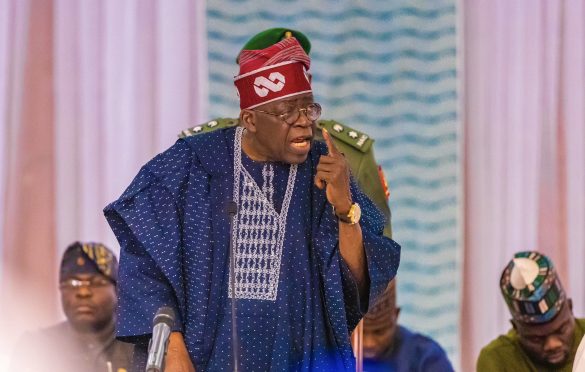
  • Damboa Attack: Tinubu mourns six soldiers, orders probe of army base attack

    Damboa Attack: Tinubu mourns six soldiers, orders probe of army base attack

    President Bola Ahmed Tinubu has called for a thorough investigation into the circumstances surrounding the terror attack on an Army base in Sabon Gida, Damboa, Borno State, which claimed six soldiers.

    The dawn attack on January 4, 2025, has sparked renewed calls for vigilance and proactive measures against insurgency in the region.

    In a statement on Thursday by his Special Adviser on Information and Strategy, Bayo Onanuga, the President extended condolences to the families of the fallen soldiers, describing their sacrifice as a cornerstone of the nation’s fight for security.

    “Their sacrifice in defending our nation will forever be honoured and remembered,” Tinubu said.

    While commending the Armed Forces for their swift response, Tinubu lauded the military’s air component for its decisive retaliatory strikes, which neutralized numerous terrorists and destroyed their assets as they attempted to escape.

    “This resolute action by the Army demonstrates the capability and readiness of our military to confront and defeat threats to our nation’s security.

    “Their actions testify to our resolve to eradicate terrorism and banditry, paving the way for a future where peace and security prevail for all Nigerians,” the President remarked.

    In addition to ordering an investigation, Tinubu directed the military to escalate its efforts by taking the war to the camps of bandits and terrorists.

    He particularly urged intensified operations in the Northwest, where criminal elements continue to terrorize villagers.

    “Your sacrifices and dedication do not go unnoticed, and we stand firmly behind you in this ongoing fight to eliminate these threats,” he assured the armed forces.

    The President also appealed to Nigerians and the media to rally behind the military in its efforts to restore peace across the country.

    “Together, we can support our security forces in achieving the peace and security our nation deserves,” he stated.

    The statement emphasised that the government remains steadfast in its commitment to ending terrorism and ensuring the safety of all Nigerians.

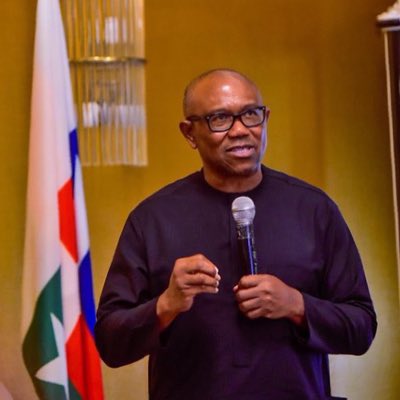
  • JUST-IN: Peter Obi says news of his arrest “fake” 

    JUST-IN: Peter Obi says news of his arrest “fake” 

    The 2023 Labour Party presidential candidate, Peter Obi has dismissed rumours of his arrest circulating on social media, disclosing that he is in his home in Onitsha, Anambra State.

    In the now viral post shared on different whatsapp groups in Nigeria and titled “PETER OBI ARRESTED AND TAKEN AWAY BY TINUBU’S DSS!!!” the message read:

    “Happening Now: Peter Obi has been arrested by the DSS at his home in Abuja early this morning and whisked away to an unknown detention facility, reportedly under orders from Tinubu’s government.

    “According to eyewitnesses, DSS agents stormed his residence unannounced, forcefully breaking through a window after his security team refused to open the front door.

    “The dramatic scene unfolded as neighbors described hearing loud commotion and the shattering of glass, followed by armed operatives escorting Obi into a waiting vehicle.

    “As of now, the whereabouts of Peter Obi remain undisclosed, heightening the drama and concern over this unexpected turn of events in Nigerian politics.”

    Dispelling the reports on his verified X account, the former Anambra Governor wrote:

    “The recurring fake News on me. I have been made aware of a circulating fake News about my alleged arrest. Let me state unequivocally that these claims are entirely false.

    “I am currently at my home in Onitsha. Anambra State. Such fake News on my person has become a pastime for some people.

    “Recall last year September, when I was in Rwanda, similar lies had gone out that DSS invaded my house; now, while I was in my home in Onitsha, Anambra State, they said I was arrested in Abuja.

    “The motive of these peddlers cannot be positive but let us not allow baseless rumours to distract us from the critical challenges we face as a nation”.

  • African Leaders will lift continent out of poverty – Tinubu 

    African Leaders will lift continent out of poverty – Tinubu 

    President Bola Tinubu on Tuesday said African leaders remained committed to lifting their nations out of poverty and building resilient economies at their own pace.

    Tinubu, who was a Special Guest of Honour, said this at the swearing-in of President John Mahama in Accra, Ghana.

    “We have nothing to prove to anyone except ourselves. We have found the critical path to our success. We shall lift our nations out of poverty and build a resilient economy at our own pace.

    “Today, I am here not only as the President of Nigeria but also as an African in resolute support for Ghana and her people,” Tinubu said.

    He said Mahama’s inauguration is a source of pride and honour for Ghanaians, the entire continent, and its Diaspora.

    “We celebrate African Democracy today as Ghana and her beloved people mark the transition from one democratic government to another.

    “This moment does more than symbolise another milestone in the evolution of Ghanaian democratic society.

    “It lays to bed the question of whether Ghana and Africa are capable of democratic and productive endeavours. Ghana has answered that question resoundingly.”

    He said just as Ghana drew inspiration and strength from Kwame Nkrumah and many of its past leaders, Nigeria similarly drew inspiration from its founding leaders who not only fought for her independence but also cherished the close relationship between the two nations.

    “May we always walk in the way and the spirit of these enlightened leaders. Ghana is in harmony with that spirit, and President John Mahama’s inauguration today reflects that.

    “Your new president is a man of patriotic vision and substance. He loves his nation and its people to the core.

    “He believes that your nation has a mission and intends for you all to fulfil it. No one can ask more of a leader than that,” said Tinubu.

    He expressed confidence that the new government, under the leadership of Mahama, would work with Nigeria to strengthen the powerful bond, leading to greater shared prosperity for citizens of the countries.

    “I have no doubt that your administration will bring about positive change and progress.

    “Your ascension to power should also mark a new and invigorated momentum in pursuing sub-regional integration and progress.

    “With  focus, we can tackle our people’s most pressing concerns: poverty, youth unemployment, instability, insurgency, and many other problems hampering our desired progress,” the President said.

    (NAN)

  • Gov Eno says 2025 budget affirms administration’s inclusiveness

    Gov Eno says 2025 budget affirms administration’s inclusiveness

    Akwa Ibom State Governor, Pastor Umo Eno, has restated his commitment to providing responsible leadership as the Governor of the State and ensuring respect for past leaders, devoid of any political or ethnic bias.

    Governor Eno gave these assurances while addressing congregants at a special Sunday worship service at Saint Anne Cathedral of the Ikot Ekpene Catholic Diocese in Ifuho, Ikot Ekpene Local Government Area. During his address, he reiterated his appreciation for the support of the Christian community and the Ikot Ekpene Senatorial District towards the success of his administration.

    He expressed his admiration for the Catholic Church for its tradition of orderliness and discipline and appreciated the Catholic faithful of the Ikot Ekpene Diocese, led by Bishop Camillus Umoh, for their prayers and support.

    According to Governor Eno, being in government is an opportunity to serve, and every day must be made to count. He reaffirmed his commitment to ensuring that his administration serves as an example for all pastors who seek elective offices.

    “We thank the Church for their prayers and for the support they have shown to their own.

    “I know, really, that the success of this government will be a referendum for the Church and, to a large extent, will represent success for the Church in Akwa Ibom. It will also give credence to any pastor in the future who seeks public office. So, I hold this position in trust with utmost care and diligence,” the Governor said.

    Recollecting how his administration has been deliberate in ensuring the equitable distribution of development projects across the various constituencies of the State, the Governor assured the public that he will continue to pursue peace and unity in the State through inclusiveness, as demonstrated in the 2025 budget.

    “We have tried, by the grace of God, to show leadership across ethnic lines and political divides in this State.

    “We have, in all honesty, pursued unity for our State because it is on that basis that we will enjoy the peace we have been praying for. We have made every effort to show respect to our leaders. At this point in their lives, those who have served before us deserve our respect and recognition.”

    Preaching on the theme “We Have Come from the East to Worship the King,” culled from Matthew 2:1–12, the Bishop of the Ikot Ekpene Catholic Diocese, Most Reverend Camillus Umoh, described the first Sunday Service of 2025 as significant. He said it marked the beginning of another year of Jubilee to celebrate the Solemnity of the Epiphany of Christ, which, according to him, signifies the collapse of walls of division and the reconciliation of man with God.

    The cleric, therefore, called on everyone to embrace the essence of the gift of Jesus Christ to the world, as the Wise Men from the East did, by shunning divisiveness, discrimination, and hatred. He urged all to reconcile with one another, take decisions and actions that positively impact humanity, and draw closer to God through His Son, Jesus Christ.

  • NYSC DG assures corps members of receiving N77k allowance soon

    NYSC DG assures corps members of receiving N77k allowance soon

    Director General, National Youth Service Corps (NYSC), Brigadier General Yushau Ahmed, has assured corps members that they would start receiving N77,000 minimum wage.

    Speaking  in Abuja when he commissioned a staff bus donated by Capital Express Insurance company, the DG said arrangements for their increased allowances to be paid have been concluded.

    He assured corps members that his priority was their security and welfare, hence in 2025 they would get all benefits that they deserve.

    Ahmed noted that the bus donated to the scheme for staff was to ease transportation issues.

    He noted that staff of the scheme and corps members serving in the scheme have always complained that it was difficult for them transporting themselves to and from office.

    On his part, Chief Executive Officer, Capital Express Insurance company, Mr. Matthew Ogwezhi, said the scheme and his company have been in partnership for a while and the donation was part of the partnership to support the activities of the scheme.

    He said the company made the donation to support the staff transportation to and from work as the price of fuel and transportation was expensive in the Abuja metropolis.

    He said the legacy of every organization is the impact they make in the society they find themselves, hence, they should always give back to the society. Daily Trust

  • 6.8 Magnitude Himalayan Earthquake Claims 53 Lives

    A magnitude 6.8 earthquake struck the northern foothills of the Himalayas near Tibet’s sacred city of Tingri on Tuesday morning, killing at least 53 people and injuring 62, according to Chinese authorities.

    The earthquake, with its epicentre in Tingri, a rural county that serves as the northern gateway to the Everest region, occurred at 9:05 a.m. local time (0105 GMT). The quake had a shallow depth of 10 km (6.2 miles), as reported by the China Earthquake Networks Centre. Meanwhile, the US Geological Service recorded the magnitude as 7.1.

    The tremors were felt far beyond Tibet, shaking buildings in neighbouring Nepal, Bhutan, and India. In Nepal, the National Disaster Risk Reduction and Management Authority (NDRRMA) reported that seven hill districts bordering Tibet experienced tremors, though no casualties or significant property damage have been confirmed so far. Remote villages in these areas, many accessible only by foot, are still being assessed for potential impact. In Kathmandu, located some 400 km (250 miles) from the epicentre, residents fled their homes in fear.

    India’s northern state of Bihar and Bhutan’s capital, Thimphu, also reported feeling the quake. Officials in these regions have not reported any significant damage or loss of life.

    Tibet bore the brunt of the earthquake, with significant destruction in Tingri and its surrounding villages. Chinese state media showed crumbled shopfronts and debris-littered roads in the town of Lhatse, located within the quake-affected region. The Shigatse area, home to 800,000 people and the administrative centre of Tibetan Buddhism’s Panchen Lama, was also heavily impacted.

    Villages within 20 km (12 miles) of the epicentre house a population of approximately 6,900. Local officials are coordinating rescue efforts and assessing casualties in nearby towns and villages. President Xi Jinping has called for all-out search and rescue operations to minimise further loss of life and ensure affected residents have shelter and warmth during the winter months.

    The earthquake was followed by dozens of aftershocks, with magnitudes reaching up to 4.4. This region is no stranger to seismic activity due to the collision of the Indian and Eurasian tectonic plates. In 2015, Nepal experienced a devastating magnitude 7.8 earthquake that killed approximately 9,000 people and triggered an avalanche at Mount Everest base camp, claiming at least 18 lives.

    Tuesday’s epicentre was located about 80 km (50 miles) north of Mount Everest. The ongoing winter season is not a peak time for climbers, and only one German mountaineer had a permit to climb Everest. He had already left the base camp after an unsuccessful attempt to reach the summit, according to Nepal’s Department of Tourism.

    Authorities in China, Nepal, Bhutan, and India have mobilised resources to assess damage, assist affected populations, and monitor ongoing seismic activity. In Tingri, local residents reported strong shaking, while social media footage revealed the extent of destruction.

    The earthquake serves as a stark reminder of the fragility of the Himalayan region, where communities often endure the harsh realities of tectonic shifts. As rescue and recovery operations continue, the focus remains on safeguarding lives and rebuilding affected areas. Arise News