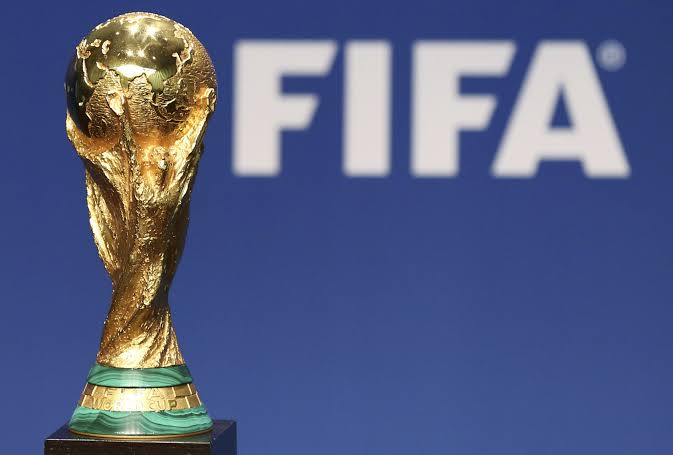
Spain’s victory over Argentina in the 2026 FIFA World Cup final not only secured football’s biggest prize but also earned the country’s football federation a record-breaking financial reward.
FIFA has confirmed that the champions will receive $51 million in prize money, while runners-up Argentina will take home $34 million, as part of the governing body’s record $871 million prize fund for the expanded 48-team tournament.
The 2026 edition, jointly hosted by the United States, Canada and Mexico, features the largest prize pool in World Cup history after FIFA increased the total payout earlier this year by more than $100 million.
The additional funding came after several European football federations sought financial support to offset the higher travel and accommodation costs associated with hosting the tournament across three countries.
The $51 million awarded to Spain surpasses the $42 million Argentina received for winning the 2022 World Cup in Qatar. However, it remains below the prize money earned by the winners of last year’s FIFA Club World Cup.
All 48 participating nations receive financial support from FIFA in two forms: prize money based on tournament performance and payments to cover preparation costs.
Each federation earned a guaranteed $12.5 million for participating, comprising $10 million for qualifying and competing in the group stage, plus $2.5 million to cover pre-tournament training and expenses.
The guaranteed preparation payment was introduced to help avoid disputes between players and national federations over bonuses before the tournament.
Prize money then increases depending on how far a team progresses through the competition.
Full World Cup 2026 prize money
- Champions (Spain): $51 million
- Runners-up (Argentina): $34 million
- Third place (England): $30 million
- Fourth place (France): $28 million
- Quarter-finalists: $20 million each
- Round of 16: $16 million each
- Round of 32: $12 million each
- Group stage teams: $10 million each
The increase in prize money follows calls from several national federations, particularly in Europe, which argued that the original payment structure would leave many associations out of pocket because of the extensive travel required during the tournament.
Teams playing matches in the United States also faced tax obligations that do not apply in Canada and Mexico, adding to overall costs.
Travel and accommodation
Beyond prize money, FIFA also pays for business-class return flights for each participating delegation, along with accommodation and meals for a 50-member delegation from five days before a team’s opening match until one day after elimination.
The governing body also covers domestic transport during the tournament, including a fleet of official vehicles and an equipment truck.
National federations remain responsible for insurance covering players and staff, incidental hotel expenses and accommodation for any additional delegation members beyond the allocated 50.
The World Cup prize money is paid directly to each national football federation rather than the players.
How the funds are distributed is determined by each federation’s own rules and agreements with its players. Vanguard
Leave a Reply