Precious Nwonu, Enugu
President Bola Tinubu has declared that Nigeria has moved beyond the period of economic reforms and entered what he described as an “age of prosperity,” following measures implemented by his administration over the past three years.
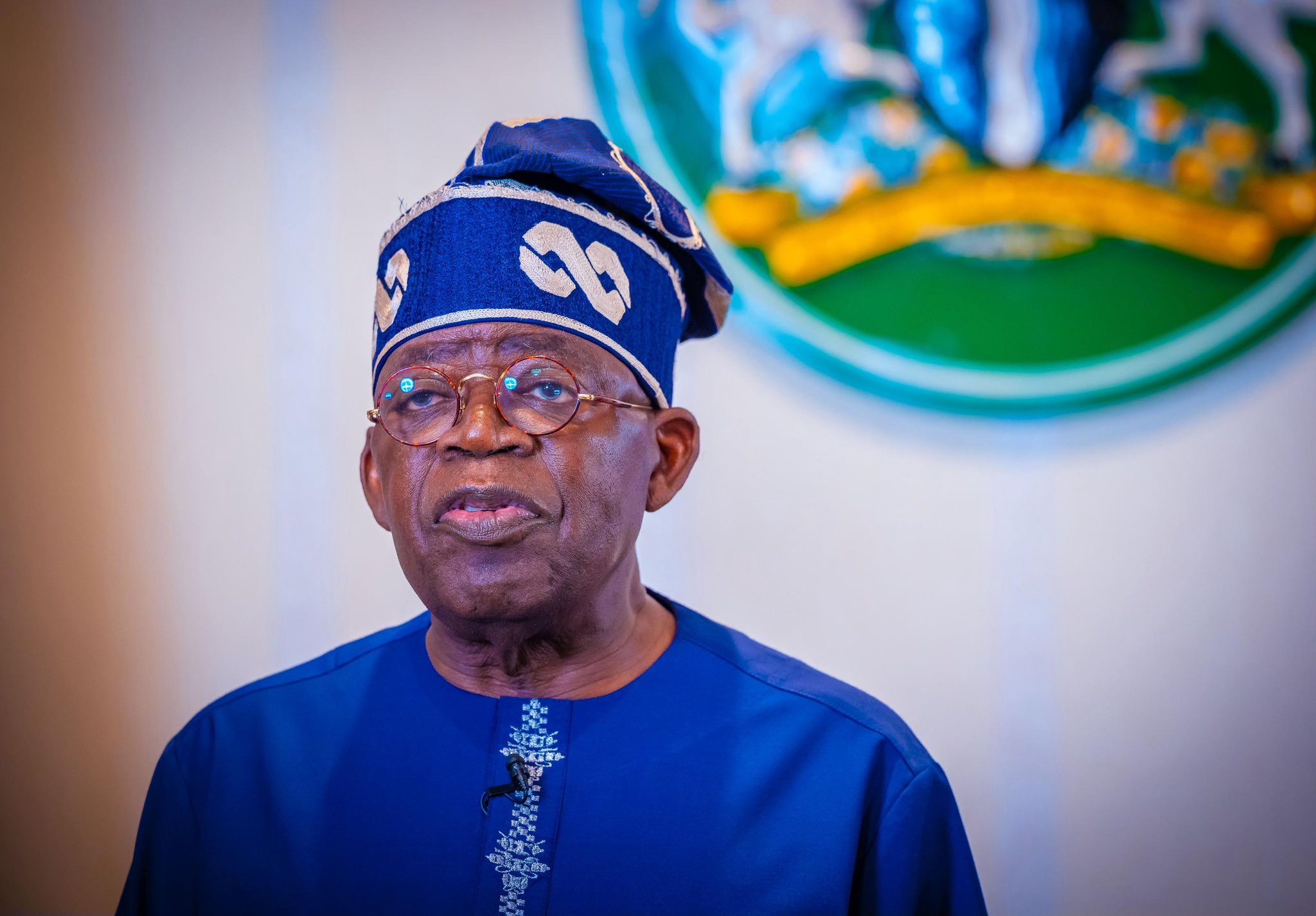
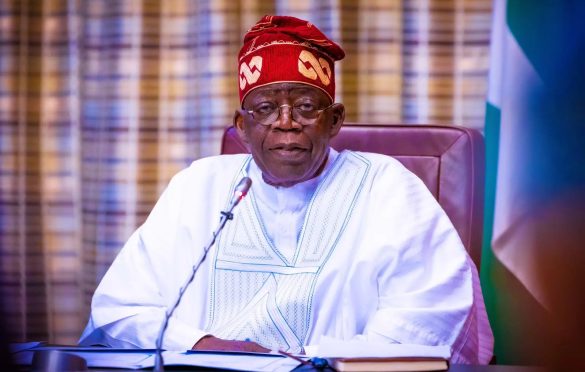
Tinubu made the declaration in his Independence Day address to Nigerians on Thursday, marking the 66th anniversary of the country’s independence.
The President acknowledged the economic difficulties faced by Nigerians, saying the country had endured years of insecurity, economic crises, political upheaval and other challenges since gaining independence.
He said his administration inherited an economy burdened by what he described as deep structural distortions and difficult choices that could no longer be postponed.
Using a cancer treatment analogy, Tinubu said previous governments had focused on managing the symptoms of the country’s economic problems rather than confronting their underlying causes.
He defended the reforms introduced since his administration came into office, saying the measures had been difficult but were necessary to correct the direction of the economy.
According to the President, Nigeria’s economy has grown by more than four per cent in 2026, with both the oil and non-oil sectors contributing to the growth.
He also said oil theft had declined, inflation had fallen from its peak, foreign reserves had been rebuilt and the foreign exchange market had stabilised.
Tinubu further stated that Nigeria recorded more than $6bn in non-oil export revenue in 2025, describing the figure as evidence of growing activity among Nigerian businesses.
The President said the focus of his administration would now shift from economic stabilisation to achieving widespread prosperity.
He identified reducing the cost of living as a major priority and said the government would pursue measures aimed at lowering the cost of producing and transporting goods.
Tinubu said the administration would expand mechanised irrigation and dry-season farming, improve access to seeds and fertiliser, increase agricultural mechanisation and invest in storage and transportation.
He also said the government was continuing to develop roads, railways and ports to improve connections between farms, factories and markets.
On employment, the President said job creation, enterprise and industrial growth would remain central to his administration’s policies.
He said the government planned to use Nigeria’s gas resources to power industries, support the revival of factories, expand digital connectivity and invest in skills needed by employers.
Tinubu also called for increased production of Nigerian goods for both domestic consumption and export, while encouraging young Nigerians to build businesses and create employment opportunities.
The President acknowledged that many Nigerians continue to struggle with food, education, healthcare and transportation costs.
He said the hardship predated his administration and was the result of decades of low productivity, inadequate infrastructure and limited economic opportunities.
Tinubu said the government was strengthening social interventions to support vulnerable households, while improving the National Social Register to ensure assistance reaches people who need it.
He also highlighted the Nigerian Education Loan Fund as a means of helping students from low-income families access higher education.
The President cited the Consumer Credit Corporation as another intervention designed to provide working Nigerians with access to credit for assets such as vehicles, solar systems and digital devices.
Tinubu said his administration would continue working with state and local governments to strengthen primary healthcare, basic education and other essential public services.
He added that salaries and pensions had been paid on time and in full since 2023, while reforms had also been introduced in the national pension system.
According to him, the government’s social programmes were intended to support Nigerians while broader economic growth creates sustainable opportunities.
Tinubu said defeating poverty would require sustained economic growth, discipline and the creation of millions of productive jobs.
He maintained that the reforms had corrected the country’s economic direction and laid the foundation for long-term prosperity.
“The age of reform has done its work. Now begins the age of prosperity,” Tinubu said.
The President urged Nigerians to remain hopeful and united, saying the country had passed through difficult years and must now focus on building a future of greater opportunity.
He concluded by calling on Nigerians to move forward together and avoid returning to policies that, in his view, had contributed to the country’s previous economic difficulties.
“Let us go forward together, with faith in ourselves, faith in our country, and faith that the sacrifices we have made will yield their reward,” he said.
Tinubu wished Nigerians a happy Independence Day and prayed for the continued progress of the Federal Republic of Nigeria.