Tag: ADC

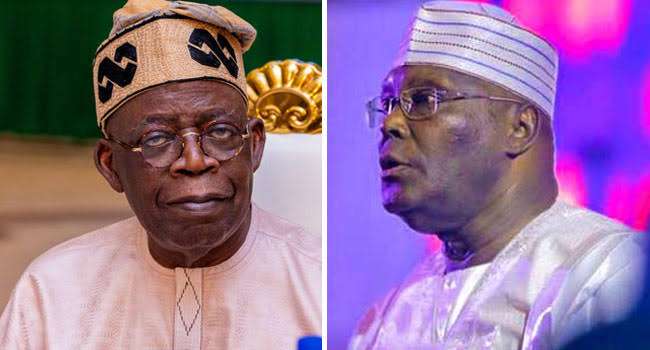
  • Atiku Challenges Tinubu To Account For First Term Before Seeking Re-election

    Atiku Challenges Tinubu To Account For First Term Before Seeking Re-election

    Precious Nwonu, Enugu

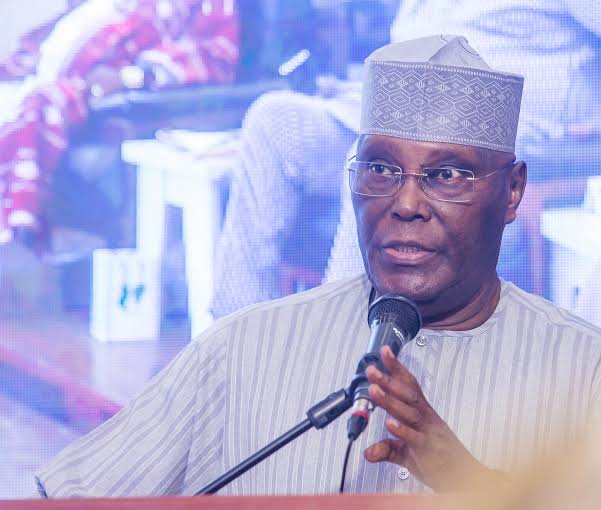
    Former Vice President Atiku Abubakar has challenged President Bola Tinubu to explain his administration’s performance and address Nigerians’ economic concerns before seeking another term in office in 2027.

    Atiku accused the President of relying on political allies, ministers, governors and defectors to defend his record instead of personally answering questions about the hardship facing citizens.

    The African Democratic Congress presidential candidate made his position known in a statement issued on Thursday by the Director of Strategic Communication of the ADC Presidential Campaign Council, Phrank Shaibu.

    His comments followed reports that Tinubu might miss some campaign rallies because of the demands of governing the country.

    Atiku questioned the President’s explanation, arguing that the same urgency should have guided his response to Nigerians struggling with the cost of living.

    “Tinubu says he may miss campaign rallies because Nigeria needs his attention. Where was that urgency when Nigerians pleaded for relief?” he asked.

    The former vice president said the President should explain what his administration had done to make food more affordable, improve access to medicines for pensioners and create decent employment opportunities for young people.

    He also argued that Tinubu must account for his first term before asking voters to renew his mandate.

    Atiku faulted what he described as the administration’s attention to foreign creditors and investors, insisting that the financial and social pressures facing Nigerian households deserved equal priority.

    “Tinubu says American creditors cannot wait. Nigerians cannot wait either. They have bills to pay, children to feed and lives to rebuild,” he said.

    He further criticised the President’s reliance on political supporters to defend his performance, maintaining that responsibility for government decisions rested with Tinubu himself.

    “The people on his campaign council did not receive the mandate in 2023. Tinubu did. He made the promises. He took the decisions. He must face the questions,” Atiku said.

    He added that voters would assess the President based on their personal experiences rather than the arguments presented by members of his campaign team.

    The criticism comes as political parties prepare for the 2027 general elections, with the economy, rising living costs, employment and the effects of government policies expected to feature prominently in campaigns.

    The Federal Government has defended its economic reforms, including the removal of petrol subsidies and changes to the foreign exchange regime, describing them as necessary measures to stabilise the economy and strengthen public finances.

    However, the policies have continued to attract criticism over their effects on transport fares, food prices and household purchasing power.

    Atiku contested the 2023 presidential election under the Peoples Democratic Party before joining the opposition coalition associated with the ADC ahead of the 2027 polls.

  • Atiku, ADC Demand INEC Clarification On Ballot Printing Contracts, Staff Transfers

    Atiku, ADC Demand INEC Clarification On Ballot Printing Contracts, Staff Transfers

    Precious Nwonu, Enugu

    Former Vice-President Atiku Abubakar and the African Democratic Congress have called on the Independent National Electoral Commission to explain its arrangements for printing sensitive election materials and recent personnel changes ahead of the 2027 general elections.

    Atiku urged the commission to disclose the companies contracted to produce ballot papers and other sensitive materials, while the ADC expressed concern over alleged ethnic bias in the redeployment of staff serving in key departments.

    INEC has scheduled the presidential and National Assembly elections for January 16, 2027, while governorship and state House of Assembly elections are slated for February 6, 2027.

    In a statement issued on Sunday by the Director of Strategic Communication of the ADC Presidential Campaign Council, Phrank Shaibu, Atiku asked INEC to confirm or deny reports that Hitech or an affiliated company had secured a contract to print sensitive materials for the elections.

    The former vice-president said information available to him suggested that more than half of the commission’s sensitive election materials, including presidential ballot papers, might have been assigned to a company reportedly based in France.

    He expressed concern that the identity and credentials of the alleged contractor had not been made public.

    Atiku also questioned reports that the Nigerian Security Printing and Minting Plc would print election materials for only 15 to 17 states, leaving private companies to handle the remaining assignments.

    He urged INEC to publish the names of all contractors, the materials and states allocated to each company, the procurement procedures followed and the security measures governing production, storage and delivery.

    “These reports demand urgent and unequivocal answers. INEC must confirm or deny them and publish the names of every company engaged, the materials and states assigned to each, the procurement method, the security clearances obtained and the safeguards governing production, storage and delivery,” he said.

    Atiku argued that transparency in the production and handling of sensitive election materials was necessary to protect the credibility of the electoral process and prevent public suspicion.

    He also questioned the potential involvement of Hitech or an associated company, citing publicly reported business connections between the Chagoury family, which owns Hitech, and the family of President Bola Tinubu.

    According to Atiku, awarding such a contract to a company with those reported connections could raise concerns about the independence of the electoral commission.

    He maintained that INEC should prioritise qualified domestic security-printing capacity and ensure that every ballot paper, result sheet and other sensitive document could be tracked throughout the production and distribution process.

    The former vice-president extended his call for transparency to the printing of higher-denomination banknotes, urging the Central Bank of Nigeria to disclose its current arrangements and clarify the respective roles of NSPMC and any foreign contractors.

    **Atiku Questions INEC Personnel Changes**

    Atiku also called on INEC to explain recent postings and redeployments involving officials responsible for election administration and technology.

    The statement cited reports that Isa Magaji Gum had been transferred from Electoral Operations to the Voter Registry Department, while Oluyemi Titilayo Adeyemi-Showunmi had been appointed to head Electoral Operations. Dr Lawrence Bayode was identified as the head of Information and Communication Technology.

    Atiku asked the commission to disclose the criteria used in making the appointments and demonstrate that the decisions followed established procedures and were free from political interference.

    “These departments are at the heart of election administration. INEC must explain these decisions, publish the criteria applied and show that every appointment and redeployment followed due process, was based on merit and was free from political interference,” he said.

    However, Atiku cautioned against assuming that any official was compromised because of ethnicity, background or personal associations. He said the commission should address concerns through verifiable information rather than general assurances.

    **ADC Alleges Ethnic Bias In Staff Redeployment**

    Separately, the ADC raised concerns over what it described as a pattern of transfers involving officers from northern states serving in sensitive INEC departments.

    In a statement issued on Sunday by its National Publicity Secretary, Bolaji Abdullahi, the party alleged that some officers working in Electoral Operations and Information and Communication Technology had been moved to other departments and replaced by officials from Lagos and other South-West states.

    The party said it had received complaints and information about the changes, warning that the pattern required an explanation from the commission.

    “We have specific names of officers moved from Electoral Operations and ICT in a number of northern states and replaced with officers from Lagos and other South-West states. INEC may dismiss this as routine. But we have noticed a pattern, especially along ethnic lines, and we are concerned,” the statement read.

    The ADC did not provide the names of the affected officers or documentary evidence to substantiate the allegations in the statement.

    The party said it was not accusing INEC of having a predetermined motive but argued that personnel changes in departments central to election administration should be explained to avoid undermining public confidence.

    It warned that any perception of ethnic or regional preference in appointments to strategic positions could fuel suspicions about the neutrality of the electoral process and allegations of favouritism towards Tinubu and the ruling All Progressives Congress.

    The party urged INEC Chairman, Professor Joash Amupitan, to publish details of the recent postings, the criteria used to select officers for the positions and the reasons for the changes.

    According to the ADC, disclosure of the information would reassure Nigerians that electoral officials would carry out their responsibilities impartially, regardless of their ethnic, linguistic or regional backgrounds.

    The party warned that failure to address the allegations with evidence-based explanations could damage confidence in the 2027 elections.

    The concerns come as political parties prepare for the next general elections, with INEC facing expectations to demonstrate transparency in its procurement decisions, personnel management and handling of sensitive electoral materials.
  • 2027: ADC To Inaugurate Presidential Campaign Council Friday

    2027: ADC To Inaugurate Presidential Campaign Council Friday

    Precious Nwonu, Enugu

    The African Democratic Congress will inaugurate its Presidential Campaign Council on Friday as the party steps up preparations for the 2027 general elections.

    The ceremony, scheduled for 4pm at the Shehu Musa Yar’Adua Centre in Abuja, will be presided over by the party’s National Chairman, David Mark.

    In a statement on Thursday, the Special Adviser to the National Chairman on Media and Publicity, Kola Ologbondiyan, said the inauguration would formally activate the party’s presidential campaign structure.

    He said ADC leaders, governorship candidates, National Assembly candidates and state House of Assembly candidates were expected to attend the event.

    According to Ologbondiyan, the gathering would strengthen coordination among party leaders and candidates as the ADC prepares to take its campaign message to voters nationwide.

    The inauguration comes as political parties intensify activities ahead of the 2027 polls, with the ADC seeking to establish itself as a major opposition platform against the ruling All Progressives Congress.

    The party has recently stepped up efforts to strengthen its structures across the country and coordinate its political activities ahead of the elections.

    Former Vice President Atiku Abubakar holds the ADC presidential ticket, placing the party among the opposition groups seeking to consolidate support ahead of the presidential election.

    The party had earlier appointed Abia lawmaker Austin Akobundu as Director-General of its presidential campaign council, which Atiku described as a lean campaign structure.

    Ologbondiyan urged party leaders and candidates to attend the inauguration, saying their participation would demonstrate unity and commitment to the party’s preparations for the elections.

  • Atiku Accuses Tinubu Administration of Worsening Poverty, Insecurity

    Atiku Accuses Tinubu Administration of Worsening Poverty, Insecurity

    Precious Nwonu, Enugu

    Former Vice President and African Democratic Congress presidential candidate, Atiku Abubakar, has accused the administration of President Bola Tinubu of worsening poverty and the cost of living in Nigeria.

    Atiku made the allegations in a state-of-the-nation address delivered at the ADC secretariat in Abuja on Thursday as Nigeria marked its 66th Independence Anniversary.

    He criticised the Federal Government’s economic policies, particularly the removal of the petrol subsidy, arguing that the reforms had increased the financial burden on households.

    According to him, rising prices of food, transportation and other essential goods have left many Nigerians struggling to meet their basic needs.

    Atiku also faulted Tinubu’s claim that the country was entering an era of prosperity, arguing that economic growth and lower inflation would have limited meaning if Nigerians could not afford food, healthcare, transportation and education.

    He said, “At 66, Nigeria has come a long way. Independence has offered us liberty and self-determination. We are also making considerable progress in nation building.”

    The former vice president also criticised the government’s handling of insecurity, saying attacks by armed groups had displaced communities, affected farming activities and created fear among families.

    He further questioned the government’s management of public funds, debt and development projects, calling for greater transparency in contracts, loans and social intervention programmes.

    On the economy, Atiku proposed what he described as a capped and budgeted production subsidy for petrol refined in Nigeria, including fuel produced by modular refineries.

    He said the proposed scheme should be independently audited and designed to ensure that any benefit reached consumers through lower pump prices.

    Atiku also raised concerns about the government’s borrowing plans, citing Nigeria’s public debt and the proposed $1.5bn World Bank loan. He called for greater disclosure on how existing borrowed funds had been spent and the projects they had financed.

    The ADC candidate also criticised the government’s handling of student loans, budgets, contractors’ payments and cash-transfer programmes, demanding greater accountability.

    On security and civil liberties, Atiku called for the release of individuals he described as being unlawfully detained and urged the government to uphold due process.

    He also appealed to Nigerians to participate actively in the 2027 general election, urging voters to protect their ballots and reject intimidation.

    Atiku said the election would provide Nigerians with an opportunity to determine the country’s direction, while promising that, if elected, he would prioritise affordability, security, healthcare, education and accountability in public spending.

    He said Nigerians should scrutinise the programmes and promises of all candidates, including himself, and demand measurable commitments from those seeking public office.

    The former vice president concluded by urging Nigerians not to lose hope despite the economic and security challenges facing the country.

  • 2027 Election: Atiku, ADC Seek To Amend Suit Challenging Tinubu’s Eligibility

    2027 Election: Atiku, ADC Seek To Amend Suit Challenging Tinubu’s Eligibility

    Precious Nwonu, Enugu

    The Federal High Court in Abuja has adjourned until October 13 to hear an application by former Vice President Atiku Abubakar and the African Democratic Congress seeking to amend their suit challenging President Bola Tinubu’s eligibility to contest the 2027 presidential election.

    Justice Inyang Ekwo fixed the date on Monday after counsel for the plaintiffs, Joseph Silas, informed the court that all the defendants had been served with the relevant court processes within the stipulated period.

    Silas also told the court that the plaintiffs had received and responded to the processes filed by the defendants.

    The case had previously been delayed over a dispute concerning the service of court processes on Tinubu, who is the first defendant in the suit.

    During Monday’s proceedings, counsel to the President, Wole Olanipekun, SAN, recalled that at the September 1 hearing, counsel representing the Independent National Electoral Commission, Popoola Owosanya, had offered to receive the processes on Tinubu’s behalf.

    Olanipekun said the plaintiffs’ counsel rejected the offer and later approached the court for an order allowing substituted service on the President, claiming that efforts to serve him personally had been unsuccessful.

    He further alleged that the plaintiffs subsequently attempted to mislead the court by maintaining that they had been unable to serve the President.

    Justice Ekwo, however, directed the lawyers to concentrate on the matter scheduled for the day.

    Silas subsequently informed the court that the plaintiffs had filed an application seeking to amend their originating summons and that all the defendants had been served with the application.

    After confirming that the parties had received the relevant processes, Justice Ekwo adjourned the matter to October 13 for hearing of the application.

    Atiku and the ADC had instituted the suit to challenge Tinubu’s eligibility to participate in the 2027 presidential election.

    A major aspect of their case concerns an alleged discrepancy between the name appearing on a National Youth Service Corps discharge certificate submitted to the Independent National Electoral Commission and the President’s official name.

    The substantive issues raised by the plaintiffs are yet to be determined by the court.

    On September 16, Justice Ekwo granted the plaintiffs permission to serve Tinubu through the All Progressives Congress after they told the court that attempts to personally serve the President had proved difficult.

    The substituted service order was subsequently challenged by the APC, which argued that Tinubu’s legal representatives had already received the originating processes and filed his defence before the plaintiffs applied for substituted service.

    Meanwhile, INEC has filed a response challenging the competence of the suit, including arguments concerning the plaintiffs’ locus standi and alleged abuse of court process.

  • Momodu Explains El-Rufai’s Role In Atiku’s 2027 Campaign Council

    Momodu Explains El-Rufai’s Role In Atiku’s 2027 Campaign Council

    Precious Nwonu, Enugu

    A chieftain of the African Democratic Congress, Dele Momodu, has said former Vice President Atiku Abubakar’s decision to appoint former Kaduna State Governor Nasir El-Rufai to his 2027 Presidential Campaign Council was partly aimed at recognising what he described as El-Rufai’s political sacrifices.

    Momodu, who serves as Deputy Director-General of the campaign’s Media and Communications Directorate, spoke during an interview on Channels Television’s *The Morning Brief* on Friday.

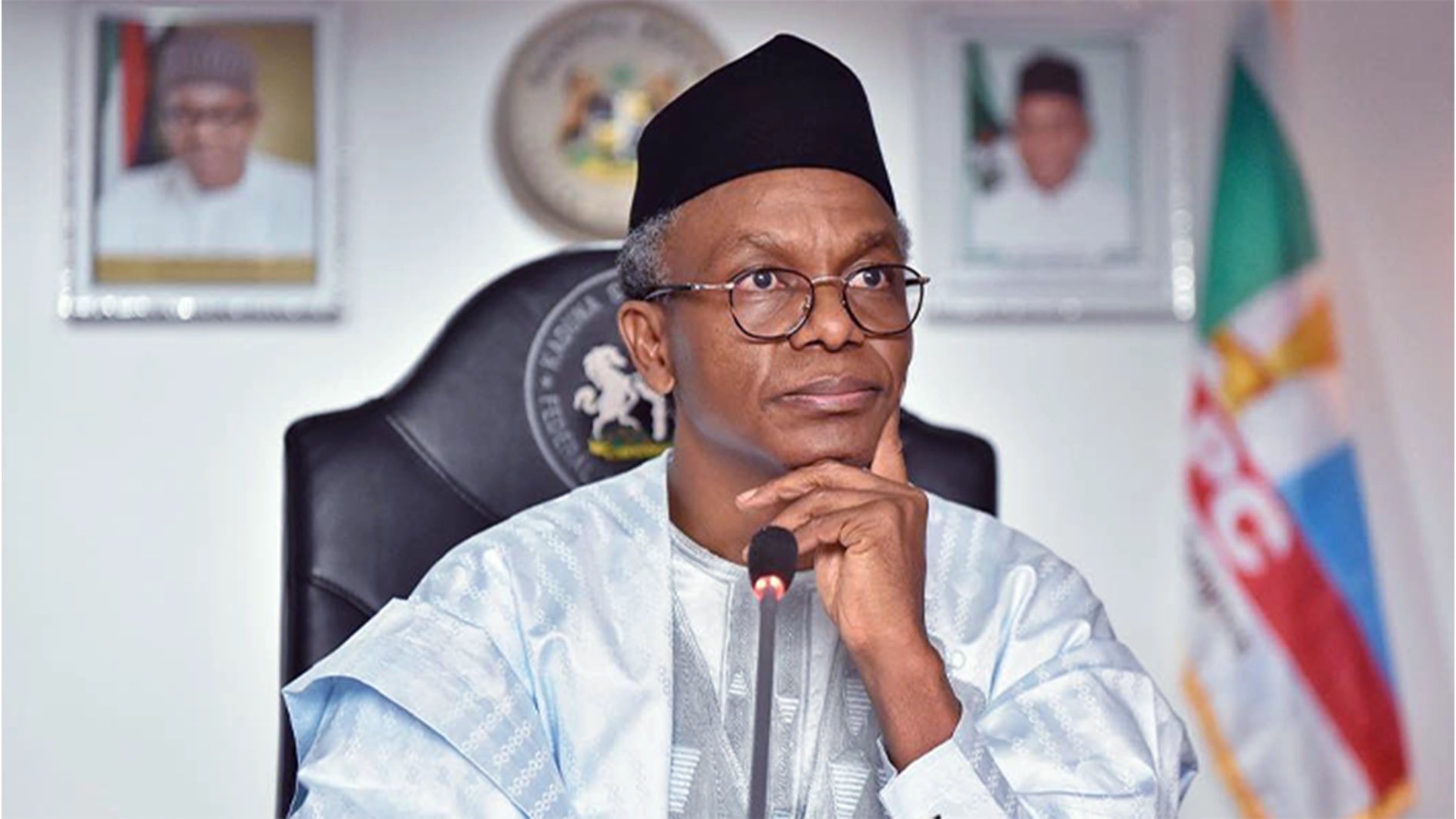
    Atiku, the ADC presidential candidate, unveiled his campaign council on Thursday, appointing Kashim Ibrahim-Imam as chairman and El-Rufai as deputy chairman. Senator Austin Akobundu was named Director-General and Campaign Manager.

    Explaining El-Rufai’s inclusion, Momodu said the appointment was a way of acknowledging the former Kaduna governor’s political experience and what he described as the difficulties he had faced.

    Momodu also pointed to El-Rufai’s return to Nigeria despite the legal proceedings involving him, arguing that the former governor could have remained outside the country but chose to return.

    El-Rufai is currently facing legal proceedings and has denied wrongdoing in relation to the allegations against him. Reports on the case have also noted that he remains involved in proceedings concerning allegations linked to his time in public office.

    Commenting on the bail conditions attached to El-Rufai’s case, Momodu described them as excessive and questioned what he considered the former governor’s treatment by the authorities.

    Momodu further credited El-Rufai with playing an important role in the political developments that preceded the 2023 presidential election, claiming that his contribution was significant to President Bola Tinubu’s emergence.

    That claim represents Momodu’s political assessment and was not independently established by the campaign council announcement.

    El-Rufai’s appointment places him among several prominent political figures assembled by Atiku as the ADC builds its campaign structure ahead of the 2027 general election.

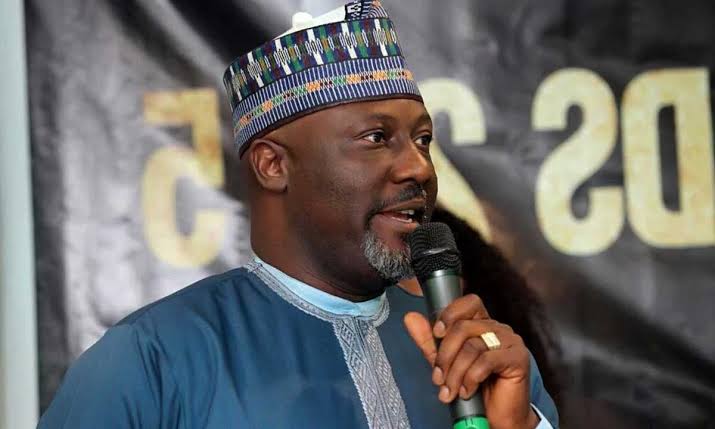
    The council includes former All Progressives Congress National Chairman John Odigie-Oyegun, who was named chairman of the Campaign Advisory Board, while Momodu will oversee Media and Communications and former Kogi West Senator Dino Melaye will lead Contact and Mobilisation.

    The campaign structure comprises six operational directorates, with 30 directors assigned specific responsibilities. Mohammed Hayatu-Deen will coordinate the Policy Team, while former governors and other political figures are also included in the wider campaign structure.

    The unveiling of the council comes as political parties and their candidates begin preparations for the 2027 presidential election, with the ADC campaign saying its structure would focus on issues including the cost of living, unemployment, insecurity and declining purchasing power.

  • ADC Raises Alarm as Petrol Price Rises to N1,470

    ADC Raises Alarm as Petrol Price Rises to N1,470

    Precious Nwonu, Enugu

    The African Democratic Congress has raised concerns over the latest increase in petrol prices, warning that the rising cost of Premium Motor Spirit is deepening the economic pressure on Nigerian households and businesses.

    The opposition party’s warning came as petrol prices at some Nigerian National Petroleum Company Limited retail outlets in Abuja rose to as much as N1,430 per litre, while prices in some locations were reported at about N1,470 per litre.

    In a statement issued on Monday by its National Publicity Secretary, Bolaji Abdullahi, the ADC said the increase was already affecting the cost of transportation, food, electricity, education and other essential services.

    The party said the impact of higher fuel prices went beyond motorists, arguing that increased transportation and operating costs were being passed on to consumers and businesses.

    “President Tinubu has turned the petrol pump into an instrument of punishment for Nigerians,” the party said.

    The ADC also expressed concern over reported increases in private school fees, with some schools allegedly raising charges by between 30 and 40 per cent.

    It said the increases were adding to the financial burden on families whose incomes had not increased at the same pace as the cost of living.

    “Parents are not earning 40 per cent more. Their salaries have not risen with the prices of fuel, food, rent, transportation and school fees,” the party said.

    The opposition party, however, acknowledged that school proprietors were also facing higher operating expenses, including electricity bills, fuel costs, taxes, rent and staff salaries.

    The ADC urged President Bola Tinubu’s administration to take urgent measures to ease the pressure on households and businesses, warning against interpreting Nigerians’ ability to cope with the situation as acceptance of government policies.

    Meanwhile, checks at several NNPCL retail outlets in the Federal Capital Territory showed that petrol was being sold at between N1,395 and N1,430 per litre.

    The latest prices represent increases of between N50 and N80 per litre, depending on the location.

    The new pump prices were observed at NNPCL stations around Airport Junction, Gwarinpa, Kubwa Expressway, Wuse Zone 4 and other parts of Abuja and its environs.

    However, Sunday Asefon, National Director of Students Engagement of the City Boy Movement and Senior Special Assistant to the President on Students Engagement, attributed the latest petrol price increase to international market pressures rather than subsidy removal alone.

    In a statement titled, “The Pain Is Not From Subsidy Removal, It’s From Geopolitical Tensions Including the War in the Middle East,” Asefon linked the development to tensions involving the United States, Iran and Israel.

    He argued that the rise in petrol prices from about N800 per litre at the Dangote Petroleum Refinery’s gantry to between N1,300 and N1,400 at filling stations could not be explained solely by the removal of fuel subsidy.

    “The real enemy is the ongoing global geopolitical tension. The missiles being fired by the United States, Iran and Israel are the unseen hands shaping the global oil market,” Asefon said.

    He pointed to instability around the Strait of Hormuz, a major route for global oil shipments, as another factor capable of affecting international crude prices and, consequently, domestic petrol costs.

    According to Asefon, the Bank of England had warned that a complete disruption of the waterway could push global crude prices to between $100 and $130 per barrel.

    The contrasting positions come as Nigerians continue to contend with higher fuel and transportation costs, with the latest pump price adjustments adding to concerns over the cost of living.

  • Court Adjourns Suit Challenging Mark, Aregbesola’s ADC Leadership

    Court Adjourns Suit Challenging Mark, Aregbesola’s ADC Leadership

    Precious Nwonu, Enugu

    The Federal High Court in Abuja has adjourned until September 28 the hearing of a suit challenging the leadership of the African Democratic Congress led by former Senate President David Mark.

    The case, filed by an ADC member, Nafiu-Bala Gombe, was scheduled for Monday before Justice Peter Lifu for the hearing of pending applications.

    However, proceedings could not take place as the judge was not sitting, leading to the matter being moved to September 28.

    The suit, marked FHC/ABJ/CS/1819/2025, seeks to prevent Mark, ADC National Secretary Rauf Aregbesola and members of the party’s interim National Working Committee from presenting themselves as the legitimate leadership of the party.

    Gombe argued that the emergence of Mark, Aregbesola and other members of the interim NWC was contrary to provisions of the ADC constitution and the Electoral Act.

    The plaintiff joined the ADC, Mark, Aregbesola, the Independent National Electoral Commission and the former National Chairman of the party, Ralph Nwosu, as the first to fifth defendants respectively.

    The latest adjournment followed an earlier ruling by Justice Lifu on June 16, when he dismissed separate applications filed by the ADC and Aregbesola seeking his withdrawal from the case.

    The defendants had asked the judge to recuse himself over allegations of bias.

    Justice Lifu, however, ruled that the applications lacked merit and awarded N1m costs against both the ADC and Aregbesola in favour of Gombe.

    Following the ruling, the court fixed the case for Monday to hear the remaining applications before it.

    The substantive suit will determine Gombe’s challenge to the legitimacy of the current interim leadership structure of the ADC.

  • Melaye Threatens Mass Action If Atiku Is Arrested Over EFCC Petition

    Melaye Threatens Mass Action If Atiku Is Arrested Over EFCC Petition

    Precious Nwonu, Enugu

    Former Kogi West Senator Dino Melaye has warned the Federal Government against arresting, inviting or interrogating African Democratic Congress presidential candidate Atiku Abubakar over a corruption petition submitted to the Economic and Financial Crimes Commission.

    Melaye said the ADC and its supporters would resist any attempt to use the petition to target Atiku, insisting that the opposition would demonstrate the strength of public support if the former Vice-President was invited or arrested.

    He made the remarks in a video posted on his X account on Friday.

    “This is our note of warning, if due to this frivolous petitions you invite, arrest, or interview Atiku Abubakar, and we are not saying it with fear or favour, we will prove to you that those in government are less than one percent of the population of the Federal Republic of Nigeria. We will prove to you that the people own government,” Melaye said.

    His comments followed a petition submitted to the EFCC by a former member of the House of Representatives, Ehiozuwa Agbonayinma, seeking the reopening of corruption allegations against Atiku dating back to his time as Vice-President.

    The petition, signed by Agbonayinma’s lawyer, Hannibal Uwaifo, SAN, reportedly referred to an earlier EFCC investigation and report concerning allegations involving Atiku.

    The allegations date back to 2005 and 2006, when the EFCC and an administrative panel investigated claims including abuse of office, money laundering and alleged diversion of funds linked to the Petroleum Technology Development Fund.

    Atiku, who was Vice-President at the time, denied wrongdoing and described the allegations as politically motivated.

    On December 20, 2006, a Lagos State High Court reportedly set aside the EFCC’s administrative indictment against Atiku, holding that the process was unconstitutional and flawed.

    The allegations did not result in a criminal conviction against the former Vice-President.

    The renewed petition comes as Atiku prepares to contest the 2027 presidential election on the platform of the ADC, amid efforts by opposition politicians to challenge President Bola Tinubu and the ruling All Progressives Congress.

    Melaye, a prominent supporter of Atiku and the ADC, warned that the opposition would not remain silent if the petition was used as a basis for targeting the former Vice-President.

    However, there was no confirmed indication as of the time of filing the report that the EFCC had invited or arrested Atiku in connection with the latest petition.

  • ADC Condemns Kaduna Attack, Warns Against Political Violence Ahead of 2027

    ADC Condemns Kaduna Attack, Warns Against Political Violence Ahead of 2027

    Precious Nwonu, Enugu

    The African Democratic Congress has condemned an alleged attack on its members in Kaduna State, warning that the use of violence and thuggery in political activities could escalate ahead of the 2027 elections.

    The party said the incident was an unacceptable development, particularly as political activities for the 2027 elections were beginning to gather momentum.

    In a statement issued by its National Publicity Secretary, Bolaji Abdullahi, the ADC warned political actors against introducing violence into the electoral process.

    Abdullahi said no political party should assume that it had exclusive control over non-state-sponsored violence, warning that the consequences could become difficult to contain once violence was normalised as a tool of political competition.

    “Let nobody mistake our commitment to peaceful democratic participation for weakness. No political party has a monopoly on non-state sanctioned violence. Once violence becomes an accepted instrument of political competition, nobody can predict where it ends,” he said.

    The party called on security agencies to investigate the incident and ensure that those responsible, including anyone who may have sponsored or organised the attack, were identified and prosecuted.

    ADC also expressed solidarity with its Kaduna governorship candidate, Isa Ashiru, and other party members affected by the incident.

    The party urged the Kaduna State Government to take steps to guarantee the safety of opposition parties and their members across the state.

    Abdullahi insisted that the alleged attack would not prevent the party from participating in political activities across Kaduna.

    “Kaduna belongs to its people, not to any party. If anyone believes intimidation will frighten the ADC off the political field, they have badly miscalculated,” he said.

    “We will not be intimidated. We will organise, we will campaign, and we will compete in every part of Kaduna State. The 2027 elections must be decided by ideas competing at the ballot box, not by thugs and bruises,” he added.

    The ADC urged political stakeholders and security agencies to ensure that the 2027 electoral process remained peaceful and focused on issues and competing policy ideas rather than violence and intimidation.

  • 2027: ADC Unveils Governorship Candidates for 28 States – Full List

    Full List: ADC unveils 28 governorship candidates for 2027 election

    The African Democratic Congress (ADC) has unveiled its governorship and deputy governorship candidates for the 2027 general elections across 28 states.

    The party announced the candidates in a statement on Friday, highlighting its commitment to presenting what it described as credible leadership and a viable alternative for Nigerians.

    Among the candidates are Gbadebo Rhodes-Vivour for Lagos State, Isa Mohammed Ashiru for Kaduna, Great Ogboru in Delta, Senator Ahmad Babba Kaita in Katsina and Abubakar Malami in Kebbi.

    The party also fielded candidates in several other states, including Adamawa, Kano, Rivers, Oyo, Ogun, Plateau and Zamfara.

    The party said the candidates would carry its banner and its commitment to offering Nigerians credible leadership and a “real alternative” in the elections.

    Below is the full list of ADC governorship and deputy governorship candidates for 28 states as released by the party.

    1. Abia: Kalu Kalu Agu —  Governor; Alozie Ogadinma Darlington  — Deputy Governor

    2. Adamawa: Modibbo Hammantukur Ribadu —  Governor; Aguwa Kevin Iliya —  Deputy Governor

    3. Akwa Ibom: Akpanudoedehe John James —  Governor; Nsien Mkpombuk Tommy — Deputy Governor

    4. Bauchi: Sen. Halliru Dauda Jika — Governor; Sama’ila Mohammed Kabir — Deputy Governor

    5. Benue: Rt. Hon. Herman Iorwase Hembe —  Governor; Abba John Abba — Deputy Governor

    6. Borno: Babagana Buhari — Governor; Mamman Dauda  — Deputy Governor

    7. Cross River: Nkoyo Toyo —  Governor; Okwoche Andrew Adagbor — Deputy Governor

    8. Delta: Chief Great Ogboru — Governor; Afiari Gloria — Deputy Governor

    9. Ebonyi: Ukpai Mba Udeh — Governor; Onwe Daniel Ede — Deputy Governor

    10. Enugu: Ocho Obodoeze Chukwuma — Governor; Eze Arinze Christopher -Deputy Governor

    11. Gombe: Bala Bello — Governor; Bala Sani Isa — Deputy Governor

    12. Jigawa: Sabo Mohammed Nakudu — Governor; Musa Ya’u Balarabe — Deputy Governor

    13. Kaduna: Isa Mohammed Ashiru -Governor; Kantiok Irmiya Ishaku -Deputy Governor

    14. Kano: Ibrahim Ali Amin — Governor; Shehu Abdulkadir Bari — Deputy Governor

    15. Katsina: Sen. Ahmad Babba Kaita — Governor; Aminu Yar’adua Ahmed — Deputy Governor

    16. Kebbi: Abubakar Malami — Governor; Zagi Musa Mohammed — Deputy Governor

    17. Kwara: Zakari Mohammed — Governor; Olawuyi Julius Olayide — Deputy Governor

    18. Lagos State: Gbadebo Rhodes Vivour — Governor; Gbadamosi Babatunde Olalere — Deputy Governor

    19. Nasarawa: Nuhu Angbazo — Governor; Ahmed Yusuf — Deputy Governor

    20. Niger: Dr. Mohammed Kpautagi -Governor; Musa Mamman — Deputy Governor

    21. Ogun: Biodun Collins Ogundipe — Governor; Muraina Oluwaranti Oluyemi — Deputy Governor

    22. Oyo: Taofeek Adegboyega Adegoke — Governor; Wahab Adeniyi — Deputy Governor

    23. Plateau: Brig. Gen. John Sunday Sura — Governor; Pwajok-Kele Chundung Bitrus — Deputy Governor

    24. Rivers: Gabriel Pidomson — Governor; Okumgba David Amapakaye — Deputy Governor

    25. Sokoto: Manir Mohammad Daniya -Governor; Isah Bello Ambarura — Deputy Governor

    26. Taraba: Abubakar Umar Tutare -Governor; Kwetishe Haruna Kwenyan — Deputy Governor

    27. Yobe: Kassim G. Gaidam — Governor; Kori Lawan Mohammed — Deputy Governor

    28. Zamfara: Shinkafi Bilyaminu Yusuf — Governor; Muhammad Abdulmuddalib Auwal — Deputy Governor. Vanguard


  • Run, Peter, Run…

    Run, Peter, Run…

    By Oseloka H. Obaze

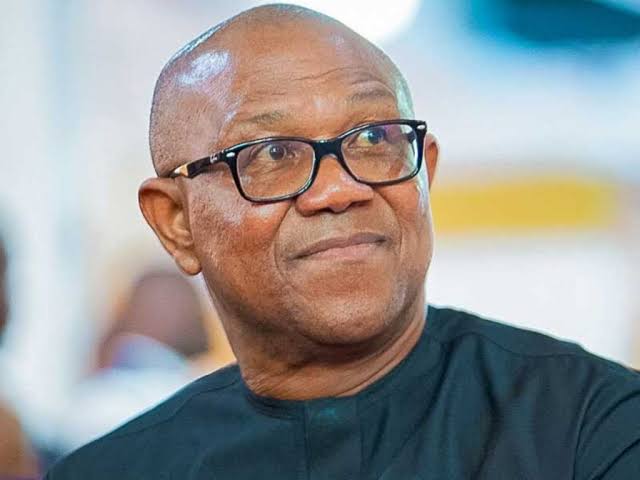
    When I appeared on Arise Prime Time interview with Charles Aniagolu on 2nd June, 2025, I said amongst other things, that any political opposition coalition for the 2027 presidency, which did not include Peter Obi, will not succeed. I stand by that statement. From the caption of this piece, any discerning reader would have already guessed the singular objective of this write-up; to encourage Peter Obi not to be deterred by any force or persuasion from running for the Nigeria presidency in 2027. Here’s the upshot. If Obi runs, he might not win; if he does not run, he is guaranteed not to win.

    The fate of Nigeria hangs on the balance. Most of the Nigerian masses desirous of real leadership change, regardless of their social stratification, education, religion, tribe or political affiliation, hardly consider any person – not Bola Tinubu, Atiku Abubakar, Goodluck Jonathan, Rabui Kwankwaso, Rotimi Amaechi, Aminu Tambuwal, Bukola Saraki or Nasir El-Rufai – as genuinely representing their hope, better than Peter Obi. As contentious as this assertion may seem, it’s no hyperbole. That’s the conflated perception and reality in present day Nigeria.

    Some politicians with vested interests, who understand this reality fully, are already fighting back. They are strategically deploying all forms of trolls and subterfuge to demarket Peter Obi. Corruption is also fighting back, albeit, covertly. The onslaught against Peter Obi is so well oiled and funded; you’d think he is the only person running for the presidency in 2027. Obi’s delegitimization and demythologization are being orchestrated by those awestruck by fear. Two years away from the 2027 presidential election, pre-purposed and pre-positioned media goons are already traducing and pummeling Peter Obi without let or hindrance. Also, those hired hands pretending to be from Obi’s Igbo tribe, are rendering what they want many to believe are even more persuasive, potent, and factually damaging anti-Obi sentiments. They are dredging up vexatious dregs. The assault was long anticipated by those of us aligned with Obi. Still, some heady questions persist: who is afraid of Peter Obi’s presidency and whatever hope it holds out for Nigeria or whatever ill-fate it portends for members of Nigeria’s political elite that belong to the roguish fringe?

    Peter Obi is not a saint. He is the first to admit that publicly. Those who have worked closely with him don’t always agree with him. But he listens. He reads and accepts bad news. He accepts criticisms with saint like equanimity. Because he is human, he does make mistakes. But he is also a servant leader who is willing to adapt; correct his ways and apologize if he errs. He is as deliberate as he is frugal. Also, Peter Obi has the ability to cultivate friends, allies, and adversaries. He is visibly doing that nationwide to the chagrin of his political adversaries. He has left most confused.

    Those who still claim Obi is not known in the North, only tell yesterday’s tales. When ahead of his initial presidential run, they said he was not known in the North and rarely visited the region; he toured the 19 Northern States in two weeks despite the prevailing insecurity. Of recent, more than any rich Nigerian we know, Obi has spent his personal wealth and resources doing altruist work and offering social welfare support around the nation, in the most critical and collectively beneficial sectors. He has given a new face and modality to philanthropy. His public munificence contradicts boldly, the allegations of his stinginess. Yet, some say he is only showboating and wasting his time and resources. Interestingly, his political peers, who possess or have acquired huge largesse from public coffers, have not done half as much.

    I was fully entrenched in the national political mix in April 2022, when Nigerian youths begged the political class to give them Peter Obi. They paid the PDP for Obi’s presidential nomination form, yet PDP’s leadership demurred. Obi and his embryonic Obidient Movement left PDP and found a political haven elsewhere. When thereafter, Peter Obi’s critics and opponents contended that he had no political structure, except for “four men in a room tweeting,” he rallied and grew his “Mustard Seed” support base to well over 20 million voters, and astounded the nation by winning the 2023 presidential elections handily, only for that mandate to be wrested away from him via the INEC legerdemain and judicial subterfuge. When the grab-jacking of the 2023 elections, and the consequent charade of judicial petitions and verdict did not dissuade Peter Obi from further politicking, pro-establishment forces went after his Labour Party, infiltrated it’s ranks with rogue elements, causing its inevitable implosion.
    As an insider, I know and can aver that perhaps, Peter Obi’s main oversight in 2023, was that you never become the leader of labyrinthine Nigeria, without first negotiating with the so-called “owners of Nigeria” about their individual and collective safeguards. Such expedient guardrails not only protect their vested interests, but also form the stickum that holds the Nigeria mosaic in place. Peter Obi needed the “owners of Nigeria” to know, understand, trust, and accept him. The often proffered notion of the “failure to protect his votes,” has merit but was hardly the core culprit. Lack of national elite consensus on the need for sweeping political change was fully at play.

    There were other discernible, if tangential factors. For balance, Obi needed a Northern Muslim running mate. Some of the Northern Muslim politicians, who were approached to run with Peter Obi in 2023, pulled back or pulled out. Almost all wanted Obi to be the number two on any such ticket. Three years later, almost all may have realized their strategic mistake and have changed their minds. Given a second chance, they will readily pair with him in 2027, with Obi heading the ticket.

    Broad realizations of what Nigeria has become, and may yet become, now compels a new thinking. Setting aside the rabble rousing and the revanchists’ default to the tired narrative about the strategic votes required from various parts of the nation to win the presidential elections; the political groundswell for change will trump every other consideration. For most Nigerians, 2027 cannot be business as usual. Nigeria’s political elite know this fact and certainly understand the dire consequences of overplaying their hand.

    Nigerians have heard Peter Obi say routinely that he is not desperate to be president. Yet, many Nigerians at home and abroad are desperate on his behalf. They’ve also heard him say that he will be on the presidential ballot in 2027. Of that I’m dead certain. This has nothing to do with sentiments. As is already unfolding, there will be all forms of political permutations and combinations. Some insidious forces will be planted to derail Peter Obi from running. Some will aim to foreclose on his running. Others will be orchestrated to purvey presumably, better winning options and combinations that can unseat the incumbent. Of the latter, Obi might even be offered yet again, the place of the second fiddle on a ticket. For most Nigerians, this option is off the table as it was in 2023.

    The reality is that the top 2023 presidential candidates, Bola Tinubu, Atiku Abubakar and Rabui Kwankwaso, all knew that Peter Obi defeated them in that election. So, too, did INEC Chairman, Mahmood Yakubu. Of late, some of those politicos initially opposed to Peter Obi are openly confessing that he won the 2023 presidential election. The electoral mandate stolen in 2023 was not just Peter Obi’s votes and victory. It was the votes Nigerians freely cast for Obi and for the betterment of Nigeria and her posterity. The second time around, such votes will double and will be amply protected, even with blood and lives. That much is certain. That’s the present national mindset.

    Four variables make Obi’s run in 2027 imperative. Regardless of the party platform he chooses, his popular support will not wane. His run will also sustain the zoning arrangement that underpins the equity and efficacy of Nigeria’s wobbly federalism; add fillip to Nigeria’s democratic credentials and affirm that a new Nigeria is indeed possible. Every man, woman, and child old enough and registered to vote in 2027 will endeavour to do so. It will most ill-advised for entrenched forces of government and politics, to risk profound fissures and conflict that would arise from any attempt to support or uphold illegalities that will upend the votes and choices freely made by Nigerians. There is only one factor that could change the realities in 2027; that Peter Obi is not willing to be on the ballot. And that is not even an option anymore. Nigerians own Peter Obi as much as he owns himself. He is now a national asset.

    Of Nigeria’s 95 million eligible registered voters, over 33 million or one-third are Nigerian youths, and their votes far outnumber the votes collectively garnered by Tinubu, Atiku, Obi and Kwankwaso in the 2023 presidential election. In 2027, most of those votes, if not all, will go to Peter Obi. They will be protected and will count. Those who think or say otherwise, only unmask their naïveté or profound fears of the prospects of a Peter Obi presidency. Despite all imponderables relative to 2027, I’ll only state by way of advice, support, and affirmation; Run, Peter, Run. Let history take its rightful course.

    ——
    Obaze is MD/CEO, Selonnes Consult – a policy, governance, and management consulting firm in Awka.