Author: kramstyles

  • Enugu East Senatorial District Rally 2021

    Enugu East Senatorial District Rally (Maka Oganiru Nkanu-Nkanu Ebuka)


    Date: Thursday, 17th June, 2021.
    Venue: Michael Okpara Square, Independence Layout, Enugu.
    Time: 11am

    Announcers: Rt. Hon. Edward Ubosi (Ozege), Speaker, Enugu State House of Assembly & Convener

    Rt. Hon. U.S.A Igwesi (Ikemba), Chairman, Media & Publicity Committee.

  • Protected: Test Poll

    This content is password-protected. To view it, please enter the password below.

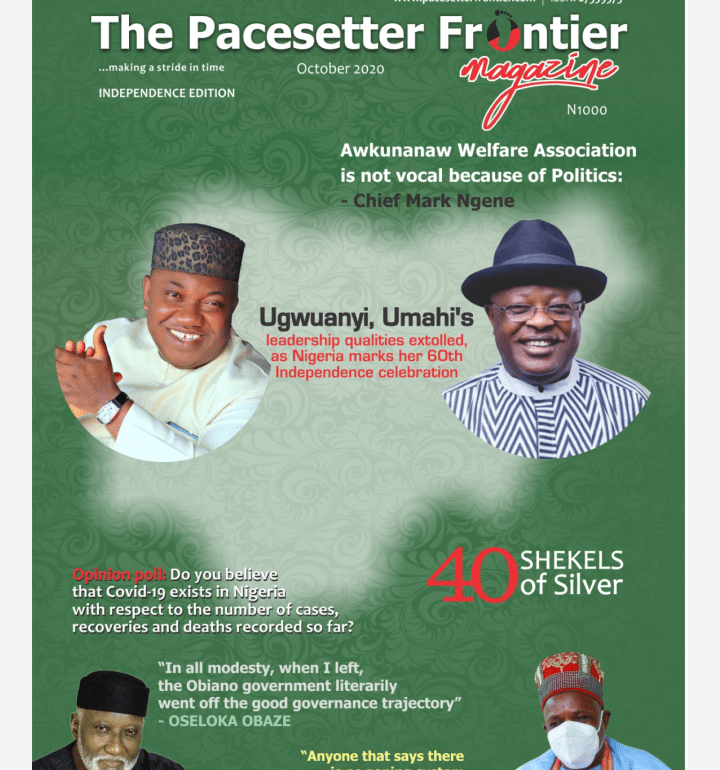
  • In all modesty, when I left, the Obiano government literary went off the good governance trajectory – Oseloka Obaze

    In all modesty, when I left, the Obiano government literary went off the good governance trajectory – Oseloka Obaze

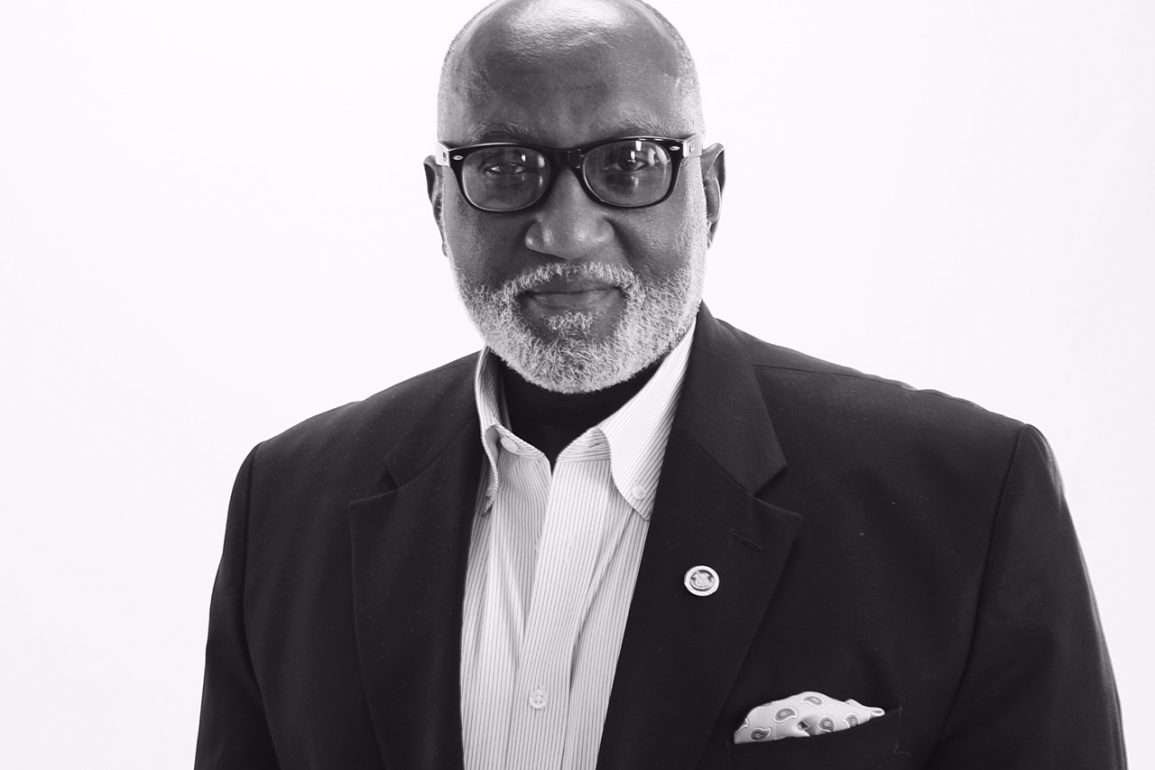
    Mr. Oseloka H. Obaze is a diplomat, writer, public policy and governance expert and politician. He is the MD/CEO of Selonnes Consult, a policy, governance and management consulting firm. He was the People’s Democratic Party (PDP) candidate in the Anambra State governorship election in 2017. A former United Nations official, he served as Secretary to the Anambra State Government under Governor Peter Obi and Governor Willie Obiano from 2012 to 2015. In this interview, Obaze responds to questions on politics, his personality and pressing national and continental challenges.


    PFM: Good morning sir, please tell us about Selonnes Consult Ltd.


    OHO: Selonnes Consult Ltd. is a Policy, Governance and Management Consulting Firm, which I founded after I separated from the services of Anambra State Government in 2015. Overall, at SCL, we aim to contribute towards creating a better Nigeria through advocacy and rendering well-articulated strategic public policies that meet international best standards and practice.


    PFM: What did it feel like being a Diplomat?

    OHO: Exhilarating! At a very young impressionable age of 7 and 8, I knew the words “Diplomat” and “Ambassador” and knew it was something I would aspire to, thanks to a late uncle who was a career Diplomat. My mother wanted me to be an Engineer, but that was not my calling. Diplomats are by nature positive travelers; or in the jargon of the craft peripatetic mandarins. Being a Diplomat offered me the rare opportunity to travel around the world, but more importantly, it offered me great exposure and an unfettered worldview.


    PFM: As a former Secretary to Anambra State government, what were your major contributions to the administration you served under? Are there facts to attest to these?


    OHO: As the SSG I had a synoptic job description, which was “fostering policy coherence and coordination and problem solving.”  My job and position required of me as a public servant and technocrat to be a professional to the core; and a PRO – persistent, resilient and optimistic. I will not blow my own horn of my accomplishments, but the policy options, undertakings and accomplishments during my tenure are amply documented in my 2015 book, Here To Serve. Of my greatest accomplishments: I helped Governor Peter Obi to finish strong and Governor Willie Obiano to start strong and hit the ground running. In all modesty, when I left, the Obiano government literarily went off the good governance trajectory.

    PFM: -How do you mean “the Obiano government literally went off the good governance trajectory”? At least people hear Ndi Anambra chant “Willie is Working”.

    OHO: I do not wish to court controversy. Obiano arrived to vie for Governor unprepared, without a blueprint or manifesto. It was my campaign blueprint and manifesto that Gov. Peter Obi took and gave to him and it was adapted and reformulated into what eventually became the Obiano Blueprint. Naturally, there were additional inputs, but the core premise was based on my notion of governance. The young man assigned to rewrite that template was a member of my campaign and strategic team. At the outset, I had ample leeway to advise on policy formulation and implementation, with a hard focus on cohesiveness, coordination and due process. When I left, theses three variables derailed, governance became freewheeling and transactional. The difference was that I could look the governor in the face and honestly tell him what was working and what was not. He did not always like it, but he knew I was honest and selfless about governance. Good governance is not about political sloganeering, which works well during campaigns, but is a suspect attribute of justifying governance performance that ought to be self-evident.


    PFM: You ran for Governor of Anambra State twice in 2013 and 2017. Why did you decide to join politics after your years as a Diplomat?


    OHO: If you desire to serve you must do so from within and from a position where you can add value. I was a child of two public servants so I have always believed in public service. I had done so, supporting my principals at the federal, international and state levels. Running for office was aimed at serving by being at the helm to articulate and drive public policies rather than merely implementing policies articulated by others. Above all, I wanted to add value by bringing on board, international best practices related to good governance.


    PFM: One would say you had a better outing in 2017 compared to 2013, seeing the technical issues that knocked you out of the race then.


    OHO: In 2013, I was knocked out of the race deliberately, and on technical grounds. I did not have a voters’ card. Only INEC could issue me one, and they shifted the issuance date. I certainly could not have presented a fake card or lie that I had one. I had a window of opportunity to rectify the situation, but those in APGA who were against my emergence pulled the plug before the fact. In 2017, I followed due process, ran, won the PDP nomination, but some powers that be and indeed some PDP stakeholders, mostly from the South for selfish, personal or sectional interests opted to align with the ruling APGA party. They could not countenance a supposed outsider wining the PDP primaries, even though it was free and fair and nationally televised. I lost an election PDP was all set to win; losing had nothing to do with the power of incumbency, but more with subterfuge, in INEC, within PDP and by the ruling party. The Federal might was squarely deployed against us at the last minute to garner a win for APGA and assign APC the second place. I might have lost the election, but Anambra as history has shown was the biggest loser.


    PFM: If and since you knew the things which led to your loss were “subterfuges” from those you mentioned, why didn’t you choose to head to court?

    OHO: My take is that it’s the people and not the Courts that elect leaders. Unfortunately, by default we have subscribed to judicial supremacy in electoral matters thus making the judiciary at all levels the Electoral College. Going to court was expensive, distractive and always with an indeterminate outcome, not based on facts or reality. So why waste my time and resources, and for that matter Anambra State resources? It did not make any sense. My position has since been validated by court rulings on the 2019 presidential elections, and recent court rulings on the Imo and Kogi State Governorship elections.


    PFM: Would you run for Governor of Anambra State again in 2021?


    OHO: In life, you never ever say never! Doing so may prove precipitate and unrealistic. My options remain on the table and indeed remain open. I’m very sympathetic to the clamour of zoning aimed at allowing the South senatorial zone to produce the next governor. But the South must also admit that in the past, they have never offered other zones the sanctity and unfettered space they now seek. It seems all too convenient. More importantly, what Anambra needs now is a capable leader, not a person elected on partisan, sectional, religious or gender sentiments. If the truth be told, Anambra is in very bad shape than most people know, and it will only worsen unless we get a good administrator, who is fiscally disciplined and understand the inner workings of bureaucratic governance. I feel sorry for anyone who might succeed Obiano, myself included, which is not to say I’m running.


    PFM: The practice of zoning public offices is fast becoming a political tradition at all tiers of government and for even appointed offices. Recently, Traditional rulers in Anambra Central Zone stood against zoning in a public statement. Has this helped our system or is zoning an indirect form of Nepotism or Cronyism?


    OHO: Zoning has its utility in prescribed circumstances. It ought not become a preferential policy and in that sense defeatist. Let me repeat what I have said consistently in the context of zoning in Anambra. The South Senatorial zone is not bereft of competent politicians who can be governors. What PDP needs is to put its best foot forward in order to wrestle power away from the ruling party. As such, to win, PDP must present its best candidate and a united front, notwithstanding the zone from which the candidate emerges. The risk we face, is the possible polarization and fracturing of the party as is happening now, over presumptive zoning arrangements. If I recall correctly, since 1999 PDP aspirants from the three Senatorial zones have always competed for the ticket. It happened in 2013 and 2017 so I don’t think it will be any different in 2021. Yet the inherent danger will manifest, if the South decides to scuttle the chances of a person who emerges as the PDP candidate, but is not from the Southern senatorial zone. Were that to happen, the PDP will remain in the doghouse and in political opposition for another four years and perhaps, longer than that. The corollary is that APC and YPP will continue to wax stronger as opposition elements in the State.  Personally, what I seek is good governance in Anambra. There are capable people in PDP who can govern Anambra well, of which I can humbly count myself as one.


    PFM: Recently, oil mogul Arthur Eze took some Traditional Rulers to pay President Buhari a visit. The outcome of the visit is in public domain. Do you think this has an immediate or remote connection to the 2021 gubernatorial race? Do you also support the measures adopted by Governor Willie Obiano?

    OHO: As a matter of personal policy and principles, I decided after the 2017 governorship election not to comment on the activities of the Anambra State government, for good or bad, despite being in the opposition. I will stand on that premise. However, insofar as it relates to 2021 governorship electioneering, I must say that ‘all politics is local’. Routinely, the rich, mighty and powerful in Anambra State play a very divisive and dangerous type of “helicopter politics.” They pull plugs and punches in Abuja, often to their own advantage but inimical to Anambra State’s collective interests. I don’t see Dangote, Adenuga, Adeleke, Otedola, Elumelu and others doing that in their respective states. If they wished to run the state as their individual fiefdoms, the least they can do is subject themselves to electoral suffrage. Mike Bloomberg, a U.S. billionaire ran and served as Mayor of New York City and eventually ran for the Presidency. We need to imbibe international best practices.


    PFM: The debt profile of most African countries is on the rise. Where does this leave Africa as a continent?


    OHO: Africa must continue to look inwards. Intra-African trade capacity is huge and sufficiently broad to serve Africa. There is an inevitable nexus between Africa’s external trade deficit and its growing indebtedness to Western nations and more troubling, to China. With the African Trade Agreement in place, African nations need to collaborate more closely to avoid being entrapped in a collective debt peonage. As things stand, Africa’s debt overhang is already huge and troubling. The optics are not salutary, so we need to change the narrative quickly.


    PFM: With your experience, what do you think Africa needs to do better to get things right?

    OHO: Africa has shining exemplars in some emerging leaders and nations. Rwandan and Ethiopian leaders and countries are validators. Where you elect good leaders, good governance and sustainability will follow. External interests will not develop Africa for us. Our aspirations, policies and governance methodologies must be unapologetically Afrocentric. Quite unfortunately, we cannot say that of our country Nigeria any longer. Once Africa’s bellwether, Nigeria has lost that credential, and sadly so.


    PFM: Nigeria’s economy is obviously in comatose. It could be said that this has an immediate & remote cause. What indices are responsible for this and how can our economy be rejigged?

    OHO: Leadership indiscipline at all levels is our bane. But we must also begin to look closely at the negative impact fostered by bad followers. It is the bad followers that elect bad leaders; and support and sustain them in office. Fiscal, and economic discipline will be imperative. Federal, State and Local government cannot spend more than they generate. We can start by making zero-based budget mandatory. Then we can focus on public procurement policies and the implementation methodologies. The emolument of public officials, especially the legislative branch is hugely embarrassing. I would suggest that we have a Common Regimentation Emolument Structure Table (CREST) where a Senator is ranked with a General in the Army, a Supreme Court Judge, a Minister, the Inspector General of Police and Heads of Statutory Agencies. They should all earn the same salary and the same prescribed perk and perquisites. We are wasting a lot of resources on recurrent expenditure and far less on infrastructure and capita development. We must scrap the two-tier foreign exchange regime and allow the market forces to drive the economy. Economic and political reforms are imperative and one word for that is restructuring. Power and resource control need to devolve more to the regions and states. We Already have NDDC and NEDC, we must complete the mosaic by setting up SWDC and SEDC, thus replicating the functional regional arrangements of the First Republic which served us well in terms of development. For now, the Centre Government is too powerful. In a democracy, that is a contradiction of subsisting tenets.


    PFM: Considering the position of the South East in Nigerian politics, do you see the possibility of an Igbo man becoming the President of the Federal Republic of Nigeria in 2023? Should the Igbos rather clamour for Restructuring?

    OHO: Unquestionably yes. An Igbo person can become Nigeria’s President. We need a President of Igbo extraction not an Igbo President as some aver. The latter is too frightening for some Nigerians. Yet the Igbo nation must rally to a consensus and speak with one voice. There are sufficiently compelling reasons to believe that the Presidency will devolve to the south in 2023. But there will be high contestations for the slot between the three zones in the South. There will also be “spoilers” who will opt for the Vice-presidency slot, thus confusing matters. The position of the South-East needs to be strategically and tactically managed. We cannot take anything or any support for granted. That said, the South as a collective, has to be strategic in handling this matter. Once you encounter an intra-south jostling and bickering, the default option will kick in, which is to maintain the status quo. That will be utterly unacceptable. Contextually, Nigeria must restructure or risk disintegrating. As I see it restructuring will be incremental rather than a one-off formed event. We already see that manifesting in the security sector reform and governance.


    PFM: In the question before the last one, you talked about Restructuring and in the last question, you also talked about Restructuring as a response. It appears Restructuring mean different things to different people. In the two contexts above, what kind did you mean?

    OHO: Simply, we need to fine tune our governance and power and resource sharing modalities. Call it whatever name you want. Nigeria as presently constituted and governed is largely dysfunctional. That needs to change. Restructuring means different things to different ethnicities and vested interests. It scares the hell out of some Nigerians. I don’t believe Restructuring means the Balkanization of Nigeria, even as that remains a remote possibility. We can either come together and agree on change modalities, or risk that happening by default, which may lead to catastrophic implosion of the country. All said, we are long overdue for a change in our governance and power sharing modalities.


    PFM: Thank you so much for these insights. In closing, what do you do for pastime?


    OHO: Well, the Covid-19 pandemic has made us all very insular. There is limited social interaction. So, I spend my quiet time reading. Routinely, I read one book every month; sometimes more than one. Part of my consultancy involves traveling and writing. The travels are very curtailed since the interaction and engagements are now mostly virtual. But I have more time to write. This year I’ve published two books: Waning Strength of Government, which is on governance, and Africa’s Vision – A Second Anthology. Both were released in July and are available on Amazon.com and on several Nigerian online platforms.

  • Sir Nwabueze Nnamani Marks First Independence Day In Office

    Sir Nwabueze Nnamani Marks First Independence Day In Office

    On the 2nd day of March 2020 at the popular Michael Okpara Square, Enugu, the torch of Restoration and Transformation Agenda of Sir Hon. Nwabueze Nnamani (Ikeoha) was lit. Having been called to duty of social contract through the ballot by the overwhelming majority of Ndi Nkanu-West, Ikeoha was sworn in together with sixteen (16) other Local Government Chairmen by His Excellency Rt. Hon Ifeanyi Ugwuanyi, Governor of Enugu. Among other charges given to them by Governor Ugwuanyi are stimulation of the grassroot economy, partnership in delivering democratic dividends, good governance and overall service delivery.

    Apparently aware of how the system works, blended with his undying passion for excellence as a result-oriented personality, Chief Nwabueze Nnamani resumed work in less than 24hrs of being sworn in as the Council Chairman, went ahead to announce critical appointments of his Executives for a smooth take off of his administration. Hitting the ground running at the very blast of the whistle, he has since recorded novel initiatives and commendable progress at regular intervals.

    HEALTH

    Following the lead of the governor of Enugu State, Ikeoha attacked the outbreak of the novel Coronavirus head-on as the outbreak struck in about a month into his administration. Not given to excuses as a trained professional, Chief Nnamani mobilized the health department in adopting all proactive measures to combat the spread, while propagating every preventive and precautionary measures against the killer virus. The Umueze Health Centre and other Health Centres across the local government were given priority attention for adequate service delivery. Chief Nwabueze Nnamani has maintained an Executive Policy of logistics support for the National Programme on Immunization, NPI and indeed the entire health sector of the local government. It is no gainsaying that Nkanu-West LGC shares in the joy, together with our dear governor, for the national commendation of Enugu State government’s distinctive efforts in the eradication of polio.

    AGRICULTURE

    Hitherto abandoned local government tractors are now a source of revenue generation for the Council. Thanks to the genuine efforts of Ikeoha to revive and sustain the agricultural sector. The near a decade abandoned tractors with rusts and stolen parts, have been brought back to life for the council’s use on our local government farms, for hire by Nkanu-West farmers at reduced price and for the general public (farmers) at prevailing market rate. More so, the moribund fish pond belonging to the local government council is also receiving attention and will soon be completely revived. Determined to have a viable local government, Chief Nnamani has identified for harnessing, the natural abundance of palm trees within the council premises and the four Development Centres into revenue generating unit. Today the finance department records revenue accruable from tractor hire and sale of palm oil. This sector definitely is one that his administration will seek to explore further for the overall betterment of Nkanu-West LGA. The area of solid mineral resources is one that past Council Chairmen have dreaded to thread on. Ikeoha invited the stakeholders overseeing this field and had a fruitful discussion with them. Today, Nkanu-West generates revenue from this sector, thanks to the peace moves of Sir Nwabueze Nnamani.

    TRANSPORT

    Oriemba market, the epicentre of Akpugo and the hub of transport activities had been a perennial nightmare of gridlock, occasioned by non-availability of a regular motor park. Transportation activities of motor vehicles and popular okada riders, together with the unorganized trading activities on the single carriage way before now made it very difficult for other road users to ply freely, especially during weekends and yuletide. Sir Nwabueze Nnamani identified this problem and quickly rallied the transport stakeholders. Today, not only has he commissioned a park in use by transporters, the local government now generates revenue through it. The gridlock has since disappeared, and sanity returned to the entire Oriemba market.

    In Agbani, the popular Enugu road section, beginning from across the railway, transporters and business owners who hitherto park their vehicles along the road or encourage big trailers and other vehicles to do so, which impedes smooth road use have been tamed. Nkanu-West LGC now has a Task Force in place to enforce discipline, while making the road free for all users.

    SECURITY

    The administration of Chief Nwabueze Nnamani has ushered in adequate security, peace and progress in Nkanu-West LGA. Following the footsteps of Governor Ugwuanyi, Chief Nnamani has maintained regular consultative engagements with security stakeholders across board in the local government. The synergy between the various security organs, through the leadership of Nigeria Police and the pivotal supports of Chief Nwabueze Nnamani have yielded huge gains in the last couple of months.

    The apprehension of an alleged killer gang rampaging the local government by the Nigeria Police within a very short while after the gang came into the area is a true testimony to this fact. The morale of the Community Neighbourhood Watch and the Central Neighbourhood Watch Security outfits are high because they receive their monthly stipends as and when due, together with other technical and logistic supports from time to time by the local government. The Forest Guards are also not left out.

    LANDS AND HOUSING

    The perennial encroachment on government lands within Nkanu-West LGA is now a thing of the past. The administration of Chief Nnamani has secured the survey plan of all local government landed properties. Trespasses on Agbani City Layout, the four Development Centres making up the local government area, the Ozalla motor park, the proposed Mini Stadium etc are now secured by the administration of Chief Nwabueze Nnamani.

    INFRASTRUCTURE

    Not a few will agree that Chief Nwabueze Nnamani does know his onions as an astute administrator of repute. The conception and construction of a befitting gigantic solar powered monument at Agbani Police Station roundabout is a joy to every Nkanu-West citizen.

    Within the Council headquarters, Chief Nwabueze Nnamani constructed and furnished to taste an Ultramodern Conference Hall fit for purpose.

    The Magistrate Courts 1 and 2 at Agbani were in complete dilapidation before the emergence of Chief Nwabueze Nnamani as the Council Chairman. Ikeoha has moved swiftly to arrest the degenerating situation as his administration has since commenced extensive renovation works on the twin adjoining structure housing the Magistrate Courts.

    The dilapidated Council Pavilion is currently undergoing far reaching repairs and renovation work.

    Through a novel initiative in stimulating and reflating the local economy and small scale enterprise, especially in times like this, Chief Nnamani has attracted renowned investors to partner his administration in a Public Private Partnership (PPP). The transparency of the Restoration and Transformation Agenda has won over the confidence of the investors who have swung into action after completing the necessary paper work. Nkanu-West LGA, the capital of Nkanu Land, strategically located, and with sufficient endowment will witness a boom in economic resurgence and activities, enterprises, employments and revenue generation as it seeks to compete formally with major modern markets located within Enugu metropolis.

    The Ozalla Modern Motor Park with lodging/accommodation provision, bank, 24hrs power supply, security and steady water will dwarf the popular 9th mile and Obollo Afor. The Ultramodern Building Material market ongoing in Agbani has been receiving tremendous interest from the public. In less than two (2) months of commencement, over five hundred (500) interest expression forms were sold.  Agbani Ultramodern Motor Park and stalls is receiving an encouraging interest from business owners and transportation companies as it seeks to ease the already congested Eke Agbani market while improving on the structural plan’s easement. It is instructive to note that the PPP arrangement is on Build, Operate, and Transfer (BOT). Modern facilities such as steady power supply, borehole for steady water supply, perimeter fencing, 24hrs security, banks, modern toilet facilities, good drainage system and concrete/asphalt floors will be found in all the above-mentioned business places under construction.

    Mirroring some of these facilities, Chief Nwabueze Nnamani observed that there exists no toilet facility at Eke Agbani and he quickly moved in and constructed six (6) rooms convenience, three (3) for each gender. This commendable move has helped in no small measures to curb the spread of vector diseases, especially in this era of Covid-19 pandemic.

    TRADITIONAL INSTITUTION AND COMMUNITY BASED GOVERNMENT

    The administration of Chief Nwabueze Nnamani has captured its trademark engagements this time with the traditional rulers and community based government. The Royal Fathers have continued to interact closely with Chief Nnamani on how to improve the lives of ndi Nkanu-West. The Presidents General of the 42 autonomous communities in Nkanu-West have also been meeting at intervals with the Council boss. It is on record that both the traditional rulers and Presidents General have identified unpassable roads, at least a culvert each, pivotal intra and inter community link roads needing attention and the Council will soon swing into action by the end of the rainy season. The local government is currently fixing a broken mini bridge at Amuri community.

    EXECUTIVE-LEGISLATIVE ROMANCE

    The immutable synergy between the Executive and the Legislative arms of Nkanu-West local government is heartwarming. It is on record that Chief Nwabueze Nnamani proclaimed the truce immediately on resumption of office and in less than a forthnight, the Legislative arm was inaugurated and became functional. The yearly budget estimates, the Achilles heels of some past Council Chairmen, was passed into law on record time.

    A TRUE PARTY MAN

    Chief Hon Nwabueze Nnamani is a true party man (PDP). He has carried all organs of the party along while maintaining a good relationship with them all. The party manifesto is not lost in his Restoration and Transformation Agenda.

    STAKEHOLDERS FORUM

    Chief Nwabueze Nnamani continues to involve Nkanu-West stakeholders forum in his plans, programmes, welfare and policy formulation. He rallied the entire stakeholders in a unique bipartisan approach during the local government palliative programme in the heat of Covid-19 pandemic and they contributed financially to procure food items which was shared to citizens of Nkanu-West who occupy the least position on the food chain of the society, including the PLWDs (Persons Living With Disabilities).

    Interestingly, Chief Nnamani also reconvened the stakeholders forum so as to give account of the sharing formula adopted and all expenses made – a true and transparent leadership quality. He has continued to engage the stakeholders at regular intervals in charting the way forward for the overall betterment of all Nkanu-West citizens.

    RELATIONSHIP WITH RELIGIOUS BODY

    The Nwabueze Nnamani administration is enjoying a good relationship with the Church, and rich spiritual supports from the clergy and the congregation. Recently, he appeared as a special guest in so many Church programmes. On Sunday, 13th September, 2020, at Central Methodist Church, Zik Avenue, Chief Nwabueze Nnamani was conferred with an Exemplary Leadership Award together with H.E, Sullivan I. Chime, Chief Ikeje Asogwa, Chief Festus Oshaba (Ferotex) and others, by no less a person than the Methodist Archbishop of Enugu, His Grace, the Most Rev. (Barr) C.N. Edeh on the occasion of the Church’s 20th Anniversary Celebration/Award. Chief Nwabueze Nnamani enjoys a good relationship with all religious bodies within and beyond Nkanu-West LGA.

    WITH WORKERS

    Chief Nwabueze Nnamani maintains a smooth, cordial working relationship with the staff of the local government council. The salary and other welfare packages of staff are top priority on his To-Do-List. Nnamani understands the positive impacts of leading by example. His punctuality and regular attendance to work speaks volume of his passion to work ethics. Ikeoha’s open door policy to all and sundry is unprecedented.

    ICT EMPOWERMENT

    In pursuit of gains, employment, empowerment and societal emancipation accruable from technology, Chief Nwabueze Nnamani has fully operationalized Nkanu-West ICT Centre for the betterment of its staff and citizens. The Council is currently embarking of Free ICT Empowerment Training for her citizens. This ICT Empowerment programme seek to empower eighty (80) substantive trainees in the first batch.

    Chief Nwabueze is exploring avenues to resettle some outstanding participants after the training. Staff of the local government are not left out, as this will optimize their performance. This unique opportunity is open to all citizens of Nkanu-West LG of all age, and it is FREE. Training manuals, writing materials, identification, steady power supply has been provided for the empowerment training.

    EDUCATION

    The intervention of Chief Nwabueze Nnamani in Community Primary School, Attakwu has saved the structure from total collapse. The school building received extensive renovation work and it is now ready for use by pupils upon resumption. Other Primary and Secondary Schools in the local government are also receiving needed attention in preparation for the resumption after prolonged vacation due to Covid-19.

    YOUTH FRIENDLINESS AND MENTORSHIP

    At the peak of the Covid-19 pandemic, the Federal Government imposed a lockdown of movement locally and internationally. The Nkanu Youth Voluteers swung into action, manning various borders for considerable hours everyday across the local government area. This is a testament to the sense of belonging and mentorship that the youth enjoy under Chief Nwabueze Nnamani.

    It is on record that over 90% of his appointments were allocated to the youth constituency. Infact, one of the aides to Chief Nwabueze Nnamani is less than twenty-five (25) years of age. This is a cardinal policy Chief Nwabueze seeks to sustain, borrowing a leaf from our dear Governor, Rt. Hon. Ifeanyi Ugwuanyi who believes that the ultimate calling of a leader is to nurture other leaders, not followers.

    As the vehicle of Restoration and Transformation Agenda of Sir Nwabueze Nnamani continues to crisscross Nkanu-West landscape, let us all be enjoined to partner this Peace Ambassador to leave enduring legacies and footprints that has positive impacts on the lives of the common man even as we pray for Gov. Ugwuanyi and all leaders across board.

    Nkanu-West is in good hands

  • Nigerian President of Igbo Extraction: Should the Igbo Negotiate Power with the North? – By Prince Ejeh Josh

    Nigerian President of Igbo Extraction: Should the Igbo Negotiate Power with the North? – By Prince Ejeh Josh

    Understandably, with the spate of appointments and elections of the Igbos to strategic positions and offices such as Minister of Justice in Canada, Judges in the United States, Chief Economic and Digital Financial advisors in Rwanda, Parliamentarian in the United Kingdom, and other developed climes to help in sustaining and repositioning their economies through their long history of ingenuity and established pattern of imagination, having a Nigerian president of Igbo descent would not only be beneficial to the Igbo people, it would also  be to the benefit of all Nigerians—the North, the East, the South, the West and the Middle-belt.

    However, the determining factors by which the pendulum swings are often inconsiderate of the implication of what a wrong choice would do to the general public, the economy and the progress of the country. Power acquisition in Nigeria is usually determined by primordial and parochial interests of the few, packaged and floated on the aura of ethnic representation. In this regard, what and who define the national interest of Nigeria for the time being echo from the North. Hence, northern agenda is fronted as the collective interest of the people of Nigeria since they have the bargaining power and possess the political will to dictate the direction of the country.

    Viewed from the above perspective; therefore, to clinch the seat of Nigeria’s President, the South East zone needs the North more than it needs any other geopolitical zones. The Igboman must be willing and ready to negotiate power and reach compromise with the core north. They are not just the power brokers; they equally have in their possession the power bloc, centre structure and formidable voting strength to prosecute any electoral race. But the Igbo nation must first come together, put its house in order and flag the common interest of the zone.

    It is important to sound this note of warning: blackmailing a section or sections of the country in order to cajole them into conceding the top seat to the South East would only serve to reinforce the existing mutual suspicion and distrust between the Igbo ethnic group and other ethnic groups in the country. Thus, the assertion recently attributed to the former Governor of Enugu State and former People’s Democratic Party, Chief Okwesilieze Nwodo, that the “Igbo elite” would join Mr. Nnamdi Kanu’s led Indigenous People of Biafra (IPOB) to demand for secession if the Igbo were not considered for the seat of the Nigeria president in 2023 general elections was not in the best interest of the Igboman. It, in fact, added more salt to injury. Power is not given on a platter of gold. It is taken. It is fetched not by playing victim but by valour. It is time to manage our relationship with the North to get their support.

    The Igbo people are in dire need of the position of president of Nigeria. There are far-reaching consequences for this. Federal presence in Igboland will remove the hostile political policies working against the South East zone. These policies are directly and indirectly inhibiting the realisation of the full economic development of the geopolitical area. Having a south easterner at the top will activate the actualization of the Igboman’s ingenuity and will serve as a catalyst for industrial revolution extending far beyond the shore of the east. This is what the Igbo must sell to woo more voters. They must play by the rule: playing the fool game to get what they want, and strike with brazen ruthlessness after capturing power.

    It is no longer news that different ethnic groups have started beaming their searchlight for candidates they could present and position to take over the mantle of leadership from President Muhammadu Buhari on May 29 2023, after the president would have constitutionally served out his second term and last tenure; however, the unanswered question many are asking is: What is the fate of the Igbo nation in this political conurbation called Nigeria?

    In a loose sense, the South East is relatively lacking in voting strength with little or no power bloc that would enable it to navigate negotiation from a vantage position. This is apparently driven by widespread political apathy and mutual suspicion entrenched over the years by political stakeholders in the zone to achieve their selfish ends. Today, all factors duly considered, the East lacks a political structure and depends on external influence for political decision. This could, perhaps, have accounted for the outburst of the Minister for Transportation, Mr. Rotimi Ameachi, a south Southerner Ubima, Ikwerre man; that the Igbo people had nothing to offer and nothing to bring into the negotiating table for the 2023 presidency. Isn’t this harsh? However, is it true? Questions for the Igbo to answer in all sincerity.

    Whether the present political configuration has greatly worked against the Igbo nation has never been in doubt. Over the past 54 years, the Igbo nation has remained an undying prey in the country. Perhaps, this is plagued by internal dissension and disunity among the Igbo elite on the one hand, and between the elite—ruling class—and the disenchanted masses—deliberately impoverished downtrodden—on the other hand. It is a protracted struggle working against their collective interest. In fact, this had accounted for the IPOB agitation which the elite are now planning to infiltrate.

    In addition, Igbo’s greatest disservice to the eastern zone is their inability to think beyond immediate material gains and “stomach infrastructure”. Every indigenous political party of the Igbo extraction is not fronted to achieve the greater goals of the Igbo nation. Instead, it’s aimed at satisfying individual’s political gain. For example, APGA was once seen as an Igbo political party meant to fly beyond the South East. It later turned out to be a tool for selfish end. Between 2014 and 2015, APGA stakeholders became more of PDP party loyalists than they were to APGA. The same applied to the PPA which had ferociously won two states of Abia and Imo states. It also turned out that it was intended for that immediate purpose before it was discarded with mindless abandon.

    For record purpose, the Action Congress (AC) which later changed its name to Action Congress of Nigeria (ACN) started with one state. The Jagaban, Chief Bola Tinubu, had a vision and mission beyond Lagos state, South West zone to the entire Nigeria. He kept the struggle and hope alive against all odds. He weathered the storms and swam against the tide. He did not do this alone. He worked with other progressives who could see and think beyond their stomachs. It even extended its tentacle and influence to the South East where it produced a Senator of the Federal Republic of Nigeria. Interestingly, the ACN won and established its influence in many states. The story was the same with Muhammadu Buhari’s Congress for Progressive Change (CPC). The pioneers of the party were seen as unserious. But they were undeterred and unfettered in their struggle to capture the apex political seat in Nigeria. With their rigorous consultations, negotiations and convictions, the party merged with other political parties. They won. It took the country by surprise. That spirit is what is lacking in the South East.

    In a recent post I made titled, “2023 Presidential Election: The Igbos and the Politics of Self-defeatism”, my readers were sharply divided on some salient points they felt I left unaddressed. They, however, unanimously agreed on the self-inflicted misfortune incurred upon themselves by the Igbo nation. I’ll take out time to address some points raised by commentators as reactions to that work.

    Many were of the opinion that immediately before the 30 months Nigeria Civil War; the Igboman literally occupied major sectors of the political system. They had argued fervently that the outcome of the Civil War where vanquishers and the defeated emerged accounted for the alienation and consequent passiveness of the Igbo people from the Nigerian affairs.

    This is not entirely true. The Civil War could have played a pivotal role, but the acephalous and crude republican nature of the Igbo could better describe the reason for this self-alienation. Nigeria belongs to all. It’s a shared heritage and pride for every Nigerian. It’s never a property for any isolated section of the ethnic groups that made up the country.

    For political historians and sociologists, and indeed, those that have been following the political development of Nigeria, it’s well-settled that the surge in political re-orientation that birthed a form of renaissance in the East was occasioned by Dr. Nnamdi Azikiwe and his disciples. This gave the Igbo Nation the much needed ground to leverage on the opportunity presented to thrive. Azikiwe’s “My Oddessy” and Okechukwu Ikejiani’s “The Unrepentant Nationalist” are quite insightful for readers. Available records of the political reawakening in the old Eastern Region pioneered by Zik show a radical paradigm shift in political behaviour. Sadly, this formative development ended with the outbreak of the Civil War. The Igbo lost power and had to recoil to its old shell of political desuetude.

    Culture, it is understood, is dynamic. It grows with the people and adjusts to the demands of time. A culture that persists in rigidity would soon find its way to extinction. The Igbo Nation must adjust to a more favourable political climate and culture borrowed from those working efficiently. What happens when there is a culture lag? The result is a point called “melting pot”. The Igbo must shed that aspect of its political culture holding them back from fully exploiting their destiny and capability. Their pattern of political behaviour must be receptive and adapt with the reality of Nigeria. Until then, electing a south easterner as president will continue to be a far cry.

    In a recent development, the Igbo Nation appears livid, bickering over the need for a Nigerian president of Igbo extraction. While it’s not out of place to ask for the slot, it’s not enough to make a noise or grouch about the treatment of the Igbo in Nigeria. At the risk of repetition; power is never given. It is taken. Politics, as its definition entails, is the struggle for power. The Igbo nation must not only go for the power, they must also clear every hurdle standing as impediment to their mission. They must strike hard at any force against their interest. Fetching power in a country of disequilibria political equation entails a collective ruthlessness. This is why the East needs to negotiate and reach a compromise with other zones, especially the North. The South East must stop crying and put up armour of readiness to strike politically.

    In this regard, they must not wait to get to the bridge before planning how to cross the river. Gone were the days of the biblical allusions of the Israelites at River Nile unprepared for their journey. If the Igboman is waiting on God to break their “Wall of Jericho” by making a noise, then, a Nigerian president of Igbo extraction will remain a sort of dream triggered by malaria. I quite agree with Engr. Arthur Eze when he submitted that it’s only God that could make Igboman a president. The implication is that the Igboman may never become a president if he fails to work for it. It hurts but that’s the bitter truth.

    I recently read a column by Nnaji Jekwu Onovo in the Sun newspaper with the title: Ndigbo and Subsisting Crisis of Confidence. I agree with most of his submission. “In Igboland, there is always the crisis of confidence, as they never trust constituted authorities in their ethnic block (sic). The crisis of confidence and disunity is visible in almost all sectors and affairs of Ndigbo…Bitterness and humiliation pervade Igbo society, provoking strong nationalist reactions, yet Igbo nationalism has assumed different forms,” Onovo frustratingly noted.

    Such frustration represents the psychological state of mind of every progressive Igboman. It is high time leaders assumed responsible characters and imbibe the spirit of honesty in their representation of the people. Likewise, it’s also time Igbo people started respecting their leaders and allow them to speak for the collective interests of the zone. Leaders and statesmen must learn to forgive. They must learn to champion the interests of the east divesting themselves of personal aggrandizement. The people of the East must come together and work together.

    The North, West and South have had their leaders always at the forefront fighting for the interests of their entire zones. They put aside their internal fracas whenever their collective interest is at stake. They go for it, fight for it and get it home for their people. Perhaps, we have people that could be considered as national leaders and who must assume that position and speak for the interests and well-being of the south East. The list is inexhaustible but some names will be given below. Chief Chukwuemeka Ezeife, Sir Alfred Achebe, the Obi of Onitsha, Sir Ken Nnamani, Emmanuel Iwuanyawu, Senator Jim Nwobodo, Chief Okwesilieze Nwodo, Senator Abaribe Enyinaya, Chief Chekwas Okoli, Chief Nnia Nwodo, Prof. Obiora Ike, Senator Pius Anyim, Prof. Barth Nnaji, Prof. Chinedu Nebo, Archbishop Emmanuel Chukwuma, and a host of others. These people may represent a voice of reasoning for the Igbo Nation. They have the will, wit and gut to champion the cause of the Igbo Nation before the country. In subsequent articles, their pedigrees would be evaluated.

    The Igbo nation also has ably qualified and competent men and women who have distinguished themselves over the years and would perform better as President of the Federal Republic of Nigeria. Many of them have a national appeal and have unassailable track records in governance. This list, too, is inexhaustible. Any of these candidates can be positioned for the top job. Senator Orji Uzo Kalu, Senator Rochas Okorocha, Mr. Peter Obi, Barrister Geoffrey Onyeama, Engr. David Umahi, Prof. Kingsley Moghalu, Mr. Sullivan Chime, Chief Ike Ekweremadu, Mr. Ogbonna Onu, Chief Ikeje Asogwa, Mrs. Okonjo-Iweala. These candidates have their objective assessments on ground, and they have performed exceptionally well.

    Now, the ball is on the court of the Igbo leaders. They must not wait for 2023 before working for their destiny. The game has already begun, and the South East should define their path. They must come together, push together, swim together and fight together. Let the political consultation, lobbying, persuasion and tour begin!

    Prince Ejeh Josh, B.Sc, Political Science, LLB, Law, M.Sc, International Relations and Strategic Studies

  • Forty Shekels Of Silver

    Forty Shekels Of Silver

    By C.V.C Ozoaniamalu

    30th May, 1979, Charles Ilodiegwu’s Premises

    The night was cold and windy. Darkness was thickening in on earth, embellished with unfriendly knocks of thunder and accompanied by dazzling flashes of lightning, seemingly voicing out the anger of God and leaving His glories in the consciousness of men. The raindrops in contact with the roof produced incessant harsh sounds of two tambourine struck against each other in painful revolt. The force of the wind making the window shutters squeak.

    She was alone in her room upstairs, terrified. There seemed to be a naked vulnerability about her. She laid on the bed, neatly folded in the duvet. Her mind carefully replaying all that had happened in the past month. The more she thought about those, the more horrified she became.

    “Charles’ death was not an accident,” she thought.  She had had terrible nightmares, and in each of these nightmares, Charles had appeared to her. His face swollen, skin sallow and with a sober voice he would plead for immediate vengeance. She had tried asking him, in one of those nightmares, whom it was that killed him. But before he could speak up, she would be awoken back to reality. After that night, she had waited patiently for another nightmare, just like the watchman waits for dawn. Her waiting had the patience of a hunter. She would intentionally miss work and appointments to wait for Charles’ appearance but he never came. She had suddenly started suffering from insomnia. However, tonight she had made up her mind that Charles must come, if not, she would have no reason to wait anymore.

    Having swallowed three pills of benzodiazepine sedative hypnotic sleeping pills (Triazolam (Halcion), she was good to go. Prior to taking the drugs, she had performed some sort of stupid ritual which she strongly believed would summon the hallowed though broken spirit of Charles. She had placed his best suit, the blazers Charles had worn on their first date and spread it on the bed, his Emporio Armani designers shoes she also dropped beside the suit. Lastly, she sprayed the room with incense and Charles’ best perfume which she thought would quicken his arrival. With all these done, she slipped in beside the glorious idol of Charles she had made while she held in her hands the note he dropped for her on that doomsday; which read, “See you soon, my doppelganger.” Those words were resonating in her, bringing back old-buried memories. She became nostalgic.

    “I’m still waiting here for you, dear,” she cried, “make haste.” Closing her eyes, ready to meet Charles and have the secret which had been bottled for months open up. The drugs started taking effect, she suddenly became dizzy, her eyes too heavy to control. She heard footsteps climbing the stairs, moving towards her room.

    “It will sure be Charles,” she thought. She suddenly felt hungry but she dared not stand. His coming was a promised feast for the hunger that burnt within her.

    The door flew open by a hard push, she attempted opening her eyes but her eyes were too heavy. As the footsteps came nearer and nearer, she became curious and more curious. Suddenly, everything became quiet like a graveyard; no sound of the footsteps, no thunder, no window nor door squeaky sounds.

    “Eunice, say your last prayer,” a masculine voice whispered, breaking the silence. Recognizing the voice, she forced her eyes open. The picture of the man was blur with an iron rod in his left hand, she knew him very well by his voice.

    “So it had been you all these while,” she was barely heard. She gathered the remaining strength she had trying to stand and run but it was too late. The man struck her with the iron rod straight to her temple, the excruciating pain sent some pangs up her brain.

    The striking continued. He only stopped when she stiffened. He mounted her motionless body without conscience, his male hardness forced deep inside her, tearing her like a lion. He pounced and pounced on her dead body until he achieved orgasm.

    In a gentle weird voice, he whispered, “FORTY SHEKELS OF SILVER.”


    GUARDIAN NEWSPAPER FRONT PAGE READS: “Wife of Late Chief Charles Arinze Ilodiegwu gone missing with no trace of her whereabouts, barely two months after her husband’s mutilated body was found lying helpless in front of their house.”

    ****************************

    18th August, 2006, CISTERCIAN MONASTERY, MOUNT SAINT MARY’S ABBEY, OWERRI

    At the end of the Novitiate years, Sr. Anastasia and Sr. Mary-Cynthia were ready for their solemn profession and monastic consecration into the order of St. Benedict. After a significant number of years of living, praying and working in the community, growing in self-knowledge of God and others, being in continual prayer, service and understanding of God and fidelity to their vocation. The women were ready to throw their lot with this community and way of life as a means to Union with God.

    “By monastic profession, a sister is consecrated to God and joined with the monastic community that receives her. At this time, the consecration received in the sacraments of baptism and confirmation is renewed and given vitality. The sister binds herself in faithful stability to a sincere conversion of life through ready obedience until death.” OCSO Constitution 8.

    The evening before the final profession, Sr. Anastasia and Sr. Mary-Cynthia, the sisters to be professed and their abbess prostrate themselves before the Blessed Sacrament after Vespers as they make profession of the three Benedictine vows.

    First, the vow of stability of place, obliging themselves to make constant use of the means of the spiritual crafts in the community, and trusting in God’s Providence. Second was the vow of conversatio morum, that which binds a sister to follow the gospel and binding herself to the practice of Cistercian discipline. They were to retain nothing to themselves, not even authority over their own bodies, for their bodies are the temple of the most high. Vow of obedience seals the profession as final, by this vow they desire to live under a rule and an abbess promises to fulfil all that lawful superior’s command in accordance with these constitutions. The next day, they were professed and were clothed with the habit of Christ.

    The next day Sr. Anastasia was assigned to take care of the sick while Sr. Mary-cynthia was assigned to take care of the children with down syndrome. The sick were kept at Block B building while Block A housed the special children. The Block B was an old yet clean two storey building, with faded yellowish paintings, whistling pine trees and flowers which gave it a nice view. At the right side of the building was the statue of pieta and a large crucifix, an epitome of holy land. There’s a bold inscription on the front of the building which reads, “Jesus, the name that heals our diseases”.

    Sr. Anastasia was following an older Sister who was showing her around. There were 6 of them who were terribly sick. Almost every one of them, as she was told were picked up from where their families abandoned them. Out of all she saw that day, she had taken fancy to one, she was an old woman introduced by the older Sister as Mary.

    Mary was on her sick bed in room 69 of the monastery building for the sick. Her eyes were dull, body pale and sallow, her face still bore that remnants of beauty. On the foot of her bed was a chart which gave some details about her. Sr. Anastasia, whose new function was to replace the older sister started by reading out Mary’s chart, her face tightened as she read:

    Name: Mary

    Admitted:  4th June, 1980

    Location: Nil

    Family: Nil

    She stopped abruptly when her eyes caught the last words. She had not spoken since admitted, guessed to be deaf and dumb.

    “SHE’S CHRIST IMAGE, TREAT HER LIKE YOU WOULD TREAT CHRIST.”

    Sr. Anastasia was shocked by those words. She cast an eye of pity on her. “The book which keeps the detailed account of every Patient admitted into this place, has her as the oldest patient,” said the oldest sister. “Where can I get the book?” “At the Monastery library, shelf 18.” The next day she was at the Library reading Mary’s record. She felt bad for her. She made up her mind to care and pray for her, hoping she would recover soon.

    ***********************

    1978, VENICE LAW FIRM, VICTORIA ISLAND, LAGOS

    Rex O.A Esq., owner of Venice Law Firm, a short, stern and undemonstrative man with an aristocratic face was heading a meeting at the third floor of the law firm house in Victoria Island. Gathered for the meeting also were three strong-headed men, each with his complex nature, tribe and background forced into an irretrievable brotherhood by a mere adoption by Victoria Robinsons.

    Rex, the company lawyer was about reading out the agreement of the company head in Britain to whom Victoria sent the name of her successor. Seated at Rex’s right hand was Charles Arinze Ilodiegwu, the swarthy dapper Igbo man, whose intelligence had gotten him into the family of Victoria and James Robinson, the pleasant British couple, who were the Managers of Shell D’archy, a British owned multi-billion oil dynasty that girded the globe. Charles had every sense of undercurrent that flows beneath the deceptively calmed surface. He knew the operations of the colonial rulers, how they drill out oils from his motherland, sent them back home and brought it back to be sold to them at a higher cost. He was waiting for the perfect time to debunk all those and the time had come.

    Seated after Charles was the famous Femi Ade. The handsome Yoruba man, with his full hair, charming eyes and an engaging smile that made women want to wear him like a badge. Someone had sometime said that he looked like a god. To add it up, he had become part of the Robinsons by mere adoption and the combination of all those was irresistible.

    The last man seated at the left side of Rex was Ahmed Musa Bello. The most concrete Hausa man, with gruff impatient manner and a temper that could melt an iron. He was always aloof from the other adopted children of the Robinsons. In fact, if there were any eerie little cult of young weirdos, Ahmed would definitely be made their leader.

    So many years ago, these three men had their mothers working at the Robinsons’ residence as cleaners. Bitterly enough, a gas explosion at the Robinsons took over their mothers’ lives at their tender age together with that of James Robinson. Leaving Victoria Robinson with no option than to adopt those three sons of her cleaners and raise them as hers. She loved them, and gave each of them the attention they needed. She was intelligent and a perfect mother. She knew the faintest details of any of them. Starting from their tribes and religions and running down to their favorite dishes and birthdays.  The three children were different in all things except in the color of their skin. Even though she had housed their bodies to unite them, the blood in them triggered behaviors which shouted loudly their differences. She was controlling three super minded nations.

    To Victoria, Charles was that child who asked a lot of questions. The questions came deeply rooted; questions which sometimes got Victoria wondering if he was a man in a child’s body. He was too curious for his age. In his innocence, he would ask; “Since you’re English, why are you here?” “Why are there so much whites at the company than blacks?” Thus, she began picking interest in him more than the other two. When he came of age after graduation, she made him her personal secretary, attending the company’s board meetings and events, writing minutes at meetings, drafting documents for customers, making out researches for new areas where oil may be found at commercial quantity, navigating midnight calls, and fixing schedules for their mothers to meet with partners. With time, Charles learned so well and faster too. His productivity was second to none. By the time Femi and Ahmed were through with schools and ready to join the company, Charles had chewed and diluted every bit of the company. And when the company was printing her success on the sands of time, Victoria Robinson died.

    Rex tore the parcel which contained the conclusion of the company on who takes after Victoria. “The company had deemed it fit to select as a replacement of Victoria…Eu-“ the name choked him “Eunice Ilodiegwu.” The mention of the name surprised everyone except Charles. Eunice was Charles’ wife, who had never been to any of the company’s meetings but knew more than anyone who sat on the board meetings. She was an enigma. Most of the brilliant works Charles had done for the company were all prompted by Eunice. At Victoria’s death bed months before, she was congratulating Charles for an agreement he reached with a Chinese company but Charles had told her that Eunice was the person to be thanked, not him. And he innocently told Victoria about Eunice’s creativity, and the details got Eunice the work. When the news got to Eunice, she was shocked, she became happy and afraid at the same time. Charles promised to be at her side.

    After One month, she was inaugurated into the board. Chairing a meeting of ten powerful men. They were all surprised at her intelligence, the way she tackled difficult situations. She was larger than life. Charles was proud of his wife, same as his brother Femi Adesina, but to Ahmed, she was a threat which had to be removed.

    Barely two months after the inauguration, Charles was leaving to catch a flight heading for Britain, he had woken earlier than normal at the wee hours of the morning. He surreptitiously dropped a note for her wife avoiding waking her up, then drove off. He noticed a car coming after him, the car was speeding up to catch with him. He sped up too but it was too late. He was double crossed by another car. The man in front fired five bullets into his skull. He was dead. The next three days, the mutilated body of Charles was seen lying in front of his residence. Charles’ funeral took place at his premises. Eunice was looking at the faces of all that came. She focused more on Ahmed who was weeping bitterly.  “He’s the wolf in a lamb’s clothing,” she thought. She was flanked by Femi Adesina and his wife, Ella Adesina. They were all she had. She was ready to avenge Charles’ death. After the funeral, the police headquarters in Ikeja had started an investigation into Charles’ death. After three weeks, the police reported that nothing was found. Eunice encouraged them to search deeper even if it meant increasing their pay.

    On 30th May the next year, she got a call from a stranger who asked her to meet him at 28 Omani Crescent, G.R.A, Lagos. On arriving that morning, people were gathered in front of the address the man had given her. She asked one of the persons standing what was happening, he told her the man was murdered and his corpse was found this morning in front of his house. She felt bad, “maybe if I had arrived earlier, I would have met him” she regretted. The next morning, Eunice was declared missing.


    CISTERCIAN MONASTERY

    1ST OCTOBER, 2007

    It was the first Sunday of the month of October, a day complacent with no promise of surprises. The Sisters of the Cistercian Monastery were having their recollection, a day graciously preserved for examination of one’s conscience. Not much work was done on such days, except prayers and wholesome recollection.

    As contemplatives, the Sisters gave themselves faithfully to Liturgy, prayers, vigils, sacred readings, fasting, solitude and silence according to the rule of St. Benedict and the constitutions of the order. The community lived by the labour of its hands. The 48th chapter of the rule of St. Benedict states, “For then, they are Nuns in truth, if they live by the works of their hands.” The main source of income was the making of Alter bread which is supplemented by a large yam and rice farm and garden palm and fruit tree plantations and some candle making. The community also maintains a spirit of generosity, care of sick and hospitality.

    The environment was serene and quiet until a scream was heard from Block B building which housed the sick.  It was terrifying. Sr. Anastasia and Sr. Mary-cynthia had to rush to the place the scream was coming from. Lo and behold, it was Mary shouting! She was saying things Sr. Anastasia couldn’t comprehend.

    “This is a miracle!” shouted Sr. Anastacia. It didn’t matter whether her words are incoherent, at least she talked after so many years. Within an hour, all the sisters were at the foot of Mary’s bed. Each wore on her face, a look of glory.

    “Where am I?” she asked, “And how many years have I been here?”

    “Mary, you’re at the Cistercian Monastery in Owerri,” the Mother Superior answered.

    “Who is Mary?” she asked in confusion. “Me?”

    “Yes, some of our Sisters picked…. sorry….” she paused, to search for the right word, “found you helpless in your pool of blood near our gate in 1979, we thought you were dead but at a close examination, we found out you were still breathing. After one week of care, you opened your eyes. We waited for you to speak but you didn’t, we thought maybe it would take some weeks, not knowing it will take years. So, we needed a name for you, Mother Superior gave you the name Mary, believing that the mother of Jesus would intercede for you and she sure did,” she said.

    “I’m Eunice Ilodiegwu,” she cried.

    She went down memory lane sharing her story with the sisters gathered around her. At the end of it, they were all crying. The next morning, an aged woman and a Nun were driving into the magnificent Robinsons residence.  “We have a very helpful information for your Boss,” said the Nun to the man at the entrance. “A nun and an aged woman said they have some information for you, should I allow them?” the man spoke through the phone. Minutes later, they were led into the hallway. They were ushered into the man’s office but only the Nun entered. Femi Adesina and Ahmed were seated waiting to hear from the religious woman who appeared from nowhere.

    “I have a privileged information for your company but I would like to address this to all the board of directors,” she politely said. The next minute, the board members were seated at the conference room. The Nun entered with the old woman. Seeing her, they recognized her. All stood on their feet in shock. “I’m alive and I’ve come to avenge my husband’s death,” she said. The room was in a frenzy. She looked at the direction where Ahmed was sitting. She nodded her head and said, “Appearances are deceptive, I’m sorry Ahmed for thinking you killed Charles, but I was wrong. It has always been the closest person to him. Femi Adesina can you tell the board how you did it or…”

    All face looked towards Femi Adesina. “They offered me forty shekels of silver,” he cried. “What’s forty shekels and who?” asked Ahmed furiously. He opened his mouth to talk but collapsed.

    Author’s note: All names are fictitious
  • Ebonyi at 24!

    Ebonyi at 24!

    Ebonyi State is one of the five eastern states in Nigeria. It was created on October 1st, in the year 1996 among six other states created by the then federal military government of General Sani Abacha.

    The state is occupied mainly by Igbos and has Abakaliki, the largest town, as its capital city. There are other towns which make up the state and they include, Onueke, Afikpo, Uburu, Aba Omege, Okposi, etc.

    Ebonyi State is well known for their salt and limestone production, with the latter situated at Nkalagu. They share a border with Benue State to the North, Enugu State to the west, Imo and Abia States to the south and Cross River State to the east.

    The state was generated from parts of Enugu State and Abia State, while Ohaozara was created from Abia State and Abakaliki was created from Enugu State. Ebonyi has thirteen Local Government Areas which will be listed later in this article. It also has three senatorial zones which are: Ebonyi North senatorial zone, Ebonyi Central senatorial zone and Ebonyi South senatorial zone.

    These senatorial zones are represented by a senator at the National Assembly. The state also has six federal constituencies, with each being represented by a member of the House of Representatives. Ebonyi North comprises of Abakaliki, Ebonyi, Ishielu, Ohaukwu and Izzi LGAs, Ebonyi Central comprises of Ikwo, Ezza North and Ezza South LGAs, while Ebonyi South comprises of Afikpo North, Afikpo South, Ivo, Ohaozara and Onicha LGAs.

    The Local Government Areas in Ebonyi State

    1. Abakaliki
    2.  Ikwo
    3. Ohaukwu
    4. Onicha
    5. Ohaoazara
    6. Ivo
    7. Izzi
    8. Afikpo North
    9. Afikpo South
    10. Ezza North
    11. Ezza South
    12. Ishielu
    13. Ebonyi

    Narural Resources in Ebonyi State

    The state is richly blessed with numerous mineral resources such as limestone, as was mentioned earlier, lead, zinc and marble. It is called the Salt of the Nation because of its huge salt deposit in Okposi and Uburu.

    Agricultural Resources

    The state is mainly populated by farmers. And the major agricultural products in the state are: rice, palm oil, cocoa, maize, fruits, vegetables, yam, cassava, melon, etc.

    To make the citizens of the state more hardworking, the Governor banned the buying of foreign rice and has made sure that any other rice aside Abakalili rice cannot enter the state. Anyone caught smuggling such rice into the state or selling it is punished according to the rules and regulations guiding the state.

    Industries

    There are several industries in Ebonyi State, they include the food processing factories such as the rice mill, a fertilizer blending plant which is situated at Nkali poultry, many quarry factories and also cement factories located at Nkalagu.

    Culture

    The state has a very rich cultural heritage. This can be seen or expressed in the numerous cultural dances, artwork and folklore.

    The well-known Nkwa Umuagboho Dance Group of Afikpo has brought home to the state many national and international merit awards. There are other popular dance groups in the states such as the Ojianyalere of Amasiri and many others.

    Education

    Academically, the state has done specifically well and has done their best to produce exceptional students who have represented the state many times.

    The state has a university in the capital city of Abakaliki (Ebonyi State University), a federal university (Alex Ekwueme Federal University Ndufu-Alike Ikwo), a federal polytechnic (Akanu Ibiam Federal Polytechnic, Uwana), a college of education in Ikwo, a college of agriculture in Ishiagu and several secondary and primary schools in various towns of the state.

    In order to show the love he has for education, the state Governor in 2019 promised to give any student who bagged a first class a scholarship to pursue their masters in any course of their choice from the state university.

    Health

    In the area of health, Ebonyi State was once ranked as the best in producing able doctors and nurses. This was acknowledged during the administration of the then State Governor, Chief Sam Ominyi Egwu. And Ebonyi State has kept this legacy on. There are two major hospitals in the state, which are: Federal Teaching Hospital, Abakaliki and Alex Ekwueme Federal University Teaching Hospital.

    There is also the National Obstetric Fistula Centre which was built for the treatment of fistula cases, breast and cervical cancer, mammogram examinations, physiotherapy and family planning.

    There are also schools of health in the state which includes, School of Nursing, Uburu, Ebonyi State College of Medicine which is still under construction and which is specified to make the state a place of medical tourism. There are also general hospitals in the state and many private hospitals and clinics in different parts of the state.

    Ebonyi as of Today,

    when compared to the previous administrations of the past Governors of the state, there is a very huge difference. The previous administration led by His Excellency, Chief Martin Elechi was nothing compared to the present administration.

    Every of the previous Governors had the opportunity to mold the state into something worth presenting but only one seized that opportunity. This does not mean that the previous Governors didn’t try during their time but we can’t also deny we love what we are seeing now.

    Ebonyi today has become a major tourist attraction, thanks to the state Governor who has left no stone unturned since he gained power. He has made sure to lift up the appearance of the state and has reconstructed many areas of the state, making it unrecognizable to anyone who knew the state before.

    The wonderful transformation of the state which ranges from the roads and other infrastructures is one of the reasons of this article. He constructed flyovers at different major roads in the city and constructed bridges for easy transportation.

    At the Spera en Deo Junction, is a shopping mall still under construction and an Ecunimical Centre which was constructed for worship, this Ecunimical Centre will be a place of worship for Christians of all dominations and faith. The shopping mall, we hope would be finished soon and inaugurated.

    Chief (Engr) David Umahi was ranked as one of the best Governors in Nigeria, following the rate at which he has changed the appearance of the state and how fast he is in paying salaries, making sure that the needs of the state civil servants are met. He has made Ebonyians proud and given them the power to be bold wherever they find themselves.

    In his stay in office so far, no community clash has been recorded, this was one of the first things he did when he resumed office, to make sure that the different communities in the state were in peace and one accord with each other. And we are highly impressed with this strategy, for with peace comes different blessings.

    The different infrastructures constructed by the State Governor includes: the over head bridges at different areas of the state, the constructed roads connecting different towns and states, the street lights at every area of the state and many more.

    Other tourist attractions in the state include Ndibe Beach in Afikpo, the salt lakes in the towns of Okposi and Uburu, and Ishiagu pottery works. As Ebonyi State celebrate their 24th Anniversary, we celebrate with them and also congratulate the state Governor on his numerous achievements in office.

  • AS-SABR

    AS-SABR

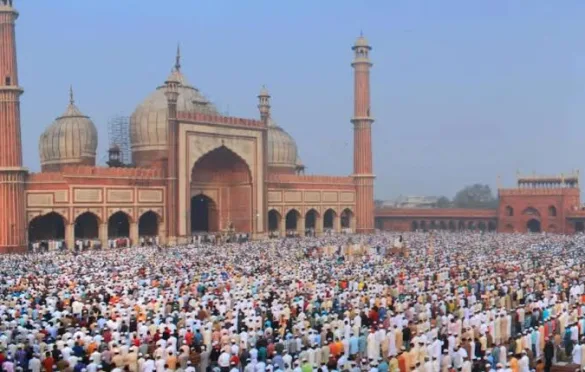
    Sabr in Islam means patience. It means exercising patience during trials (little or big), and it also the act of remaining calm during anxiety. Many times in the Quran, Allah (S.W.T) speaks of the patient and the reward that they will receive for being patient. The Quran talks about beautiful patience as a mark of a true believer. Sabr is reliance upon, and trust in Allah (ta’ala). It is a firm belief that only He can remove your trials, and only he can bring you relief. Sabr is having hope for a greater reward. When a lady complained of her epilepsy condition to the Prophet (SAW), he advised her to be patient, in the hopes of a greater reward from her Lord.

    Sabr is obedience. It happens when Prophet Musa (AS) was leading his people away from Pharaoh even when he did not understand how their escape will happen. Sabr is accepting the decree of Allah (ta’ala) when he chooses to take your spouse, child or parents early. It is understanding that only Him has the knowledge of the unseen and knows what is best for us. When Prophet Muhammad (SAW) lost his son, Ibraaheem, he said, “The eye weeps and the heart grieves, but we say only what our Lord is pleased with, and we are grieved for you, Ibrahim.” (Sunan Abi Dawud)

    Also during the life of Prophet Ayyub (A.S) who was tested by shaytan in order for him to renounce his faith with everything gone and down with sickness still he has patience and still believe in Allah after the end of the whole turbulence he was victorious and Allah reward him in thousand folds . Why can’t we, you and I emulate this act by having patience and to keep believing in Him at the end we will not regret holding unto Allah (S.W.T).

    Sabr is a characteristic of a good believer. It is a sign that a person understands their Deen and it shows their belief in Allah (ta’ala). Shukr which means “Gratitude” is the form in which sabr can be Praticed. Gratitude is a form of sabr, and it is one of the best things we can do, especially at the first strike of calamity. If someone just died in your arms, put your head on the ground and make a Sajdah of gratitude to show Allah (ta’ala) that even though this hurts, you are grateful to be tested.


    As – sabr is a prophetic tradition. Quran is full of examples of the patience of Ibrahim, Ismaeel, Yaqoob, Yusuf, Ayyub, Younus, Nuh, Lut, and Muhammad (peace be upon them all). We must observe how they were struck by various adversities and how they remained patient. We can learn profound lessons from how they dealt with their challenges.

    In this world, we experience many negative situations. Every now and then we face provocations. When someone wrongs you instead of retaliating with provocation, you can respond with kindness and patience. How can one live amidst these negative experiences with positive thinking? How is it possible? There is a verse in the Quran which says that those who believe “forgive when they are angry.” (42: 37). This positive response of forgiveness in the face of provocation is a main source of cultivating a positive personality.

    Once, a man came to the Prophet and asked him for a master-advice by which he could manage all the affairs of his life. The Prophet replied, “Don’t be angry.” (Sahih al-Bukhari). What does this mean? It means that when one is provoked, one should be able to keep control over anger. If you become angry and react, it will become a distraction for you. Patience and avoidance save you from this distraction. In Surah Al-Maarij, Verse 5 which says, “Therefore endure with a goodly patience.” Also in Surah Al-Anfal, Verse 46 which says, “And obey Allah and His Apostle and do not quarrel for then you will be weak in hearts and your power will depart, and be patient; surely Allah is with the patient.”

    This verse teaches us to be patient, not just being patient alone, but we should be truthful to ourselves that we are patient. A lot of people may show the attribute of a patient person but within themselves, they still question Allah when sorrow and tribulations arises. Yet, they forget that Allah (SWT) tests the believing person most. We should watch the kind of utterances that comes out from us whenever we are in difficult situation rather than question Allah, we should see it as a trial, a phase that has come and will go, when you feed your mind with that kind of positivity, Allah (S.W.T) will grant all your wishes as a result of your being patient with Him.


    If we take time to really reflect on the Islamic teachings about sabr, it will be easier for us to practice it. When we believe that Quran is shifa (physical, mental, emotional, spiritual healing), we should be prepared and ready to follow everything that it entails.

    Sabr is patience, and there is no other way to practice it wholly than to be patient. It may seem like a trial is unending, but only patience can bring us through to a successful end. “Indeed, Allah is with the patient.” (Quran 8:46)

    Sabr in Islam is not about waiting for miracles to happen in our lives, and it is not about feeling hopeless and powerless with our situation. It is about being patient with reliance on Allah (ta’ala). “Whosoever would be patient, Allah will give him patience, and no one is granted a gift better and more comprehensive than patience”. (Riyad us-Saliheen)

    Let us be steadfast in our prayers and wait patiently for the outcome of our prayers because Allah (S.A.W) promises us in Surah Ash-Sharh, “So verily with hardship, there is relief. Verily with hardship, there is relief” (94:5-6). May Almighty Allah guide us, grant us the ability to be patient in term of difficulties no matter the circumstances. Ameen