Category: Health

  • Mbah Installs N500m Surgical Equipment at Parklane, Targets Nigeria’s Best Teaching Hospital

    Mbah Installs N500m Surgical Equipment at Parklane, Targets Nigeria’s Best Teaching Hospital

    …CMD: Upgrades have strengthened specialist care and postgraduate training, as ESUTH secures multiple five-year accreditations

    The administration of Governor Peter Ndubuisi Mbah has installed new surgical equipment and upgraded medical facilities valued at over N500 million at the Enugu State University Teaching Hospital (ESUTH), Parklane, Enugu, as part of efforts to transform the institution into a world-class tertiary healthcare and specialist training centre, with the ultimate goal of making it one of the best teaching hospitals in Nigeria.

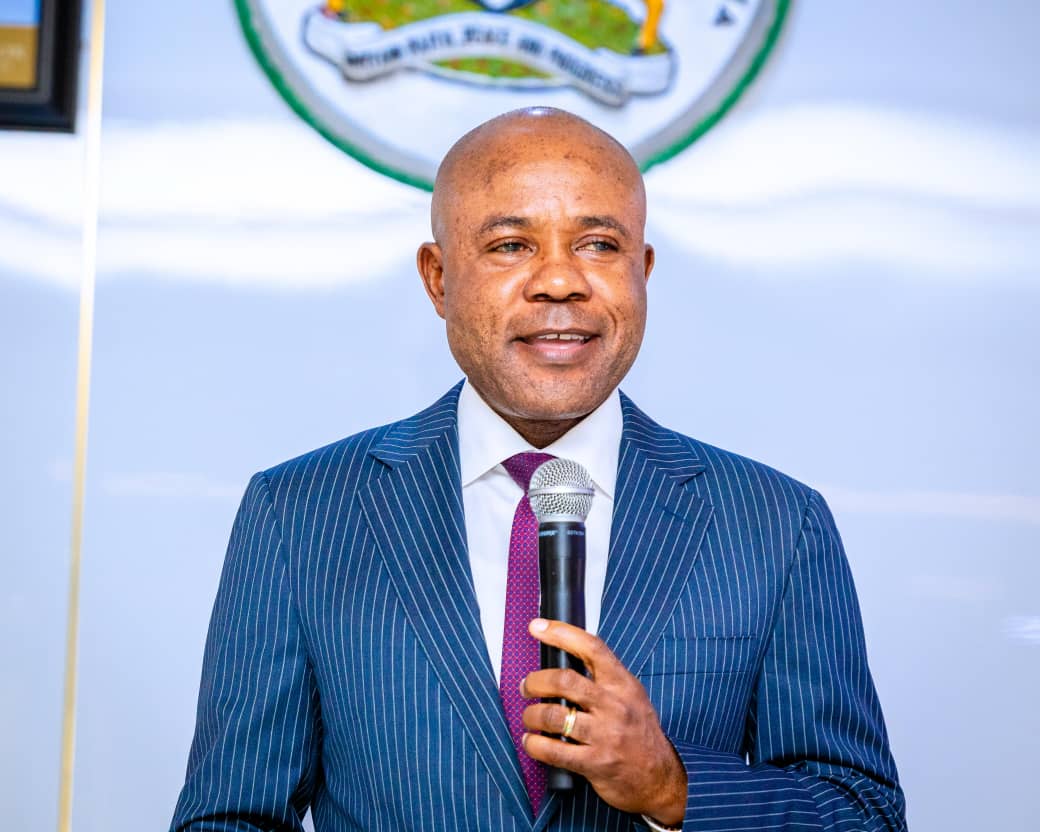
    The Chief Medical Director of ESUTH, Prof. Bethrand Ngwu, disclosed this over the weekend when he conducted Government House Correspondents on an inspection of the newly installed facilities, including the main theatre, Accident and Emergency Department and specialised equipment for complex surgical procedures.

    Prof. Ngwu said the upgrades were strengthening the hospital’s capacity to provide faster and more specialised care to patients, while also supporting postgraduate medical training and accreditation.

    “Those machines provided by His Excellency, Dr Peter Ndubuisi Mbah, are all aimed at postgraduate accreditation by these two big institutions, the National Postgraduate Medical College and the West African College of Surgeons,” he said.

    But beyond professional requirements, the CMD said the upgrades were designed to make a tangible difference in the treatment of patients, particularly those arriving in emergencies.

    He said the upgraded Accident and Emergency Department was being developed to function as an autonomous unit where patients could undergo necessary investigations and receive immediate treatment without being moved unnecessarily between different sections of the hospital.

    “When he came, the Accident and Emergency was empty. But now you can see how beautiful it is looking. That is what he wants. He wants here to look beautiful, efficient and functional. And that is where we are going,” Ngwu said.
    According to him, the arrangement would enable emergency patients to undergo necessary tests and receive immediate treatment within the unit, while those requiring surgery could be operated on there and later transferred to the ward after stabilisation.

    Prof. Ngwu said the new equipment had also expanded the hospital’s capacity to undertake highly specialised procedures such as neurosurgery.

    He disclosed that the neurosurgical theatre had received new operating tables, ventilators and specialised anaesthetic equipment fitted with capnography, which enables doctors to monitor carbon dioxide levels during complex operations.

    Ngwu said ESUTH had recorded several accreditation successes across its specialist programmes since 2023, while explaining that accreditation was essential because resident doctors must train in accredited programmes before proceeding to their professional examinations.

    “Accreditation is a regular thing. Because if you do not have accreditation, you cannot even go for professional examination,” he said.

    He noted that ESUTH had also recently received accreditation from the Medical and Dental Council of Nigeria (MDCN), which oversees undergraduate medical training, with the hospital’s MBBS quota subsequently increased to 350 medical students.

    According to him, the hospital had secured five-year accreditations from the National Postgraduate Medical College and the West African College of Surgeons in areas including Family Medicine, Anaesthesia, Physiotherapy and Radiography, while its School of Nursing had also been upgraded to a College of Nursing.
    Also, the hospital is preparing for another round of postgraduate accreditations in October, with the Accident and Emergency and Surgery departments among the areas to undergo review by the relevant professional bodies.

    Prof. Ngwu said Parklane’s specialist manpower was another major strength of the institution, disclosing that the hospital had approximately 126 full-time consultants as of December 2025 and 50 part-time consultants currently, covering different fields of specialty, including paediatric surgery and neurosurgery.

    He disclosed further that the hospital had nearly 300 resident doctors, 540 nurses and 120 house officers, adding that Governor Mbah had also granted approval for a further increase in the hospital’s manpower.

    On reports of an ongoing strike by resident doctors, the CMD confirmed that they had indeed embarked on a partial strike, but said the action lasted less than three weeks before it was called off following the resolution of the misunderstanding.

    The CMD said the hospital’s resident doctors were benefiting from the Medical Residency Training Fund (MRTF), introduced by the Mbah administration to support specialist training and professional examinations. He said the government had this year paid the MRTF for 266 resident doctors, at nearly N1 million per doctor.
    “This Medical Residency Training Fund was not in place before Governor Mbah came. He introduced it. He said every doctor should go for more training,” Ngwu said.

    Prof. Ngwu said the administration had also invested in the training and welfare of interns across different health professions, including medicine, nursing, physiotherapy, pharmacy and radiology, providing them with the necessary environment for their compulsory one-year professional training.

    He said the interns had expressed appreciation for the intervention and were planning a statewide sporting championship in honour of the governor.

    The CMD further disclosed that the hospital was working towards completing a new multi-storey medical and diagnostic complex containing several theatres, advanced laboratories, intensive care units and recovery rooms.

    He explained that management had decided to refurbish the existing theatre complex rather than wait for the new building to be completed because postgraduate doctors currently undergoing training needed the facilities for their examinations and accreditation exercises.

    According to him, the existing theatre building had been refurbished and modified in line with requirements raised by the National Postgraduate Medical College, including improvements to its access points, lighting and other essential facilities.

    He said the new medical complex would eventually provide expanded capacity for surgical procedures, intensive care and post-operative recovery, while the existing facility could subsequently be removed, converted to another use or further modernised.

    Prof. Ngwu also outlined measures being put in place to ensure that the multimillion-naira equipment would remain functional and deliver value over the long term.
    He said the hospital was training biomedical engineers and technicians while also entering into service agreements with equipment suppliers to provide maintenance for between two and three years after installation.
    “The whole essence is that if an equipment is bought or installed, and is maintained for two or three years, before the end of that period, we must have had or trained people who will continue to maintain and manage it,” he said.

    The CMD added that the hospital was also adopting a backup strategy for critical equipment to ensure that services would not be disrupted when a machine was undergoing servicing or developed a fault.

    He cited imaging equipment as an example, saying some machines were currently undergoing servicing while additional equipment supplied by the state government provided backup capacity.

    Prof. Ngwu said the upgraded facilities were available to all patients, regardless of their social or economic status, dismissing reports that the new Accident and Emergency building was reserved for VIPs.
    “Whether you are rich or poor, we accept you, and no part of this hospital is reserved for VIPs. Reports that the new Accident and Emergency building is exclusively reserved for VIPs are false and should be disregarded. This is our hospital,” he said.

    He expressed appreciation to the state government for its interventions at Parklane, saying the upgrades had significantly changed the physical and professional environment at the hospital.

    “The upgrades we have witnessed in this hospital over the past three years of Governor Mbah’s administration have been substantial and cut across every sector. But His Excellency prefers to let his work speak for itself. He does not make noise about what he does. He simply focuses on getting things done and done properly,” he said.

  • Ebola: NCDC Steps Up Screening Of Travellers From Affected Countries

    Ebola: NCDC Steps Up Screening Of Travellers From Affected Countries

    Precious Nwonu, Enugu

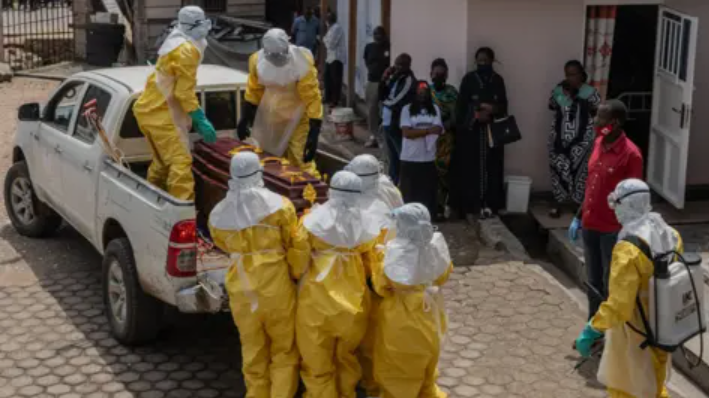
    The Nigeria Centre for Disease Control and Prevention has introduced enhanced surveillance measures for travellers arriving in Nigeria from countries affected by Ebola Virus Disease.

    The agency said passengers arriving from countries with active or relevant Ebola transmission may be required to complete a health declaration form as part of efforts to prevent the disease from being imported into the country.

    The NCDC disclosed this in an interim public health advisory issued on Tuesday following the ongoing Ebola outbreak in the Democratic Republic of Congo.

    The advisory, signed by the agency’s Director-General, Dr Jide Idris, said the measures were introduced after an assessment of the evolving situation and consultations with public health experts and the Federal Ministry of Health and Social Welfare.

    According to the agency, affected travellers may be required to provide health and travel information through the Health Declaration Form to support surveillance and follow-up.

    However, the NCDC clarified that travellers arriving from countries without active or relevant Ebola transmission are not currently required to complete the form.

    The agency also urged Nigerians and other residents to remain alert to symptoms associated with Ebola and seek medical attention promptly if such symptoms occur.

    It advised individuals with relevant travel or exposure history to disclose such information when seeking medical care.

    The NCDC said Nigeria remained on high alert and that preparedness and response activities were ongoing to protect the country against the possible importation and spread of the disease.

    It added that the measures would be reviewed regularly based on developments in the Ebola outbreak and the outcome of ongoing public health risk assessments.

    The agency reaffirmed its commitment to protecting Nigerians through surveillance, preparedness and evidence-based response to emerging public health threats.

  • NCDC Reports 1,086 Confirmed Lassa Fever Cases, 259 Deaths

    NCDC Reports 1,086 Confirmed Lassa Fever Cases, 259 Deaths

    Precious Nwonu, Enugu

    The Nigeria Centre for Disease Control and Prevention has reported 1,086 confirmed cases of Lassa fever and 259 deaths across 24 states in Nigeria in 2026.

    The figures were contained in the agency’s Lassa Fever Situation Report for epidemiological week 36, covering August 31 to September 6, 2026.

    According to the report, Nigeria recorded 12 new confirmed cases during the week, representing a decline from the 18 cases reported in the preceding epidemiological week.

    The new infections were recorded in Ondo, Edo and Kogi states.

    With 259 deaths among the 1,086 confirmed cases, the case fatality rate stood at 23.9 per cent.

    The NCDC noted that the current fatality rate remained higher than the 18.6 per cent recorded during the corresponding period in 2025.

    The agency said confirmed cases had been reported in 118 local government areas across the 24 affected states.

    Five states, namely Bauchi, Ondo, Taraba, Benue and Edo, accounted for 87 per cent of all confirmed cases recorded in the country during the year.

    The report also identified people aged between 21 and 30 as the age group most affected by the disease.

    No new healthcare worker was reported to have contracted Lassa fever during epidemiological week 36, according to the NCDC.

    The latest figures represent an increase from the 1,074 confirmed cases and 258 deaths recorded at the end of epidemiological week 35.

    During week 35, Nigeria recorded 18 new confirmed cases in Ondo, Edo and Bauchi states, while the case fatality rate stood at 24 per cent.

    The NCDC said 86 per cent of the confirmed cases recorded by week 35 had come from Bauchi, Ondo, Taraba, Benue and Edo states.

    The agency said it would continue surveillance and response activities across affected states, with particular attention to confirmed infections, fatalities and possible infections among healthcare workers.

    Lassa fever is an acute viral haemorrhagic illness that can be transmitted to humans through contact with food or household items contaminated by infected rodents. Human-to-human transmission can also occur, particularly in healthcare settings without adequate infection prevention and control measures.

  • CSDA Takes Community Sensitisation, PRA to Six Nkanu West Communities

    CSDA Takes Community Sensitisation, PRA to Six Nkanu West Communities

    …Residents, traditional rulers commend Mbah’s rural development drive

    The Enugu State Community and Social Development Agency (CSDA) has taken its community sensitisation and Participatory Rural Appraisal (PRA) exercises to six communities in Nkanu West Local Government Area, with residents and traditional rulers commending Governor Peter Mbah’s administration for its focus on grassroots development.

    The exercise, led by the General Manager/Chief Executive Officer of CSDA, Monday Diamond Ani, is aimed at identifying and documenting beneficiary communities while enabling residents to participate directly in identifying and prioritising their development needs.

    As part of the exercise, elections and inaugurations of Community Project Management Committees (CPMCs) were conducted in the newly identified communities.

    The CSDA team visited Enuagu Amurri, Omuoha Obuoffia, Enuagu Akpugo, Eziokwe Amurri, Umueze Awkunanaw and Ndiagu Obuoffia.

    At Enuagu Amurri, the traditional ruler, His Royal Highness, Igwe Charles Nwoye, Obu Oha 1 of Amurri Ancient Kingdom, received the team and commended CSDA’s community-driven approach to rural development.

    Nwoye also expressed appreciation to the state government for its attention to grassroots development.

    At Omuoha Obuoffia, the team was received by His Royal Majesty, Igwe Obiora Igwesi, the traditional ruler of the community; Rt. Hon. USA Igwesi, a former member of the House of Representatives; the President General, Chidi Ugwu; alongside other residents.

    Igwesi said the community had maintained a cooperative relationship with CSDA over the years, noting that the Agency’s interventions in the area predated the current exercise.

    The traditional ruler of Umueze Community, HRM Igwe Dr. Emeka Ani, also expressed appreciation to Governor Mbah for what he described as his administration’s performance and for including the community in its development efforts.

    Similarly, His Royal Highness, Igwe Ikechukwu Nnaji of Enuagu Akpugo, thanked the governor for bringing a water project to the community after, according to him, almost 30 years of waiting for government intervention.

    Speaking during the exercise, Ani said the programme would also create opportunities for beneficiaries to receive livelihood support for micro-businesses.

    He said Governor Mbah was committed to rural development and prompt intervention in communities, particularly through projects identified by residents as their most pressing needs under Phase 2.0 of the NG-CARES programme.

    Ani urged members of the CPMC to remain transparent, committed and accountable in managing the responsibilities entrusted to them by their communities.

    He said sustainable community development requires people genuinely committed to humanitarian service and concerned about the welfare of vulnerable members of society.

    The CSDA’s community sensitisation and PRA exercise is part of its broader effort to ensure that communities participate actively in determining the projects and interventions that address their most pressing developmental needs.

  • Otti Seeks Stronger Partnerships to Improve Abia Healthcare

    Otti Seeks Stronger Partnerships to Improve Abia Healthcare

    Precious Nwonu, Enugu

    Abia State Governor, Alex Otti, has called for stronger collaboration between the state government, federal tertiary hospitals and other medical institutions to improve healthcare delivery and advance the proposed Abia Medical City.

    Otti made the call while addressing the 115th quarterly meeting of the Committee of Chief Medical Directors and Medical Directors of Federal Tertiary Hospitals in Nigeria.

    The governor, who was represented by his deputy, Ikechukwu Emetu, described healthcare as a key driver of human development and economic growth.

    He said his administration had demonstrated its commitment to the sector by allocating 15 per cent of the state’s 2026 budget to healthcare.

    According to him, the government has also recruited hundreds of healthcare professionals and commenced the rehabilitation of primary healthcare centres across the state through Project EQUIP and other interventions.

    Otti said the proposed Abia Medical City was designed to go beyond conventional hospital services, describing it as an integrated healthcare ecosystem that would bring together specialised medical services, research, diagnostics, pharmaceutical manufacturing, medical technology and other related services.

    He therefore urged medical institutions and other stakeholders to partner with the state government to turn the vision into reality.

    The governor said such partnerships would help strengthen the state’s healthcare system while creating opportunities for innovation, investment and improved access to specialised medical services.

    Also speaking, the Secretary to the Abia State Government, Dr Emmanuel Meribole, commended the administration for what he described as progress in the health sector.

    Meribole also highlighted the increasing collaboration between the state government and the Federal Medical Centre, Umuahia.

    The Chairman of the Committee of Chief Medical Directors and Medical Directors of Federal Tertiary Institutions in Nigeria and Chief Medical Director of Usmanu Danfodiyo University Teaching Hospital, Sokoto, Prof. Sa’ad Ahmed, expressed appreciation for the cooperation between the state government and the health institutions in Abia.

    Meanwhile, the Chief Medical Director of the Federal Medical Centre, Umuahia, Prof. Azubuike Onyebuchi, disclosed that the state government was constructing a 20-room VIP ward at the medical centre.

    The development is part of the ongoing efforts to improve healthcare infrastructure and strengthen medical services in the state.

  • Lassa Fever: NCDC Urges Nigerians to Step Up Prevention Ahead of Peak Season

    Lassa Fever: NCDC Urges Nigerians to Step Up Prevention Ahead of Peak Season

    The Nigeria Centre for Disease Control and Prevention, NCDC, has urged Nigerians to intensify preventive measures against Lassa fever ahead of the dry season, warning that cases typically increase between November and April.

    The Director-General of the NCDC, Dr Jide Idris, gave the warning on Wednesday in Abuja at a national health security media briefing, stressing the need for early preparedness before the peak transmission period.

    Idris said although Lassa fever occurs throughout the year, cases tend to increase during the dry season, making the period before the peak season critical for prevention and preparedness.

    “Lassa fever occurs throughout the year, but cases tend to increase during the dry season, particularly between November and April. We are not yet in that peak period, and that gives us an important opportunity to act now,” he said.

    The NCDC said findings from its After Action Review of the last Lassa fever outbreak showed persistent gaps in early care-seeking, infection prevention and control, environmental sanitation, state-level preparedness and the functionality of health facilities.

    According to the agency, delays in seeking appropriate medical care, self-treatment and visits to multiple health facilities before Lassa fever was suspected contributed to challenges in managing cases.

    It also identified infections among healthcare workers, particularly when health facilities were under pressure, as well as environmental and household risks associated with poor sanitation, unsafe food storage and exposure to rodents.

    Idris said the findings underscored the need to strengthen the entire response chain, from prevention and early detection to diagnosis, referral and treatment.

    He disclosed that the NCDC had developed an Accelerated Readiness Plan to guide preparedness activities ahead of the peak Lassa fever season.

    “Our approach during this period will be firmly grounded in One Health. Lassa fever cannot be prevented and controlled by the health sector acting alone. Health, Environment, Agriculture, Livestock, Local Governments and communities have distinct but complementary responsibilities,” he said.

    According to him, the plan will focus on measures to be implemented between now and the peak season, with additional attention and resources directed to areas where available data indicate that the burden and risk are highest.

    Under the plan, the agency said priority would be given to early detection and reporting of suspected cases, reducing exposure to rodents, promoting prompt care-seeking and ensuring healthcare workers can recognise, report and appropriately refer suspected cases.

    It added that efforts would be made to ensure prompt transportation and testing of samples, as well as timely communication of results to healthcare providers.

    The NCDC urged households to store food items such as rice, garri, beans and maize in tightly covered containers and avoid leaving food exposed to rodents.

    It also advised Nigerians to seal openings through which rodents could enter homes, reduce clutter that provides hiding places for rodents and maintain clean surroundings through proper waste disposal.

    The agency cautioned against handling rodents with bare hands or unnecessary contact with their urine, faeces and other body fluids.

    It further advised people who develop fever or other symptoms, particularly those living in or travelling to areas where Lassa fever is endemic, to seek medical attention promptly.

    “If you have treated what you believe to be malaria and your symptoms persist, please do not continue treating yourself at home. Seek appropriate medical attention,” the agency advised.

    The NCDC also called on state and local governments, particularly those with recurrent Lassa fever transmission, to strengthen environmental sanitation, waste management, surveillance, laboratory referral systems and the readiness of designated treatment centres.

    It urged health authorities to investigate every Lassa fever infection involving a healthcare worker, appropriately follow up exposed workers and promptly address identified gaps.

    The agency urged healthcare workers to remain vigilant, saying: “THINK LASSA. PROTECT. REPORT. REFER.”  Vanguard

  • Ebola Outbreak Spreading Faster Than Containment Efforts in DRC, UN Warns

    Ebola Outbreak Spreading Faster Than Containment Efforts in DRC, UN Warns

    Precious Nwonu, Enugu

    The UN has warned that the global response to Ebola must urgently outpace the virus as deaths in the Democratic Republic of the Congo (DRC) approach 3,000.

    UN Emergency Relief Coordinator, Tom Fletcher, said the outbreak was expanding faster than containment efforts, in spite of a significant scale-up by humanitarian agencies and Congolese authorities.

    Ebola spreads through direct contact with the blood or bodily fluids of an infected person, or contaminated materials, making early detection and isolation critical to breaking transmission chains.

    “The response is growing and has been scaled up, but the virus is moving faster,” Fletcher said.

    “And unless we scale up urgently, more lives will be lost and the threat will grow.”

    DRC authorities had reported more than 6,100 confirmed cases and 2,950 deaths by Monday, with over 5,000 infections recorded in Ituri Province alone.

    The figures underline the exceptional speed of the Bundibugyo Ebola outbreak, declared in DRC on May 15.

    The current outbreak is spreading at a substantially faster rate than one of the deadliest Ebola emergencies previously recorded during the 2014-2016 West Africa Ebola epidemic.

    Fletcher said containing the epidemic would require sustained political commitment, unrestricted humanitarian access and significantly increased international financing.

    “We have the experience, the tools and extraordinary people risking their lives to stop this epidemic. What we need now is political will, access and resources,,” he said.

    The UN relief chief urged governments to ensure humanitarian workers could reach affected communities, particularly in areas where insecurity and weak infrastructure complicate response efforts.

    He also called on the international community to keep Ebola high on the global agenda to prevent the virus from spreading further.

    A funding shortfall of about 1.1 billion dollars remains, limiting the ability of humanitarian agencies to expand surveillance, treatment, community mobilisation and cross-border preparedness.

    Fletcher said his agency has allocated more than 57 million dollars from the UN Central Emergency Response Fund to support response and preparedness efforts in DR Congo and neighbouring countries.

    He said closing the funding gap and stopping further spread would ultimately depend on whether governments and international partners match technical capacity with political commitment.

    The UN maintains that the tools to contain Ebola are already available, however, it warns that delayed financing, restricted access and insufficient coordination could allow transmission to outpace response efforts.

    The World Health Organisation recently declared Uganda’s latest Ebola outbreak over following rapid detection, contact tracing, isolation, clinical care, infection prevention and strengthened surveillance.

    “We have beaten Ebola before, and we can do it again,” Fletcher said.

    The UN International Organization for Migration has, meanwhile, conducted nearly 23 million health screenings in DRC and neighbouring countries.

    UN Spokesperson Stéphane Dujarric said the “screenings were helping authorities monitor population movements, identify possible cases and reduce cross-border transmission risks.”

    NAN

  • Aviation Mogul Odengene To Bury Brother August 29

    Chief Augustine Nnaji, elder brother of Captain Evarest Nnaji, Founder and Chief Executive Officer of Odengene Air Shuttle Services Limited (OAS Helicopters), will be buried on Saturday, August 29, 2026, in Amagunze, Nkanu East Local Government Area of Enugu State.

    According to the funeral arrangements released by the family, a funeral Mass for the 66-year-old deceased will be held at 10:00 a.m. at Holy Innocent Catholic Church, Amagunze, followed by his interment at his residence.

    A wake-keep will hold on Friday, August 28, from 6:00 p.m. to 9:00 p.m. at the deceased’s residence in Uzam, Isienu, Amagunze.

    The family will also hold a thanksgiving service on Sunday, August 30, at 8:00 a.m. at Holy Innocent Catholic Church, Amagunze.

    Chief Augustine Nnaji is being remembered by his family as a father, grandfather, brother, uncle and friend.

    His younger brother, Captain Evarest Nnaji, is a Nigerian aviation entrepreneur and the Founder and CEO of OAS Helicopters Services Limited, an indigenous aviation company incorporated in 1992.

    The burial is expected to attract family members, friends, associates, business partners and other well-wishers who will gather to honour the life and legacy of the deceased.

    The funeral arrangements were announced by his son, Ebuka Joel Nnaji, and Captain Evarest Nnaji on behalf of the  family.

  • Imo Specialist Hospital to Perform First Robotic Surgery Friday

    Imo Specialist Hospital to Perform First Robotic Surgery Friday

    The Imo Specialist Hospital in Owerri is set to perform its first robotic-assisted surgery on Friday, August 21, with Governor Hope Uzodimma expected to witness the procedure as the state launches what it describes as a major step towards advanced healthcare delivery in Nigeria.

    The surgery, scheduled for 10 a.m. at the Imo Robotics and Oncology Centre (IROC), located within the Imo Specialist Hospital, Umuguma, Owerri West Local Government Area, will be led by Prof. Kingsley Ekwueme, a Consultant Robotic and Laparoscopic Surgeon and Lead Urological Surgeon at Glan Clwyd Hospital, United Kingdom.

    Ekwueme, a Fellow of the Royal College of Surgeons (FRCS) and founder of The Prostate Clinic, is recognised for his work in robotic and minimally invasive surgery.

    The development is part of the Uzodimma administration’s efforts to expand access to specialised medical services and reduce the need for Nigerians to travel abroad for procedures that require advanced medical technology.

    The Imo government said the IROC was conceived as a major healthcare infrastructure project aimed at positioning the state as a destination for advanced medical care and innovation.

    The Centre houses robotic surgical capabilities and oncology services, with the government expecting the facility to strengthen Nigeria’s capacity to diagnose and treat cancer, urological conditions and other complex diseases.

    The planned procedure is also expected to mark the operational commencement of robotic-assisted surgical services at the Centre, moving the IROC beyond an infrastructure project into a specialised medical institution.

    Governor Uzodimma is scheduled to attend the procedure as part of his administration’s push to modernise healthcare infrastructure and deploy advanced medical technologies in the state.

    The state government said the initiative aligns with the governor’s 3R Agenda of Reconstruction, Rehabilitation and Recovery, particularly its focus on revitalising healthcare infrastructure, expanding specialist services and improving access to quality medical care.

    Robotic-assisted surgery uses sophisticated robotic systems controlled by specially trained surgeons and can offer greater precision, enhanced visualisation and improved dexterity during complex procedures. Depending on the patient’s condition and the procedure involved, it may also result in smaller incisions, reduced blood loss and shorter recovery periods.

    The government said the initiative could help retain more healthcare expenditure within Nigeria while strengthening specialist training, local expertise and international medical collaborations.

    It also described the development as part of efforts to reduce medical tourism and expand Nigeria’s capacity to provide sophisticated healthcare services locally.

    According to the statement signed by Oguwike Nwachuku, Chief Press Secretary and Special Adviser on Media to the Governor, doctors and nurses at the IROC expressed optimism during Governor Uzodimma’s inspection of the facility on Wednesday ahead of Friday’s procedure.

  • From Budget to Decision: Ugwunta Brings Lived Public Finance Experience to Nigerian Army Finance Corps Digital Transformation Dialogue

    From Budget to Decision: Ugwunta Brings Lived Public Finance Experience to Nigerian Army Finance Corps Digital Transformation Dialogue

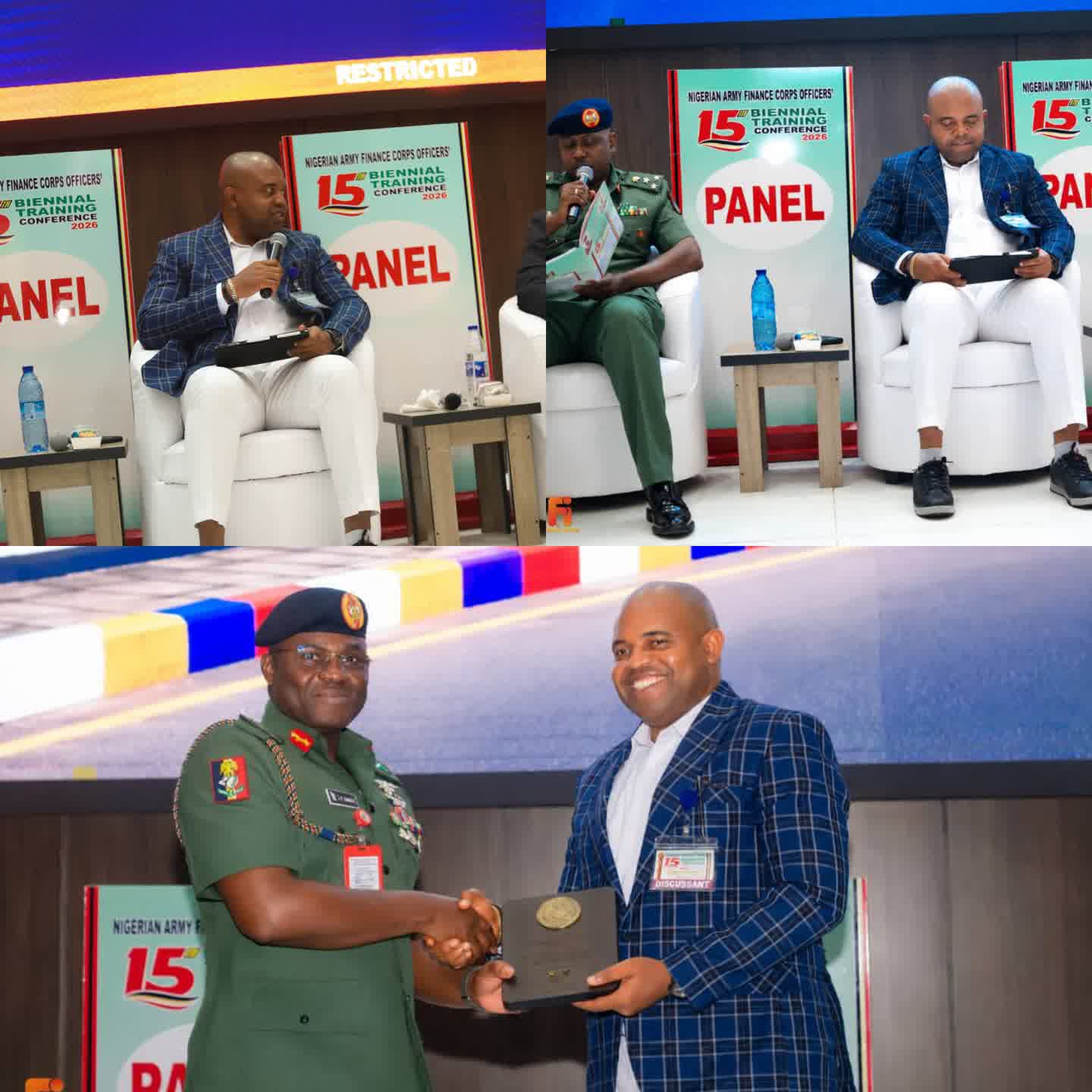
    Dr. David Okelue Ugwunta, Senior Lecturer in Banking and Finance at Enugu State University of Science and Technology (ESUT) and former Honourable Commissioner for Budget and Planning, Enugu State, has brought his practical experience in public financial management and fiscal governance into a national conversation on the digital transformation of military financial management.

    Ugwunta was a Discussant at the Fifteenth Nigerian Army Finance Corps Officers’ Biennial Training Conference, held from 9–14 August 2026 at the Nigerian Army School of Finance and Administration (NASFA), Apapa, Lagos. The conference was themed “Leveraging Digital Financial Technology and Professionalism for Enhanced Troops Morale Needed for Mission Success.”

    The conference provided a platform for senior officers and financial management professionals to examine how technology, professionalism, accountability and stronger financial controls can improve resource management and support military effectiveness.

    In his opening remarks, the Chief of Accounts and Budget (Army), Major General T. T. Sidick, underscored the importance of professionalising and transforming the Nigerian Army Finance Corps (NAFC) to respond to the demands of contemporary military financial management. His emphasis reflected the need for stronger financial controls, professional competence, accountability and the effective deployment of digital technology to improve resource stewardship and provide timely financial information for command decisions.

    That institutional perspective provided an important backdrop to Ugwunta’s intervention.

    From the Budget & Planning Ministry to the Nigerian Army Finance Corps

    Ugwunta participated in the interactive session following the lecture, “Achieving Digital Financial Technology Transformation in the Nigerian Army Finance Corps for Enhanced Financial Management and Effective Decision Support for the Nigerian Army,” delivered by Major General A. A. Ayannuga (Rtd.).

    Rather than simply reiterating the technical arguments in the lead presentation, Ugwunta drew on his experience as Honourable Commissioner for Budget and Planning, Enugu State, from 2019 to 2023, during the administration of former Governor Rt. Hon. Ifeanyi Lawrence Ugwuanyi.

    As Commissioner, Ugwunta was directly involved in economic planning, budget formulation, implementation monitoring, fiscal policy, and performance reporting. That experience led him to conceive an integrated digital approach to the State’s budget cycle one in which Ministries, Departments and Agencies could prepare or upload budget proposals through an online platform, while the central budget authority could access, review and interrogate submissions during budget bilateral discussions and integrate approved proposals into the final budget.

    For Ugwunta, however, the more important question was what happened after appropriation.

    His proposed architecture envisaged the digital connection of budgeting, implementation, accounting, reporting, auditing and decision-making, enabling government to see at any point what had been received as revenue; approved, released, committed and spent as expenditure, identify variances and emerging financing pressures, and use the information to advise government and initiate appropriate corrective action.

    Beyond Paperless Finance

    Ugwunta argued that digital financial transformation should not be reduced to electronic payments or the computerisation of existing processes.

    “The future of financial management is not simply paperless finance. It is integrated, intelligent and auditable finance.”

    He proposed a Digital Financial Management Continuum:

    Planning → Budgeting → Appropriation → Implementation → Accounting → Reporting → Auditing → Analysis → Decision.

    In his view, the real value of digital transformation lies in connecting these functions so that the budget, accounting records, financial reports and audit information are generated from a common and reliable information architecture.

    He stressed that the NAFC should be able to move from asking simply “what has happened?” to understanding “what is happening, what is likely to happen, what financing risk is emerging and what requires intervention?”

    From Financial Data to Decision Intelligence

    A central feature of Ugwunta’s contribution was the idea of a secure NAFC financial dashboard capable of providing decision-makers with real-time visibility of approved budgets, revenue, releases, commitments, expenditure, outstanding obligations, performance, variances and emerging financial pressures.

    Such a system, he argued, should incorporate management by exception, automatically drawing attention to significant deviations, unusual transactions, underperforming programmes or emerging financial risks.

    He also emphasised accounting and auditing as integral components of digital transformation.

    Rather than treating audit as an activity that begins after transactions have occurred, digital systems can embed controls into financial processes, generate complete audit trails and use data analytics to identify unusual or high-risk transactions for timely review.

    This, he argued, would move financial management from predominantly retrospective reporting towards continuous, risk-based and intelligence-driven assurance.

    The position resonates with the broader direction of the conference. The Chief of Army Staff, Lt.-Gen. Waidi Shaibu, represented by Maj.-Gen. Garba Ibrahim who called for tighter financial controls, stronger accountability, digital auditing, financial analytics, cybersecurity and data-driven decision-making, stressing the connection between sound financial management, troop welfare and operational readiness.

    From Digital Transactions to Digital Command

    For Ugwunta, the ultimate objective is not technology for its own sake.

    “The real measure of digital financial transformation should not be how many transactions we process electronically. The test is whether we can transform financial data into reliable information, reliable information into intelligence, and intelligence into informed and smart public financing decisions.”

    He however supported the advocate for a phased and multistakeholder implementation approach.

    The intervention reflects the convergence of Ugwunta’s academic and public-sector career. In addition to his role as Senior Lecturer at ESUT, he serves as Senior Adviser (Economic) at Thoughts & Mace Advisory and works as an Independent Consultant with UNICEF, Enugu Field Office on Public Finance for Children. His professional work spans public financial management, fiscal policy, economic planning, public debt accountability, governance and development finance.

    His participation at the Nigerian Army Finance Corps Fifteenth Biennial Conference therefore represented more than an academic engagement. It demonstrated how lived experience in government can be translated into practical policy ideas for strengthening financial management beyond the environment in which that experience was acquired.

    For Ugwunta, the journey is clear: From digital transactions, to digital financial management, and ultimately to digital Corp decision support.

  • Gov Mbah Bags Transformational Leadership Award, Promises More

    Gov Mbah Bags Transformational Leadership Award, Promises More

    Governor Peter Ndubuisi Mbah’s transformational leadership and developmental strides took centre stage, yet again, as Enugu Media Village honoured him with an Award of Excellence for dedication to transformational leadership and outstanding governance.

    The award was presented during the organisation’s 2025/2026 Best Performing Local Government Chairman Poll and Leadership Recognition Ceremony, which took place at the International Conference Centre, Enugu.

    Presenting the award on behalf of the organisation, the Board of Trustees Chairman of Enugu Media Village and former Chairman of Agwu Local Government Area, Hon. Nnanna Nze, commended Governor Mbah for what he described as his remarkable transformation of the state in just three years.

    Nze noted that the governor’s developmental strides in critical sectors of the economy had continued to attract commendation from residents and stakeholders.

    Earlier in his welcome address, the Founder and Director General of Enugu Media Village, Mr. Kelvin Uche Edeh, described the organisation as a media platform established to promote developmental governance and ensure that information about government projects reaches the grassroots.

    He noted that Governor Mbah had demonstrated that governance was a powerful tool for transforming communities and improving lives.

    “Governor Peter Mbah has shown us that governance is about changing communities and transforming systems.

    “We are committed to supporting developmental governance by ensuring that information reaches the grassroots across all local government areas,” Edeh stated.

    Receiving the award, Governor Mbah said the honour belonged to members of his team and the entire people of Enugu State for entrusting their mandate to him.

    He, however, said that the people of Enugu State had only seen a tip of the iceberg, as he remained committed to exceeding expectations in delivering more dividends of democracy to the people.

    Mbah, who was represented by the state’s Attorney General and Commissioner for Justice, Barr. Osinachi Nnajieze, said the people of Enugu State deserved only the very best, hence his insistence on excellence, innovation and high performance from members of his administration.

    Another major highlight of the event was the emergence of the Chairman of Nsukka Local Government Area, Engr. Jude Asogwa, as winner of the 2025/2026 Enugu State Best Performing Local Government Chairman Award.

    The poll, which featured all 17 local government areas of the state, recorded Nsukka Local Government Area as the overall winner with 110,447 votes, ahead of Isi Uzo, Uzo Uwani, Igbo Eze North and Enugu South LGAs, in that order.

    In his acceptance speech, Engr. Asogwa, who dedicated the award to God, Governor Mbah, his family and the people of Nsukka, said the recognition reflected his Council’s commitment to delivering development to all 52 communities in the LGA.

    He further reaffirmed Nsukka’s support for Governor Mbah’s re-election, citing the administration’s investments in the area such as 20 Smart Green Schools, 21 Type-2 Primary Healthcare Centres, dualization of the over 44.1-kilometre Enugu – Opi – Nsukka Road, the 52.2km Nguru – Lejja – Aku – Akpakume Nze – Egede – Affa – Eke road, and N1 billion oxygen plant, among other development projects designed to improve lives and grow Nsukka and Enugu North Zone’s economy.

    “Let me just tell us that the secret of our performance is Dr. Peter Ndubuisi Mbah. He is a leader that supports the local government council chairmen. He is a governor who does not tamper with the allocations of the LGAs. That is the secret of the results you are seeing. In addition, he has delivered 267 Smart Schools and 260 Type 2 Primary Healthcare Centres in the 260 wards.

    “So, Nsukka is for Governor Peter Mbah. Also, we had earlier decided as a zone that come 2027, we will support and deliver not only the governor but also President Bola Ahmed Tinubu, whose administration has contributed to the growth and development of our people, including the appointment of the first indigenous Vice Chancellor of the University of Nigeria, Nsukka,” he said.

    The event also featured the presentation of Awards of Excellence to distinguished public office holders and leaders in recognition of their contributions to governance, leadership and public service.

    Among the awardees were Senator Osita Ngwu, representing Enugu West Senatorial District; Senator Ikeje Asogwa, representing Enugu North Senatorial District; Hon. Chimaobi Sam Atu, representing Enugu North and South Federal Constituency; Barr. Osinachi Nnajieze, Attorney General and Commissioner for Justice; and Chie Chukwudi Nnaji.

  • [SPONSORED CONTENT] Enugu Cashew Hits Market With Strict Hygiene Standards, Sealed Packaging

    [SPONSORED CONTENT] Enugu Cashew Hits Market With Strict Hygiene Standards, Sealed Packaging

    The Enugu State Marketing Company Ltd., a state owned company, has unveiled one of its products, the Premium Enugu Cashew, a snack produced under “strict hygienic conditions” and “professionally packaged” to meet the highest standards of quality and freshness.

    The company announced the launch of the product, which is now available to consumers seeking a healthy, delicious, and nutritious snack option.

    According to the announcement, “Every pack is produced with the highest standards of cleanliness, freshness, and quality assurance to give you a healthy, delicious, and nutritious snack.”

    The cashew is “carefully processed under strict hygienic conditions” by the Enugu State Marketing Company Ltd., ensuring that consumers receive a product they can trust.

    The product is “available in attractive, sealed packaging that preserves freshness and makes it perfect for personal consumption, gifts, retail, and bulk purchases.”

    The company highlighted the key attributes of the Enugu Cashew:

    ✅ Hygienically Processed
    ✅ Professionally Packaged
    ✅ Fresh, Crunchy & Nutritious
    ✅ Premium Quality You Can Trust

    Where to Buy

    Interested buyers can visit the Enugu State Marketing Company Ltd. at No. 24 Colliery Avenue, Opposite Enugu State Secretariat, Enugu, or the branch at 35A Ogui Road by Subway, Enugu.

    Additionally, the product can be purchased on the EnuguMarket Mobile App. Residents can download the EnuguMarket App from the Google Play Store using the link: https://play.google.com/store/apps/details?id=com.pixels.enugu_market. Those who prefer web browsing can also access the platform at www.enugumarket.ng.

    For enquiries and orders, customers can call 0814 572 1776.

    Enugu Cashew, Premium Quality, Hygienically Processed, Professionally Packaged.